In the world of industrial design, the line between utilitarian necessity and aesthetic desirability is often razor-thin. For decades, the wire-grid aesthetic—synonymous with the ubiquitous supermarket shopping cart—has been relegated to the background of everyday life, perceived as purely functional and devoid of luxury. However, Swiss furniture manufacturer Embru and celebrated industrial designer Moritz Schmid are currently challenging this perception with a new, highly anticipated seating solution: the Patio Chair.
By marrying high-concept modularity with the raw, industrial textures of wire mesh, Schmid has created a piece of furniture that manages to be both strikingly familiar and entirely novel. As Embru prepares for a full-scale market release, the design community is taking note of how this chair bridges the gap between mass-market utility and high-end contract furniture.
Main Facts: The Intersection of Form and Function
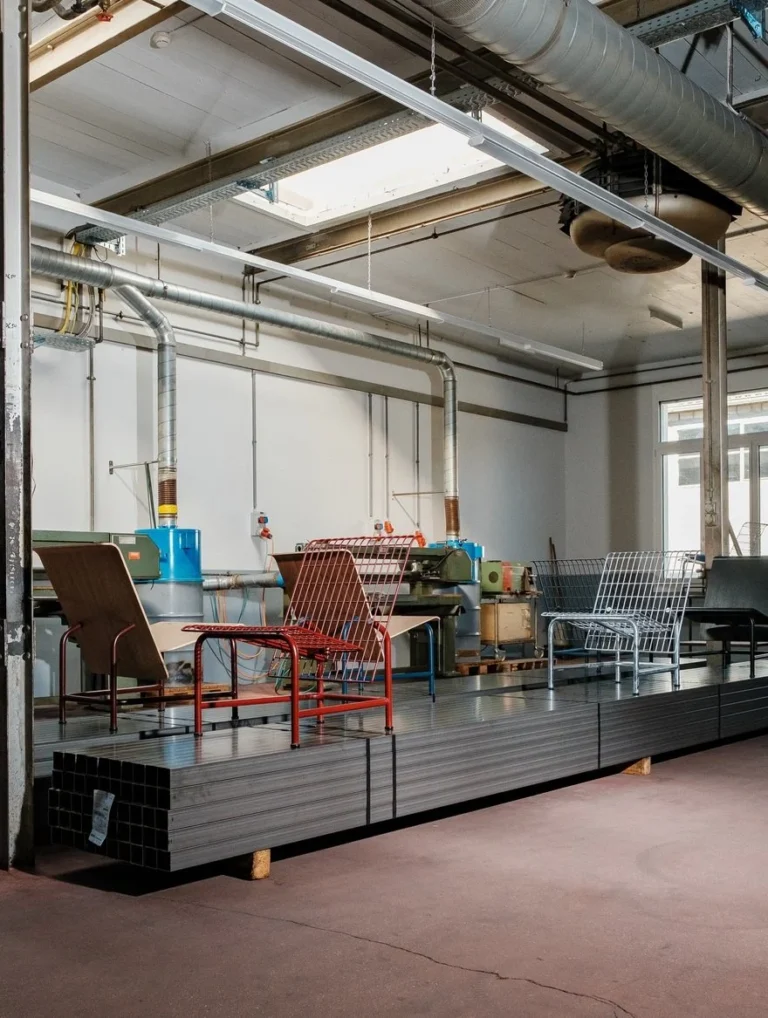
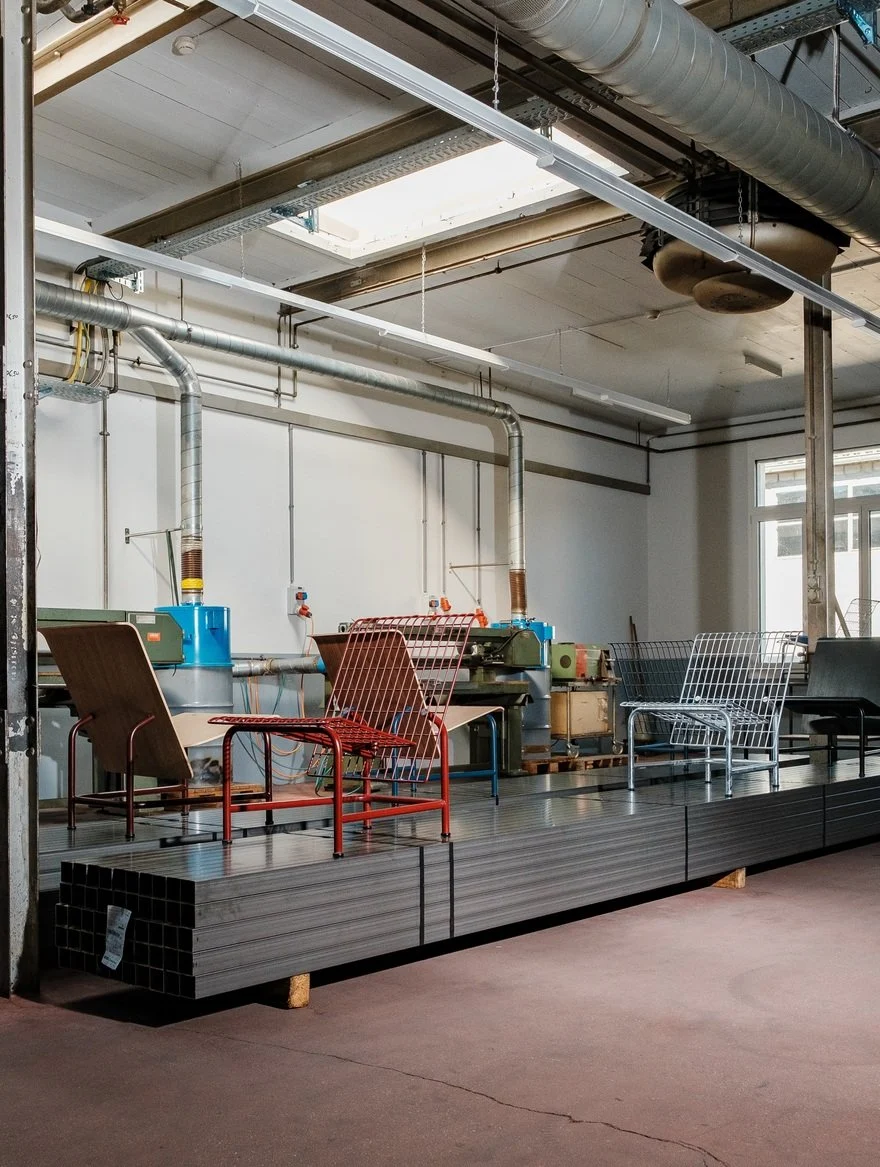
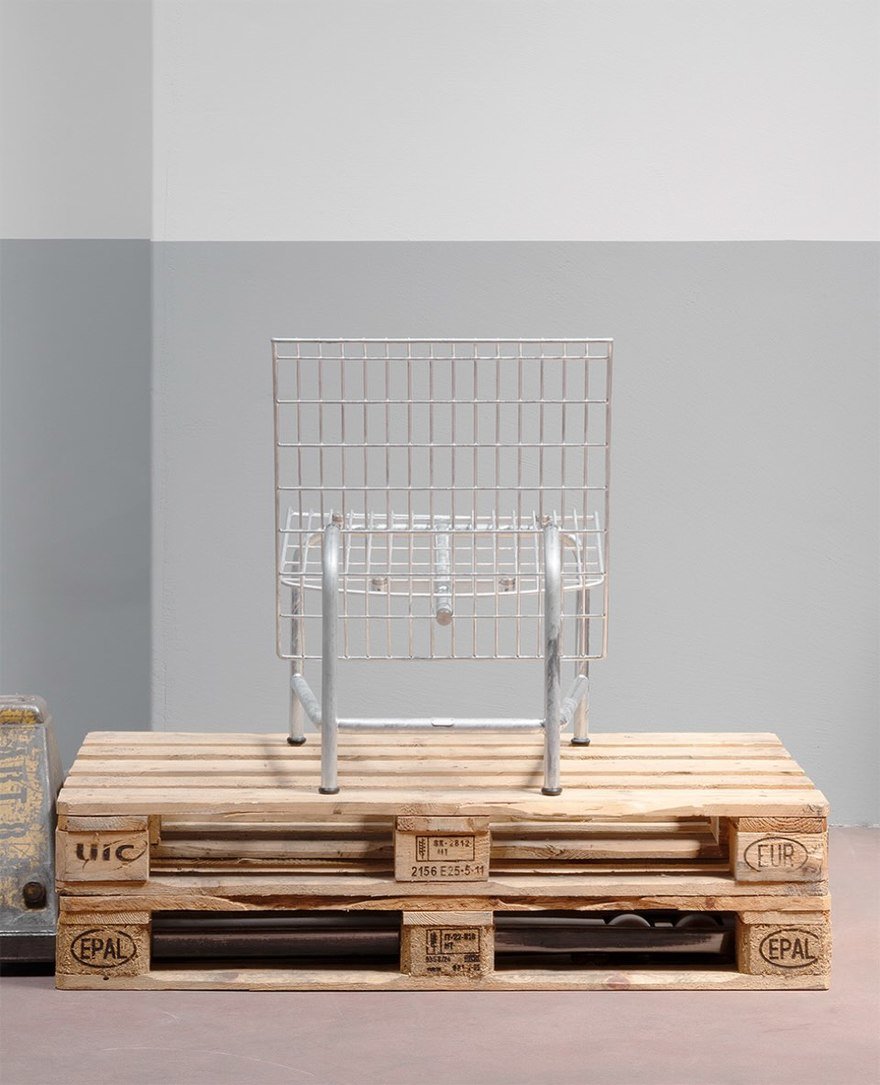
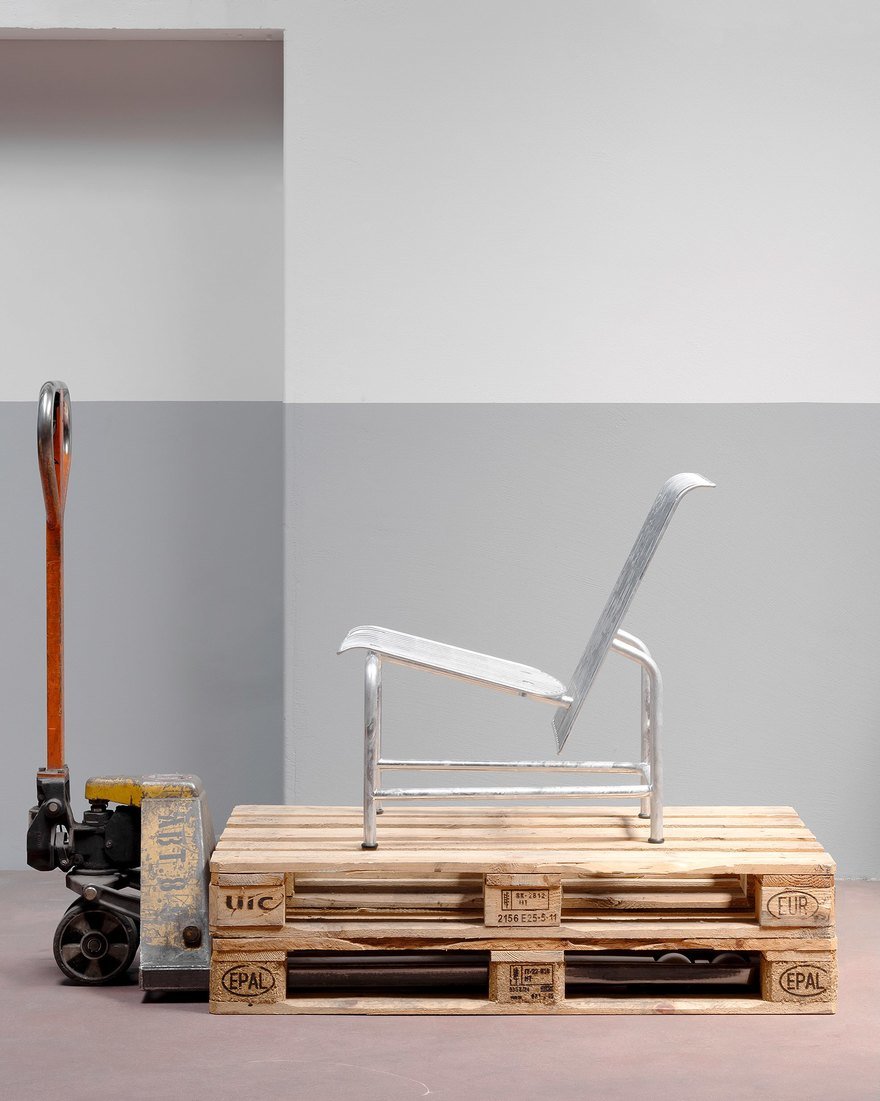
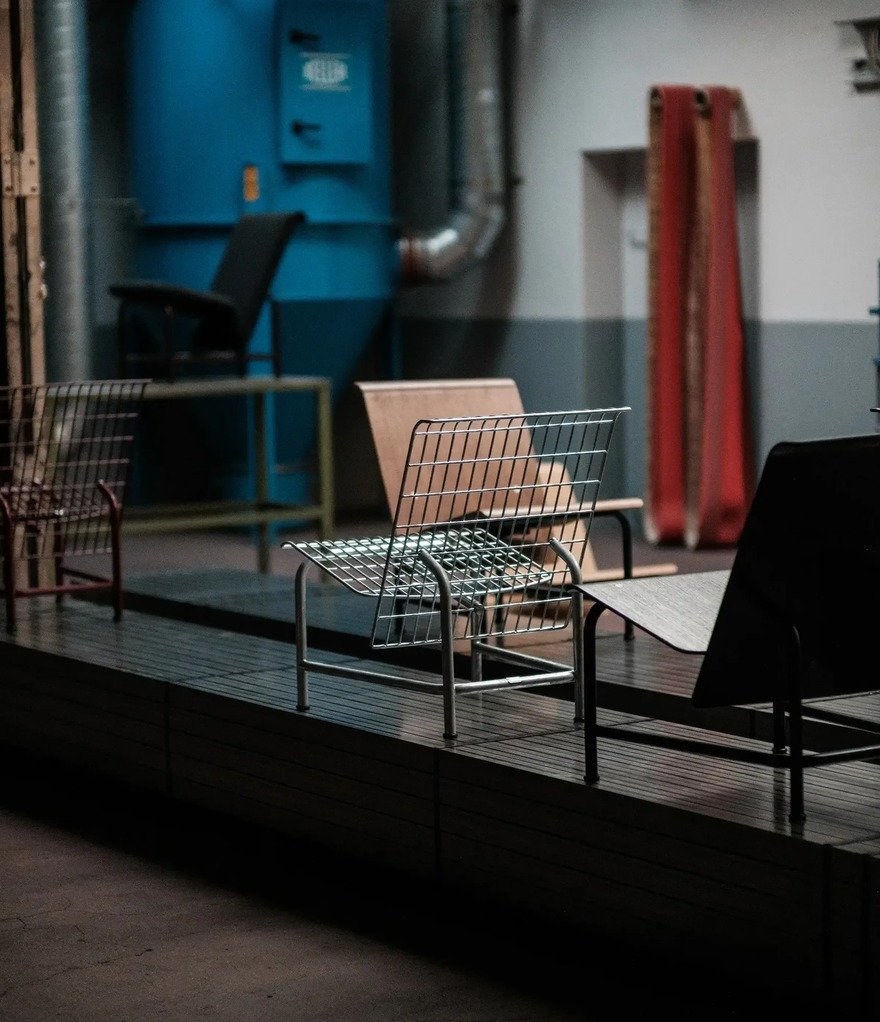
The Patio Chair is the latest collaboration between the storied Swiss heritage brand Embru and Zurich-based designer Moritz Schmid. At its core, the chair is a study in material honesty. The primary design element is a gridded wire structure that evokes the industrial geometry of a shopping cart, yet the execution elevates the material through precise proportions, refined joinery, and a considered silhouette.
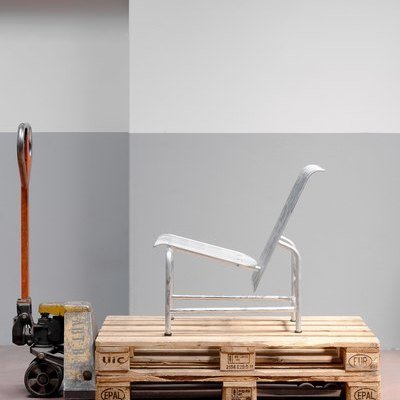
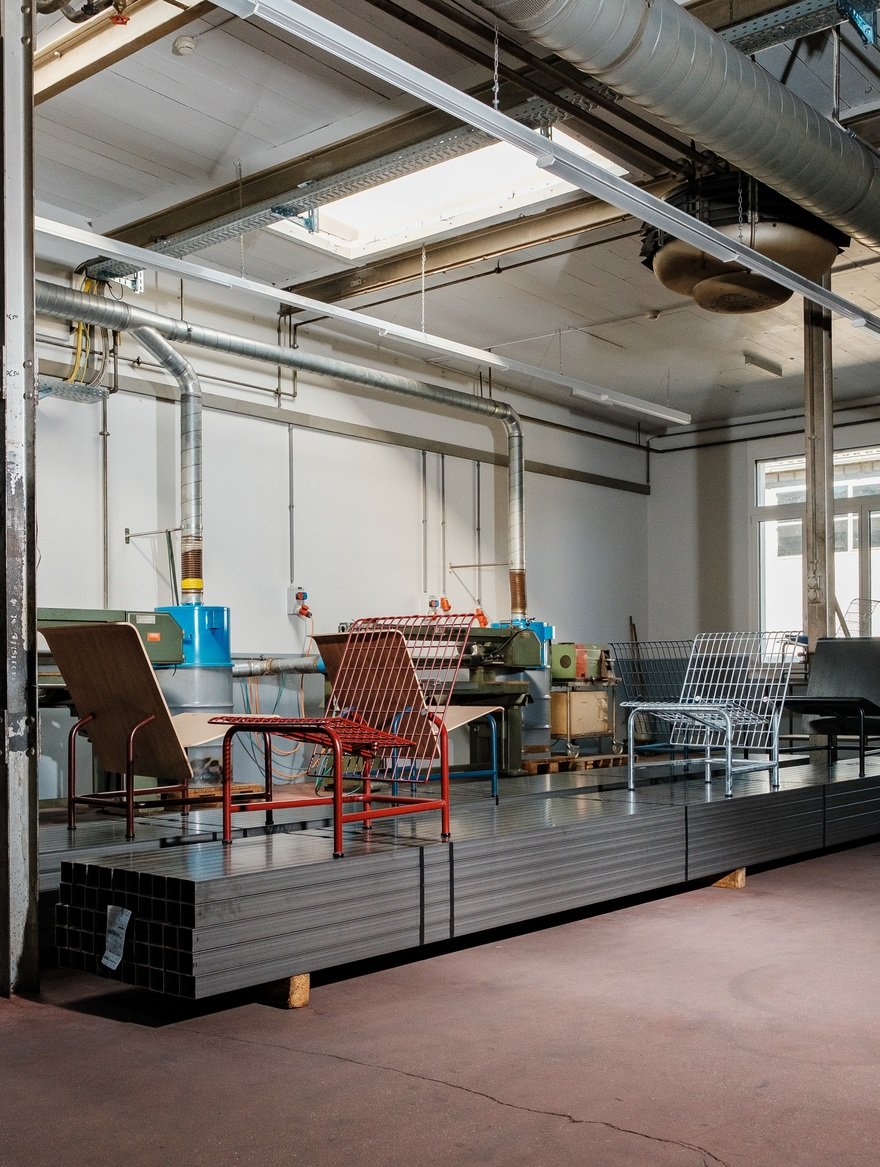
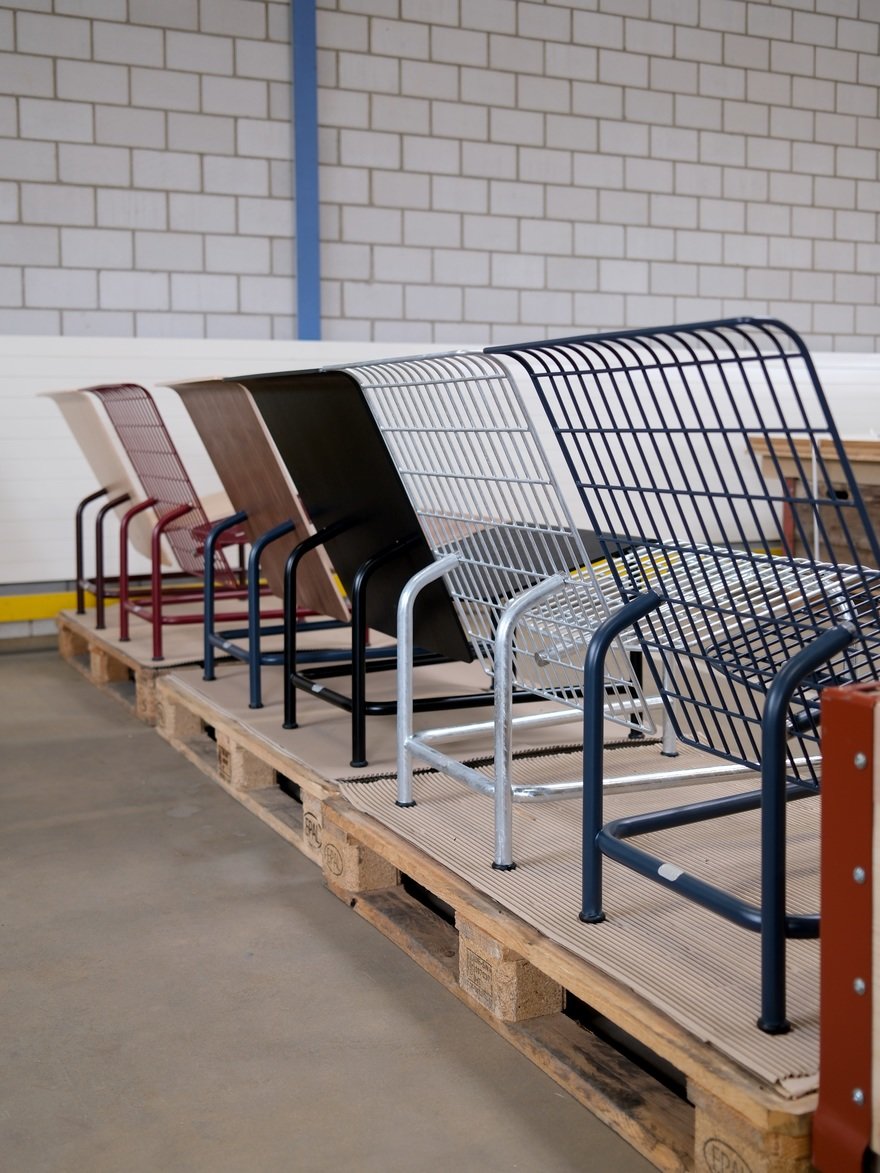
The chair is designed to be a versatile workhorse, particularly suited for contract environments such as cafes, public spaces, and corporate offices. Its defining feature is a modular construction system that allows for interchangeable seating surfaces. While the wire-grid version serves as the collection’s signature, Embru has confirmed that a plywood-surfaced variant will also be available, providing a warmer, more traditional tactile experience while maintaining the structural integrity of the frame.
Scheduled to enter full-scale production by the end of the year, the Patio Chair represents a significant investment by Embru in the "Design for Repair" philosophy, moving away from the disposable nature of modern furniture and toward a circular, sustainable model.
Chronology of Development
The journey of the Patio Chair reflects a methodical approach typical of Swiss design studios. While the partnership between Moritz Schmid and Embru is not new, the development of this specific project began with a desire to solve a recurring problem in the contract furniture market: the conflict between durability and repairability.
- Early Concept Phase (Q1 2023): Moritz Schmid and the Embru development team began exploring the potential of modular grid structures. The goal was to create a chair that felt "transparent"—both visually light and structurally honest.
- Prototyping (Q3 2023): The design team experimented with various mesh densities. The challenge was to make the grid comfortable enough for prolonged sitting without requiring excessive padding, which would compromise the chair’s industrial aesthetic.
- Refining the Joinery (Q1 2024): A breakthrough occurred when the team developed a proprietary, technically sophisticated interface that allows for the seamless attachment of different seat materials. This was the turning point that allowed the chair to transition from a single-purpose piece to a multi-functional system.
- Teasing and Public Announcement (Q3 2024): Embru began sharing initial imagery, highlighting the chair’s adaptability and the "Design for Repair" ethos.
- Full Production Target (Q4 2024): Embru has committed to having the chair in full production by the close of the calendar year, with distribution plans targeting the European contract market.
Supporting Data: Why "Design for Repair" Matters
The design philosophy behind the Patio Chair is rooted in the "Design for Repair" movement, a critical component of modern sustainable manufacturing. According to industry data, furniture waste contributes significantly to landfill accumulation in Europe. By creating a chair where the individual components—the frame, the seat, and the connectors—can be easily disassembled and replaced, Embru is effectively extending the product’s lifespan indefinitely.
The technical specifications of the chair emphasize this flexibility:
- Modularity: The chassis is designed as a universal skeleton. Whether the user opts for the steel grid or the plywood seat, the base remains constant.
- Resource Efficiency: Because components are replaceable, the owner does not need to discard the entire chair if one part suffers damage. This reduces the carbon footprint associated with manufacturing and logistics.
- Contract-Grade Durability: The grid structure provides exceptional structural rigidity. In high-traffic environments, this translates to less maintenance and fewer replacements over a ten-year period.
Schmid’s work is characterized by this intersection of longevity and visual simplicity. By making the "bones" of the chair the star of the show, he ensures that the product remains relevant regardless of changing interior design trends.
Official Responses and Design Rationale
Embru’s official statement on the project emphasizes that the chair is more than just a stylistic experiment; it is a solution for the modern, fast-paced contract environment.
"The design is based on a modular construction and features a specially developed, technically sophisticated solution for accommodating different seating surfaces," an Embru representative noted. "This principle follows the ‘Design for Repair’ approach and offers a high degree of flexibility, particularly in contract settings. Individual components can be easily replaced or repaired as needed, thus extending the product’s lifespan and conserving resources."
Moritz Schmid himself has historically been a proponent of "less but better" design. In previous interviews, Schmid has expressed that his goal is to strip away the unnecessary, leaving only what is required for the object to perform its function. In the case of the Patio Chair, the "shopping cart" aesthetic serves as a testament to this philosophy. It is a shape that the public intuitively understands, yet when rendered in high-quality materials and paired with sophisticated manufacturing, it transcends its humble origins.
Implications for the Furniture Industry
The release of the Patio Chair by Embru and Moritz Schmid serves as a bellwether for the furniture industry at large. As sustainability regulations become more stringent in the European Union, companies are under pressure to prove that their products are not just "green" in terms of materials, but also in terms of lifespan.
The Return of Industrial Aesthetic
The success of this chair suggests a broader trend: the elevation of the "utility aesthetic." As consumers grow weary of overly ornate or mass-produced, low-quality furniture, there is a clear shift toward designs that celebrate raw materials. The industrial look—steel, wire, and unfinished wood—is moving from the warehouse to the high-end office and the domestic patio.
The Modularity Mandate
Furthermore, the Patio Chair sets a new standard for modularity. By making the seating surface a variable component, Embru is allowing interior designers to customize the chair for specific projects without having to buy entirely different product lines. This is a massive advantage in the contract market, where budget and utility are just as important as aesthetics.
A Blueprint for Sustainability
Finally, the project serves as a practical blueprint for how legacy brands can innovate without losing their identity. Embru, known for its history of producing high-quality metal furniture, has successfully updated its image by leaning into the very technology that defined its past. The Patio Chair is a clear indication that the future of furniture design lies in the ability to marry the past—durable, reliable, metal-based construction—with the future: a circular economy where products are designed to live, not just to be sold.
Conclusion
The Patio Chair by Moritz Schmid is a masterclass in restrained industrial design. By taking an aesthetic usually reserved for the supermarket aisle and refining it into a sophisticated, modular seating system, Schmid has created something that is both intellectually satisfying and physically comfortable.
As the production date approaches, the design community remains eager to see how the market receives the chair. However, if the initial reception is any indication, Embru has successfully hit the sweet spot between utility, sustainability, and high design. In an era of disposable goods, this chair stands as a reminder that the most beautiful designs are often the ones that can withstand the test of time, use, and repair.
With more details regarding specific colorways, price points, and international availability expected in the coming months, the Patio Chair is poised to become a staple of modern interior design—a triumph of logic, modularity, and the quiet, enduring beauty of the wire grid.
About the Author