COPENHAGEN, Denmark – In a significant leap towards a more circular economy, Antalis, a leading distributor of paper, packaging, and visual communication solutions, has officially launched its innovative Refit paper series. This groundbreaking collection transforms textile waste, typically destined for landfills or low-value applications like insulation, into high-quality, aesthetically rich graphic papers. The Refit series, featuring distinct variants made from wool, cotton, and denim fibers, represents a powerful fusion of sustainability and sophisticated design, promising to redefine material possibilities for the print, packaging, and creative industries.
The introduction of Refit marks a pivotal moment, showcasing how discarded fabrics can embark on a new life cycle, far exceeding conventional recycling methods. This initiative aligns perfectly with global calls for responsible consumption and production, offering businesses and designers a tangible way to reduce their environmental footprint while elevating their brand’s tactile and visual appeal.
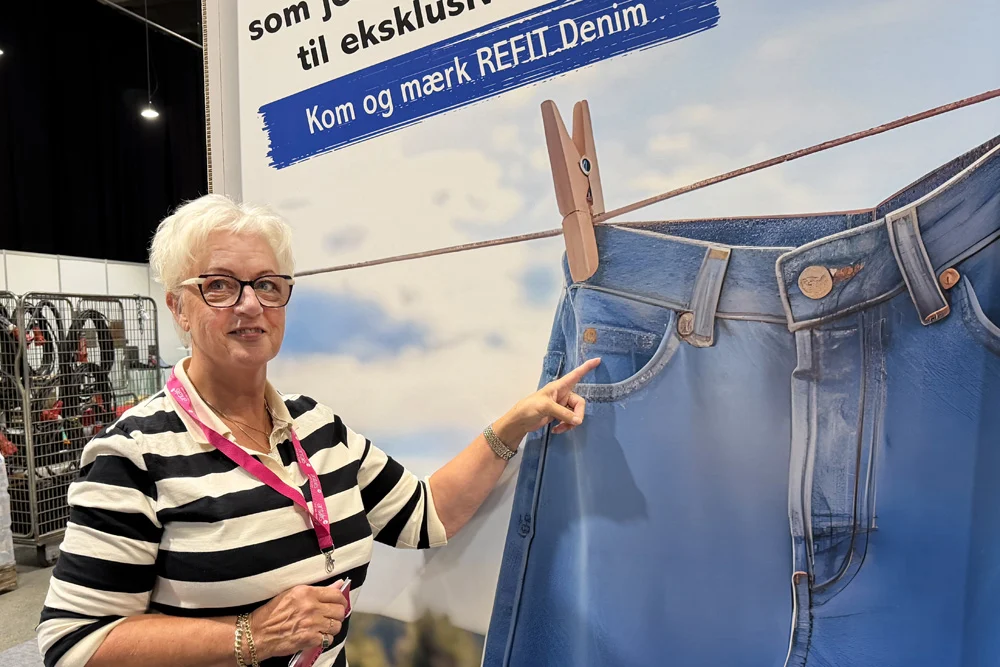
Kit Grønlund, Product Manager for Scandinavia at Antalis, emphasized the unique characteristics of the Refit series. "The series comprises three distinct variants: Wool, Cotton, and Denim, each infused with fibers from discarded textiles," Grønlund explains. "The paper is crafted from a pulp blend consisting of 25% recycled textile fibers from wool, cotton, or denim respectively, 25% recycled paper fibers, and 50% FSC-certified virgin fibers. The result is a paper quality that offers a remarkably different tactile experience compared to traditional graphic papers. The incorporated textile fibers imbue the surface with character, structure, and an exclusive expression that can both be seen and felt."
Beyond its innovative composition, the Refit series boasts Global Recycled Standard (GRS) certification, a credential primarily recognized within the textile industry. This certification rigorously verifies the content of recycled materials and imposes stringent requirements for traceability and responsible production practices, underscoring Refit’s commitment to verifiable sustainability. The series is poised to make its public debut at the upcoming Sign Print & Pack exhibition, where visitors will have the opportunity to experience these unique paper qualities firsthand.
The Genesis of an Innovation: Addressing Textile Waste
The journey of the Refit series began with a recognition of a pervasive global challenge: the escalating crisis of textile waste. For decades, the fashion and textile industries have operated largely within a linear "take-make-dispose" model, leading to an enormous accumulation of post-consumer and post-industrial textile waste. According to various environmental agencies, millions of tons of textiles are discarded annually, with a significant portion ending up in landfills, where they can take hundreds of years to decompose, releasing harmful greenhouse gases and leachates into the environment. Even when recycled, much of this waste is downcycled into less valuable materials like insulation or stuffing, rather than being reintegrated into high-value products.
The Global Textile Waste Challenge
The statistics surrounding textile waste are stark. The Ellen MacArthur Foundation estimates that less than 1% of material used to produce clothing is recycled into new clothing, representing a loss of more than $100 billion worth of materials annually. This issue is compounded by the increasing speed of fashion cycles and consumer demand, leading to an ever-growing mountain of discarded garments and fabrics. The environmental repercussions are far-reaching, encompassing excessive water consumption in cultivation (especially cotton), chemical pollution from dyeing and finishing processes, and microplastic shedding from synthetic fibers.
Against this backdrop, the concept of Refit emerged not merely as a product idea, but as a potential solution to divert a portion of this waste stream into a productive, aesthetically pleasing, and high-value application. The ambition was to create a material that not only utilized recycled content but also celebrated its origins, allowing the unique characteristics of the source textiles to shine through.
Pioneering Material Science
The development of Refit was a testament to pioneering material science and a collaborative spirit. It involved extensive research and development to understand how textile fibers – inherently different from wood pulp fibers in length, strength, and texture – could be successfully integrated into the paper-making process. The challenge lay in creating a stable, printable, and durable paper while retaining the distinctive haptic and visual qualities imparted by the textile component.
This involved experimenting with various textile sources, processing methods to prepare the fibers for papermaking, and innovative blending techniques. The decision to incorporate specific percentages (25% recycled textile, 25% recycled paper, 50% FSC virgin) was a careful balance struck between maximizing recycled content, ensuring optimal paper performance for a wide range of applications, and maintaining a consistent, high-quality product. The virgin FSC-certified fibers provide the necessary structural integrity and printability, while the recycled components deliver the sustainability credentials and unique aesthetic. This sophisticated blend ensures that Refit papers are not just environmentally friendly, but also meet the rigorous demands of professional printing and design.
Unveiling Refit: Composition and Craftsmanship
The Refit series stands as a testament to thoughtful design and advanced material engineering. Its composition is meticulously balanced to achieve both environmental integrity and superior performance.
A Unique Blend of Fibers
The core of Refit’s innovation lies in its unique fiber blend:
- 25% Recycled Textile Fibers: Sourced from post-consumer or post-industrial wool, cotton, or denim, these fibers are carefully processed to remove impurities and prepare them for integration into the paper pulp. This percentage is significant, as it provides enough textile content to impart the desired tactile and visual characteristics without compromising the paper’s structural integrity or printability.
- 25% Recycled Paper Fibers: This component further enhances the circularity of the product, utilizing pre- and post-consumer paper waste. It contributes to the overall recycled content and helps in creating a consistent paper structure.
- 50% FSC-Certified Virgin Fibers: The inclusion of virgin fibers, sourced from sustainably managed forests certified by the Forest Stewardship Council (FSC), is crucial. These fibers provide the strength, consistency, and archival properties necessary for a premium graphic paper. They also ensure that the paper meets stringent quality standards for various printing techniques and end-use applications.
This specific blend is a masterstroke, allowing Refit to achieve high recycled content while maintaining the performance attributes expected of a high-end paper. It’s a pragmatic approach to sustainability, recognizing that a complete reliance on recycled textiles might currently pose challenges for widespread applicability in the demanding graphic arts sector.
The Tactile Revolution: Wool, Cotton, and Denim
The true magic of Refit lies in the distinct character each textile variant brings to the paper. Kit Grønlund’s observation about the "markedly different tactile experience" is central to its appeal.
- Refit Wool: Infused with recycled wool fibers, this variant offers a subtle, soft, and warm texture reminiscent of fine fabric. It might exhibit a slight fuzziness or a more pronounced fibrous feel, providing an immediate sense of luxury and natural comfort. Applications could include high-end invitations, luxury brand packaging, premium book covers, or stationery where a sophisticated, understated elegance is desired.
- Refit Cotton: With recycled cotton fibers, this paper evokes the crisp, clean feel of a high-quality cotton fabric. It might possess a slightly firmer, yet still soft, touch with visible fine fibers that give it an organic, handcrafted appearance. This variant would be ideal for fashion lookbooks, artisanal product labels, elegant business cards, or any project requiring a fresh, natural, and refined aesthetic.
- Refit Denim: Perhaps the most visually striking, Refit Denim incorporates recycled denim fibers, which can impart a distinctive, slightly rugged texture and potentially subtle color variations characteristic of blue jeans. This variant speaks to authenticity, durability, and a contemporary, urban style. It’s perfectly suited for branding related to streetwear, casual wear, craft beverages, or any design seeking a raw, edgy, and unconventional appeal.
These unique textures and visual cues transform paper from a mere substrate into a key design element. They offer designers and brands an unparalleled opportunity to engage consumers through touch and sight, creating a more memorable and immersive brand experience. In an increasingly digital world, the ability of a physical product to convey quality, authenticity, and sustainability through its material feel becomes an even more powerful differentiator.
A Mark of Trust: GRS Certification
The integrity of Refit’s sustainability claims is robustly supported by its Global Recycled Standard (GRS) certification. This is not a common certification for paper products, typically being associated with the textile industry, which further highlights Refit’s pioneering nature.
Beyond Recycled Content: Traceability and Responsibility
GRS is an international, voluntary, full product standard that sets requirements for third-party certification of recycled content, chain of custody, social and environmental practices, and chemical restrictions. For Refit, this means:
- Verified Recycled Content: The certification guarantees that the declared percentage of recycled textile and paper fibers is accurately reflected in the final product. This provides transparency and builds trust with end-users.
- Chain of Custody: GRS ensures that the recycled materials are tracked from the recycling stage all the way to the final product. This traceability is crucial for preventing fraud and ensuring that the materials truly come from post-consumer or post-industrial waste streams.
- Social and Environmental Practices: Beyond just material content, GRS also mandates adherence to strict social and environmental criteria throughout the production process. This includes requirements for fair labor practices, health and safety, water and energy management, and wastewater treatment. This holistic approach ensures that the production of Refit is not only environmentally sound but also socially responsible.
- Chemical Restrictions: GRS limits the use of harmful chemicals in the processing of recycled materials, further enhancing the product’s environmental profile and safety.
By securing GRS certification, Refit provides an unparalleled level of assurance to brands and consumers. It moves beyond simple "greenwashing" claims to offer verifiable proof of its sustainable credentials, making it an attractive choice for companies committed to ethical sourcing and transparent supply chains. It also empowers designers to confidently specify a material that aligns with their clients’ sustainability goals and corporate social responsibility initiatives.
Antalis’ Vision and Market Introduction
Antalis, with its extensive network and deep understanding of the market, is strategically positioned to bring Refit to the forefront of the design and print industries. The company’s commitment to innovation and sustainability is clearly embodied in this new series.
Kit Grønlund on Refit’s Potential
Kit Grønlund’s enthusiasm for Refit is palpable and rooted in a clear understanding of market needs. Her role as Product Manager for Scandinavia provides her with unique insights into regional demands for innovative and sustainable materials. "Visitors to the Sign Print & Pack exhibition will have the opportunity to experience these three paper qualities up close and form an impression of their special properties," Grønlund states. "Here, one can feel the differences between Wool, Cotton, and Denim and see how textile fibers can contribute to new possibilities within exclusive print, packaging, and design production."
Grønlund envisions Refit as more than just a paper; it’s a tool for creative expression and a statement of brand values. She anticipates that designers will be inspired by its unique textures to craft standout pieces for luxury goods, fashion brands, artisanal products, and corporate communications that seek to convey a strong commitment to sustainability and sophisticated aesthetics. The ability to choose a paper that literally embodies a material’s past life offers a compelling narrative for brands looking to connect with eco-conscious consumers. Antalis’ role is not just distribution, but also education, helping the industry understand the potential of these new materials.
Showcasing Innovation at Sign Print & Pack
The Sign Print & Pack exhibition serves as the ideal platform for the official launch and demonstration of the Refit series. Industry events like this are crucial for material innovations, as they provide a direct, tactile experience that digital presentations cannot replicate. Attendees, including graphic designers, printers, packaging specialists, brand managers, and sustainability officers, will have the invaluable opportunity to:
- Feel the Difference: The haptic quality of Refit is its defining feature. At the exhibition, visitors can directly compare the textures of Wool, Cotton, and Denim, understanding how each variant interacts with light and touch.
- Visualize Applications: Samples and mock-ups showcasing Refit in various applications – from luxury boxes and brochures to unique stationery and swing tags – will inspire creative possibilities.
- Engage with Experts: Antalis representatives, including Kit Grønlund, will be on hand to discuss the technical specifications, sustainability credentials, and potential applications of the Refit series, answering questions and fostering dialogue.
- Network and Collaborate: The exhibition fosters collaboration, allowing designers to connect with printers capable of working with these unique substrates, and brands to identify new material solutions for their products.
The choice of Sign Print & Pack underscores Refit’s relevance across multiple sectors, from visual communications to sophisticated packaging. It’s a strategic move to ensure that this innovative material reaches the hands and minds of the professionals who will ultimately transform it into impactful products.
Broader Implications for a Circular Economy
The Refit series transcends the boundaries of a mere product launch; it signifies a significant paradigm shift in how industries perceive and utilize waste materials. It’s a powerful illustration of the principles of the circular economy in action.
Redefining Value Chains
Traditionally, textile waste has been at the very end of a linear value chain, with limited options for re-entry into high-value products. Refit challenges this by demonstrating that discarded textiles can be integrated into entirely new value chains, specifically within the paper and print industry. This creates a symbiotic relationship between sectors that were previously distinct, fostering cross-industry innovation.
By diverting textile waste from landfills, Refit contributes to:
- Resource Conservation: Reducing the demand for virgin materials, both wood pulp and other fibers.
- Waste Reduction: Directly mitigating the environmental burden of textile disposal.
- Reduced Environmental Impact: Potentially lowering the carbon footprint associated with both textile production and waste management.
This model of inter-industry material transfer is a cornerstone of the circular economy, where waste from one industry becomes a valuable input for another, maximizing resource utility and minimizing environmental harm.
Driving Sustainable Design and Branding
For designers and brands, Refit offers a compelling narrative of sustainability that is both tangible and aesthetically appealing. In an era where consumers are increasingly demanding transparency and ethical practices from companies, using materials like Refit can significantly enhance a brand’s image and storytelling.
- Authenticity and Storytelling: Brands can communicate their commitment to the environment not just through words, but through the very fabric of their packaging and printed materials. The visible and tactile presence of recycled textile fibers tells a story of transformation and responsible resource management.
- Premium Positioning: The unique textures and the GRS certification position Refit as a premium, forward-thinking material. This can help brands differentiate themselves in competitive markets, appealing to discerning consumers who value both luxury and sustainability.
- Creative Freedom: The distinct characteristics of Wool, Cotton, and Denim open up new avenues for creative expression, allowing designers to imbue their projects with a deeper layer of meaning and sensory engagement.
The Future of Materials Innovation
Refit is a vanguard in a broader movement towards materials innovation that seeks to harness waste streams as valuable resources. It paves the way for future developments where other challenging waste materials – from plastics to agricultural byproducts – could be transformed into new, high-performance, and sustainable products.
The success of Refit will undoubtedly inspire further research and investment into circular material solutions, pushing the boundaries of what is possible in manufacturing and design. It underscores the idea that innovation doesn’t always mean creating something entirely new from scratch, but often involves ingeniously repurposing what already exists.
Conclusion
Antalis’ Refit series is more than just a new line of paper; it is a powerful statement about the future of sustainable manufacturing and design. By ingeniously transforming textile waste into a collection of unique, GRS-certified papers, Refit offers the print, packaging, and design industries a compelling opportunity to embrace circular economy principles without compromising on aesthetics or performance.
As Kit Grønlund and the team at Antalis prepare to showcase Refit at the Sign Print & Pack exhibition, the anticipation is high. This pioneering series demonstrates how the paper industry can not only integrate materials from the textile sector into new circular value chains but also create products that boast both significant environmental benefits and unparalleled aesthetic qualities. Refit stands as a beacon of innovation, inspiring a future where waste is not an end, but a new beginning for design and sustainability.
For those interested in experiencing the Refit series firsthand and exploring the future of sustainable materials, tickets to the Sign Print & Pack exhibition can be obtained via https://sipp.dk/.
About the Author