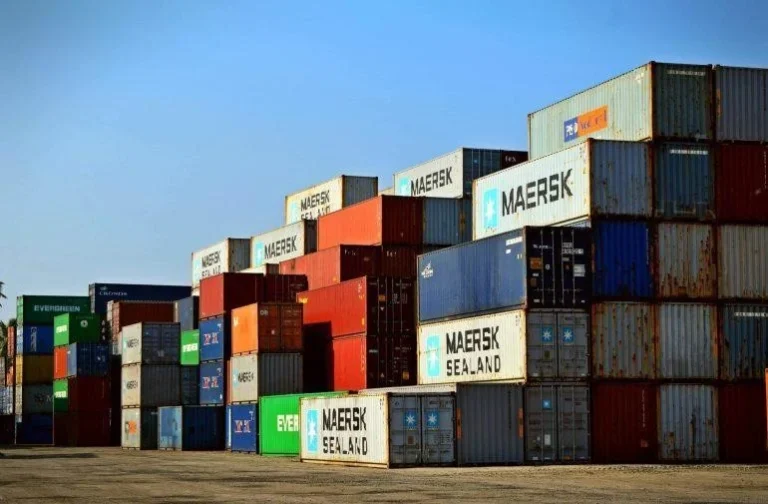
The global supply chain, often characterized by its fragility and susceptibility to geopolitical tremors, is currently witnessing an anomaly that has defied the prognostications of industry analysts. According to the latest Global Port Tracker report—a collaborative analysis between the National Retail Federation (NRF) and Hackett Associates released on September 9—the ocean freight "peak season" is not merely lingering; it is surging.
Initial projections for 2026 suggested a front-loaded season, with importers rushing to secure goods early to avoid potential disruptions. However, current data suggests that September is poised to become the busiest import month of the year for major U.S. ports. This deviation from the expected cooling-off period highlights a complex interplay of resilient consumer demand, climate-related logistical adjustments, and the sheer unpredictability of modern global trade.
The Chronology of an Extended Peak
To understand the current state of maritime logistics, one must look at the shifting timelines of the last quarter.
Early Summer Shifts (June–July)
Earlier in the summer, the industry observed unusual volume patterns. Jonathan Gold, the NRF’s vice president for supply chain and customs policy, pointed to two primary drivers for these early shifts: climate-induced infrastructure challenges and natural disasters. Severe typhoons in China disrupted manufacturing hubs and port operations, forcing a temporary bottleneck that eventually surged into U.S. ports. Simultaneously, shippers continued to reroute vessels away from the Panama Canal, where ongoing drought concerns have restricted transit capacity, forcing cargo toward alternative—and often longer—Pacific routes.
The Mid-Summer Forecast (August)
As of the August 7 Port Tracker update, analysts were confident that the "frontloading" effect was in full swing. The forecast at that time suggested that while August would see high container import volumes, there would be a steady, predictable decline through the remainder of the year. This sentiment was rooted in the assumption that retailers had already stocked their warehouses for the holiday season to mitigate potential labor unrest or tariff volatility.
The Current Reality (September)
Contrary to the August forecast, the expected decline failed to materialize. Instead, major ports—led by the Port of Los Angeles—experienced an unprecedented volume of activity. Rather than tapering off, the momentum has carried directly into September, forcing shippers and logistics providers to recalibrate their expectations for the final quarter of the year.
Supporting Data: By the Numbers
The statistical breakdown of the current import landscape paints a picture of a sector running at near-maximum capacity.
National Forecasts (TEUs)
- August Projections: The Global Port Tracker projected August volumes at approximately 2.29 million Twenty-Foot Equivalent Units (TEUs), representing a modest 1.3% decline year-over-year.
- September Projections: The outlook for September is significantly more robust, with a forecast of 2.31 million TEUs—a 9.6% surge compared to the same period in 2025.
- October Outlook: While a slight contraction is anticipated for October, with a projected drop of 1.7% to 2.11 million TEUs, the overall volume remains elevated relative to historical norms.
The Los Angeles Benchmark
The Port of Los Angeles serves as a critical bellwether for the health of U.S. imports. In a press release dated September 9, the port confirmed it processed 955,907 TEUs in August alone. This figure is not only 6% above the five-year average for the month but also marks the conclusion of the busiest three-month stretch in the port’s history.
Official Perspectives: Navigating the Surge
The leaders of the supply chain industry remain cautious yet optimistic, balancing the realities of increased volumes against the inherent risks of a volatile global market.
Jonathan Gold: The NRF Viewpoint
Jonathan Gold has been instrumental in articulating the "surprising" nature of this year’s peak. He noted that the industry had braced for a finish to the peak season by early September, only to find the pipeline still brimming with goods. "The volume shifts we saw earlier in the summer were just the beginning," Gold stated, highlighting that the interplay between environmental factors and consumer appetite has created a unique logistics environment.
Ben Hackett: The Analyst’s Insight
Ben Hackett, founder of Hackett Associates, emphasizes the resilience of the market. Despite a "perfect storm" of geopolitical conflicts, evolving tariff policies, and the persistent pressures of inflation and fuel costs, imports have remained remarkably buoyant.
"Retail sales remain strong," Hackett observed. However, he cautioned that this volume comes at a cost. While cargo is moving, the efficiency of the supply chain is being tested. Reports of vessel delays and increased dwell times—the time it takes for cargo to move from the vessel to inland transport—are becoming more frequent, suggesting that while the system is functioning, it is doing so under considerable strain.
Gene Seroka: The Port Authority Perspective
Gene Seroka, Executive Director of the Port of Los Angeles, describes the summer as "exceptionally strong." According to Seroka, the surge is driven by three main factors:
- Resilient Consumer Demand: Despite inflation, American consumers continue to spend on retail goods.
- Early Holiday Shipments: Retailers are pulling forward inventory to ensure shelves are stocked well before the peak shopping season.
- Broad Cargo Mix: The diversity of goods entering the port indicates a healthy, multi-sector economic performance.
Interestingly, Seroka offers a slightly different timeline than his counterparts. While the peak season has historically stretched into early November, Seroka anticipates a swifter conclusion this year, predicting that the current intensity will taper off by the end of September.
Implications for the Supply Chain
The extended peak season has significant ripple effects that will be felt by businesses, logistics providers, and consumers alike.
1. Operational Strains and Bottlenecks
The continued volume influx is testing the limits of port infrastructure. Increased dwell times suggest that chassis availability, drayage capacity, and warehouse space are reaching a saturation point. When ports operate at these high volumes, the risk of "cascading delays"—where a delay in one port affects rail and trucking networks thousands of miles inland—increases exponentially.
2. Inflationary Pressures on Logistics
Fuel prices, while fluctuating, remain a major concern. When combined with the operational inefficiencies caused by vessel bunching and port congestion, the cost of moving a container remains elevated. These costs are eventually passed down the supply chain, potentially offsetting the deflationary gains businesses have worked hard to achieve.
3. Inventory Management Strategy
For retailers, the decision to frontload inventory was a defensive play against uncertainty. However, the extension of the peak season suggests that the strategy of "just-in-case" inventory management—as opposed to the traditional "just-in-time" model—has become the new industry standard. Businesses are holding more inventory for longer periods, which increases carrying costs but provides a buffer against the unpredictability of global trade routes.
4. The Geopolitical Factor
The mention of "changing tariff policies" by analysts like Ben Hackett is a clear nod to the broader political climate. As global powers navigate trade wars and diplomatic friction, shippers are increasingly looking to diversify their manufacturing bases. The movement away from the Panama Canal due to drought is not just a climate issue; it is a signal that shippers are willing to pay for route flexibility to ensure delivery, even if it means longer transit times and higher fuel consumption.
Conclusion: A New Normal?
As we move toward the final quarter of 2026, the maritime industry stands at a crossroads. The data provided by the Global Port Tracker and the anecdotal evidence from ports like Los Angeles suggest that the traditional seasonal rhythms of international trade are undergoing a permanent shift.
The "peak season" is no longer a defined window; it is becoming a state of near-constant, high-volume operation. While this indicates robust consumer demand and a resilient economy, it also necessitates a more agile, technologically advanced, and infrastructure-heavy approach to global logistics.
As Gene Seroka noted, the "good momentum" heading into the final months of the year is a positive sign for the economy, but it also serves as a warning. The supply chain has proven its ability to handle the unexpected, but the margin for error is shrinking. For stakeholders across the board, the focus must now shift from simply managing the current peak to building a more durable, flexible, and sustainable infrastructure capable of withstanding the inevitable disruptions of the future. The message from the ports is clear: the pace of global trade is accelerating, and the supply chain must evolve in lockstep to keep up.
About the Author