The landscape of corporate climate responsibility is undergoing a seismic shift. Verra, the world’s most influential issuer of voluntary carbon market credits, has officially announced its entry into the "Scope 3" arena. By launching a dedicated registry for Scope 3 Units—also known as environmental attribute certificates (EACs)—Verra is attempting to solve the single most complex puzzle in the net-zero transition: how companies can credibly claim emissions reductions within their sprawling, global supply chains.
This move marks a transition from traditional carbon offsetting toward a more integrated "insetting" approach, where investments are funneled directly into the sectors and regions where a company’s indirect emissions occur. As the nonprofit gears up for a full-scale launch in 2025, the global business community is watching closely to see if this new financial instrument can unlock the trillions of dollars needed to decarbonize the global economy.
Main Facts: A New Mechanism for Supply Chain Decarbonization
Verra’s announcement centers on the creation of a specialized registry for Scope 3 Units. Unlike traditional carbon credits, which are often used to "offset" a company’s total footprint by funding projects unrelated to their business (such as a tech company buying forest conservation credits in a different hemisphere), Scope 3 Units are designed to represent specific environmental attributes generated within a value chain.
What are Scope 3 Units?
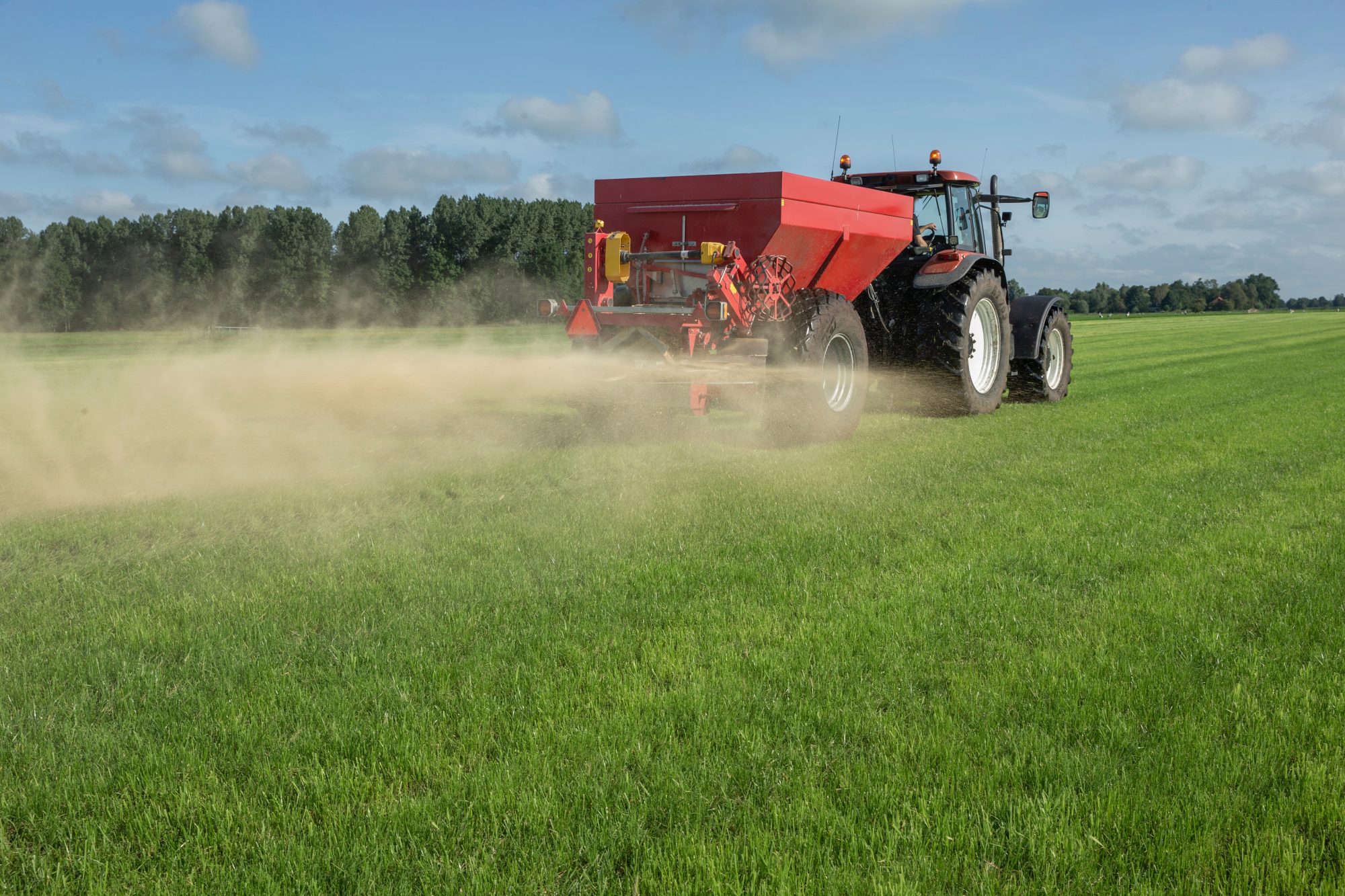
Scope 3 Units, or EACs, act as a bridge. They allow a company to invest in a decarbonization project—such as a low-carbon cement plant or a regenerative agriculture program—and claim the resulting emissions savings against their own Scope 3 inventory. The critical innovation here is the "association test." Traditionally, carbon accounting has required a "direct physical link," meaning a company could only claim a reduction if they could prove the specific low-carbon product reached their factory.
Under Verra’s new framework, companies can meet a less stringent association test. For example, if a multinational food brand purchases wheat from the American Midwest, it can invest in a soil-carbon project in that same region and claim those units, even if the specific bushels of wheat from that farm didn’t end up in their specific boxes of cereal. This flexibility is intended to catalyze investment in high-impact projects that were previously stalled by the logistical impossibility of tracking every molecule through a globalized supply chain.
Scale and Ambition
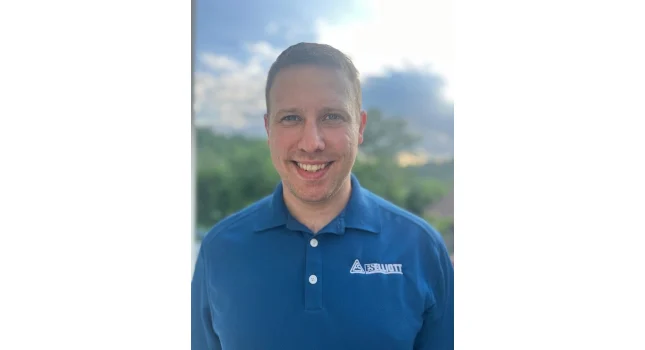
Stefan Jirka, Verra’s Director for Agriculture and Supply Chain Innovation, has laid out an aggressive roadmap. While the registry is currently accepting applications from project developers, the first units are expected to be issued in 2025. Within three years, Verra aims to have "dozens, if not hundreds" of projects active, potentially generating millions of units. This would build upon Verra’s existing infrastructure, which already manages over 2,500 projects under its Verified Carbon Standard (VCS).
Chronology: The Road to Scope 3 Standardization
The path to this week’s announcement has been paved by years of regulatory debate and a growing realization that "Scope 1 and 2" (direct operations and purchased energy) represent only a fraction of the climate problem.
- 2001–2011: The Rise of the GHG Protocol. The Greenhouse Gas Protocol established the three "scopes" of emissions. For over a decade, companies focused almost exclusively on Scopes 1 and 2 because they were easier to measure and control.
- 2015–2021: The Paris Agreement and Net-Zero Pledges. Following the Paris Agreement, thousands of corporations committed to "Net Zero." However, as they began to audit their footprints, they discovered that Scope 3 emissions—those from suppliers and customers—typically account for more than 70% to 90% of their total impact.
- 2023: The Legitimacy Crisis. The voluntary carbon market faced intense scrutiny over the quality and "additionality" of traditional forest offsets. This led to a demand for more rigorous, supply-chain-linked solutions.
- June 2024: The SBTi Pivot. In a watershed moment, the Science Based Targets initiative (SBTi)—the gold standard for corporate climate goals—updated its Corporate Net-Zero Standard. It signaled a new openness to using environmental attribute certificates (EACs) to address Scope 3 emissions, providing the "regulatory" green light the market had been waiting for.
- August 2024: PepsiCo’s Adoption. Buoyed by the SBTi’s shift, PepsiCo announced it would include EACs in its 2025 emissions statements, becoming one of the first major multinationals to publicly embrace this model.
- September 2024: Verra’s Launch. Verra officially opens the application process for Scope 3 Units, providing the technical infrastructure to turn the SBTi’s policy into a functional market.
Supporting Data: The Magnitude of the Scope 3 Challenge
To understand why Verra’s move is so significant, one must look at the sheer scale of Scope 3 emissions. According to data from CDP (formerly the Carbon Disclosure Project), supply chain emissions are, on average, 11.4 times higher than operational emissions.
Sector-Specific Impact
The challenge is particularly acute in "hard-to-abate" sectors. In the food and beverage industry, land use and farming (Scope 3) can account for 90% of a company’s footprint. In the construction industry, the "embodied carbon" in materials like steel and concrete represents a massive Scope 3 hurdle for developers and architects.
Verra’s Starting Line
Verra is not starting from scratch. It is leveraging its existing, peer-reviewed methodologies to kickstart the registry:
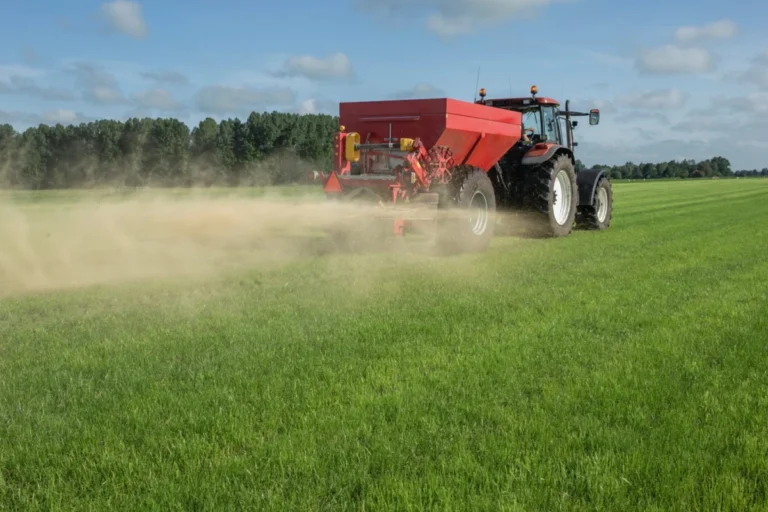
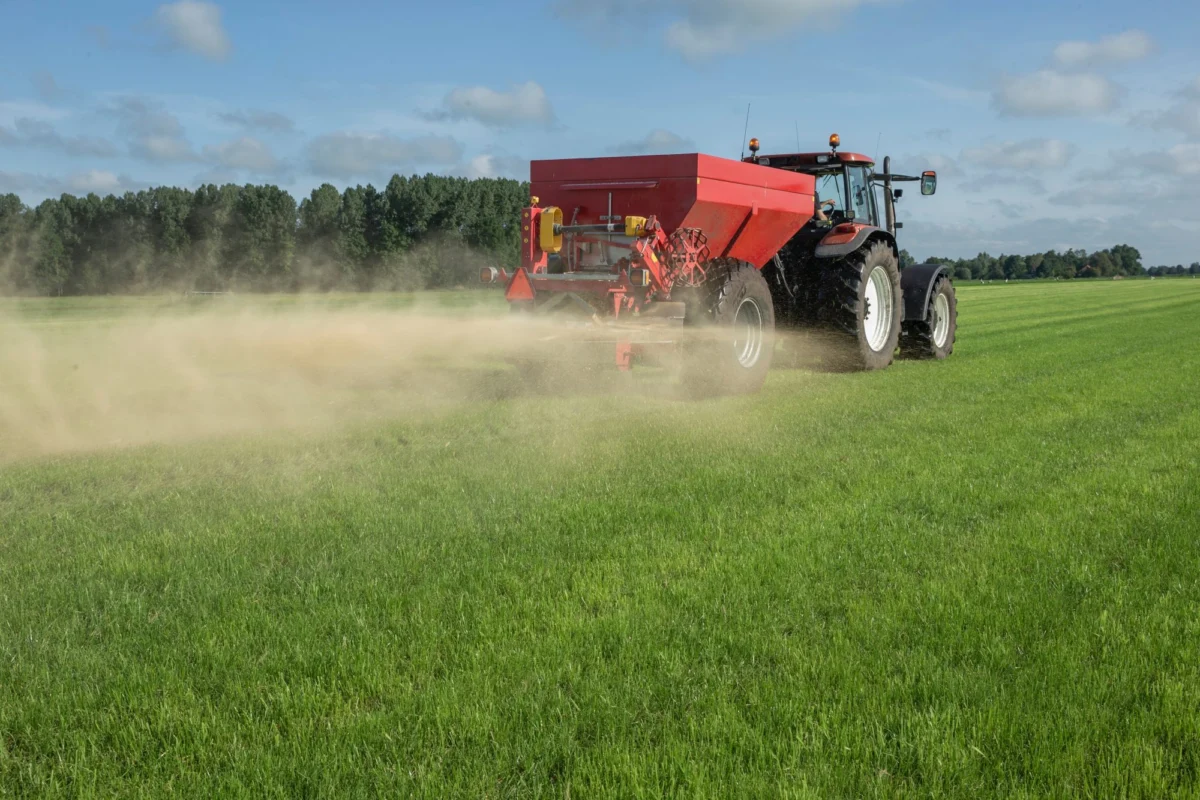
- Agricultural Land Management: Focuses on regenerative practices that sequester carbon in soil.
- Low-Carbon Concrete: Focuses on new chemical formulations and production methods that reduce the carbon intensity of the world’s most used building material.
Future methodologies already in the pipeline include:
- Forestry and Timber: Decarbonizing the wood supply chain.
- Industrial Fuels: Transitioning away from high-carbon heat sources in manufacturing.
- Refrigeration and Superpollutants: Addressing HFCs and other gases with high global warming potential.
Official Responses: Optimism Tempered by Caution
The reaction to Verra’s announcement has been a mix of corporate enthusiasm and cautious observation from market watchdogs.
The Proponent View:
Stefan Jirka of Verra emphasizes that this is about practical progress. "We are providing the tools for companies to finally take responsibility for the emissions they don’t directly control but are responsible for through their purchasing power," Jirka noted. He argues that by allowing for regional association rather than direct batch-tracking, Verra is making decarbonization economically viable for the first time.
The Corporate Early Adopters:
PepsiCo’s recent commitment serves as a primary case study. For a company of its size, tracking every single potato or kernel of corn back to a specific regenerative farm is a logistical nightmare. By using EACs, PepsiCo can fund the transition of the broader agricultural regions it relies on, creating a "tide that lifts all boats" in terms of regional soil health and carbon sequestration.
The Skeptical/Regulatory View:
However, the proliferation of different registries and standards has caused some concern. There is currently no single, unified rulebook for how EACs should be accounted for. While Verra is a giant in the field, other players like Athian (focusing on livestock) and S3 Markets are also carving out niches.
An anonymous participant in ongoing industry discussions noted that while Verra’s entry provides much-needed scale, there is an urgent need for an "overarching set of rules" to prevent "double-counting"—where both the supplier and the buyer claim the same emission reduction.
Implications: The Future of Corporate Environmentalism
Verra’s launch of Scope 3 Units has three major implications for the global economy and the fight against climate change.
1. The Shift from Offsetting to "Insetting"
For years, the voluntary carbon market was criticized for being a "pay to pollute" scheme. Scope 3 Units represent a shift toward "insetting"—investing within the value chain. This ensures that capital stays within the industry, fostering innovation in green cement, sustainable aviation fuel, and regenerative farming. It turns climate action from a philanthropic line item into a core procurement strategy.
2. Democratizing Access for Small Suppliers
One of the greatest barriers to Scope 3 reduction is that small-scale farmers and manufacturers often lack the capital to upgrade to green technologies. By allowing multinational "buyers" to purchase Scope 3 Units, Verra is essentially creating a mechanism for large corporations to subsidize the green transition of their smaller suppliers. This could lead to a massive transfer of climate finance from the Global North’s corporate headquarters to the Global South’s agricultural and industrial hubs.
3. The Risk of "Green-Accounting" Complexity
The primary risk lies in the complexity of the "association test." If the rules are too lax, companies might claim credit for regional improvements they had little to do with. If they are too strict, the market will fail to scale. Verra’s challenge over the next 24 months will be to maintain a high "integrity" threshold—ensuring that every Scope 3 Unit represents a real, additional, and permanent ton of carbon reduced or removed—while keeping the system simple enough for global commerce to adopt.
Conclusion
Verra’s entry into the Scope 3 market is more than just a new product launch; it is an attempt to standardize the way the world’s largest companies interact with their supply chains. If successful, the Scope 3 Unit registry could become the primary engine for industrial decarbonization. By 2027, if Jirka’s "millions of units" come to fruition, the "Environmental Attribute Certificate" may become as common a term in corporate boardrooms as "Return on Investment." For now, the world waits for the first projects to pass Verra’s rigorous vetting process, marking the beginning of a new chapter in the history of carbon markets.
About the Author