In the realm of contemporary industrial design, the dialogue between ancient craft and modern manufacturing is often fraught with friction. Yet, occasionally, a piece emerges that transcends this tension, finding a harmonious intersection where tradition informs innovation rather than constraining it. The "KÅSA" container, the latest masterwork from Japanese/Scandinavian industrial designer Erina Caldeira, is precisely such an object. By distilling the visual language of traditional basketry into the rigid, unforgiving medium of sheet steel, Caldeira has created a functional sculpture that challenges our perception of material permanence and structural integrity.
Main Facts: The Anatomy of KÅSA
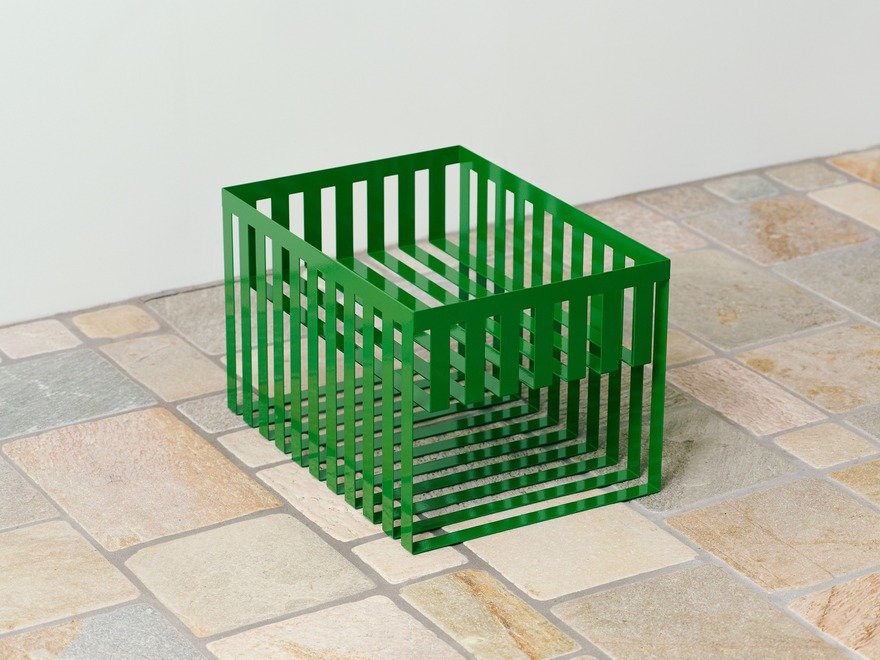
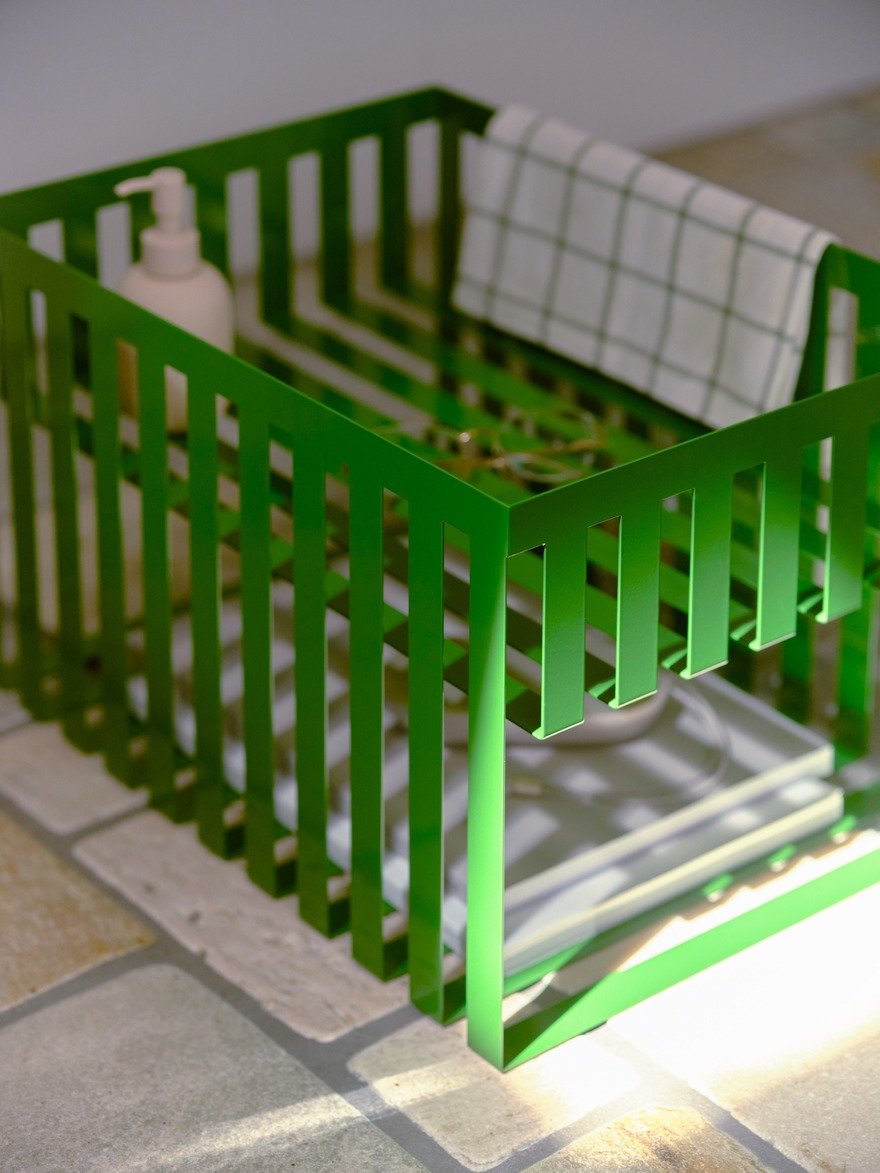
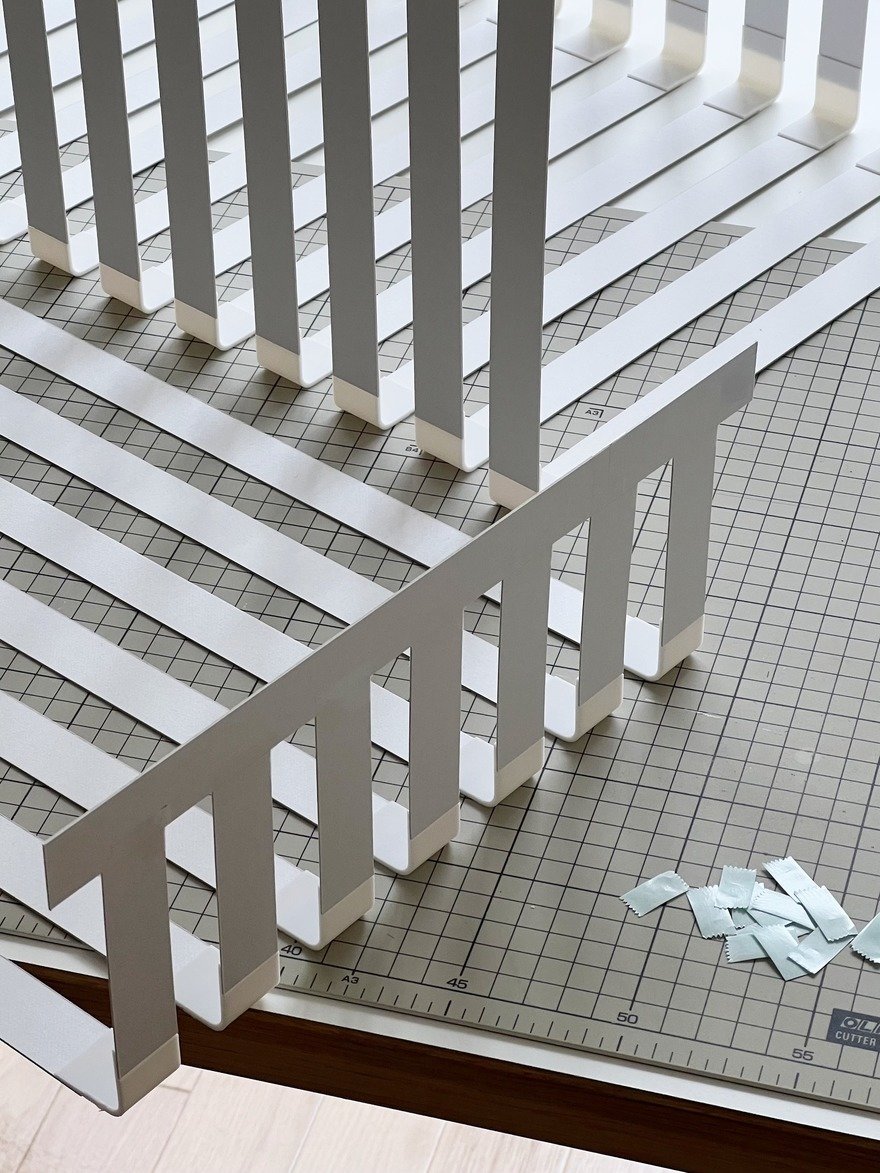
At its core, KÅSA is a testament to the power of deceptive simplicity. To the casual observer, the container appears to be a sophisticated study in basket weaving—a rhythmic, perpendicular intersection of fibers that suggests a handmade, pliable origin. However, a closer inspection reveals a subversion of this expectation. The "strands" that form the lattice of the basket do not actually touch or weave over and under one another in the traditional sense.
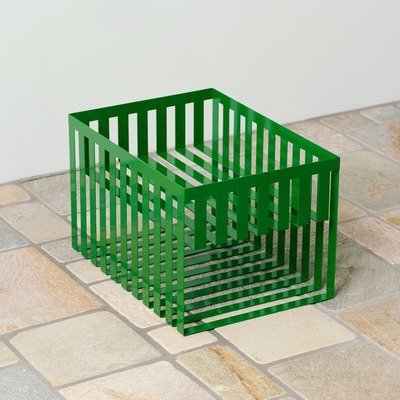
Instead, the structural stability of KÅSA is derived entirely from the properties of its material: thin, high-grade sheet steel. The design relies on two distinct pieces of metal, precision-engineered and seamlessly joined to create a unified silhouette. By stripping away the need for physical interlacing, Caldeira has created a "phantom weave." The piece maintains the aesthetic directionality and rhythmic visual weight of a basket while utilizing the tensile strength of industrial steel. It is a work that occupies the space between the organic, tactile warmth of craft and the clinical, cold precision of mass-produced metalwork.
Chronology: From Concept to Production
The development of KÅSA did not happen in a vacuum; it is the result of a rigorous, iterative process characteristic of Caldeira’s dual-heritage design philosophy.
The Conceptual Phase
The genesis of the project began with an inquiry into the "language of containment." Caldeira sought to explore how we define the boundaries of space. Traditional weaving was the starting point—a method used for millennia to create containers that are inherently lightweight, breathable, and flexible. Her challenge was to translate this flexible, layered logic into a rigid, singular medium.
The Prototyping Phase
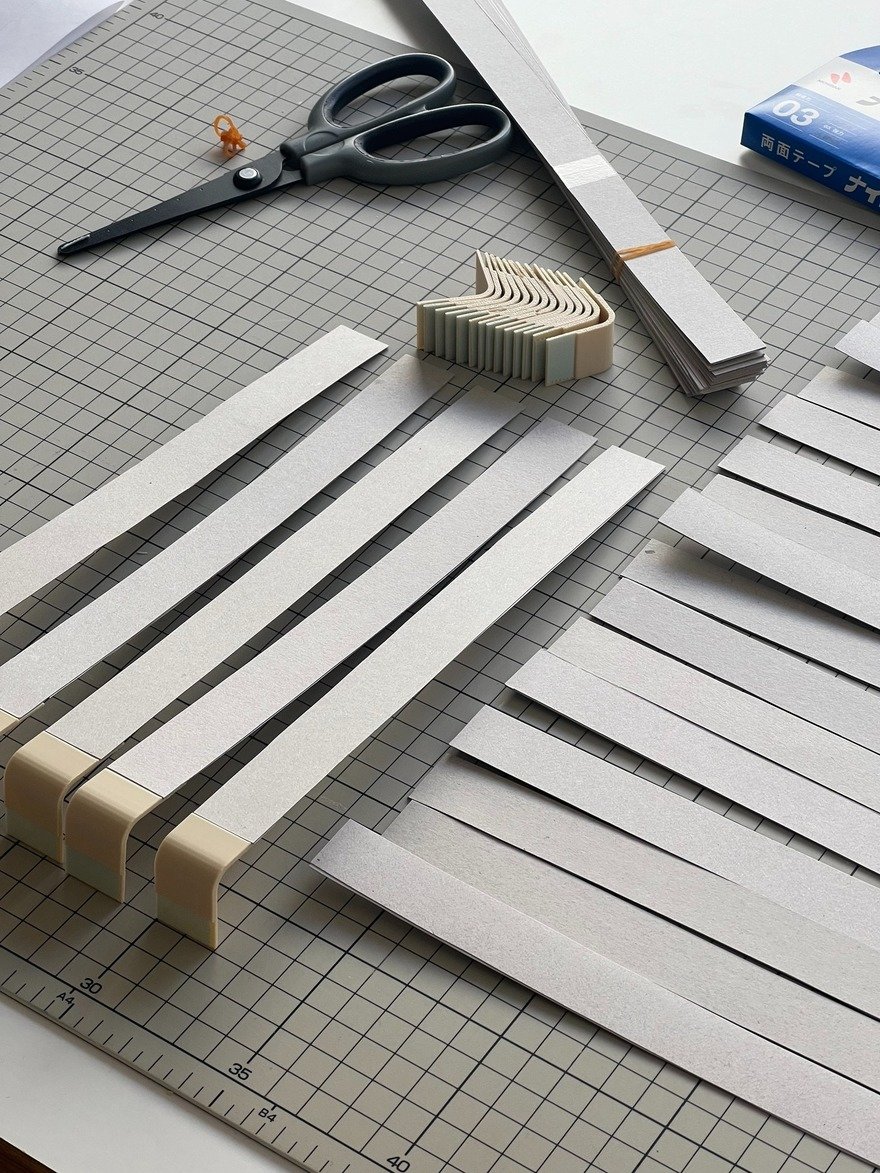
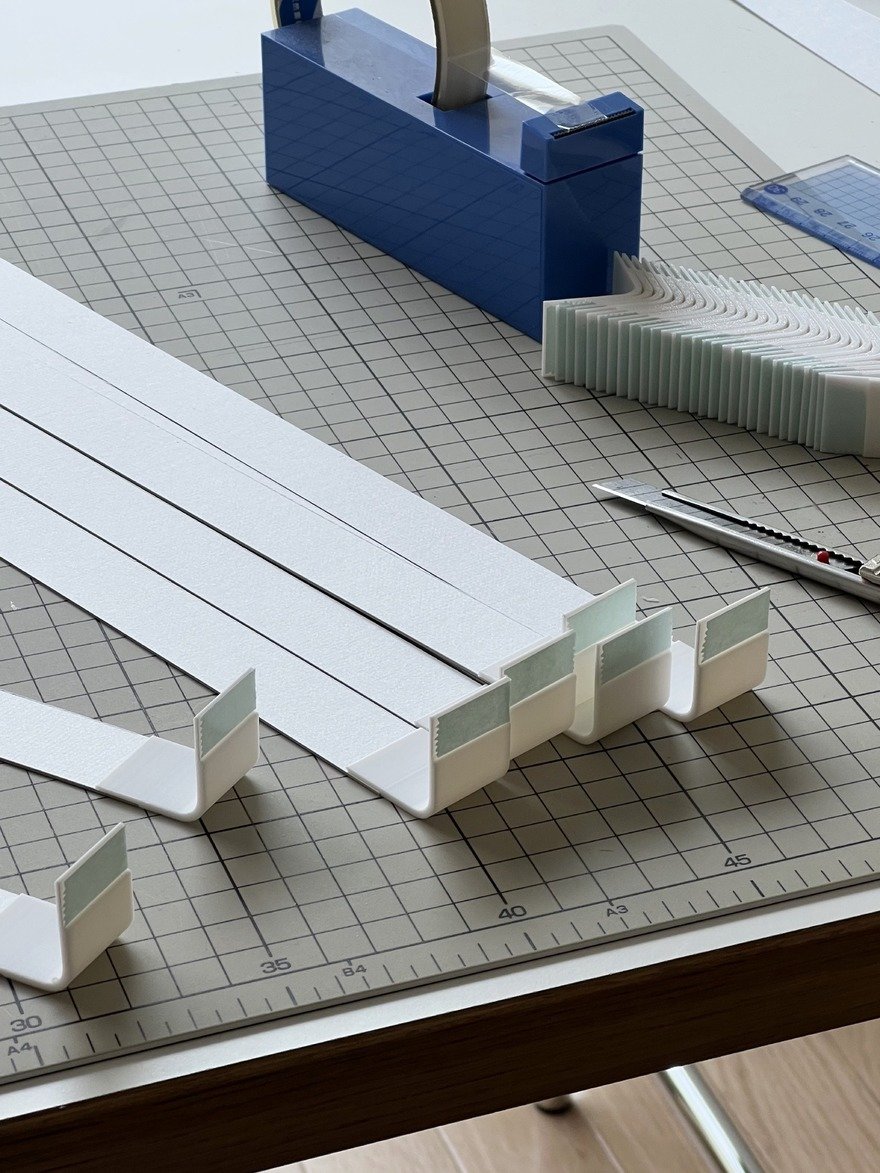
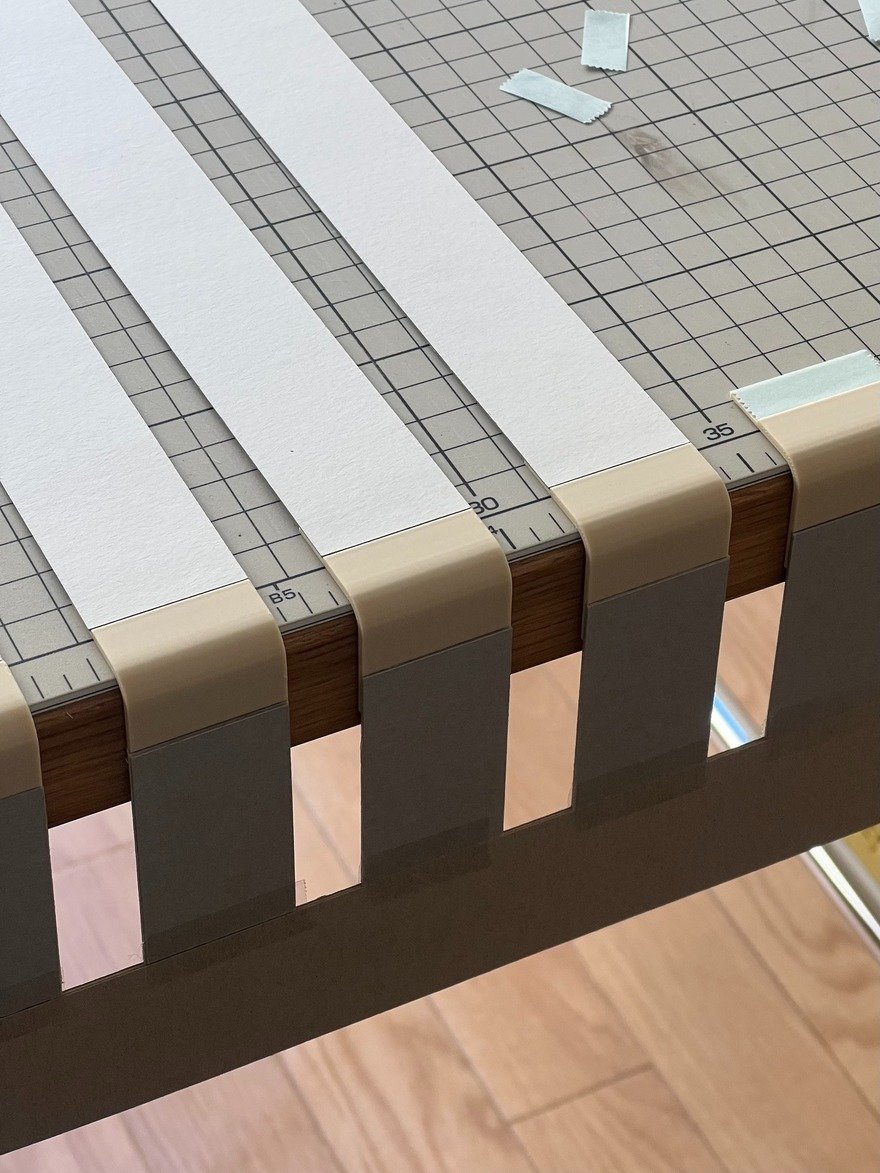
As evidenced by her recent design documentation, the prototyping phase was extensive. Caldeira moved through various iterations, experimenting with the gauge of the steel and the geometry of the "intersections." Early models focused on finding the exact threshold where the steel could mimic the appearance of a woven strip without becoming overly heavy or brittle.
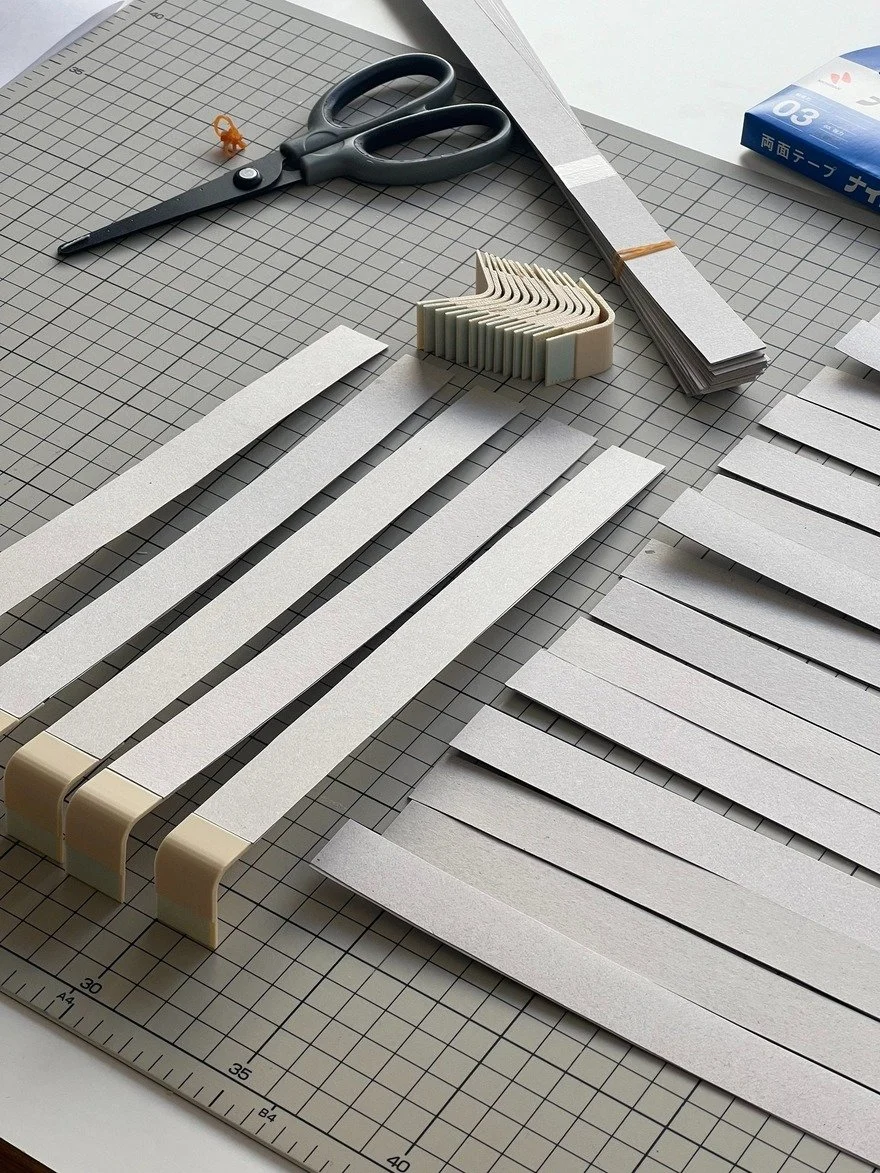
The transition from 2D sketches to 3D models involved a delicate balance of laser-cutting precision and artisanal assembly. The prototyping photos released by her studio showcase the raw, unpolished reality of this evolution: stacks of metal strips, precision-cut templates, and the careful jigs required to hold the components in place during the joining process. This phase was not merely about aesthetic refinement but about solving the engineering puzzle of how to make two thin sheets of steel function as a durable, load-bearing container.
The Production Announcement
Following the successful completion of the prototype, Caldeira confirmed that KÅSA is officially moving into production. While she has remained tight-lipped regarding the specific manufacturing partner, the announcement marks a significant milestone in her career. The public debut of the production-ready model is slated for this month at a highly anticipated pop-up event hosted at the prestigious Matsuya department store in Ginza, Tokyo.
Supporting Data: The Intersection of Heritage and Innovation
To understand the significance of KÅSA, one must look at the convergence of Caldeira’s influences. Being both Japanese and Scandinavian, she occupies a unique vantage point in the global design landscape.
- Japanese Craftsmanship: The influence of Japanese tradition is evident in the respect for negative space (ma) and the emphasis on the "essence" of the material. The KÅSA container avoids ornamentation, allowing the structural logic of the metal to speak for itself.
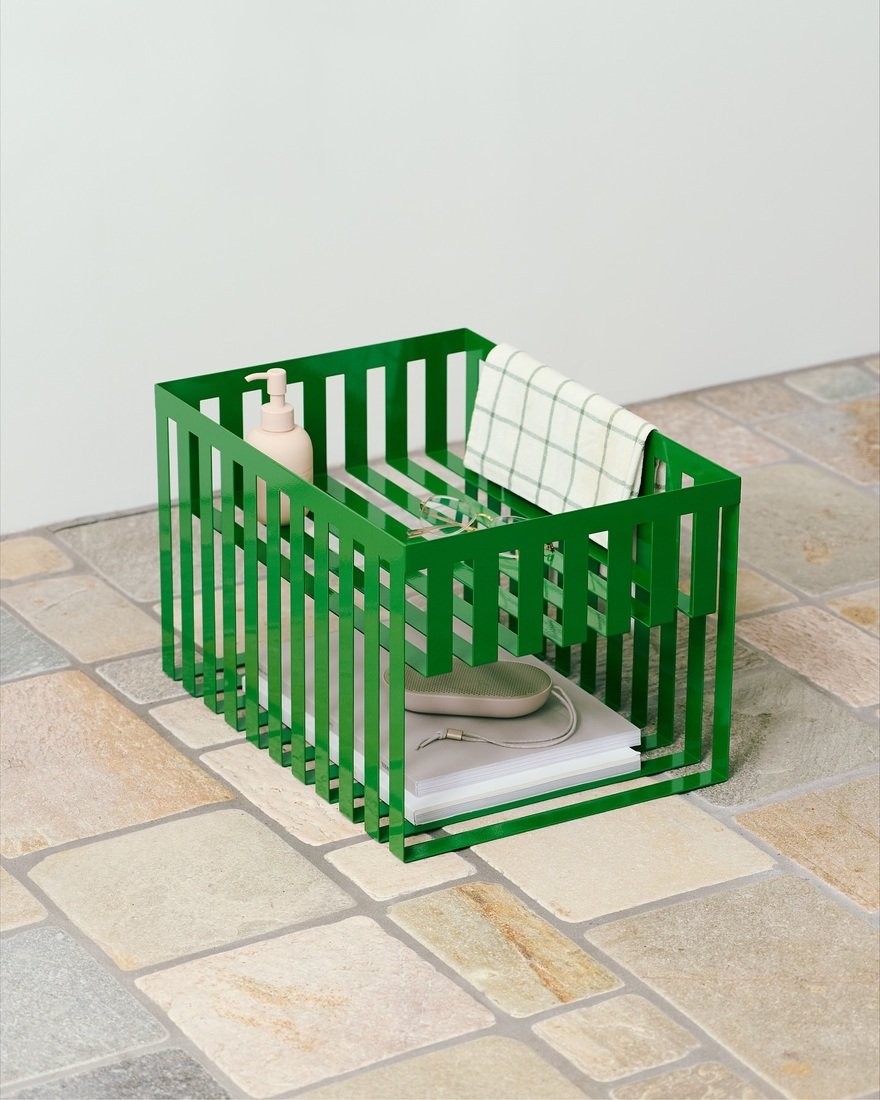
- Scandinavian Functionality: The Scandinavian influence is visible in the utilitarian focus of the object. Despite its artistic appearance, KÅSA is designed to be a functional container. It is meant to be used, handled, and integrated into the daily life of a modern home.
The material choice—thin sheet steel—is also a strategic decision. Unlike wood or rattan, which can warp or degrade over time, the steel construction of KÅSA offers a permanent, durable alternative. The surface treatment, which preserves the metallic sheen while softening it to suit domestic interiors, demonstrates a sophisticated understanding of material finishing.
Official Responses and Industry Reception
While the design community is still awaiting a wider release, the initial reaction to Caldeira’s project has been overwhelmingly positive. Critics have praised the "intellectual honesty" of the piece. By choosing not to fake the weaving process—but rather to acknowledge the material’s nature through its seams and joins—Caldeira avoids the trap of pastiche.
"It is a design that asks the viewer to reconsider what a basket is," says one independent design critic familiar with the project. "It is not a basket made of metal; it is a metallic structure that uses the memory of a basket to define its shape."
Caldeira herself has been modest regarding the reception, focusing instead on the user experience. Her decision to launch the product in Ginza—a district synonymous with high-end, thoughtful design—signals her intention to position KÅSA as a premium, long-term object rather than a fleeting trend.
Implications: The Future of "Crafted" Industrial Design
The implications of KÅSA extend far beyond the product itself. As the world becomes increasingly saturated with 3D-printed plastics and mass-produced homeware, there is a growing hunger for objects that carry a narrative of human labor and material integrity.
The Re-evaluation of "Handmade"
Caldeira’s work suggests a new path for industrial designers: the "digitally-crafted" object. By using modern tools to achieve a level of precision that traditional weaving could never attain, she is not replacing the artisan; she is evolving the artisan’s output. KÅSA proves that "industrial" does not have to mean "soulless."
Sustainability Through Durability
In an era where "fast furniture" has become an environmental crisis, the choice of steel is significant. Steel is one of the most recyclable and durable materials in existence. By creating a container that is built to last for generations—rather than seasons—Caldeira is advocating for a more sustainable model of consumption.
The New Minimalism
KÅSA also represents a shift in minimalist design. For a decade, minimalism was defined by flat, monolithic surfaces. Caldeira’s work introduces a "textured minimalism," where visual interest is generated through structure, shadow, and geometry rather than surface decoration. It is a more complex, layered approach that resonates with modern sensibilities.
Conclusion: A Poetic Synthesis
Erina Caldeira’s KÅSA is more than just a storage vessel; it is a poetic synthesis of the past and the future. It honors the traditional basket weaver by borrowing the logic of their craft, while simultaneously celebrating the advancements of the industrial age. As the containers begin their journey into the homes of collectors and design enthusiasts, they serve as a reminder that the most compelling design is often the kind that forces us to pause, look twice, and question the nature of the objects we live with.
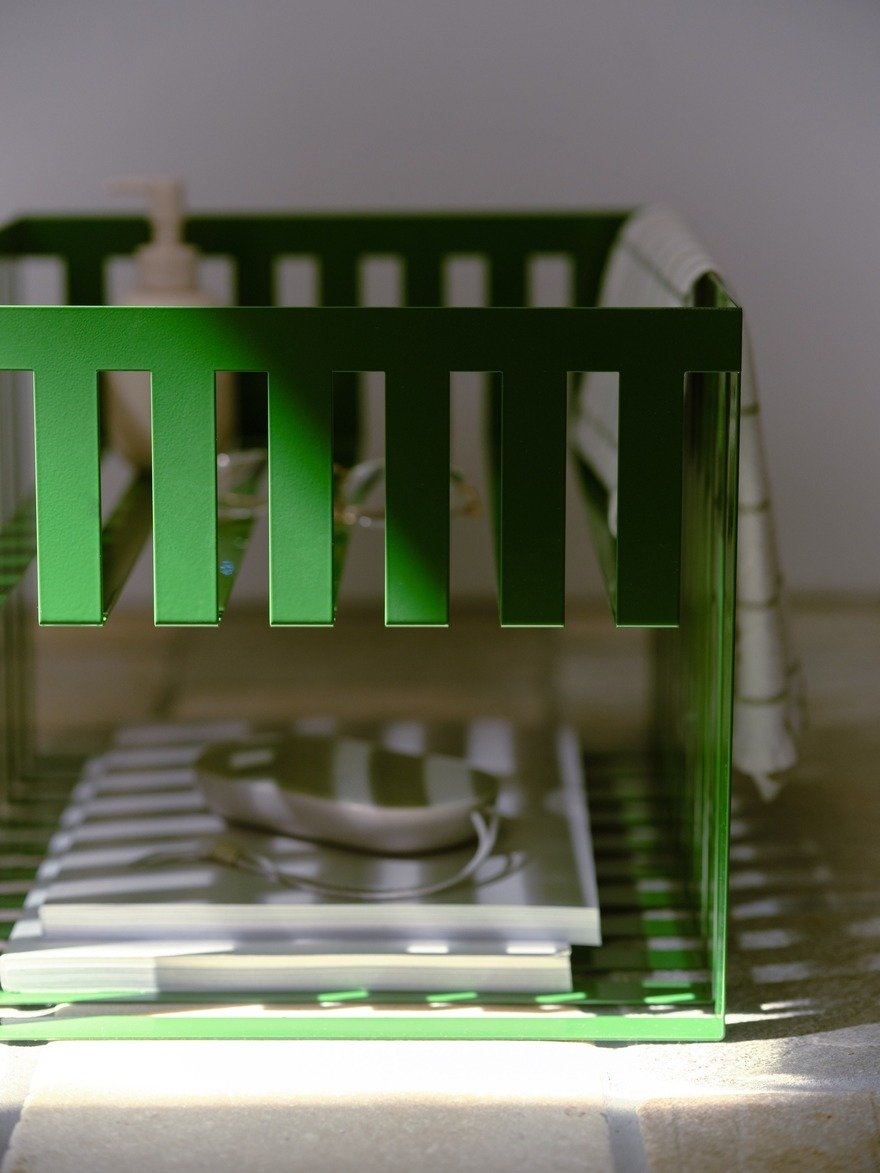
Whether it is the play of light through the "woven" steel lattice or the satisfying weight of the metal in one’s hands, KÅSA demands an engagement that few modern products achieve. It is a masterful achievement from a designer who is clearly just beginning to redefine the boundaries of her field. As we look toward the Matsuya pop-up and the wider release of the collection, one thing is certain: the KÅSA container has secured its place as a landmark piece of 21st-century industrial design.
About the Author