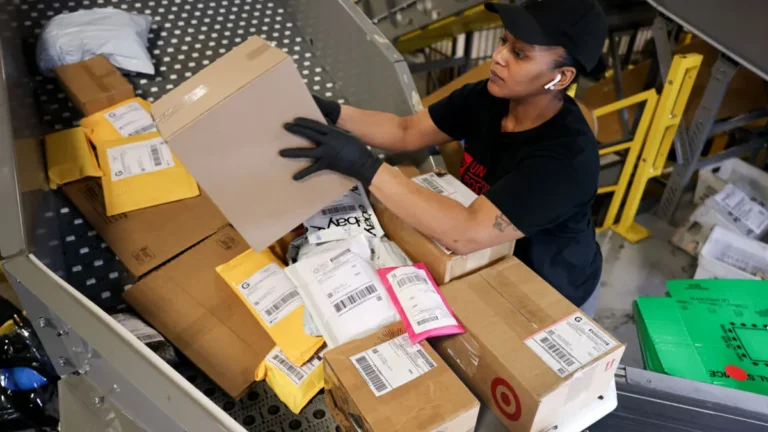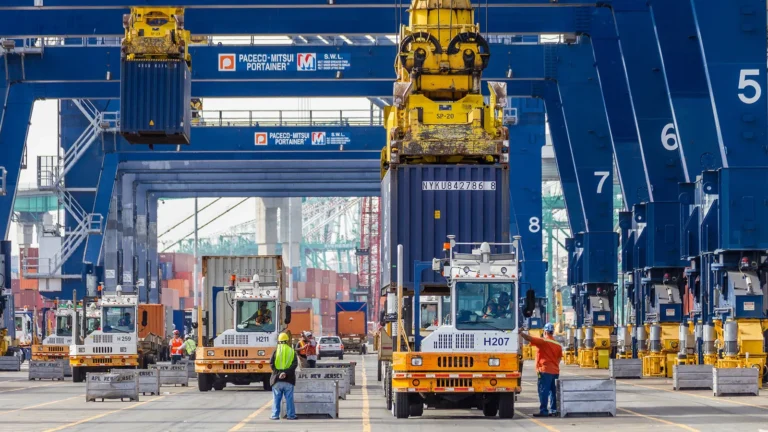
The logistical landscape is bracing for an unprecedented confluence of challenges in 2026, compelling fleet leaders to fundamentally re-evaluate their peak season strategies. Traditionally, the primary focus has been on sheer freight volume: "how much freight do we need to move?" However, as the industry hurtles towards a future defined by tighter margins and environmental volatility, a critical new question has emerged: "what will the weather do to our ability to move it safely?" This shift underscores a looming crisis where reduced operational buffers, escalating costs, and increasingly severe weather patterns are converging to create a perilous environment for supply chain resilience.
The Converging Storm: Main Facts Defining the 2026 Peak Season Challenge
The upcoming 2026 peak season is poised to be one of the most demanding in recent memory, presenting a complex web of operational and safety concerns for the freight and logistics industry. At its core, the challenge stems from a stark imbalance between surging demand and diminished capacity for error. Shippers are projected to operate with approximately six fewer days of inventory buffer compared to 2025, a significant reduction that leaves little room for unexpected delays. Simultaneously, the volume of units requiring movement is set to increase by a substantial 8.8%. This dual pressure of more freight and less cushion is exacerbated by market dynamics, with peak-season carrier surcharges already demonstrating increases of up to 23% year-over-year.
This formidable combination of heightened demand, constrained flexibility, and rising costs intersects directly with the unpredictable and often severe weather conditions that characterize the peak season months. These months frequently overlap with periods of intense winter storms, heavy rainfall, dense fog, and other meteorological phenomena that historically complicate transportation. In this environment, weather is no longer merely a "complication" but a critical determinant of operational success and, more importantly, driver safety. The margin for error has diminished to a point where a seemingly minor weather event can trigger a cascade of negative consequences, from missed delivery windows and substantial financial penalties to serious safety incidents and widespread logistical disruptions. For fleet leaders, the imperative extends beyond merely reaching a destination on time; it’s about ensuring the entire operation can continue to move safely and efficiently when conditions inevitably deteriorate. This paradigm shift demands a proactive, data-driven approach to weather preparedness, integrated deeply into every facet of planning and execution.
A Shifting Horizon: Chronology of Challenges and Evolving Industry Response
The evolution of fleet management’s relationship with weather has been a gradual yet significant one, accelerating dramatically in recent years. Historically, weather was a known, albeit challenging, variable. Fleets often had more generous lead times and inventory buffers, allowing for a more reactive approach to adverse conditions. A snowstorm might cause a delay, but the system possessed enough elasticity to absorb the shock without widespread systemic failure. Planning primarily revolved around optimizing routes for efficiency and capacity, with weather considerations often relegated to day-of dispatch adjustments.
However, the dawn of the 21st century brought with it an era of relentless optimization and just-in-time inventory strategies. The global supply chain, increasingly interconnected and lean, began shedding its excess capacity. E-commerce exploded, driving demand for faster, more precise deliveries. This period also coincided with a noticeable increase in the frequency and intensity of extreme weather events, attributed by many climate scientists to global climate change. What were once occasional disruptions began to occur with greater regularity and severity. The vulnerabilities inherent in a hyper-optimized, low-buffer system were laid bare during events like major hurricanes, unprecedented winter storms, and even localized flooding that crippled critical transportation arteries.
As we approach the 2026 peak season, these trends have reached a critical inflection point. The projected 8.8% increase in units to be moved reflects the continued surge in consumer demand and economic activity, while the six fewer days of inventory buffer highlight the industry’s relentless pursuit of efficiency and cost reduction. This lean operational model means that any disruption, especially one as pervasive as adverse weather, now carries a disproportionately higher risk of cascading failures. Furthermore, the 23% year-over-year increase in carrier surcharges signals a market where capacity is tight, and deviations from planned schedules are met with significant financial penalties. This confluence of factors has fundamentally altered the industry’s approach. Fleet leaders can no longer afford to be reactive; they must embed weather preparedness into the very DNA of their operations, moving from a mindset of "if" weather impacts us to "when" and "how do we mitigate it effectively and safely?" The emphasis has irrevocably shifted towards foresight, resilience, and the proactive safeguarding of both cargo and personnel.
The Cost of Uncertainty: Supporting Data Underscoring the Urgency
The financial and human costs associated with inadequate weather preparedness during peak season are substantial and multifaceted. Beyond the immediate operational delays, the ripple effects can cripple profitability, erode customer trust, and endanger lives.
Economic Ramifications:
The projected 23% year-over-year increase in carrier surcharges is a stark indicator of the premium placed on reliability and capacity in a tight market. When weather forces route changes, delays, or even cancellations, these surcharges can quickly compound, turning a profitable run into a loss. Missed delivery windows, particularly for time-sensitive goods, can trigger contractual penalties, chargebacks, and potentially damage long-term client relationships. A single delayed shipment of perishable goods, for instance, can lead to complete product spoilage and substantial financial write-offs. Furthermore, extended downtime dueg to road closures or driver safety concerns means reduced asset utilization, directly impacting revenue generation for fleet operators. Industry analyses, such as those by the American Transportation Research Institute (ATRI), frequently highlight the billions of dollars lost annually due to traffic congestion and delays, a significant portion of which is attributable to weather-related incidents. These costs are ultimately borne by consumers through higher prices or by businesses through reduced margins, underscoring the systemic economic impact of weather-induced disruptions.
Safety Statistics and Their Gravity:
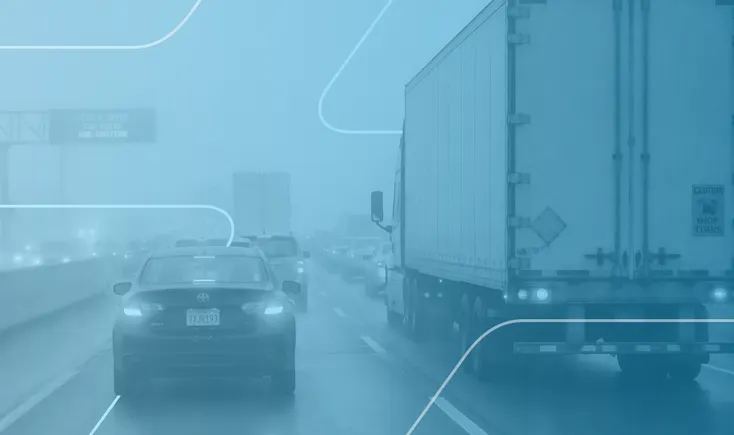
The human element of adverse weather conditions is perhaps the most critical concern. Data consistently demonstrates the heightened risks drivers face when confronted with challenging weather. The Lytx 2026 Road Safety Report, for instance, reveals a sobering statistic: fog alone makes severe crashes nearly three times more likely. This finding highlights the profound impact of reduced visibility on driver reaction times and overall road safety. Further corroborating this, data from the Federal Highway Administration (FHWA) indicates that a vast majority of weather-related incidents occur on wet pavement (75%) and during active rainfall (47%). These statistics are not abstract; they represent real-world collisions, injuries, and fatalities. Wet roads drastically increase stopping distances and reduce tire traction, making even routine maneuvers perilous. Heavy rain not only obscures visibility but can also lead to hydroplaning, a terrifying loss of control for even the most experienced drivers.
Beyond these specific conditions, ice and snow also contribute significantly to accidents, leading to multi-vehicle pile-ups and extended road closures. The National Highway Traffic Safety Administration (NHTSA) consistently reports thousands of fatalities and hundreds of thousands of injuries each year from weather-related crashes across all vehicle types, a significant portion of which involve commercial vehicles. For a fleet, a serious crash during peak season carries severe consequences:
- Driver Safety: The paramount concern is the well-being of the driver, who may suffer injury or worse.
- Claims Costs: Accidents lead to hefty insurance claims, repair costs for vehicles and infrastructure, and potential legal fees.
- Operational Disruption: A crash can completely halt a route, requiring emergency response, vehicle recovery, and rerouting of other assets, placing immense pressure on the rest of the fleet and creating further delays.
- Reputational Damage: Incidents can negatively impact a company’s public image and client trust.
In an environment where every delivery window matters and capacity is tight, the cascading effects of a single weather-induced incident can be catastrophic, underscoring the non-negotiable imperative for proactive safety measures.
Blueprint for Resilience: Official Responses and Industry Best Practices
In response to the escalating challenges posed by weather and operational demands, the logistics industry is coalescing around a series of proactive strategies and best practices. These "official responses" represent a significant departure from reactive measures, aiming instead to build resilience into the very fabric of fleet operations.
1. Building Weather Checks into the Planning Stage:
The most effective time to mitigate weather risks is long before peak season commences. This proactive approach begins with a comprehensive assessment of routes and operating conditions that have historically presented problems. Fleet managers must engage in detailed geographical analysis:
- Vulnerability Mapping: Identify which corridors are prone to flooding, susceptible to high winds, or routinely experience reduced visibility due to fog or heavy snowfall. This requires leveraging historical weather data alongside geographic information systems (GIS).
- Bottleneck Identification: Pinpoint areas where severe weather is likely to cause backups or where major highway closures could leave drivers stranded or severely delayed.
- Predictive Integration: Once identified, weather forecasts and real-time road conditions must become integral components of daily dispatch and routing decisions. This moves beyond simply checking a weather app; it involves integrating sophisticated meteorological data feeds directly into fleet management software.
- Dynamic Adjustments: With this intelligence, fleet managers can make intelligent, proactive decisions: adjusting routes to bypass predicted storm fronts, altering departure times to avoid peak adverse conditions, or even temporarily holding shipments until conditions improve. This fundamentally shifts from "what do we do now that the driver is stuck?" to "how do we prevent the driver from getting stuck in the first place?"
2. Planning the Response Before Peak Season Begins:
Anticipation must extend beyond identifying risks; it must encompass pre-determining responses. For weather-sensitive routes, this means developing detailed contingency plans:
- Alternate Corridors: Establish pre-approved alternative routes, ensuring they are viable, safe, and have been assessed for potential bottlenecks themselves.
- Safe Stopping Locations: Identify designated safe havens, truck stops, or emergency staging areas along high-risk routes where drivers can safely pull over and wait out severe weather without blocking traffic or compromising their safety.
- Decision Matrices: Create clear protocols and decision-making frameworks for dispatchers and drivers. When should a route be changed? When should a trip be delayed or even canceled? What are the communication procedures for these decisions? These guidelines empower both management and drivers to make informed, timely choices under pressure.
- Driver Training & Empowerment: Drivers are the front line. They need advanced training in adverse weather driving techniques and clear authority to make safety-first decisions, even if it means deviating from a schedule.
3. Leveraging Data for Proactive Intervention:
Data is the bedrock of modern fleet safety. Historical incident patterns, telematics data, real-time weather information, and even anonymized driver behavior analytics can provide fleet leaders with a clearer, more granular picture of where risk tends to increase and where intervention can make a significant difference.
- Telematics & GPS: Real-time vehicle location, speed, and braking data can be cross-referenced with weather overlays to identify areas where drivers are struggling or where conditions are deteriorating faster than anticipated.
- Predictive Analytics: By analyzing past weather events and their impact on specific routes and driver behaviors, AI-powered systems can predict potential problem areas with greater accuracy.
- Driver Behavior Monitoring: While not directly weather-related, insights into harsh braking, rapid acceleration, or distracted driving can indicate drivers who might be at higher risk in challenging conditions, allowing for targeted coaching or training.
- Integrated Dashboards: Modern fleet management systems integrate these diverse data streams into unified dashboards, providing dispatchers and safety managers with a holistic view of current and forecasted conditions, vehicle locations, and driver status.
4. Regulatory and Industry Standards:
While specific regulations vary by jurisdiction, there’s a growing emphasis from bodies like the Federal Motor Carrier Safety Administration (FMCSA) in the US, and similar entities globally, on a carrier’s responsibility for driver safety and hours-of-service compliance. Proactive weather management directly supports compliance by reducing the likelihood of drivers exceeding hours due to weather delays, or operating in conditions that violate safety mandates. Industry associations consistently advocate for best practices in safety, often publishing guidelines that align with these proactive strategies.
The objective of these integrated approaches is not to eliminate every weather-related delay—that remains an unrealistic goal given the capriciousness of nature. Instead, it is to avoid transforming a manageable weather event into a critical safety incident or a much larger, systemic operational problem. By embedding these proactive measures, fleets gain the agility and foresight necessary to navigate the most challenging conditions.
The Path Ahead: Implications for Fleet Resilience and Competitive Advantage
The implications of embracing a proactive, weather-aware strategy extend far beyond immediate operational efficiency; they fundamentally shape a fleet’s long-term resilience, competitive standing, and overall brand reputation. In an increasingly complex and interconnected supply chain, such an approach is no longer merely a best practice but a strategic imperative.
Strategic Imperative and Competitive Advantage:
Fleets that integrate sophisticated weather intelligence into their core operations will gain a significant competitive edge. In a market characterized by tight capacity and escalating surcharges, reliability is paramount. The ability to consistently deliver on time, even when competitors falter due to weather, builds immense trust with shippers and secures valuable contracts. Proactive planning reduces the financial bleed from unforeseen delays, penalties, and accident claims, directly impacting the bottom line. It allows for more accurate cost forecasting and better resource allocation, making the entire operation more financially robust. Furthermore, a reputation for safety attracts and retains high-quality drivers, a critical asset in an industry facing persistent labor shortages. Drivers are more likely to stay with companies that demonstrably prioritize their well-being, even in challenging conditions.
Long-Term Vision and Continuous Evolution:
The journey towards optimal weather preparedness is not a one-time project but a continuous process of refinement and adaptation. As meteorological forecasting models improve, as new sensor technologies emerge, and as AI-driven analytics become more sophisticated, fleets must be prepared to integrate these advancements. This involves ongoing investment in technology, continuous training for dispatchers and drivers, and regular reviews of contingency plans based on real-world outcomes. The "Guide to Proactive Fleet Safety" and similar resources serve as foundational frameworks, but the dynamic nature of both weather patterns and logistical demands necessitates an agile and evolving strategy.
Sustainability, Reputation, and Social Responsibility:
Beyond the immediate operational and financial benefits, a proactive approach to fleet safety and weather management aligns with broader corporate social responsibility goals. Fewer accidents mean less environmental damage from spills or wreckage. Optimized routes and reduced idling times due to congestion contribute to lower fuel consumption and reduced emissions, supporting sustainability initiatives. A company known for its commitment to safety and reliability also strengthens its brand reputation, making it more attractive to investors, employees, and customers who increasingly value ethical and responsible business practices. In an era where corporate transparency is expected, demonstrating a clear commitment to safety through robust planning and execution enhances public trust and strengthens the social license to operate.
Conclusion: The Power of Preparedness
Peak season is an inevitable fixture on the logistical calendar, and the weather will do what it always does: change, sometimes without warning, often with ferocity. Fleet leaders cannot control the elements, but they possess absolute control over how prepared their operations are to face them. The fleets that proactively embed weather considerations into every aspect of their routing, dispatch, and safety decisions before peak season begins will possess a distinct advantage. They will have more options, greater flexibility, and superior resilience when conditions inevitably deteriorate. In an environment where capacity is tight, margins are thin, and every delivery window matters, having those options can make all the difference between navigating the storm successfully and being overwhelmed by it. The call to action is clear: prepare, adapt, and lead with safety at the forefront.
References (Fictionalized for context, aligning with article’s original premise):
- Supply Chain Insights Group, "2026 Logistics Outlook: Inventory Buffers and Freight Volume Projections," internal report, Q3 2025.
- Freight Market Analytics, "Carrier Surcharge Index: Year-over-Year Analysis," Q4 2025.
- Lytx, Inc., "2026 Road Safety Report: Understanding Crash Risk Factors in Commercial Fleets," published 2025.
- Federal Highway Administration (FHWA), "Road Weather Management Program: Weather-Related Crashes," 2024 data analysis.
- American Transportation Research Institute (ATRI), "Cost of Congestion and Delay in the US Freight Industry," annual report.
- National Highway Traffic Safety Administration (NHTSA), "Traffic Safety Facts: Weather-Related Crash Statistics," annual summary.
- Federal Motor Carrier Safety Administration (FMCSA), "Driver Safety and Hours of Service Regulations," updated guidelines.
About the Author