The landscape of industrial design is a perpetual tug-of-war between the utilitarian and the aesthetic, the cutting-edge and the classic. This week’s dispatch from the Core77 editorial desk highlights a diverse array of innovation—from high-tech privacy solutions to the reinvention of the mundane pizza cutter. As we examine the developments between September 21 and 25, 2026, it becomes clear that whether through digital interface design or heavy-duty timber framing, the core mission of the designer remains the same: to reduce friction and improve the human experience.
The Intersection of Security and Consumer Tech
KAIST’s Smartphone-Based Surveillance Detection
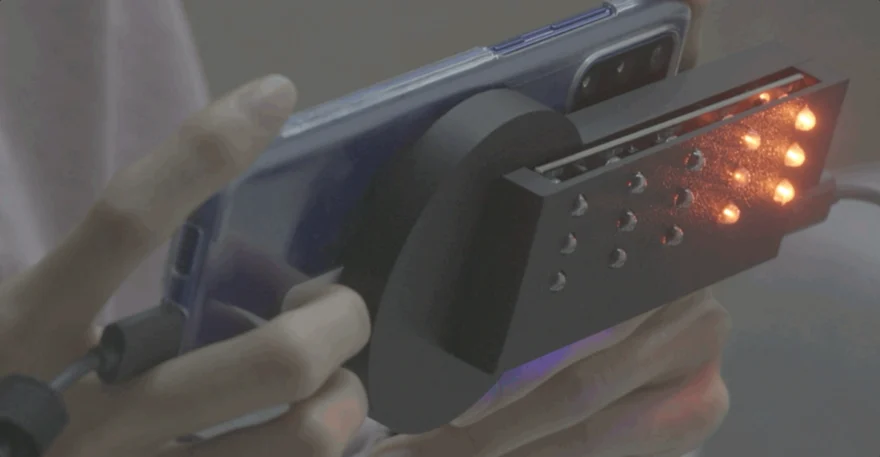
In an era of ubiquitous miniaturized technology, privacy has become a design challenge. Researchers at KAIST have unveiled a low-cost, smartphone-integrated method for detecting hidden cameras. By utilizing the existing hardware capabilities of common mobile devices, this innovation democratizes security, shifting the power dynamic from the hidden observer back to the individual. This breakthrough signifies a move toward "defensive design," where consumer products are inherently equipped to address the vulnerabilities created by modern connectivity.
Precision and Utility: The Tooling Spectrum
From Sketching Pens to Industrial Conveyors
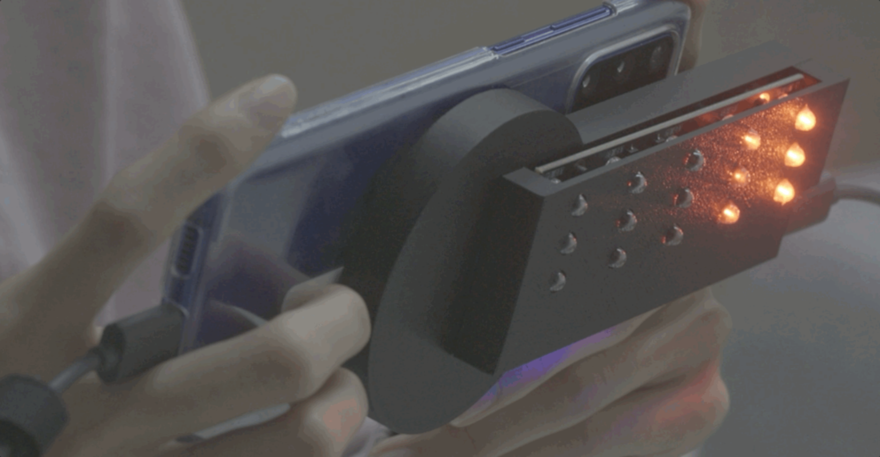
Designers are increasingly focusing on the tactile experience of creation. Alberto Essesi’s latest pen design for precision sketching reminds us that despite the dominance of digital tablets, the haptic feedback of a perfectly weighted instrument remains irreplaceable. This focus on precision continues into the industrial sector with the Celluveyor, an omnidirectional modular conveyor system. By replacing traditional, rigid logistics solutions with a modular approach, the Celluveyor exemplifies the modern industrial shift toward agility—systems that can be reconfigured on the fly to meet fluctuating production demands.
The "Easy Roller" and the Evolution of the Kitchen
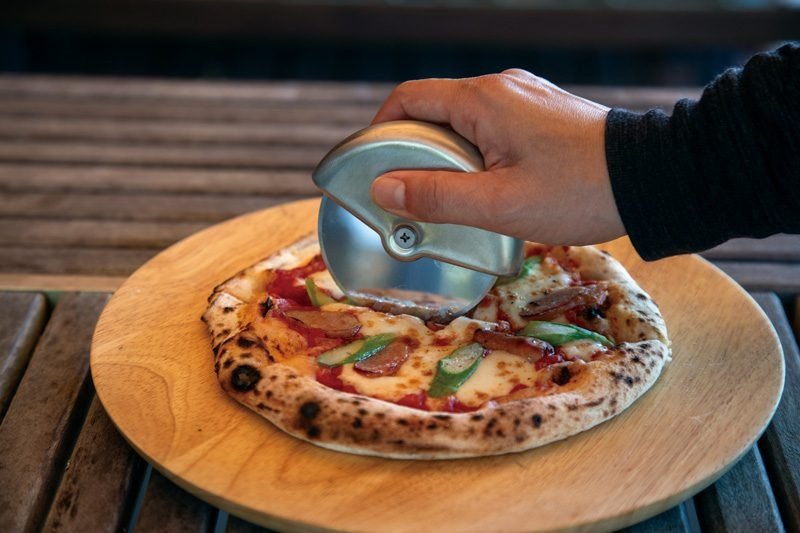
Even the most settled domestic archetypes are subject to iteration. The Easy Roller represents a rethink of the pizza cutter, proving that even a tool as simple as a circular blade can benefit from a design audit. By addressing the ergonomic failures of the classic wheel-on-a-stick, the Easy Roller suggests that we have only scratched the surface of what is possible in kitchen tool ergonomics.
Minimalism: Virtue or Cost-Cutting Measure?
The Volvo EX30 and the Ethics of "Less"
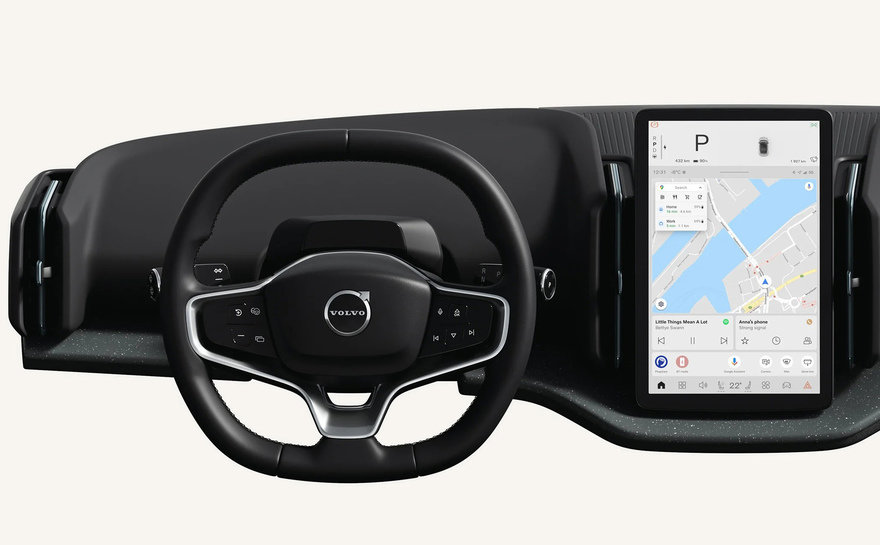
Perhaps the most contentious topic this week involves the design philosophy of the Volvo EX30. While minimalism is often touted as a peak design aesthetic, there is a growing concern that it is increasingly used as a smoke screen for aggressive cost-cutting. By stripping the dashboard of physical controls and indicators, Volvo has ignited a debate about the "dumbing down" of automotive interiors. The implications here are significant: when does a design choice serve the driver, and when does it merely serve the manufacturer’s bottom line?
Architectural and Historical Dialogues
Richard Neutra’s Camel Table and Modern Kintsugi
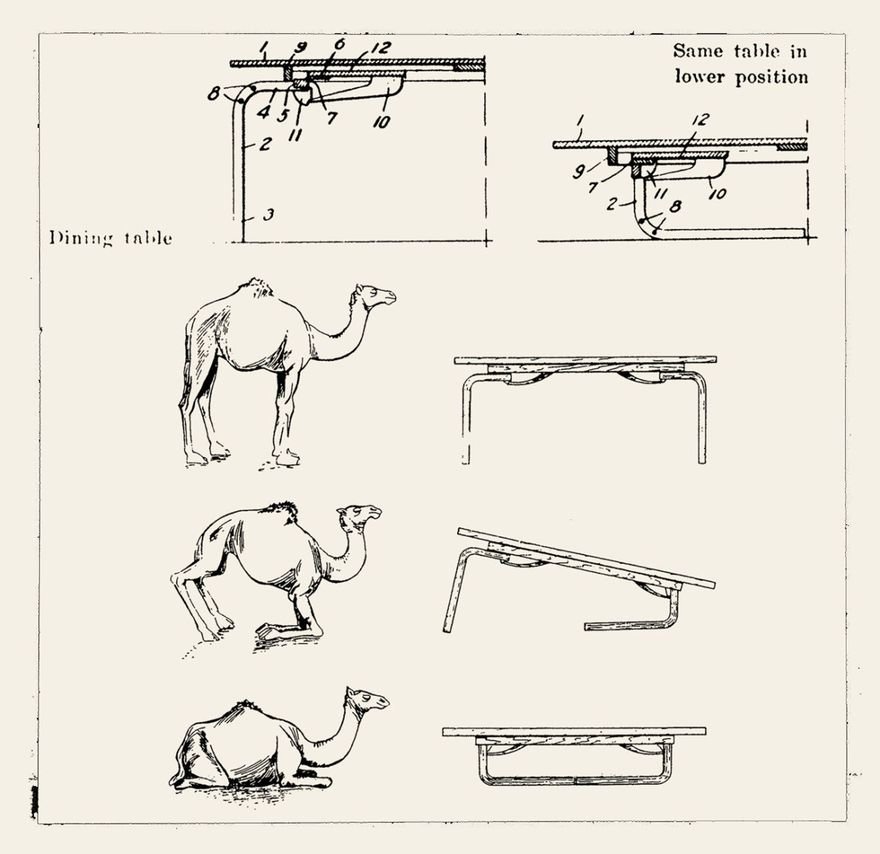
Design history continues to inform contemporary practice. The revisiting of Richard Neutra’s Camel Table serves as a masterclass in early transforming furniture—a precursor to today’s space-saving urban design. Simultaneously, we saw an incredible architectural project that applies the Japanese philosophy of kintsugi (the art of repairing broken pottery with gold) to a pre-Revolutionary War house. By choosing to bridge structural gaps with glass rather than traditional masonry, the project honors history while clearly marking the passage of time—a profound lesson in adaptive reuse.
Professional Chronology: A Week in Review
- Monday, Sept 21: Focus on security technology as KAIST presents smartphone-based hidden camera detection; spotlight on the intersection of consumer safety and mobile hardware.
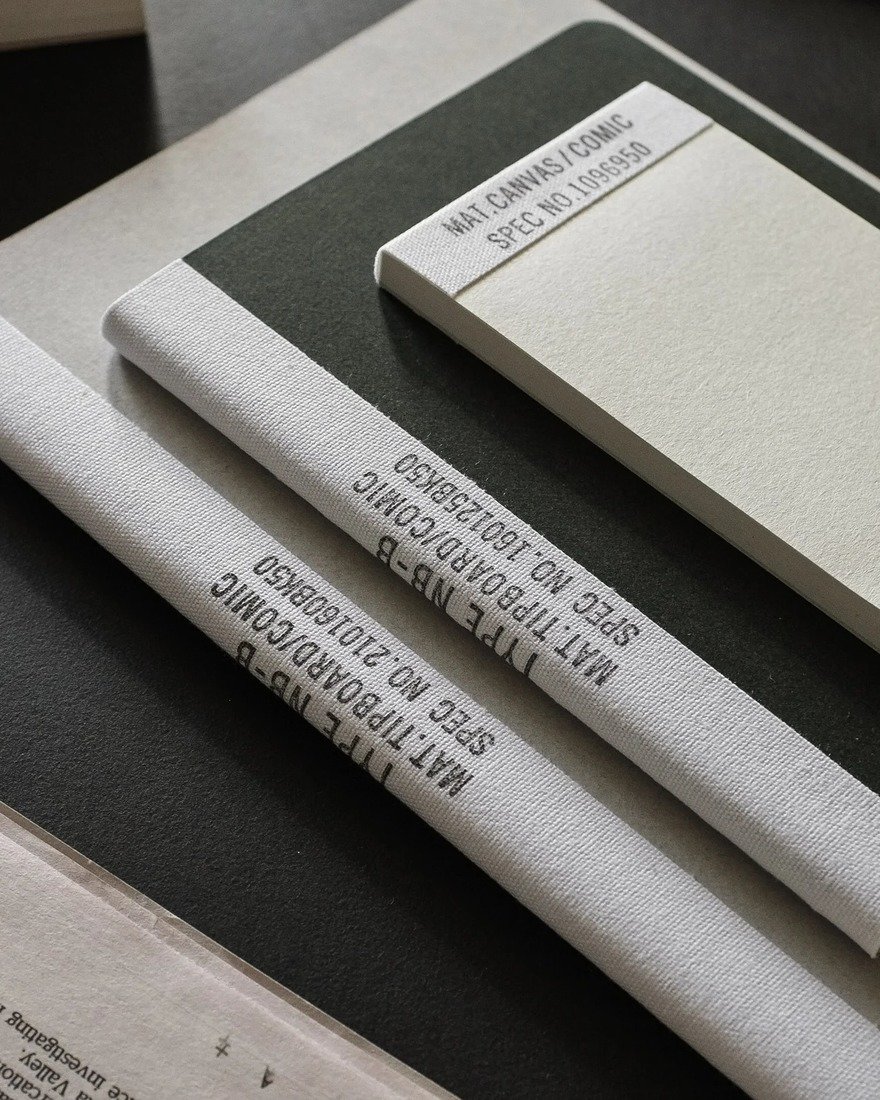
- Tuesday, Sept 22: The return of the analog; Alberto Essesi’s precision pen and a minimalist Japanese sketchbook highlight the enduring necessity of physical media in the design process.
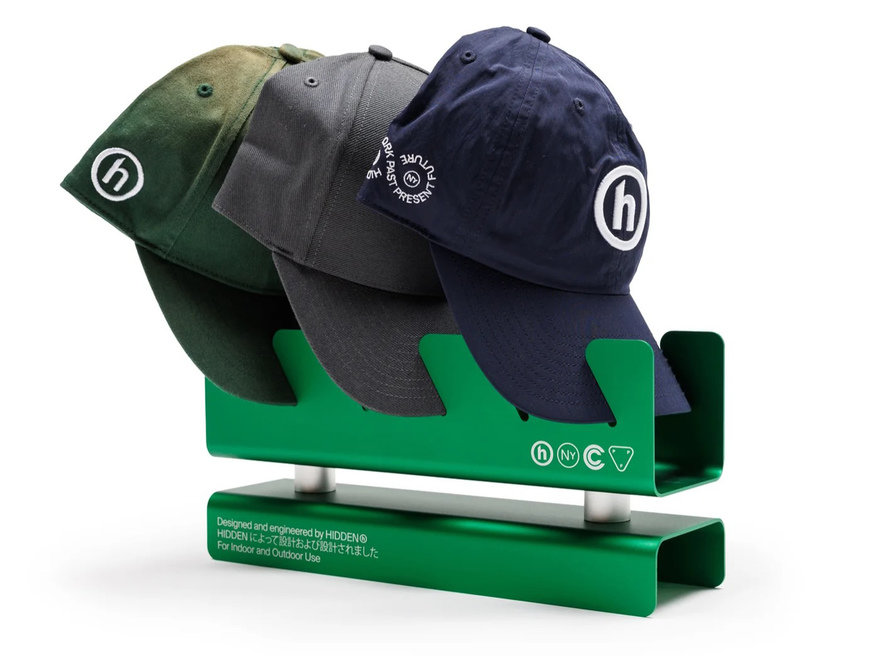
- Wednesday, Sept 23: Logistics and industrial efficiency take center stage with the introduction of the Celluveyor, followed by a cultural critique of the anodized aluminum baseball cap holder as a symbol of contemporary "accessory-first" design.
- Thursday, Sept 24: UI/UX focus. The 1940s stencil machine interface is contrasted against modern trends, while Volvo’s minimalist EX30 dashboard receives scrutiny for its potential over-simplification.
- Friday, Sept 25: Heavy industry meets high-end craftsmanship. Mafell’s timber-framing drilling station provides a case study in tool durability, while the "Easy Roller" and the glass-restored historic home round out a week of high-contrast design innovation.
Supporting Data: The Cost of Minimalism
In the case of the Volvo EX30, industry analysts note that the removal of physical switches and dials can reduce assembly time and material costs by upwards of 15%. However, this comes at a potential "usability tax." Ergonomic studies cited by critics of the design suggest that the lack of tactile feedback forces drivers to divert their eyes from the road more frequently, increasing cognitive load. This presents a conflict: manufacturers favor the clean, digital aesthetic, while safety experts emphasize the necessity of "blind operation" controls.
Official Responses and Industry Implications
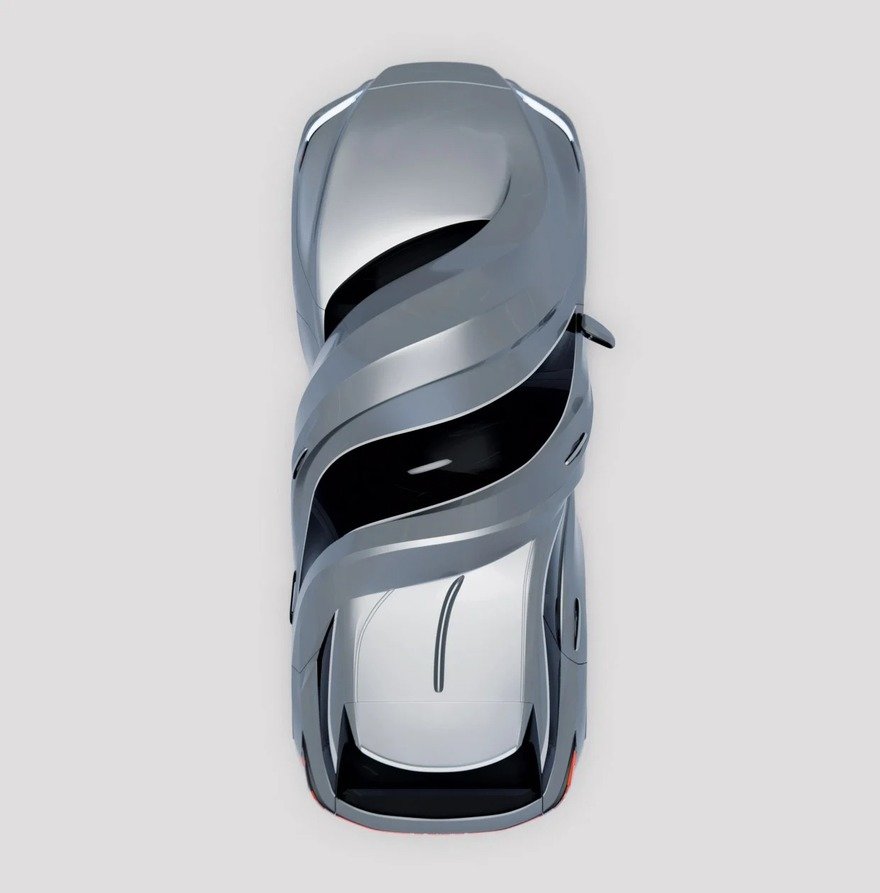
The consensus among the design community regarding the MSCHF "Motomorphosis" Lexus project is that it serves as a provocateur. By radically altering the form factor of a mass-produced vehicle, MSCHF is challenging the rigidity of automotive manufacturing.
Similarly, the praise for the Mafell portable drilling station highlights a growing trend: "Over-engineering" for professional tradespeople. In a market flooded with disposable power tools, Mafell’s commitment to solving the specific pain points of timber framers—weight distribution, precision, and ease of use—shows that there is a premium market for tools that are built to last a generation.
Future Implications: What This Means for 2027 and Beyond
The trends observed this week point toward a bifurcation in the design world. On one side, we have the "digital-first" movement—the integration of apps, screens, and software into everything from home security to car dashboards. This brings efficiency and accessibility but risks sacrificing human-centric ergonomics and long-term usability.
On the other side, we see a resurgence in "material-first" design. The success of the Japanese sketchbook, the restoration of the colonial-era home, and the precision of the timber-framing tools suggest that designers are looking to return to high-quality, durable materials that offer tangible, haptic satisfaction.

Key Takeaways for Designers:
- Complexity vs. Simplicity: Minimalism should enhance, not subtract. Before removing a physical control, designers must ask if the digital replacement offers the same speed and reliability.
- Privacy as a Design Feature: As the KAIST research shows, consumers are increasingly aware of privacy threats. Designers who build security and transparency into their hardware will gain a significant competitive advantage.
- Adaptive History: The most successful modern designs are those that acknowledge their lineage. Whether it’s reinterpreting a 1940s stencil machine or utilizing kintsugi on a 200-year-old home, understanding the past is essential for building a functional future.
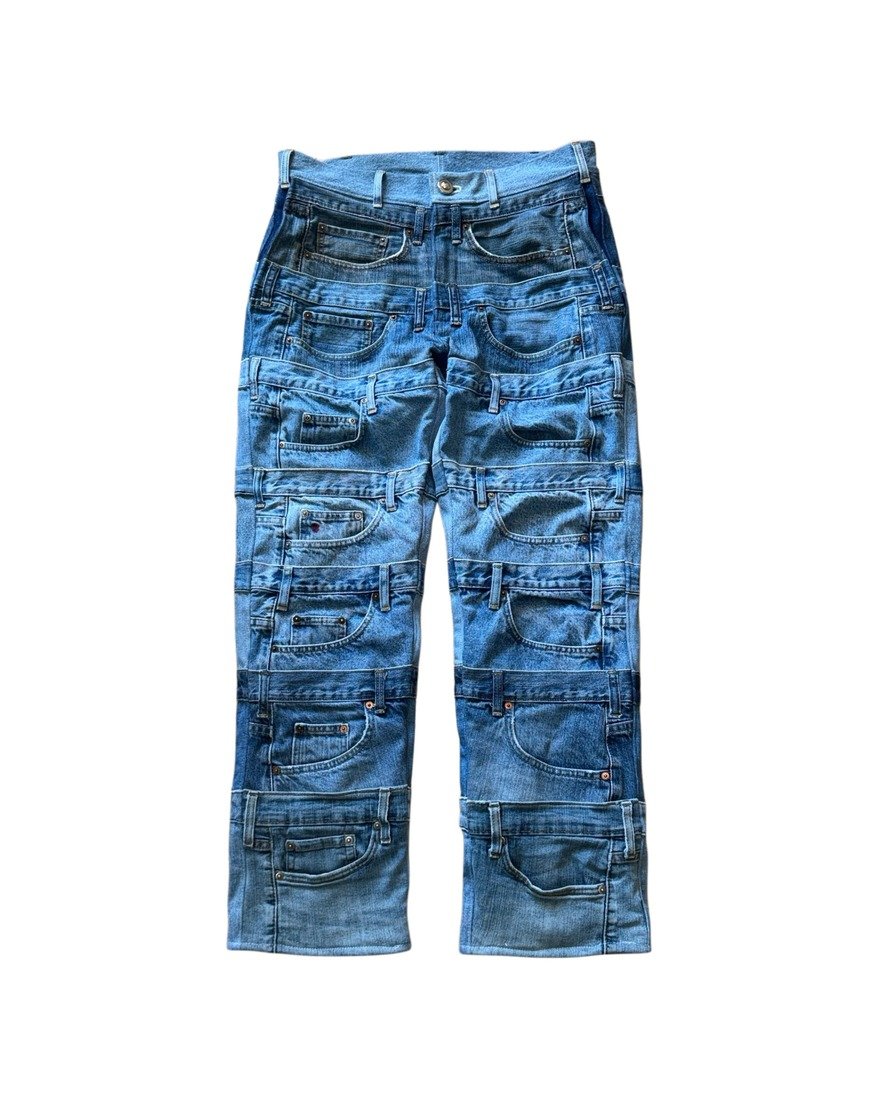
As we move forward from the final week of September 2026, the mandate for the design community is clear: iterate on the tools we use, challenge the aesthetics we take for granted, and prioritize the physical comfort of the user over the temporary trend of digital-only interfaces. The "Infinite Pocket Jeans" by Cory Johnson—a highlight of this week—perfectly encapsulates this spirit: a simple, clever, and practical modification that improves a daily essential without over-complicating it. That, ultimately, is what good design should always strive to be.
About the Author