By David Jones, originally published by Cybersecurity Dive
September 21, 2026
The tranquil waters of the Gulf of Mexico became a flashpoint for national security concerns in August 2026, as U.S. authorities undertook unprecedented cyber interventions on two foreign-flagged commercial oil tankers. The U.S. Coast Guard, in a coordinated effort with the Federal Bureau of Investigation (FBI) and a consortium of federal cyber experts, boarded the vessels following "indications that the vessel’s networks were compromised by foreign cyber actors." This extraordinary action underscores a rapidly escalating threat landscape where the digital integrity of global shipping, a linchpin of the world economy, is increasingly under siege.
The incidents, which saw federal agents taking direct measures to secure the operational and information technology systems of these critical vessels, highlight a profound shift in maritime security. No longer solely concerned with physical piracy or contraband, authorities are now actively combating sophisticated state-sponsored or state-aligned cyber threats that could disrupt global supply chains, compromise critical infrastructure, and even pose risks to national security and environmental stability. While officials reported no immediate operational disruption, danger to crew, or environmental impact, the very necessity of these boardings sends a stark warning about the evolving nature of maritime warfare and espionage.
Unprecedented Interventions Spark Maritime Cyber Alert
The U.S. government’s recent actions in the Gulf of Mexico represent a significant escalation in its response to perceived cyber threats against its maritime interests. These interventions go beyond traditional port inspections, delving directly into the digital nervous systems of commercial ships.
Details of the Boardings
The initial boarding occurred on August 21, 2026, targeting a foreign-flagged commercial ship as it sailed towards U.S. shores. A Coast Guard spokesperson confirmed the measures were explicitly "designed to ensure integrity of the vessel’s operational and information technology systems following indications that the vessel’s networks were compromised by foreign cyber actors." This meticulous language suggests a targeted investigation into specific intelligence rather than a routine check.
Just three days later, on August 24, a second, similar boarding was conducted by FBI officials. Both vessels were identified as oil tankers, a critical category of shipping given their role in energy supply, operating in the Gulf of Mexico and en route to Texas ports. These ports are vital hubs for petroleum imports and exports, making any potential compromise of tankers destined for them a matter of significant economic and national security concern.
The joint operation involved a robust collaboration between the U.S. Coast Guard, the FBI, and other unnamed federal cyber experts, indicating a whole-of-government approach to what is clearly perceived as a grave national security threat. Crucially, the spokesperson also lauded the cooperation of the ship’s captain, crew, and shore-side corporate staff, describing them as "critical partners" in mitigating any potential threats. This cooperation underscores the complex interplay between government enforcement and private sector stakeholders in navigating these emergent challenges.
Following the interventions, the Coast Guard initiated direct communication with port operators, vessel owners, and local maritime-industry stakeholders. This proactive engagement aimed to reassure the industry and ensure that port operations could continue without undue alarm or disruption, despite the serious nature of the incidents. The objective was to maintain stability while thoroughly investigating the extent of the cyber intrusions.
The Evolving Landscape of Maritime Cyber Threats
The recent boardings are not isolated incidents but rather symptomatic of a broader, more sophisticated array of threats facing the global maritime industry. As shipping becomes increasingly digitized and interconnected, so too do its vulnerabilities multiply, attracting the attention of malicious actors ranging from cybercriminals to state-sponsored groups.
A Sector Under Siege
The maritime domain, encompassing everything from vast container ships and oil tankers to critical port facilities and intricate logistics networks, forms the backbone of global trade. Over 90% of the world’s trade is transported by sea, making its continuous and secure operation paramount to economic stability and national prosperity. This criticality, however, also makes it an irresistible target for adversaries seeking to exert influence, gather intelligence, or inflict economic damage.
Annie Fixler, director of the Center on Cyber and Technology Innovation at the Foundation for Defense of Democracies, articulated a core concern: "The concern specifically for foreign vessels is whether those vessels are adhering to minimum cybersecurity standards that would prevent or mitigate such an attack." This observation points to a significant regulatory and enforcement challenge. While many nations, including the U.S., have been striving to elevate their domestic cybersecurity postures, the international nature of shipping means that vessels from diverse flag states operate under varying — and often less stringent — cybersecurity regimes. A weak link in any part of the global maritime ecosystem can expose the entire chain to risk.
Modern vessels, particularly advanced oil tankers, are essentially floating data centers. Liz Martin, senior director of threat hunting at Dragos, a cybersecurity company specializing in operational technology (OT) risk, explained the inherent vulnerabilities: "Modern tankers run navigation, propulsion, steering and cargo systems on the same onboard network that also carries IT and satellite connectivity, often behind a single firewall." This convergence of operational technology (OT) — which controls physical processes — and information technology (IT) — which handles data and communication — creates a single, expansive attack surface. A compromise of the IT network, often perceived as less critical, can rapidly spread to the OT systems, potentially allowing adversaries to manipulate a ship’s course, disable its engines, or even interfere with cargo loading and unloading mechanisms, leading to catastrophic outcomes. The "single firewall" scenario described by Martin highlights a common, yet dangerous, design flaw that adversaries can exploit.
A History of High-Impact Attacks
The maritime sector has unfortunately become a regular target for cyberattacks, demonstrating the severe real-world consequences of digital intrusions. These past incidents serve as crucial precedents for understanding the gravity of the recent Gulf of Mexico boardings.

Perhaps the most infamous example is the 2017 NotPetya attack, which crippled A.P. Moller-Maersk, one of the world’s largest shipping companies. While NotPetya was ostensibly a ransomware attack targeting Ukraine, its indiscriminate spread leveraged vulnerabilities in global networks, impacting Maersk’s operations worldwide. The company reported losses estimated at up to $300 million, bringing its global operations to a grinding halt for weeks. This incident illustrated how a cyberattack, even if not specifically targeting the maritime sector, could cascade through interconnected global supply chains, causing immense financial and logistical disruption. Maersk’s recovery highlighted the deep integration of IT systems into every facet of modern shipping, from container tracking to port logistics.
More recently, in 2021, the Port of Houston experienced a significant cybersecurity intrusion. Although the full details remain classified, the incident underscored the vulnerability of critical port infrastructure. Such attacks could aim to disrupt cargo flow, steal sensitive commercial data, or even pave the way for physical sabotage. The Port of Houston, a major gateway for U.S. energy and petrochemical exports, represents a critical node in the nation’s economic framework, making its cyber resilience a top priority.
Beyond these high-profile cases, the industry faces a constant barrage of less publicized threats: ransomware attacks on logistics firms, phishing attempts targeting crew members for credential theft, GPS spoofing designed to misdirect vessels, and even attempts to manipulate Automatic Identification System (AIS) data for illicit purposes. These incidents collectively paint a picture of a sector under constant digital assault, necessitating robust and proactive defense mechanisms.
Official Responses and Policy Shifts
In response to the escalating cyber threats, the U.S. government and international bodies have been working to fortify the maritime sector’s defenses, implementing new policies and enhancing existing frameworks.
U.S. Bolsters Defenses
The U.S. government has taken a proactive stance, recognizing the strategic importance of maritime cybersecurity. The Coast Guard, traditionally focused on physical security, safety, and environmental protection, has significantly expanded its mandate to include cyber oversight. This shift reflects an understanding that cyber threats can undermine all aspects of maritime operations.
The U.S. has increased "security requirements for the maritime sector to include mandatory reporting and updated training." Mandatory reporting mechanisms compel vessel owners and operators to promptly inform authorities of any cyber incidents, allowing for rapid response and intelligence sharing. This move aims to overcome the traditional reluctance of private entities to disclose breaches due to reputational or financial concerns. Updated training programs, meanwhile, seek to enhance the cyber literacy of crew members and shore-side personnel, recognizing that human error remains a significant vulnerability in any cyber defense strategy.
Beyond the Coast Guard, other federal agencies are playing crucial roles. The FBI’s involvement in the recent boardings underscores the national security dimension of these threats, often involving foreign state actors engaged in espionage or potential sabotage. The Cybersecurity and Infrastructure Security Agency (CISA) works to protect critical infrastructure, including ports, by providing guidance, threat intelligence, and incident response support. The U.S. Cyber Command is also likely involved in monitoring and deterring advanced persistent threats (APTs) targeting strategic assets.

These efforts are often underpinned by broader policy initiatives, such as Presidential Executive Orders aimed at improving the nation’s cybersecurity and adherence to frameworks like the National Institute of Standards and Technology (NIST) Cybersecurity Framework, adapted for the maritime context. The U.S. also actively participates in international forums to advocate for stronger global cybersecurity standards.
Call for Global Standards
The inherently international nature of shipping presents a unique challenge to cybersecurity enforcement. A vessel might be owned by a company in one country, flagged in another, crewed by individuals from several nations, and operate in the territorial waters of dozens more. This patchwork of jurisdictions and regulations makes consistent enforcement of cybersecurity standards difficult.
The International Maritime Organization (IMO), the United Nations specialized agency responsible for the safety and security of shipping and the prevention of marine and atmospheric pollution by ships, has recognized this challenge. The IMO introduced guidelines on maritime cyber risk management, urging administrations to ensure that cyber risks are appropriately addressed in existing safety management systems. However, these are largely guidelines, and the level of implementation and enforcement varies significantly among flag states.
Experts and policymakers increasingly advocate for the development of unified, enforceable global cybersecurity standards for vessels. Such standards would ensure a baseline level of protection across the fleet, regardless of flag or ownership. This would involve robust technical specifications, mandatory audits, and clear penalties for non-compliance. Furthermore, port state control, where authorities in a foreign port inspect vessels to ensure compliance with international rules, could be expanded to include cybersecurity assessments, providing an additional layer of oversight. The goal is to create a universally secure maritime environment, where all participants uphold a shared commitment to digital resilience.
Implications for Global Trade and National Security
The recent incidents in the Gulf of Mexico, and the broader trend of maritime cyberattacks, carry profound implications for both the global economy and international relations.
Supply Chain Vulnerabilities Exposed
The direct targeting of oil tankers highlights the extreme vulnerability of global supply chains. A successful cyberattack could lead to:
- Cargo Manipulation: Adversaries could alter manifests, reroute shipments, or even manipulate the composition of cargo, leading to economic losses, legal liabilities, or even dangerous situations if hazardous materials are involved.
- Economic Espionage: Intelligence gathering on shipping routes, cargo contents, and logistics planning provides foreign adversaries with a strategic advantage, enabling them to anticipate market movements or disrupt competitors.
- Operational Delays: Even a temporary disruption of a vessel’s systems can cause significant delays, leading to cascading effects throughout the supply chain, impacting manufacturing, retail, and consumer availability. The Maersk attack demonstrated how a single company’s disruption could send ripples across the global economy.
- Increased Costs: The cost of enhancing cybersecurity, procuring specialized insurance, and managing potential incident responses will inevitably be passed on, leading to higher shipping costs and, ultimately, higher prices for consumers.
The trust that underpins international trade is fundamentally dependent on the reliability and security of maritime transport. Incidents like these erode that trust, forcing businesses to re-evaluate their supply chain resilience and potentially consider more localized, albeit less efficient, sourcing strategies.
Geopolitical Dimensions
The phrase "foreign cyber adversaries" carries significant geopolitical weight. While officials have refrained from naming specific actors, such language typically points to state-sponsored groups or proxies. This elevates the incidents beyond mere criminal activity to matters of national security and international relations.
Potential geopolitical implications include:
- Strategic Espionage and Reconnaissance: Foreign governments might be using cyber means to map U.S. maritime infrastructure, gather intelligence on naval movements, or identify critical vulnerabilities that could be exploited in a future conflict.
- Hybrid Warfare: Cyberattacks against commercial shipping can be part of a "grey zone" strategy, where states engage in aggressive actions below the threshold of conventional warfare. This can involve economic coercion, disruption of critical services, or signaling capabilities without direct military confrontation.
- Critical Infrastructure Protection: The U.S. government views its ports and associated maritime assets as critical infrastructure. Any attack on these assets is considered a direct threat to national security, prompting robust and potentially retaliatory responses.
- International Tensions: Attribution of such attacks, if made public, could lead to diplomatic protests, sanctions, or even heightened tensions between nations, especially if the attacks are perceived as acts of aggression.
The U.S. interventions signify a growing willingness to directly confront and neutralize these cyber threats, even if it means boarding foreign vessels in international waters, thereby asserting its commitment to defending its maritime interests.
The Path Forward: Resilience and Collaboration
Addressing the complex and evolving challenges of maritime cybersecurity requires a multi-faceted approach centered on resilience and collaboration.
- Enhanced Threat Intelligence Sharing: Governments, intelligence agencies, and private sector maritime stakeholders must improve the timely sharing of actionable threat intelligence to anticipate and mitigate attacks.
- Robust Incident Response Plans: Every vessel and port facility needs well-rehearsed incident response plans that cover cyber breaches, ensuring rapid containment and recovery.
- Continuous Monitoring and Assessment: Proactive monitoring of OT and IT networks, coupled with regular vulnerability assessments and penetration testing, is essential to identify and remediate weaknesses before they are exploited.
- Workforce Training and Awareness: Investing in the continuous cyber education of maritime personnel, from deckhands to executive leadership, is crucial to building a human firewall against social engineering and other common attack vectors.
- Investment in Secure Technologies: The industry must prioritize the adoption of secure-by-design technologies, including robust segmentation of OT and IT networks, multi-factor authentication, and advanced threat detection systems.
- Public-Private Partnerships: Effective maritime cybersecurity cannot be achieved by governments alone. Strong partnerships with shipping companies, port operators, cybersecurity firms, and technology providers are vital for developing and implementing comprehensive defenses.
- International Cooperation: Given the global nature of shipping, international collaboration through organizations like the IMO, INTERPOL, and regional bodies is indispensable for establishing universal standards and coordinating responses to cross-border cyber threats.
The incidents in the Gulf of Mexico serve as a powerful reminder that the digital frontier of global trade is increasingly contested. As the world becomes more interconnected, the security of its most vital arteries — its shipping lanes — will depend on a collective and sustained commitment to cyber resilience. The U.S. has signaled its readiness to meet this challenge head-on, setting a precedent that will likely shape the future of maritime security for years to come.
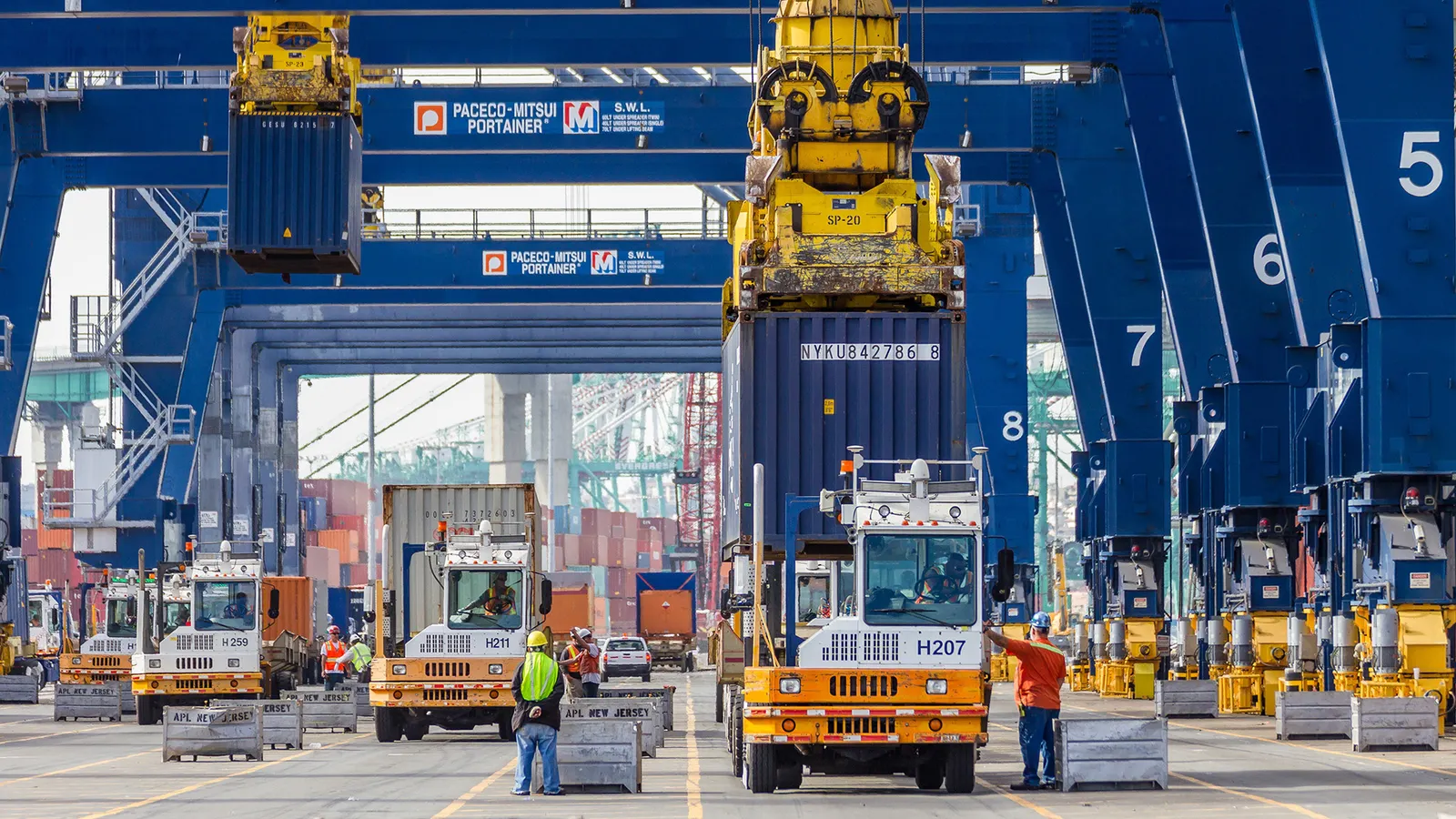
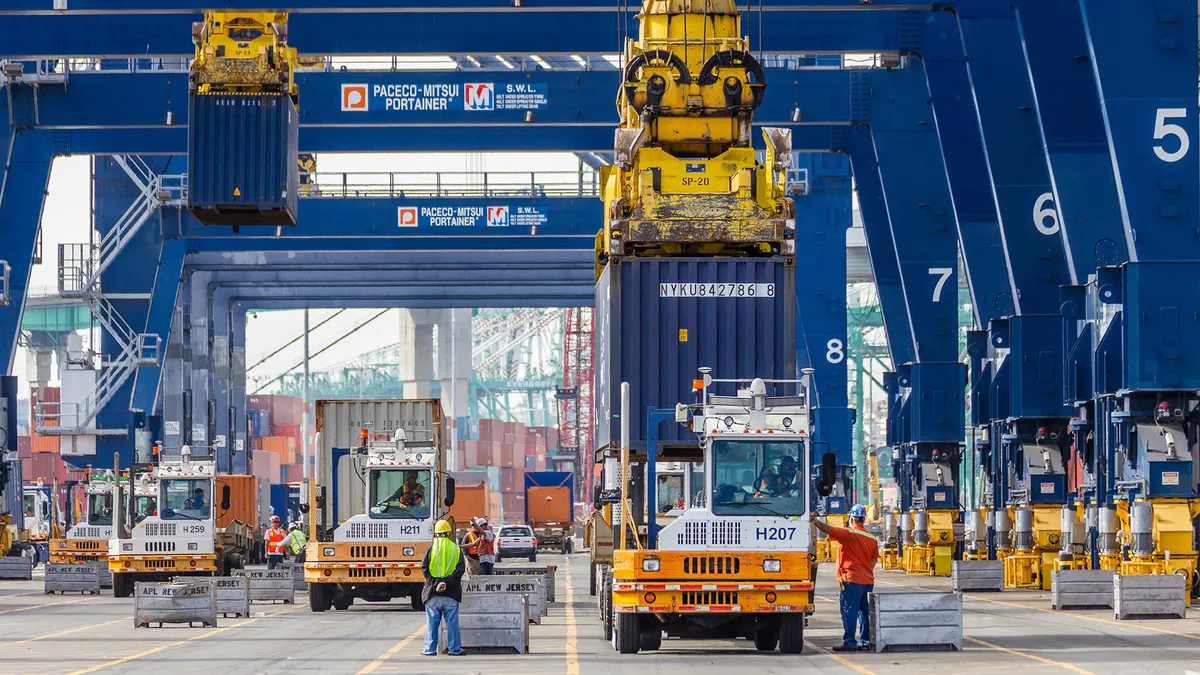
Courtesy of The Port of Los Angeles
This audio is auto-generated. Please let us know if you have feedback.
About the Author