Originally published by Printing Impressions. For more industry insights, subscribe to the Today on PI newsletter.
In an era defined by digital saturation, the inbox has become a battleground of ephemeral messages, most of which are deleted within milliseconds. As "digital fatigue" sets in, marketers are finding that the most effective way to break through the noise isn’t by screaming louder online, but by engaging the most fundamental human sense: touch.
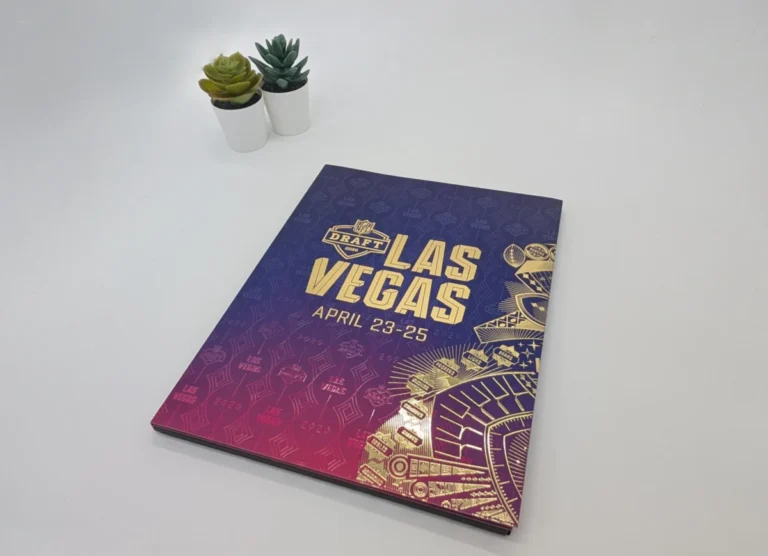
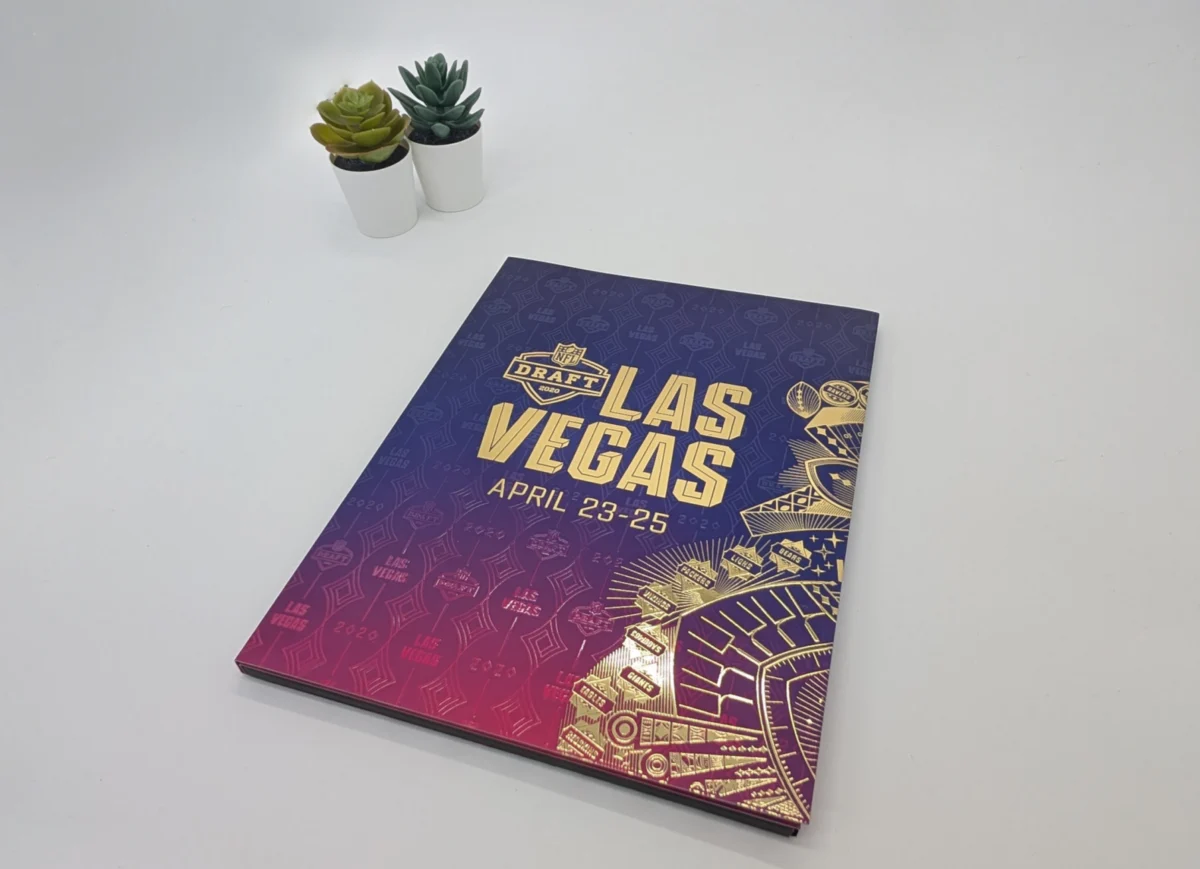
Embellished print—the application of raised foils, spot varnishes, textures, and even integrated audio or NFC technology—is no longer a luxury reserved for high-end wedding invitations. It is a strategic tool designed to "hack" the human brain, creating deep emotional connections that digital pixels simply cannot replicate.
To understand the current landscape, Printing Impressions sat down with three industry visionaries: Eric Vessels, Chief Experience Officer at Taktiful; Eddie Davin, CEO of the Toronto-based creative house bigDAWGS; and Jeff Alexander, CEO of Alexander’s Print Advantage in Lindon, Utah. Their consensus is clear: the marriage of data-driven personalization and tactile enhancement is the future of high-impact marketing.
The Neuroscience of the "Brain Hack"
At the heart of the modern print movement is a simple psychological principle: the tactile experience is an emotional trigger. Eric Vessels describes digital embellishments as a "brain hack" that forces the recipient to slow down.
"Digital embellishments create an emotional reaction in us that is hard to beat," Vessels explains. "Once you touch someone emotionally and deeply, the behavioral economics of the interaction change. When a prospect holds a piece of mail that feels premium, they don’t just see a marketing message; they feel a physical manifestation of a brand’s value."
This phenomenon, often referred to as "haptic perception," suggests that physical interaction increases the perceived value of an object. When a consumer holds a piece of paper with raised, shimmering foil, the brain registers that the sender has invested time, effort, and capital. This perceived "effort" acts as a trust signal, elevating the brand in the eyes of the consumer.
Seven Pillars of Modern Embellishment Strategy
To navigate this evolving landscape, our experts identified seven key strategies that printers and marketers must employ to maximize the ROI of their print campaigns.
1. Personalization as the Core Driver
Personalization has shifted from an "optional perk" to a non-negotiable consumer expectation. However, as AI makes generic digital personalization (like standard email marketing) trivial, the novelty has worn off.
Eddie Davin of bigDAWGS argues that the "2.0" version of personalization is marrying data-driven variable text with high-end physical embellishments. "If I receive a mailer with my name in raised, holographic foil, I am never throwing that out," Davin says. Digital embellishment equipment is the only gateway to this level of customization, allowing print shops to connect directly to databases to create unique, high-touch experiences for every single recipient.
2. The "Gold Rush" Window
We are currently in a "gold rush" era of digital embellishment. Because the technology is not yet ubiquitous, it still commands a premium and generates significant "wow factor." However, as hardware becomes more accessible, this competitive advantage will inevitably narrow. Shops that invest in digital embellishment technology now are positioning themselves as market leaders before the barrier to entry drops and the market becomes saturated.
3. Discerning Application: Don’t Embellish Everything
A common pitfall for newcomers is the desire to embellish every element of a design. Just because a shop has the technology doesn’t mean it should be applied to every square inch.
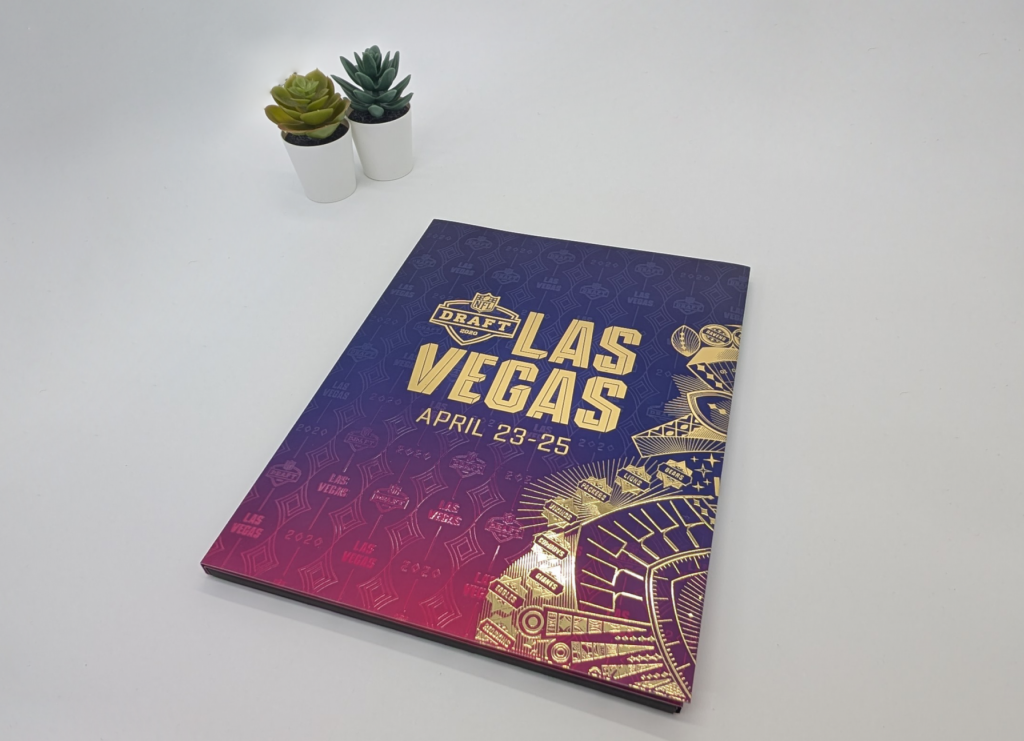
"Sometimes, an embellishment can actually detract from the design," Jeff Alexander notes. His firm places a heavy emphasis on design consultation. They guide clients on font sizes, paper stock, and the strategic placement of foil or varnish to ensure the enhancement serves the message rather than obscuring it. Over-embellishment can lead to a cluttered, cheap aesthetic that undermines the very credibility the brand is trying to build.
4. The "Show, Don’t Tell" Methodology
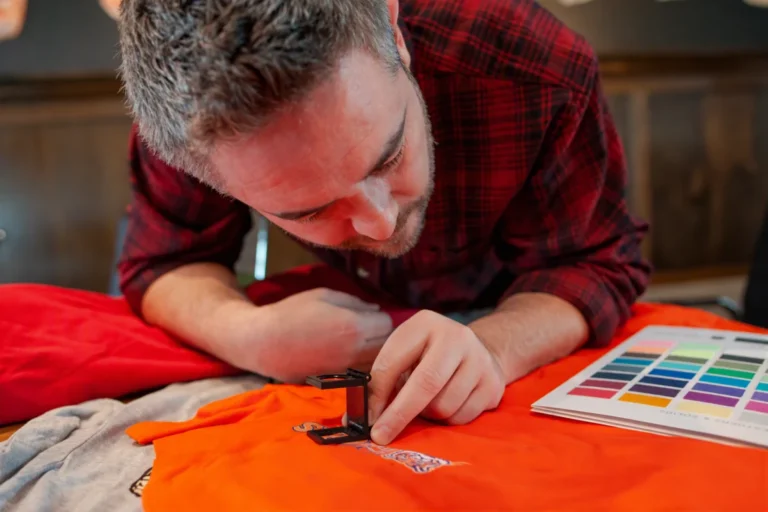
It is difficult to sell the value of an embellished piece through a screen. To convert clients, printers must put the physical product in their hands. Alexander’s Print Advantage has successfully used "open house" strategies, where designers are invited to bring their own files. The shop then produces the samples, teaching the designers how to optimize their work for foil and varnish.
For those who cannot attend in person, advanced 3D visualizers are becoming essential tools, allowing clients to see how light interacts with textures before the first sheet hits the press.
5. The "VIP Run" Strategy
Vessels recommends a "VIP portion" tactic for printers struggling to convince risk-averse clients. If a client is ordering 1,000 standard CMYK business cards, suggest embellishing 100 of them. When the client hands out these cards at a trade show, the "wow" factor of the embellished card will lead to a deeper connection with their own prospects. Once the client experiences the positive feedback from their recipients, they naturally increase the embellished portion of their next order.
6. Aligning Tactile Experiences with Emotional Tone
Embellishments must match the "emotional temperature" of the message. bigDAWGS has taken this a step further by integrating audio chips into print.
Davin warns against "random" sound. A card should be planned from the ground up to tell a cohesive story. He cites two distinct examples: a playful, colorful card for colon health (using humor to disarm the reader) and a somber, simple design for domestic violence awareness that uses a real, jarring 911 call. Both use technology, but the tone of the embellishment is perfectly calibrated to the gravity of the subject matter.
7. Digital Connectivity: The Rise of NFC over QR
Finally, the industry is moving toward "smart" print. While QR codes are ubiquitous, they are increasingly vulnerable to "quishing" (QR phishing), where malicious actors paste fake codes over legitimate ones.
NFC (Near Field Communication) tags, embedded within the print, offer a higher level of security and a more seamless user experience. When a user taps their phone against an NFC-enabled, foil-embellished mailer, they are taken to a digital landing page. This combination of physical luxury and secure digital integration is the pinnacle of modern print marketing.
Implications for the Future of Print
The transition toward embellished print represents a fundamental shift in how the industry views itself. We are moving away from being "ink-on-paper" vendors and toward becoming "sensory experience designers."
For print service providers, the implication is clear: the future of profitability lies in the ability to offer more than just commodity printing. It lies in the ability to provide consultation, data integration, and physical enhancements that trigger the human brain’s reward centers.
As the digital world continues to fragment and overwhelm, the physical world—specifically the tactile, embellished world—will become the most reliable way for brands to communicate, build trust, and leave a lasting, physical impression. The technology is here, the psychological science is sound, and the market is hungry for a deeper connection. The question for printers is no longer if they should offer these services, but how quickly they can scale them to meet the demands of a world that is desperate to feel something real again.
About the Author