In the high-stakes environment of heavy industry—specifically the monumental task of shipbuilding—the difference between profit and loss is often measured in the efficiency and safety of labor. For decades, the welding of massive steel hulls has necessitated the use of complex scaffolding, cranes, and specialized human labor working at precarious heights. Today, a South Korean innovator is fundamentally altering this equation.
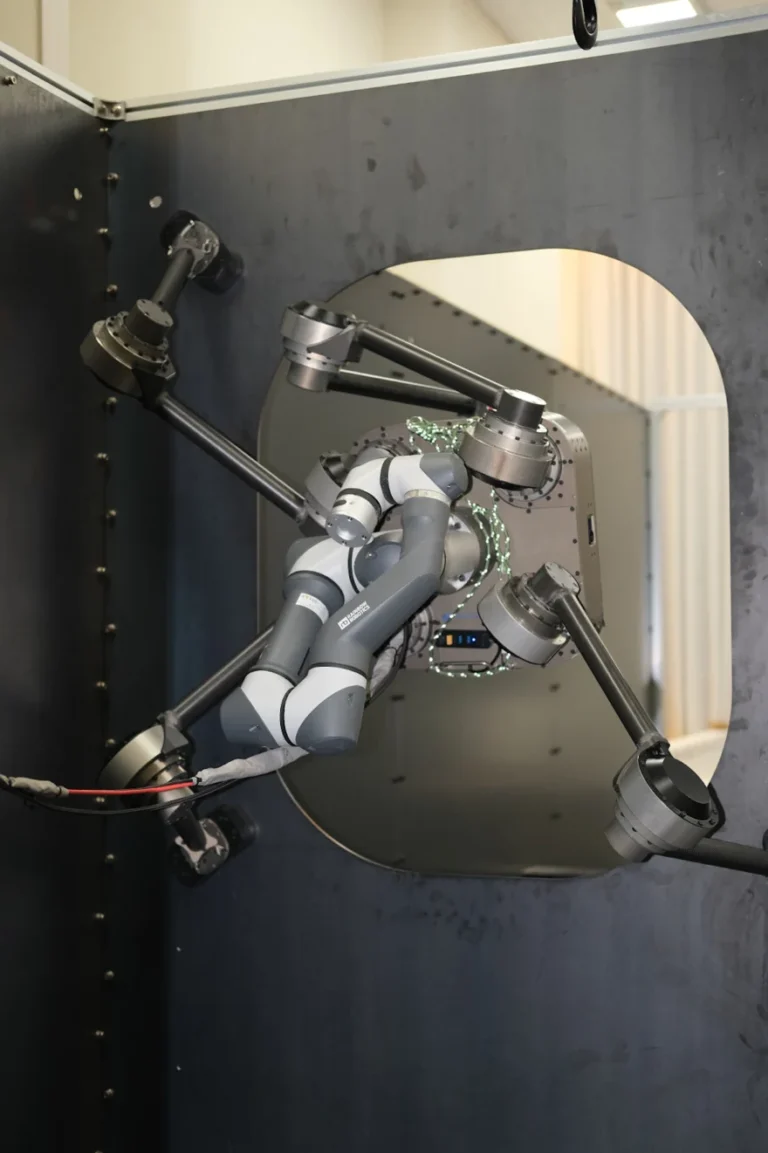
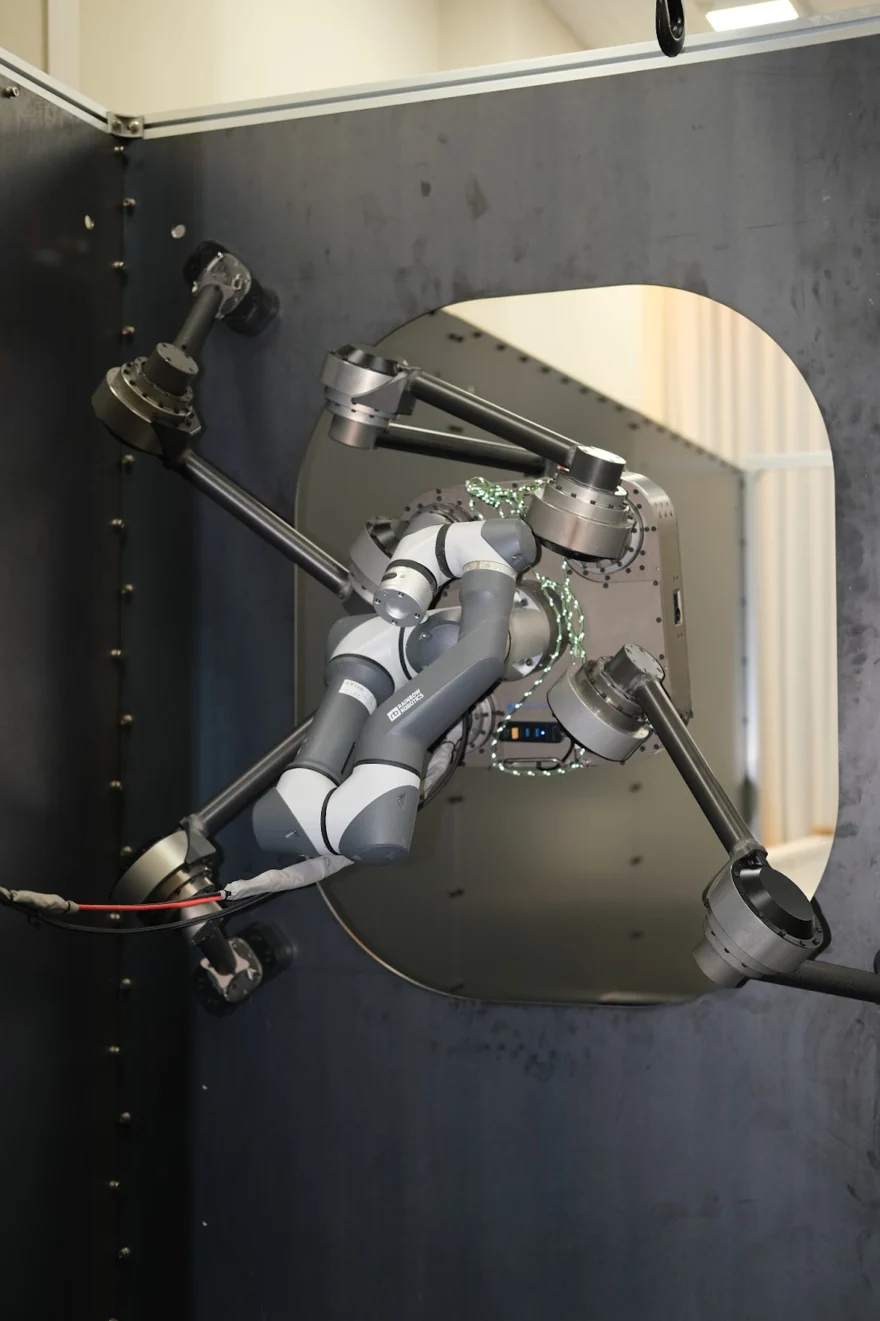
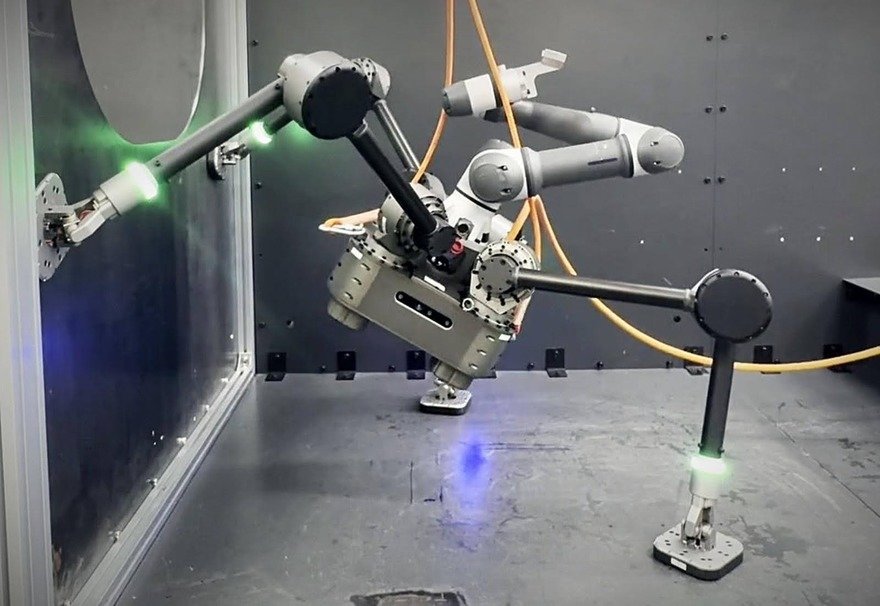
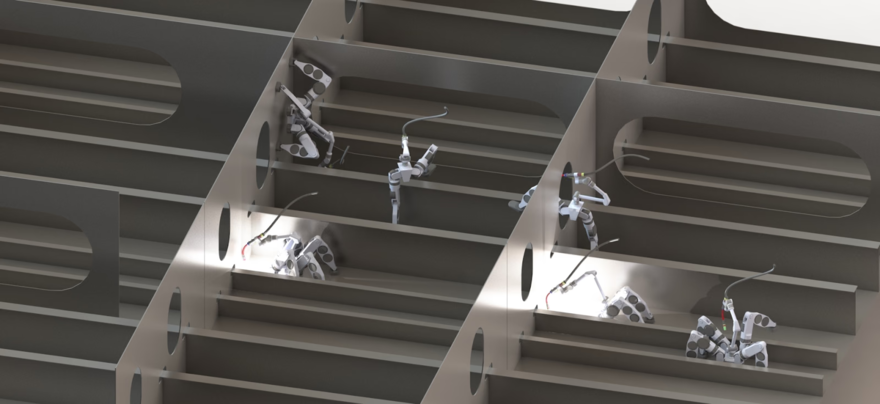
The Diden Spider, a four-legged, magnetic-footed robotic platform developed by Diden Robotics, has emerged as a disruptive force. By mimicking the agility of an arachnid, this autonomous robot can navigate vertical steel surfaces and ceilings, performing high-precision welding tasks in areas previously considered inaccessible or hazardous for human operators.
Main Facts: Engineering the Future of Industrial Automation
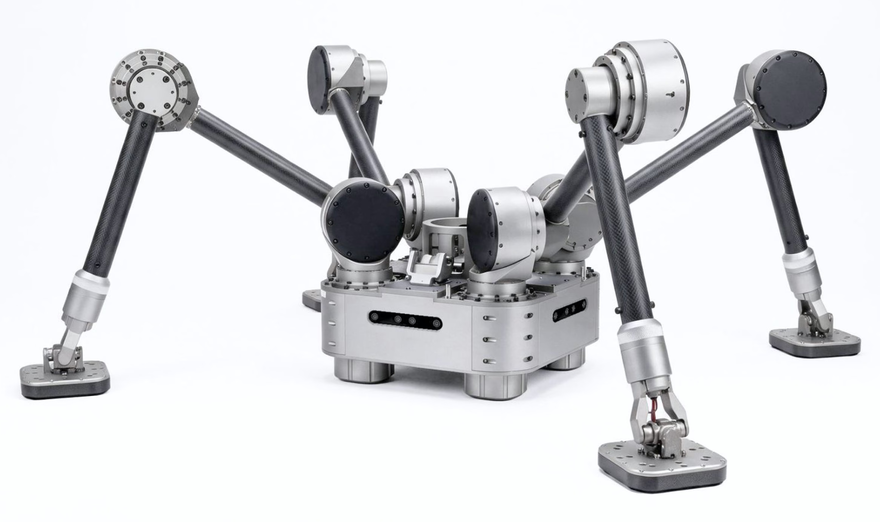
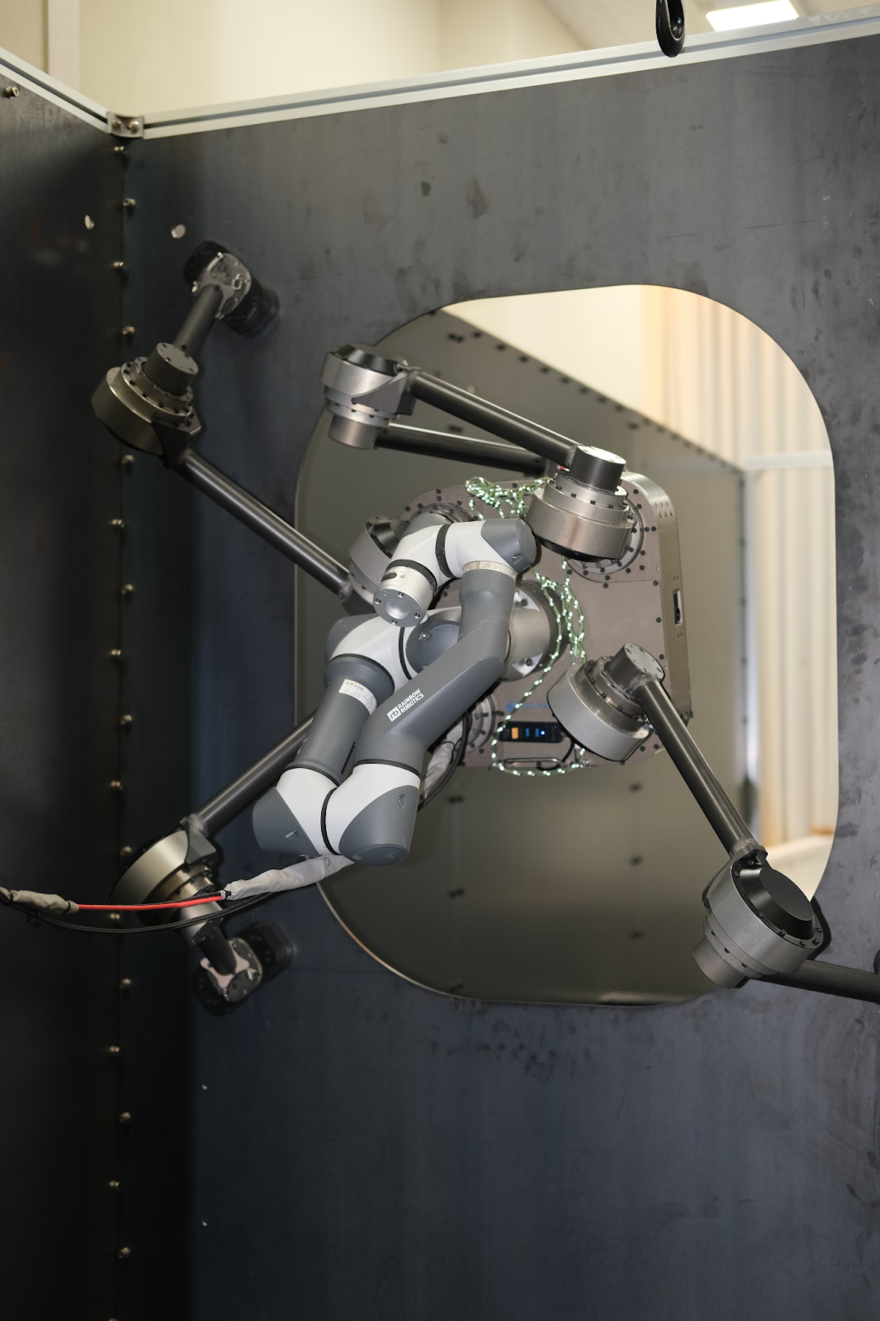
At its core, the Diden Spider is a masterclass in electromechanical engineering. Unlike traditional wheeled robots that struggle with uneven surfaces or complex obstacles, the Diden Spider utilizes a four-legged gait. This allows it to step over obstructions, adjust its center of gravity, and maintain a firm foothold on the irregular geometries inherent in naval architecture.
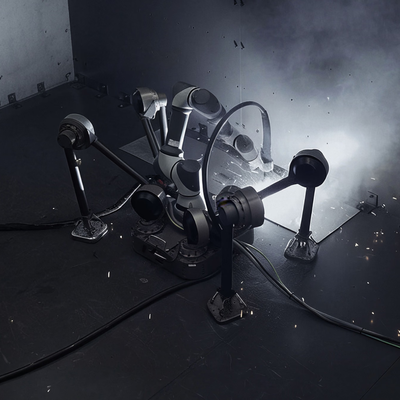
The machine’s most critical innovation lies in its proprietary magnetic foot technology. Utilizing a pulse-based electromagnetic system, the feet allow the robot to transition between a state of powerful adhesion and release with minimal energy consumption. Once the robot has achieved a secure grip on a ferromagnetic surface, the system consumes virtually no power to maintain its hold. This energy-efficient design is vital for extended operational cycles, allowing the robot to remain fixed in position for the duration of a welding operation without risking battery depletion or heat build-up.
Equipped with sophisticated sensors and a specialized welding torch apparatus, the robot is not merely a transport vehicle; it is a mobile manufacturing plant. It can traverse floors, walls, and overhead ceilings with equal facility, effectively rendering the traditional "scaffolding-and-crane" logistical bottleneck obsolete.
Chronology: From Concept to Global Expansion
The journey of the Diden Spider from a laboratory prototype to a production-ready industrial tool follows a trajectory of rapid, iterative development typical of South Korea’s aggressive tech sector.
- Initial Research and Development (2020–2021): Diden Robotics identified the "welding in confined spaces" problem as a primary pain point for the maritime industry. The early focus was on solving the paradox of high-mobility versus high-adhesion—a problem that had hindered previous robotic welding iterations.
- Prototype Validation (2022): The first functional "Spider" units were introduced to controlled test environments. Engineers focused on refining the gait algorithms to ensure that the transition between magnetic pulses did not disrupt the stability of the robot on vertical inclines.
- Field Trials (2023): The company initiated rigorous trials with three major South Korean shipbuilding conglomerates. These trials were designed to test the robots in real-world, high-dust, high-temperature environments.
- Commercial Breakthrough (Early 2024): With the successful completion of these trials, Diden Robotics secured a strategic partnership with a major European shipbuilder. This milestone confirmed the international viability of the technology and provided the necessary data to finalize the mass-production design.
- Future Outlook (2025): The company has confirmed plans for full-scale mass production beginning in early 2025, with an eye toward expanding into bridge construction, oil and gas infrastructure, and large-scale metal fabrication.
Supporting Data: Why Robots Win in Heavy Industry
The case for the Diden Spider is supported by several critical industrial metrics. In shipbuilding, the cost of labor is not merely the hourly wage of the welder, but the comprehensive safety and logistical overhead associated with high-altitude work.
1. Safety and Hazard Mitigation
According to industry standards, working at heights is a leading cause of occupational injury in the maritime sector. The Diden Spider eliminates this risk by replacing the human worker with a machine in "Type 4" environments—the most hazardous zones of a ship’s hull. By removing the worker from the equation, shipbuilders can lower insurance premiums and reduce the incidence of workplace accidents.
2. Operational Efficiency
Data from the initial South Korean trials indicates that the Diden Spider can operate for significantly longer periods than a human welder. While humans require breaks, hydration, and fatigue management, the Spider operates as long as the power supply and wire feed remain consistent. Furthermore, the robot’s ability to "climb" eliminates the time-consuming process of erecting and dismantling scaffolding.
3. Precision and Quality Control
Human welding is subject to "operator variance," where the quality of the weld can fluctuate based on fatigue or physical positioning. The Diden Spider uses digital path-planning, ensuring that every weld is uniform. This leads to fewer rework requirements, which is a major cost-saver in a sector where one poor weld can result in structural certification delays.
Official Responses and Strategic Vision
Diden Robotics has remained relatively guarded regarding the specific technical specifications of their pulse-magnetic system, citing competitive trade secrets. However, in recent press releases, company representatives have highlighted the shift from "Human-Centric Welding" to "Collaborative Robotics."
"Our goal is not to replace the skill of the human welder, but to liberate them from the most dangerous and repetitive aspects of the job," a spokesperson for Diden Robotics stated during a recent industry trade show. "The Spider acts as an extension of the expert. While the robot manages the physical labor of climbing and welding on a vertical steel ceiling, the human technician acts as the supervisor, monitoring the progress and ensuring the system remains calibrated for the specific material conditions."
Industry analysts have praised this transition, noting that the global shortage of skilled welders—a growing crisis in both the U.S. and Europe—makes the Diden Spider a necessity rather than a luxury. By automating the "dirty, dull, and dangerous" tasks, shipyards can retain their highly skilled human workforce for more complex diagnostic and architectural tasks, thereby elevating the overall output quality of the firm.
Implications: The Future of Metal Fabrication
The ripple effects of the Diden Spider’s deployment will likely be felt far beyond the shipyards of South Korea.
Infrastructure and Urban Development
The ability to weld in three dimensions on steel surfaces opens doors for the automation of bridge maintenance. Currently, inspecting and repairing the undersides of steel bridges requires significant investment in aerial platforms. A fleet of magnetic-footed robots could theoretically traverse the underside of a bridge, performing inspections and spot-welding structural fatigue cracks without ever closing a traffic lane.
The Rise of the Autonomous Workforce
The Diden Spider represents a shift toward "autonomous maintenance ecosystems." As these robots become equipped with more advanced AI, they will move from simple task-executors to intelligent inspectors. The company has already indicated that the Spider is capable of integrated inspection—using onboard cameras and ultrasonic sensors to detect metal fatigue or corrosion while it moves. This transforms the robot from a tool that repairs into a tool that predicts.
Economic Shifts
As mass production ramps up in 2025, the cost of these units is expected to drop, making them accessible to mid-sized fabrication firms. This could lead to a democratization of high-end manufacturing capabilities. Smaller firms that previously could not compete for large-scale structural contracts due to a lack of specialized high-altitude welding equipment may suddenly find themselves equipped to handle complex, large-scale projects.
Conclusion
The Diden Spider is a testament to the fact that the most effective industrial solutions often come from looking at the natural world. By observing the way a spider navigates a surface, Diden Robotics has solved one of the most persistent problems in heavy manufacturing. As the maritime and construction industries face mounting pressures to improve safety, lower costs, and solve labor shortages, the "Spider" is poised to become the new standard for industrial mobility. Whether scaling the vertical wall of a tanker in Busan or repairing a bridge span in Europe, the Diden Spider signals a future where machines handle the heavy lifting, allowing humanity to focus on the architecture of our future.
About the Author