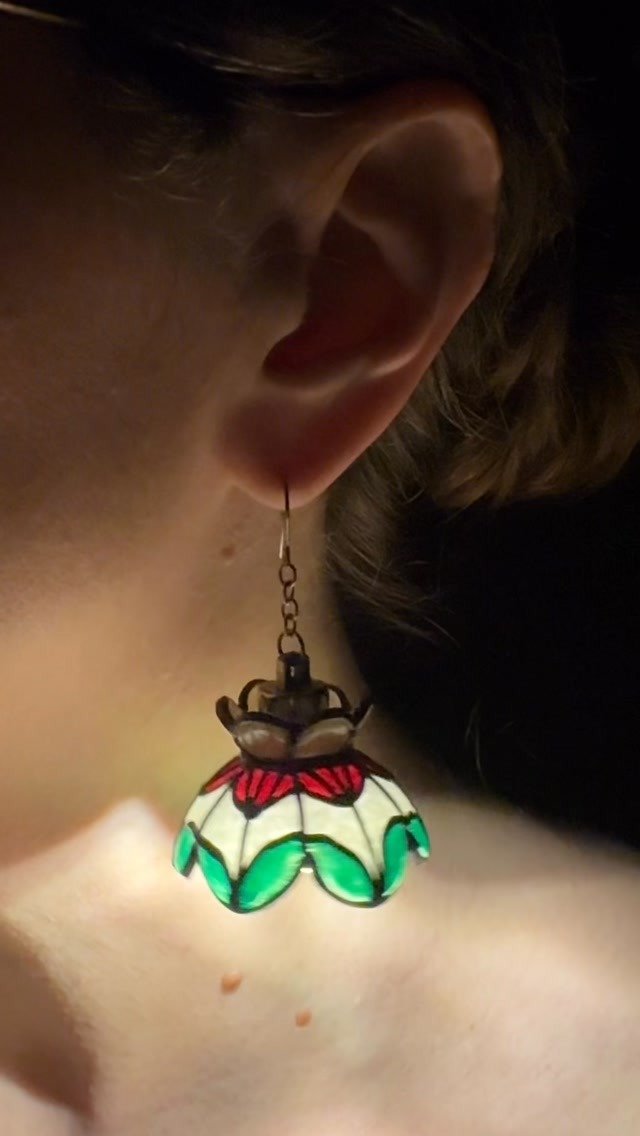
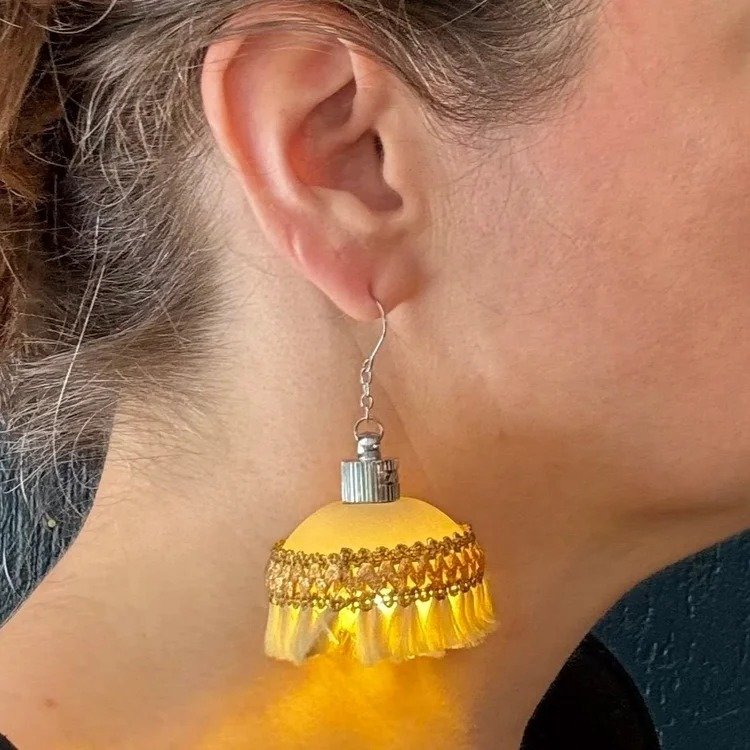
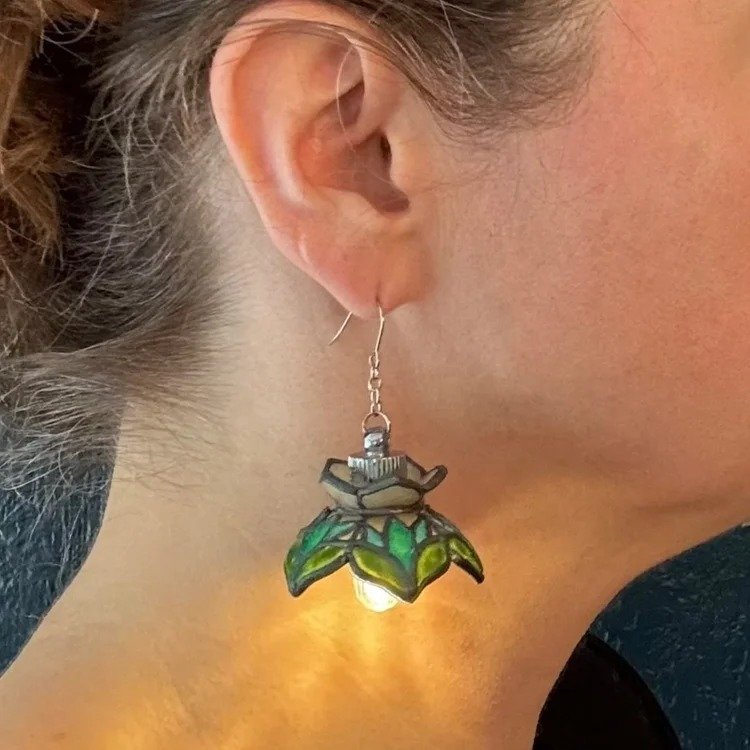
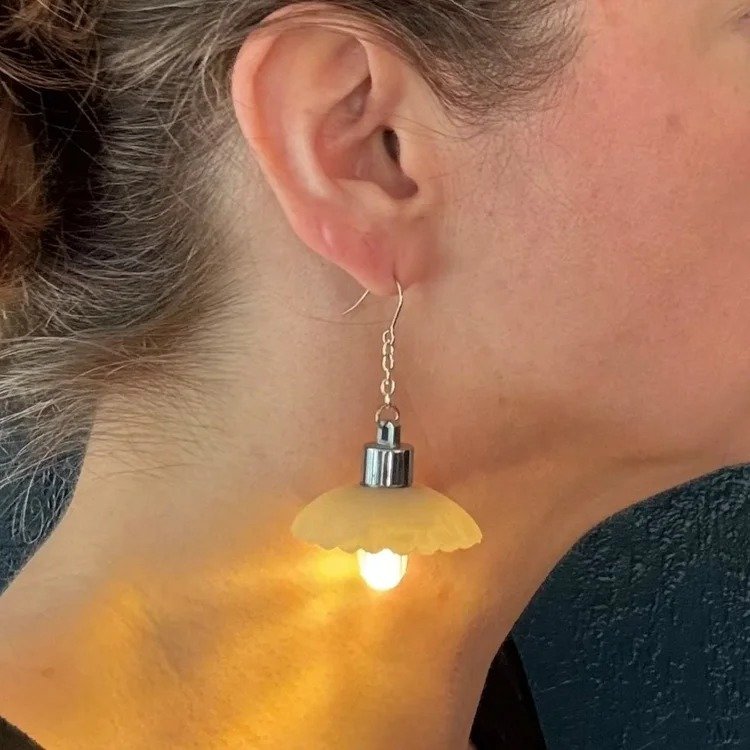
In the intersection of high fashion and functional electronics, a new trend is emerging that transcends the boundaries of traditional jewelry. Missouri-based ceramic artist and jewelry maker Kate Schroeder has captured the imagination of the design community with her latest innovation: "Chandeliearrings." These are not merely decorative accessories; they are miniature, wearable light installations that blend the whimsical aesthetics of classical chandeliers with the precision of modern LED technology.
By marrying the tactile, artisan nature of polymer clay with the cold, efficient glow of micro-electronics, Schroeder has created a product that defies the conventional categorization of jewelry. As the line between "accessory" and "gadget" continues to blur, the Chandeliearrings stand as a testament to the ingenuity of independent makers in the digital age.
The Core Concept: Where Art Meets Illumination
At the heart of the Chandeliearrings is a simple yet brilliant premise: why should illumination be confined to our ceilings and table lamps when it can be an extension of our personal style?
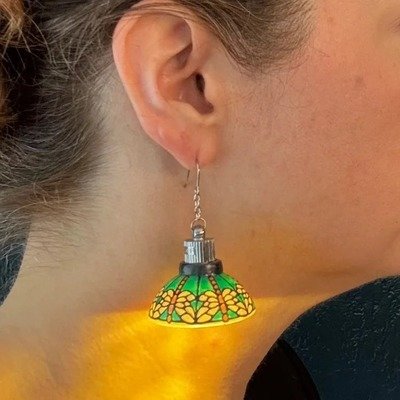
Schroeder, whose professional background is deeply rooted in the world of ceramic arts, pivoted toward polymer clay for this specific collection. The choice is both practical and aesthetic. Unlike traditional ceramics, which are heavy and fragile, polymer clay offers a lightweight, durable medium that can be molded into intricate, chandelier-inspired shapes while remaining comfortable enough for long-term wear.
Each earring is equipped with an integrated LED, powered by standard LR41 button batteries. These tiny power sources provide approximately 30 hours of continuous illumination. While the intensity of the glow does dim gradually as the battery life wanes, the effect remains consistent with the ethereal, soft-focus aesthetic that defines the brand’s visual identity.
A Chronology of Innovation: From Clay to Circuitry
The evolution of the Chandeliearrings is a study in iterative design.

The Early Prototyping Phase
Schroeder’s journey began with the challenge of miniaturization. Integrating a power source and a light source into a structure weighing between 8g and 16g (0.28 oz to 0.56 oz) required a delicate balance of engineering. Early prototypes focused on structural integrity, ensuring that the housing for the battery would not compromise the structural beauty of the clay-sculpted chandelier form.
Scaling the Production
As the concept moved from a singular art piece to a viable product line, the demand quickly outpaced the supply. Because each pair is handcrafted, the production process is labor-intensive. Schroeder transitioned into a batch-production model, a necessity for independent artisans maintaining a high quality of craftsmanship.
The Digital Storefront Era
The launch of the online shop at kateschroederceramics.com marked the transition of the Chandeliearrings from a localized curiosity to a globally sought-after fashion statement. The cycle of "launch, sell-out, and pre-order" has become the standard rhythm for the brand, highlighting the intense consumer interest in small-batch, handmade technological goods.
Supporting Data: The Specs Behind the Sparkle
To understand the appeal of the Chandeliearrings, one must look at the specifications that make them functional for the everyday wearer.
- Weight: Ranging from 8g to 16g per earring, they are designed to be substantial enough to feel high-quality, but light enough to avoid earlobe fatigue—a common complaint with traditional, heavy chandelier-style jewelry.
- Power Source: The use of LR41 button batteries is strategic. They are globally available, inexpensive, and easily replaced, ensuring that the consumer is not locked into a proprietary power ecosystem.
- Price Point: With a range of $20 to $100, Schroeder has effectively positioned the earrings as an "accessible luxury." They serve as an entry point for tech-enthusiasts looking to experiment with wearable tech without the prohibitively high costs associated with more complex smart-jewelry.
- Versatility: Recognizing the diversity of her customer base, Schroeder offers both pierced and clip-on varieties. This inclusive design choice acknowledges that fashion-forward technology should be accessible to everyone, regardless of whether they have pierced ears.
The Artisan’s Perspective: Why Polymer Clay?
While many tech-centric fashion items utilize 3D-printed plastics or metallic housings, Schroeder’s commitment to polymer clay sets her apart. Polymer clay is a versatile medium that hardens when baked, allowing for a level of organic detail that is difficult to replicate with industrial-grade 3D printing.
In an interview-style reflection on her process, it is clear that the medium is a choice of character. The "hand-built" aesthetic provides a human touch that grounds the cold, digital nature of the LEDs. The juxtaposition of the soft, matte surface of the clay and the sharp, piercing light of the LEDs is what creates the "Chandeliearring" effect—a bridge between the old-world artisan tradition and the new-world tech aesthetic.
Market Implications: The Future of Wearable Tech
The success of the Chandeliearrings is a micro-indicator of a larger shift in the consumer electronics market. For the past decade, the narrative of "wearable technology" has been dominated by massive corporations producing smartwatches and fitness trackers. These devices are often criticized for their clinical, utilitarian design.
Schroeder’s work suggests a different path: Functional Adornment.
1. The Rise of the "Maker-Entrepreneur"
The Chandeliearrings prove that small-scale, independent makers can challenge the status quo by focusing on emotional and aesthetic resonance rather than purely data-driven utility. By leveraging social media and direct-to-consumer digital sales, artisans are bypassing the traditional gatekeepers of the fashion and tech industries.
2. The Aesthetics of Utility
There is a growing consumer fatigue regarding the "black box" aesthetic of modern gadgets. People are looking for technology that integrates seamlessly into their personal identity rather than standing out as a piece of hardware. The Chandeliearrings succeed because they look like art first and electronics second.
3. Sustainability and Modular Design
While the batteries are replaceable, the long-term sustainability of wearable tech remains a concern. The Chandeliearrings’ simple, modular design—where the user can easily swap out the power source—is a stark contrast to the "planned obsolescence" of many consumer tech devices. This encourages a longer product lifecycle, which resonates with the current consumer push for more sustainable purchasing habits.
Community and Scarcity: The Pre-Order Economy
The fact that Schroeder’s batches frequently sell out is not just a sign of popularity; it is a manifestation of the "pre-order economy." In this model, the artist manages their carbon footprint, supply chain, and financial risk by gauging demand before production.

For the consumer, this creates a sense of exclusivity. When a customer places a pre-order for a batch scheduled to ship on November 15th, they are not just buying a product; they are participating in a process. They are waiting for a bespoke item that is being created specifically for them. This level of engagement builds a loyal community around the brand, one that is far more durable than the transient following of a mass-market accessory brand.
Addressing the Challenges of Small-Batch Tech
While the popularity of the Chandeliearrings is undeniable, the model is not without its hurdles. Scaling an artisan business that relies on manual assembly is notoriously difficult. Every hour spent soldering, testing, and molding is an hour that cannot be spent designing new collections.
Furthermore, the integration of electronics requires a level of quality control that is vastly different from traditional jewelry making. Ensuring that each LED functions correctly, that the batteries are seated securely, and that the wiring is protected against the moisture of the human body (sweat and perfume, for instance) requires a unique skillset.
Schroeder’s ability to maintain these standards while continuing to innovate is a testament to her technical aptitude. She is operating at the intersection of three highly specialized fields: industrial design, electrical engineering, and traditional sculpture.
Conclusion: The Path Ahead
As we look toward the future, the success of Kate Schroeder’s Chandeliearrings offers a roadmap for the next generation of designers. It highlights that the most compelling technology is often that which disappears into the fabric of our lives—or in this case, our ears.
Whether you are a tech enthusiast, a fan of avant-garde fashion, or simply someone who appreciates the beauty of a well-crafted object, the Chandeliearrings offer something rare: a moment of wonder. In a world increasingly dominated by screens, the simple act of wearing a light—of literally being a beacon—is a powerful statement of human creativity.
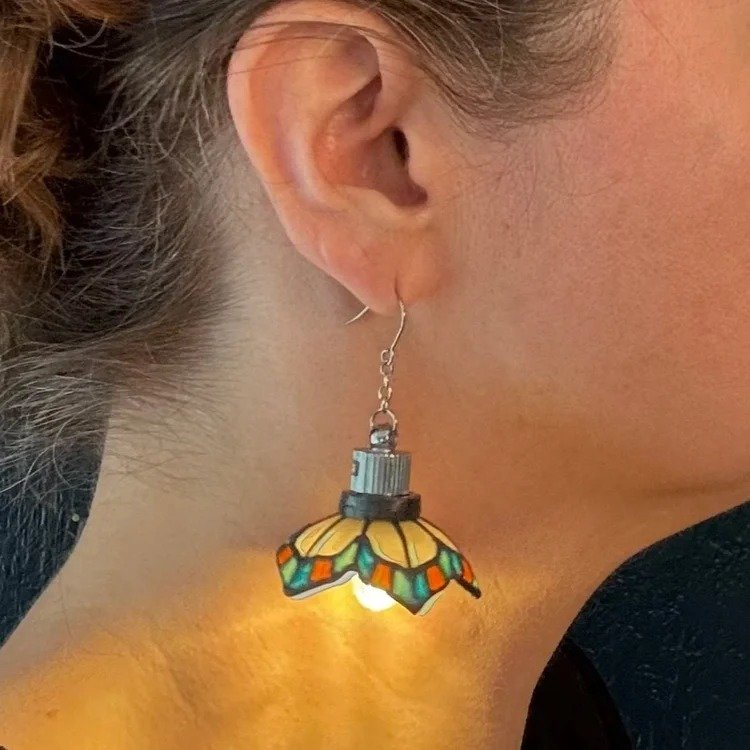
As the next batch of these luminous creations prepares to ship this November, one thing is certain: the market for "functional art" is only growing. And with artists like Kate Schroeder leading the charge, the future of fashion looks brighter than ever.
Further Reading and Engagement
For those interested in securing their own pair, it is recommended to monitor the official website closely. Given the high demand and the nature of the batch-release system, staying informed through official newsletters or social media updates is the most effective way to participate in the upcoming sales cycles.
As the project continues to evolve, the design community will be watching to see how Schroeder expands her line—perhaps moving beyond LEDs into more interactive or responsive technologies. Until then, the Chandeliearrings remain a glowing beacon of what happens when a creative mind decides to let there be light.
About the Author