The intersection of artificial intelligence and robotics has long been a frontier of speculation, but the Las Vegas-based firm Realbotix is moving the concept from the realm of science fiction into the living room—albeit with a significant price tag and a recurring monthly bill. As the company prepares to roll out its "Echo" line of robotic humanoids, the industry is grappling with a new, controversial business model: the commodification of human-like companionship through subscription-based tiers.
Main Facts: The Echo Ecosystem
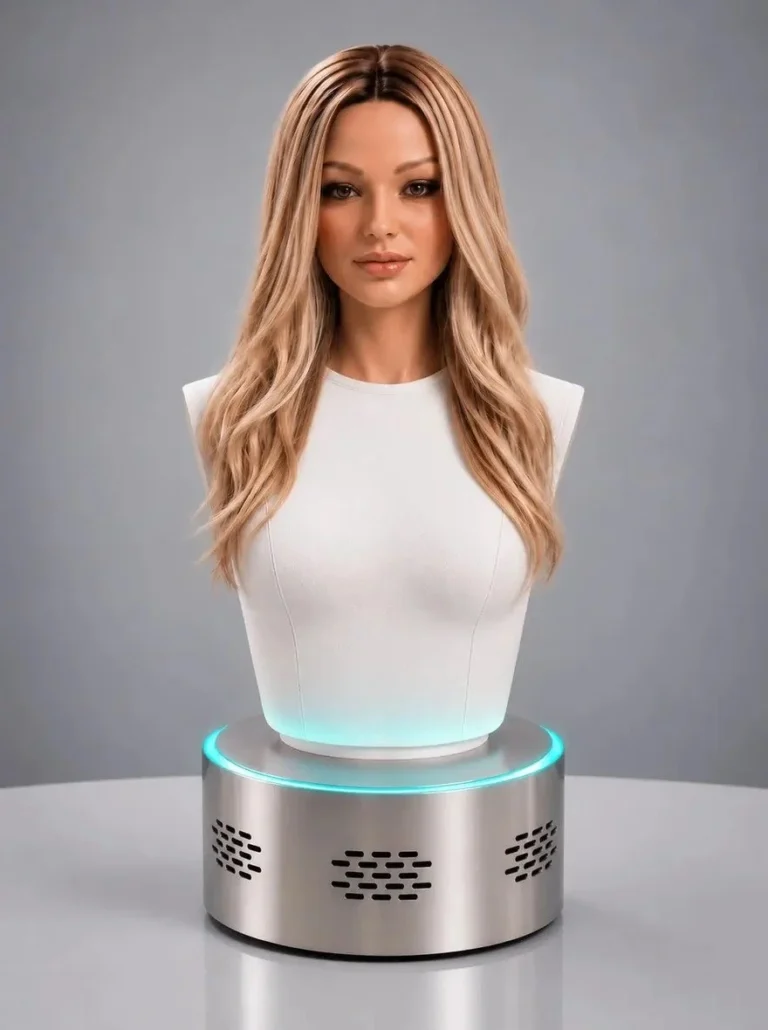
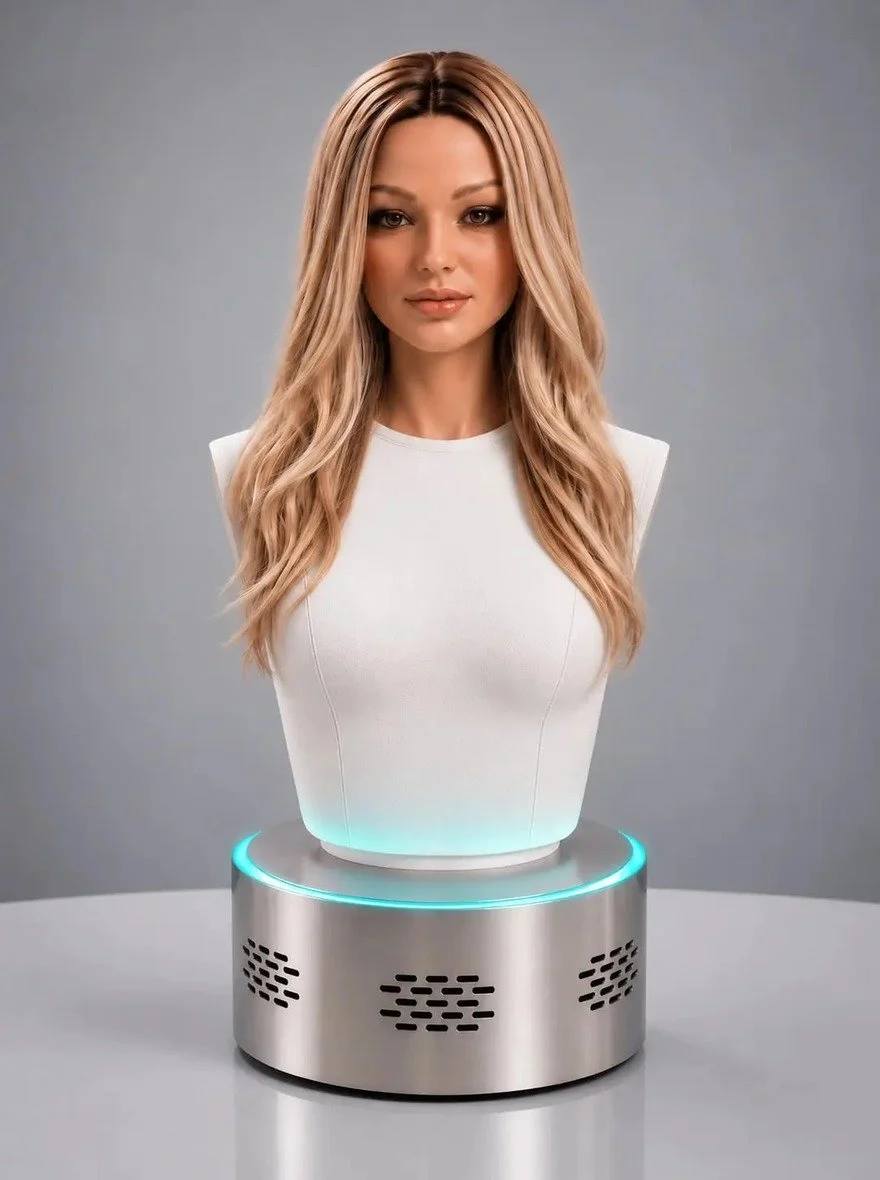
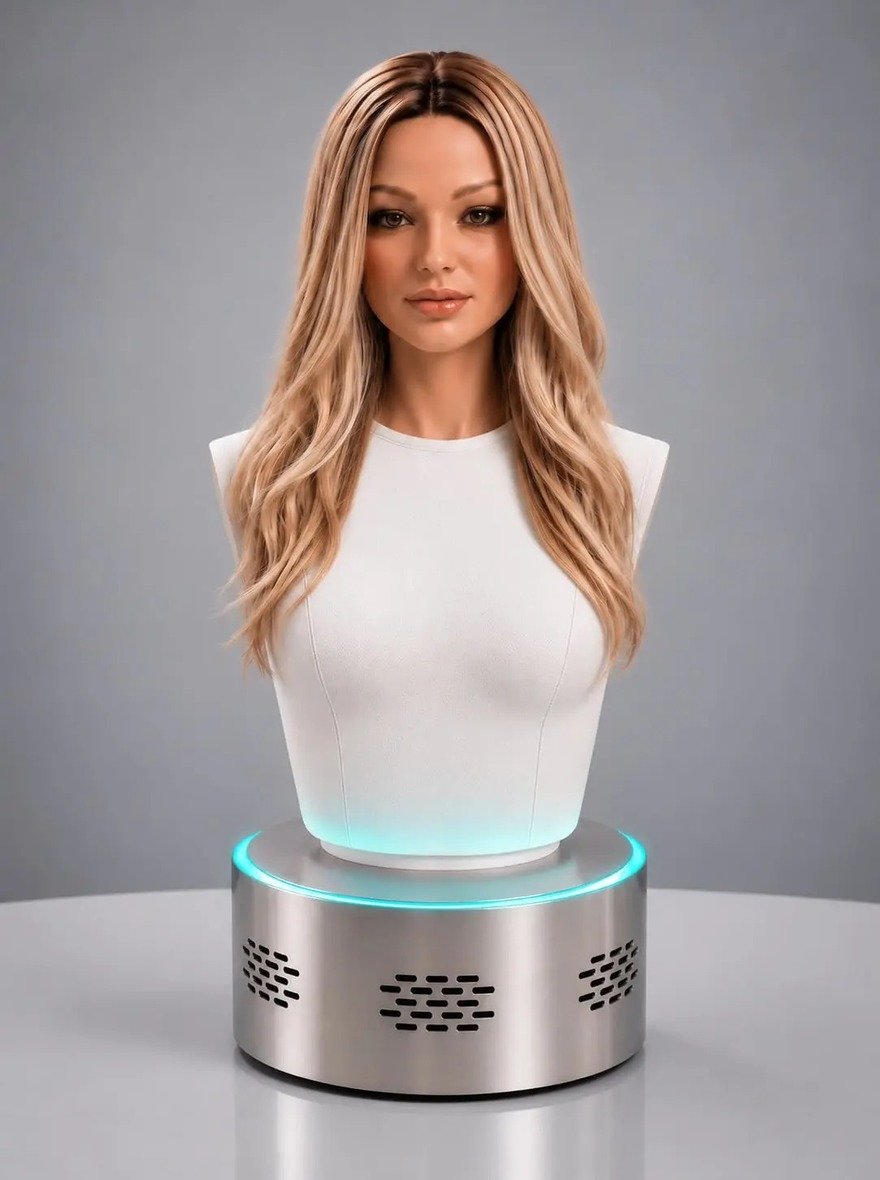
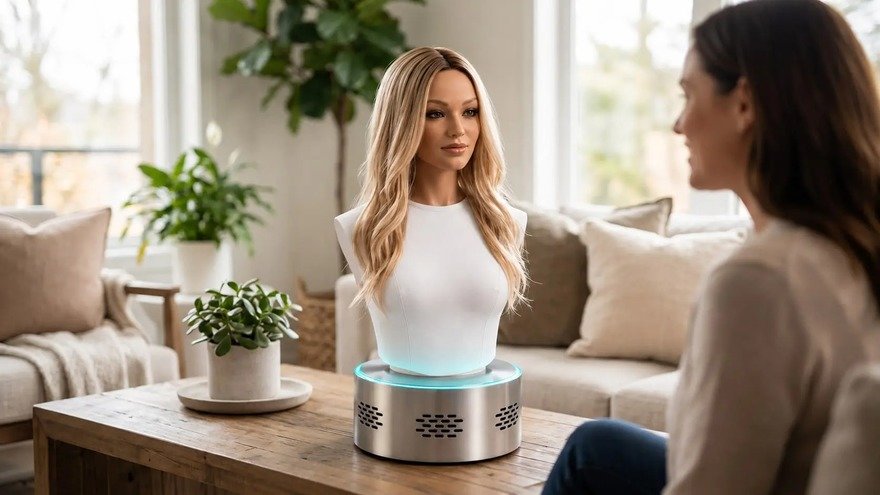
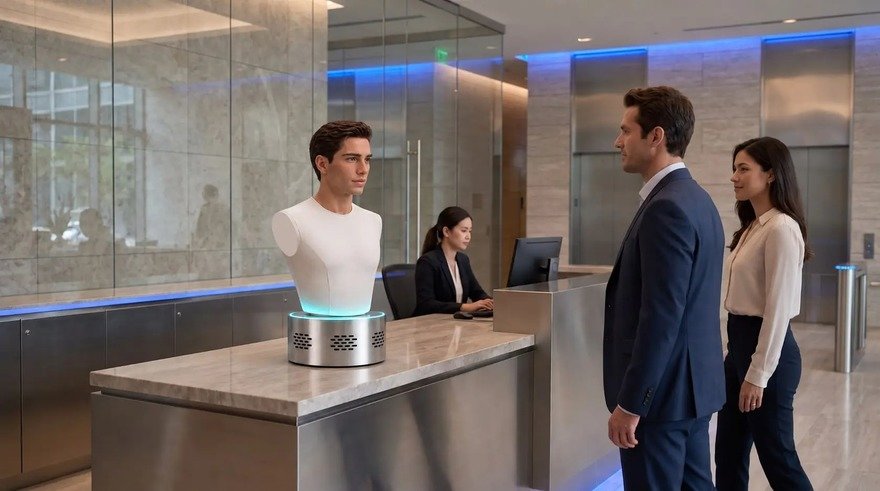
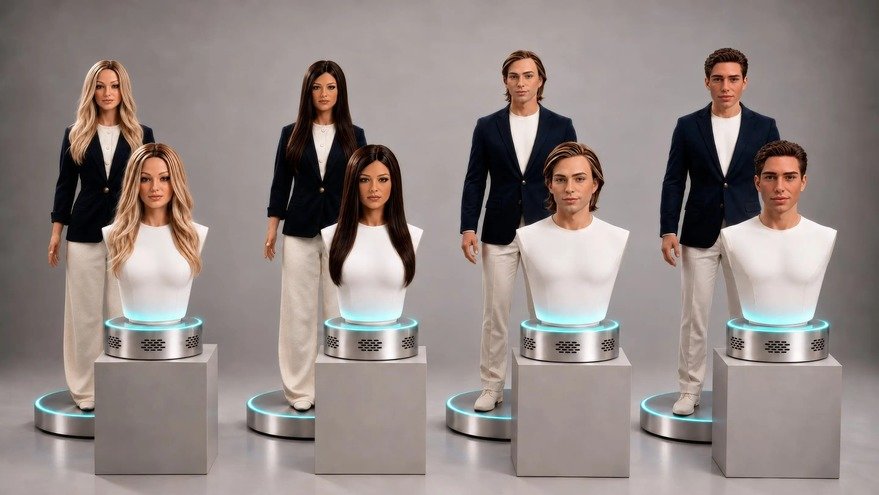
At its core, the Echo project is a series of robotic torsos—comprising a head, neck, and chest—designed specifically for conversation and companionship. By stripping away the complex, expensive, and often cumbersome mechanics required for full-body mobility, Realbotix aims to focus on the "social interface."

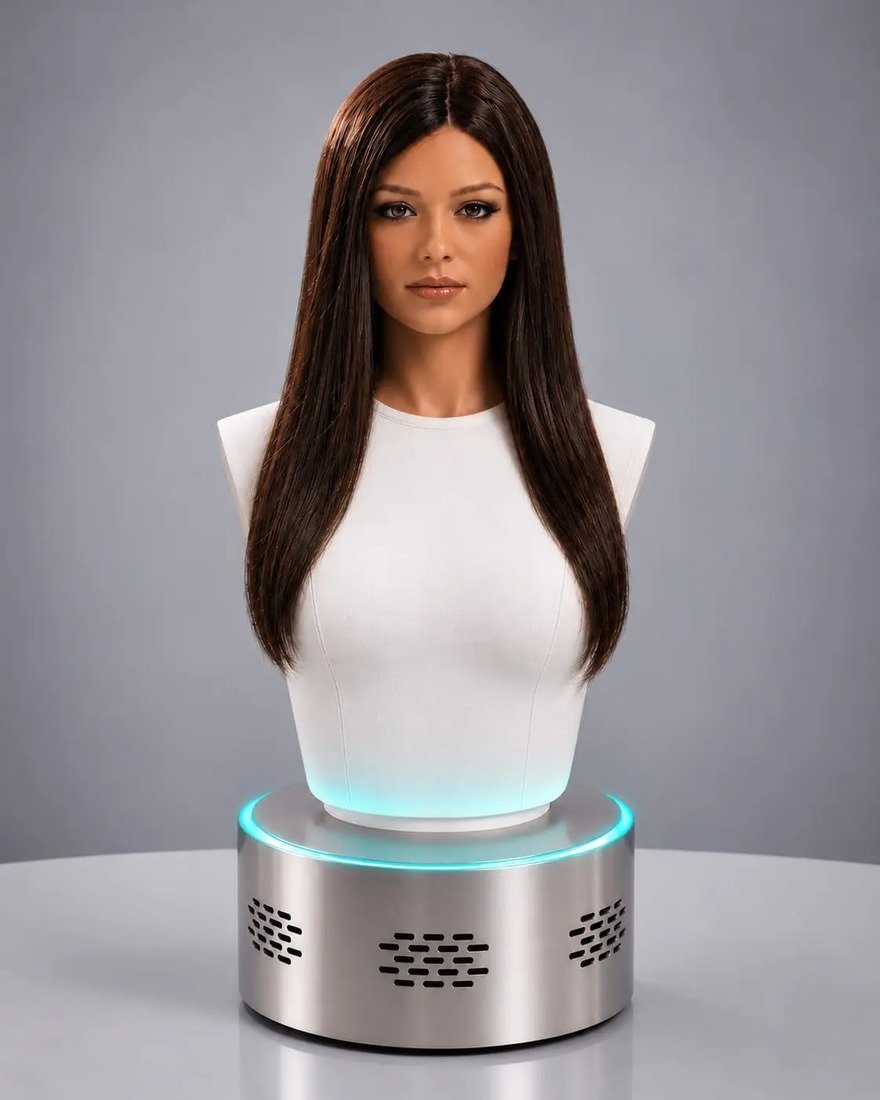
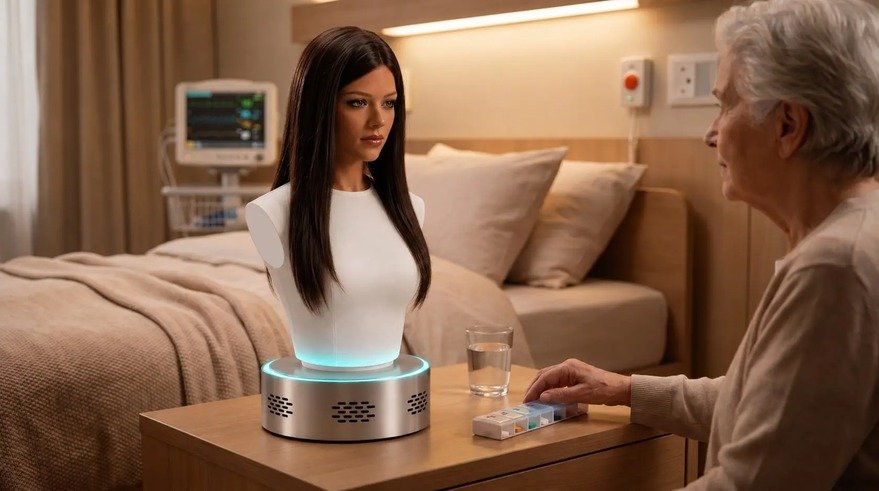
The company is launching with four distinct personas: Aria, Mila, Dave, and Amar. Each unit features a silicone-skinned exterior designed to mimic human tactile sensations and facial expressions, paired with AI-driven software that allows the robots to listen, react, and maintain dialogue.
However, the hardware is only the entry point. The base configuration for a head-and-torso Echo unit starts at $11,950. For those seeking a more complete human form, full-body models are available for $59,950, though the functional utility of the limbs beyond basic gesture movement remains a subject of skepticism among industry analysts. Perhaps most jarring is the "feature-gating" of fundamental human social interaction: the robots are not inherently capable of making eye contact or recognizing their owners. To achieve this, a customer must purchase an additional $24,950 vision system, which integrates cameras directly into the robot’s eyes.
The Subscription Economy of Sentience
Perhaps the most contentious aspect of the Realbotix model is the implementation of a tiered, monthly subscription service. In an era where software-as-a-service (SaaS) has become the standard for digital tools, applying this model to a physical companion has ignited a firestorm of debate regarding digital ownership and the ethics of social infrastructure.
The subscription plans are structured as follows:
- Base Plan ($20/month): Provides a limited capacity of 10 hours of conversation.
- Plus Plan ($40/month): Increases the limit to 40 hours, unlocks "expressive" vocal ranges, provides access to over 100 languages and regional accents, and allows users to "edit" the personality of their robotic companion.
- Enterprise Plan ($200/month): Offers 100 hours of conversation, the most advanced AI processing models, the ability to generate custom character archetypes, and API access to integrate third-party AI models.
This pay-to-talk structure creates a peculiar reality: a customer who has already paid five figures for a physical object must still budget for the privilege of hearing that object speak.
A Chronology of the Synthetic Companion
The development of Echo represents the culmination of a decade of rapid advancement in conversational AI and soft-robotics. While the general public became aware of AI-driven chatbots like ChatGPT only recently, the research behind "social robots" has a longer, more circuitous history.
- 2010s: The Rise of Animatronics: Companies like Realbotix began by focusing on high-end, silicone-based animatronics. These early versions were largely static, designed for aesthetic display rather than interactive dialogue.
- 2020-2022: The Generative AI Explosion: The emergence of Large Language Models (LLMs) fundamentally changed the trajectory of the company. It was no longer necessary to pre-program scripts; robots could now theoretically "think" on their feet.
- 2023: The Prototype Phase: Realbotix began testing the integration of LLMs into their lifelike faces. Initial demonstrations showed a significant leap in naturalistic reaction times and vocal modulation.
- 2024: The Commercial Launch: The announcement of the Echo line marked the shift from prototype to consumer product. The company opened a $200 reservation system, with full units scheduled for shipment in 2025.
Supporting Data and Technical Reality
The technical barrier to entry for a "lifelike" robot is significantly higher than that of a standard smart speaker. The Echo’s face is constructed from high-grade silicone, designed to mimic the elasticity and texture of human skin. Behind this shell, a complex array of micro-servos drives the facial expressions, allowing for nuances like a furrowed brow or a subtle smile.
However, the "AI" component remains the most volatile variable. The company’s marketing materials—some of which have been criticized for utilizing AI-generated video rather than raw, unedited footage—suggest a fluidity that is often difficult to replicate in real-time latency. The reliance on cloud-based processing for these conversations means that a stable internet connection is not just a luxury, but a requirement for the robot’s "consciousness." If the servers go down, the companion remains silent.
Furthermore, the vision system, priced at a staggering $24,950, utilizes computer vision algorithms to track the user’s gaze. Without this, the Echo is essentially a blind orator, incapable of confirming that it is truly "present" with the user.
Official Responses and Corporate Strategy
Realbotix maintains that their pricing and subscription models are a necessary reflection of the high operational costs associated with maintaining such complex AI infrastructure. In press communications, the company emphasizes the "customization" aspect of the Echo, arguing that users are not just buying a machine, but a bespoke social experience.

"Every Echo talks, listens, and reacts with a personality of its own," the company stated in a recent press release. By framing the robots as "companions" rather than "appliances," Realbotix is attempting to carve out a niche in the burgeoning loneliness economy. They argue that the subscription fees cover the ongoing costs of server maintenance, continuous model updates, and the development of new character personality traits that can be downloaded to the unit over time.
Implications: The Ethics of the "Digital Human"
The release of the Echo raises profound ethical and societal questions. First is the issue of social isolation. Critics argue that by selling a "perfect" companion that is programmed to be agreeable and attentive, the company is creating a feedback loop that discourages the messy, unpredictable, and often difficult nature of real human relationships. If one can purchase a friend who never judges, never gets tired, and always listens, what becomes of the motivation to engage with the outside world?
Second is the long-term stability of the product. What happens if the company goes out of business or decides to discontinue the servers that power the Echo’s "brain"? The owner would be left with an expensive, non-functional sculpture—an "electronic brick" that serves as a grim reminder of the volatility of subscription-based hardware.
Third is the data privacy aspect. Because these robots are designed to learn from their users—to understand their preferences, their tone, and their secrets—the amount of personal data being processed is immense. The security of this data, and the potential for it to be used to refine advertising profiles or sold to third parties, is a concern that has yet to be fully addressed by the company’s terms of service.
Conclusion: A Mirror of Ourselves?
The Echo robots are, in many ways, a mirror of our current technological zeitgeist. They are impressive, expensive, and deeply unsettling. As we move into 2025, the market will determine whether consumers are truly looking for a synthetic friend, or if this is merely a curiosity for those with the capital to afford the latest novelty.
Whether the Echo becomes a standard-bearer for the next generation of social technology or a cautionary tale about the over-commercialization of human intimacy remains to be seen. What is clear, however, is that the line between human and machine is becoming increasingly blurred, and the cost of crossing that line is now clearly marked in dollars and cents. As the pre-orders continue to roll in, society must prepare for the implications of a world where one’s best friend can be "turned off" if the monthly invoice goes unpaid.
About the Author