From the intricacies of mechanical engineering to the provocative edges of humanoid robotics, the design landscape this week has been nothing short of eclectic. As we look back at the innovations, architectural shifts, and clever industrial solutions captured by the Core77 editorial team between November 2 and November 6, 2026, it becomes clear that design is currently oscillating between extreme utility and experimental expression.
This report synthesizes the week’s most compelling developments, analyzing the mechanics, aesthetics, and social implications of the projects that defined our recent discourse.
I. Main Facts: The Intersection of Form and Function
The week’s findings can be categorized into three primary pillars: Invisible Utility, Human-Machine Interfaces, and Experimental Fabrication.
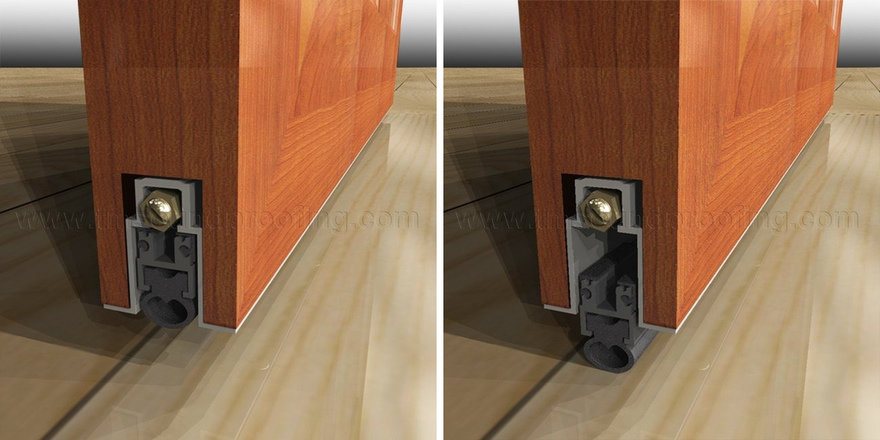
The discourse began with the mundane made magical. Often, the most significant design improvements are those that go unnoticed—the silent, high-performance hardware that makes a space functional. The spotlight on "automatic drop-down door seals" highlights a resurgence in appreciation for architectural hardware that solves acoustic and thermal leakage without compromising aesthetic cleanliness.
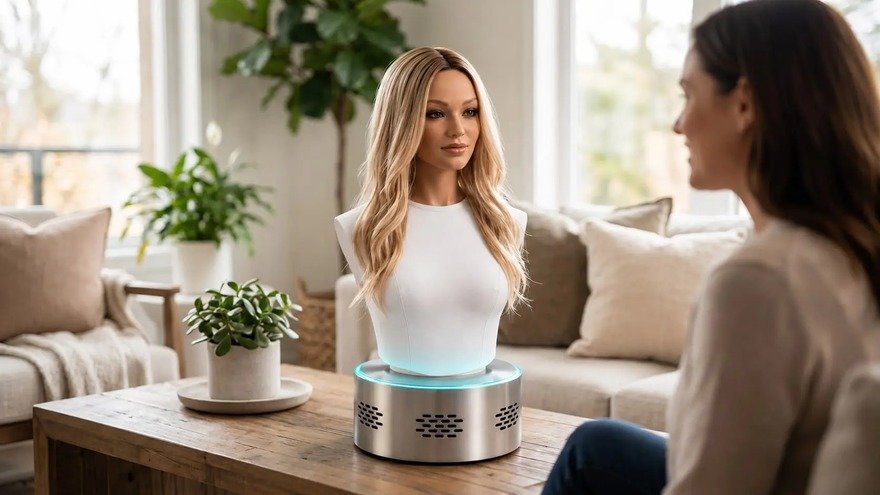
Conversely, the week saw a sharp focus on the "human-machine" spectrum. Projects like the Aegis Rider HUD system for motorcyclists and the unsettling, yet technically impressive, humanoid torsos from Realbotix represent opposite ends of the spectrum: one seeking to enhance human safety through augmented information, the other seeking to simulate human connection through synthetic companionship.
II. Chronological Review: A Week of Iterative Design
Monday–Tuesday: Mechanical Precision and Automotive Aesthetics
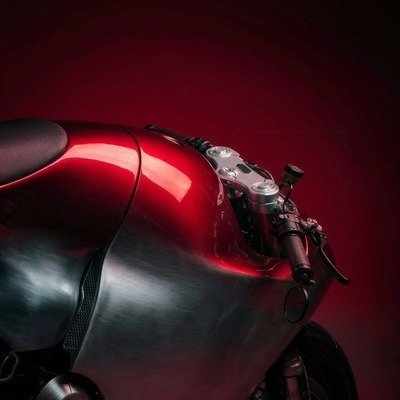
The week opened with a deep dive into the Bandit9 RED 800 motorcycle. Its unique fairings are not merely stylistic choices; they represent a bold departure from traditional motorcycle chassis design, emphasizing aerodynamic flow through a singular, metallic aesthetic. This was balanced by the PureSelfMade wind turbine workshops, which democratized energy production, proving that technical design need not be the sole purview of corporate R&D labs.
Wednesday: The Evolution of Domestic Objects
Mid-week, the focus shifted to the home office and personal lighting. Bebop’s AwesomePre offered a refined, alternate take on the ubiquitous booklight, demonstrating how even the most solved products can undergo significant UX refinement. This was paired with the Urban Desk, a study in space-saving efficiency that addresses the "hide-away" necessity of modern, smaller-footprint urban living.
Thursday: Architectural and Industrial Breakthroughs
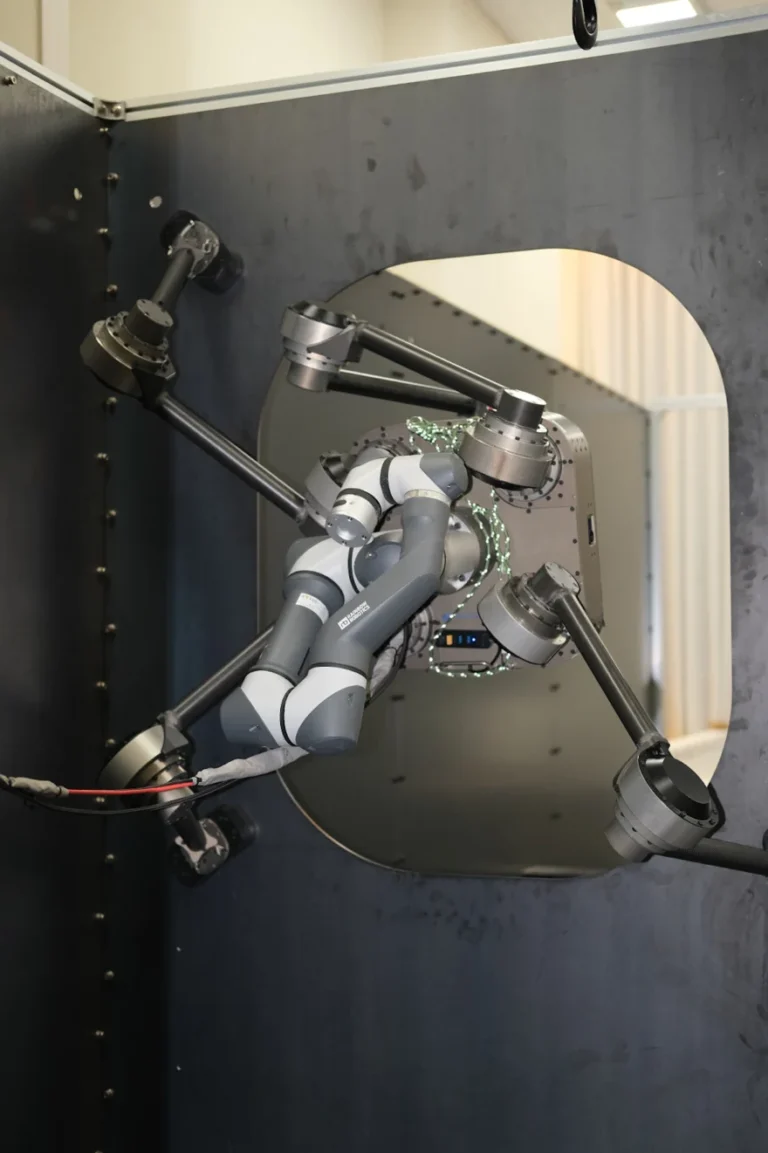
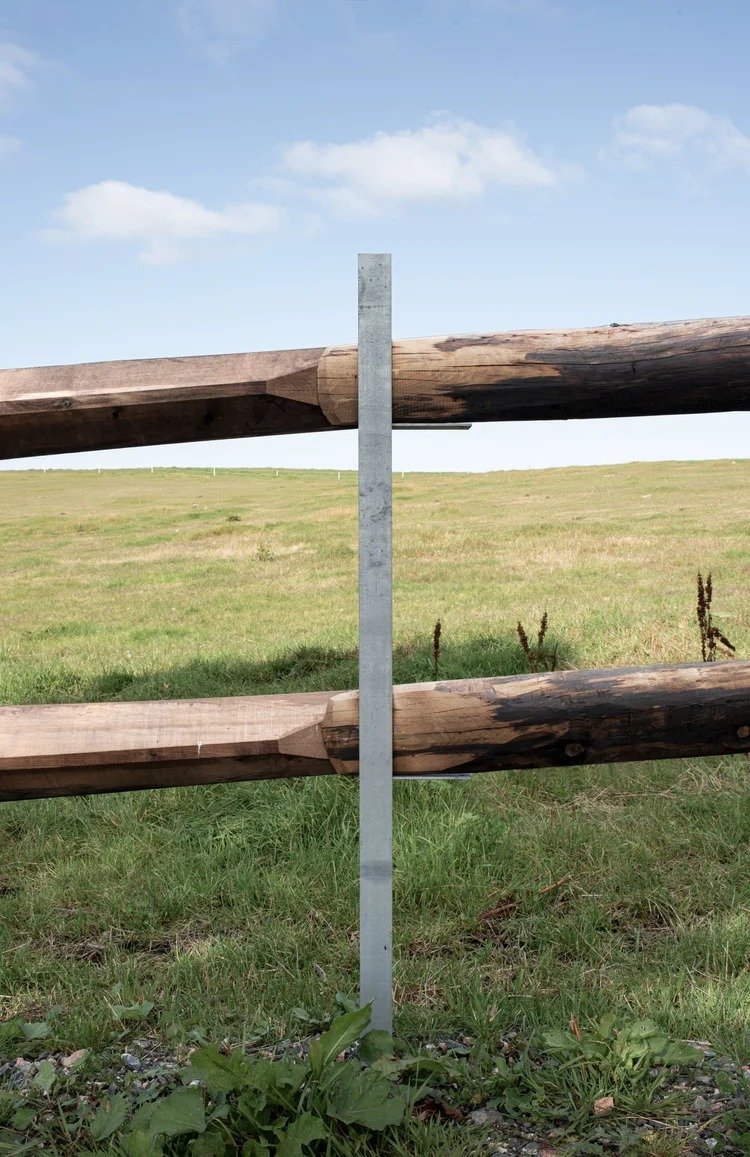
Thursday’s coverage was dominated by a modern reinterpretation of the split-rail fence by Rever & Drage. By taking a primitive, historic structural form and injecting contemporary Norwegian design sensibilities, the firm highlighted the value of cultural continuity in landscape architecture. On the more aggressive end of the spectrum, we saw the magnetic-footed spider-bot, a marvel of industrial robotics capable of navigating complex steel surfaces for welding applications.
Friday: The Quirky and the Complex
The week closed with a mix of whimsy and deep-level engineering. From the "Chandeliearrings" by Kate Schroder—a clever play on wearable LED lighting—to the Hollow Clock that features floating hands without a transparent pane, the week concluded by questioning our assumptions about how objects are meant to move and illuminate.

III. Supporting Data: Analyzing the UX and Mechanical Shifts
The projects featured this week share a common trait: they identify a "pain point" and apply a design-led intervention to resolve it.
- The UX of Safety: The Aegis Rider HUD is perhaps the most significant functional design featured. By solving the focal-length and latency issues inherent in current motorcycle Head-Up Displays, they aren’t just adding a feature; they are mitigating the cognitive load on riders.
- Material Efficiency: The "round-to-square" table and the Urban Desk reflect a broader trend in furniture design: the necessity of the "transformable" object. As urban density increases, furniture that can adjust its geometry becomes a primary requirement rather than a luxury.
- Security Through Design: The article regarding anti-vandalism measures for mailboxes provides a fascinating look at "folk design"—the intersection of "redneck" ingenuity and formal design principles. It highlights how community-led, grassroots problem solving often produces solutions more effective than standard, mass-manufactured security hardware.
IV. Official Responses and Industry Perspectives
While many of these projects come from independent designers or boutique firms, the industry-wide response to these developments has been one of cautious optimism.
Industrial design firms like Bebop continue to advocate for the "design-first" approach to commodity electronics. Their work on the AwesomePre is cited as a benchmark for how small-scale lighting can be elevated through material choice and ergonomic consideration.

Regarding the more controversial developments, specifically the Realbotix humanoid torsos, the design community remains divided. Ethical designers are raising questions about the "uncanny valley" and the psychological implications of designing objects meant to mimic human companionship. The general consensus among critics is that while the mechanical achievement is profound, the societal framework for such devices remains underdeveloped and requires intense philosophical scrutiny.
V. Implications: Where Design Is Heading
1. The Rise of "Invisible" Infrastructure
The automatic door seals and the hidden-desk designs are indicative of a move toward "minimalist interiority." Users are demanding that their environments remain clutter-free, pushing designers to hide the mechanical and structural components that make modern living possible.
2. The Democratization of Complex Engineering
The success of the wind turbine workshops suggests that the "Maker Movement" is maturing. It is no longer just about 3D printing trinkets; it is about DIY energy production, infrastructure, and high-level industrial capabilities. This shift will likely lead to a more tech-literate populace capable of maintaining and iterating on their own hardware.
3. The Future of Kinetic Art and Timekeeping
The Hollow Clock is a perfect example of a design object that serves as a conversation piece. By removing the glass pane and the central axle, the designers have turned the act of telling time into a performance. This signals a trend in high-end design where the function of an object is secondary to the experience of its mechanism.
4. Human-Centric Safety
The advancements in HUD technology for motorcyclists and the robust industrial welding bots highlight a bifurcation in robotics. We are moving toward a future where robotics are either deeply integrated into the human experience (enhancing our senses and safety) or completely removed from the human context (operating in dangerous environments like welding, where humans shouldn’t be).
Conclusion
The week of November 2–6, 2026, serves as a microcosm of the current design zeitgeist. We are moving away from the era of "disposable design" and toward an era of "functional longevity." Whether it is a mailbox modified to withstand vandalism, a desk that adapts to a tiny apartment, or a motorcycle fairing designed for optimal laminar flow, the common thread is a commitment to solving problems through thoughtful, intentional, and often clever application of industrial design principles.
As we move forward into the winter, these projects serve as a reminder that good design is not just about how things look—it is about how they perform when the world demands more from them. We look forward to seeing how these prototypes and concepts evolve into the standard products of tomorrow.
About the Author