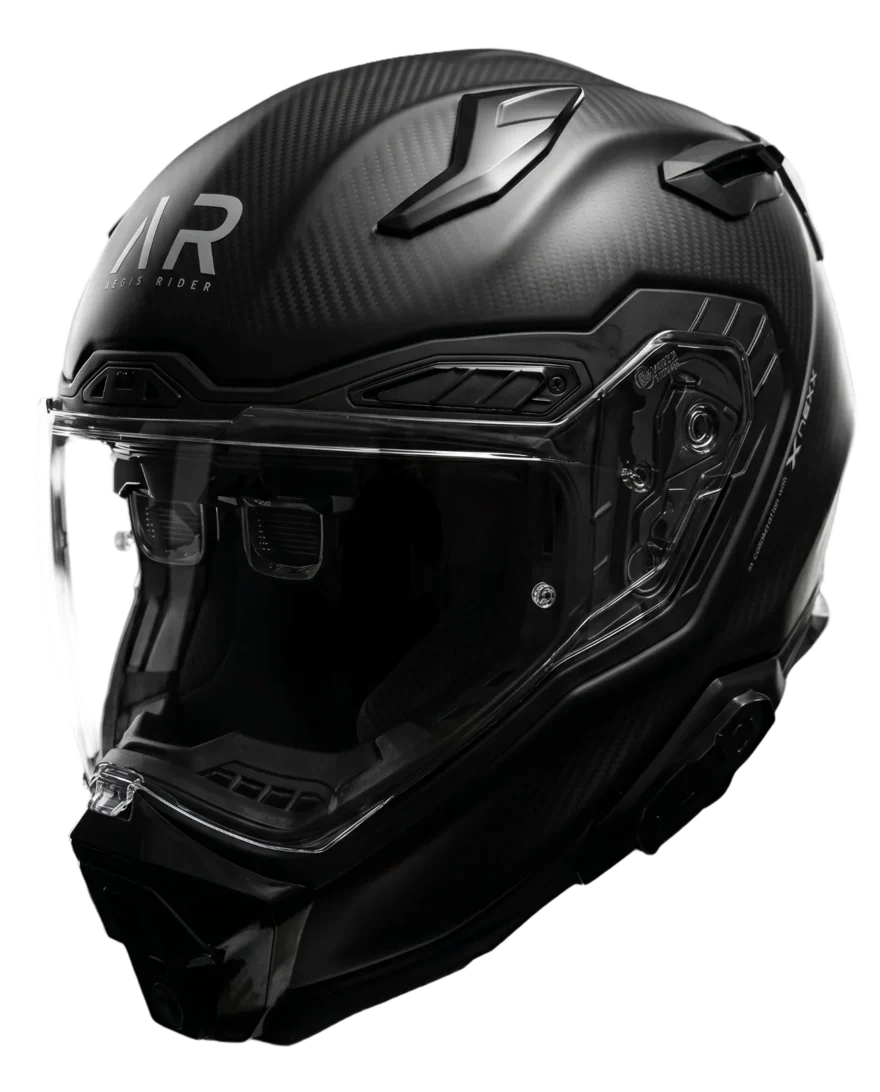
For over a decade, the automotive industry has touted the Heads-Up Display (HUD) as the pinnacle of driving convenience and safety. By projecting vital information like speed, navigation, and fuel levels directly onto the windshield, manufacturers have successfully minimized the time drivers spend glancing at their instrument clusters, keeping their eyes locked firmly on the road.
However, when this technology migrated to the world of motorcycling, it hit a significant, literal, and metaphorical wall. The mechanics of a motorcycle do not afford the same luxury of a fixed, external projection surface as a car. While a car’s windshield remains stationary relative to the driver’s eyes, a motorcycle helmet moves in tandem with the rider’s head. This creates a persistent, intrusive UX (User Experience) nightmare: a digital display that obscures the rider’s vision exactly when they need it most.
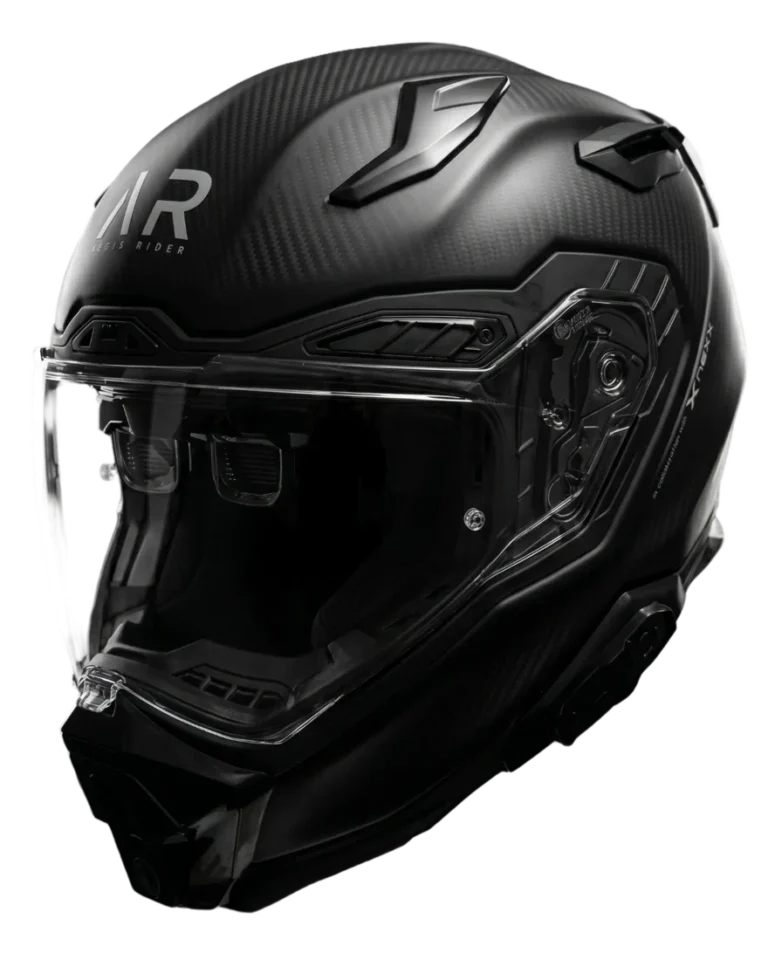
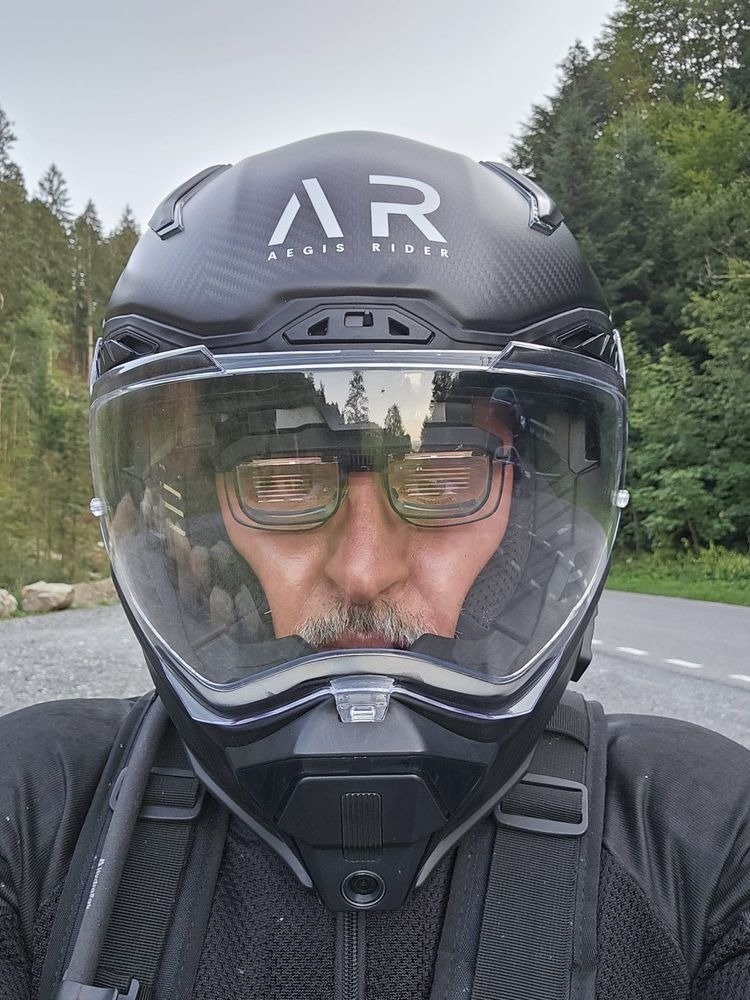
Swiss augmented reality (AR) innovator Aegis Rider has finally addressed this structural design flaw. By moving beyond traditional projection and introducing sophisticated spatial tracking, the company’s new "Vision" helmet promises to redefine how motorcyclists interact with their data.
The Fundamental Flaw: The Problem with Helmet-Mounted HUDs
To understand why Aegis Rider’s innovation is so significant, one must first analyze the inherent UX conflict of current motorcycle HUD systems.
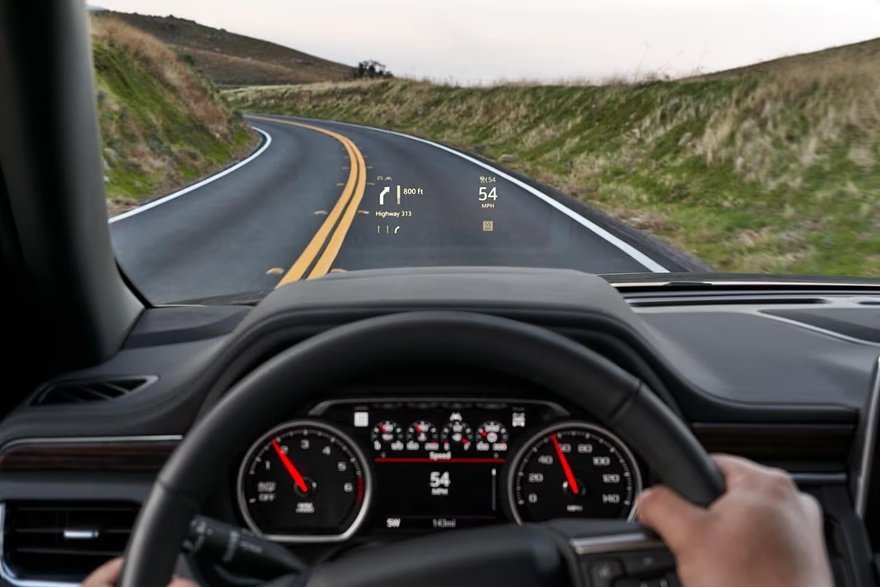
In an automobile, the windshield is an extension of the chassis. The HUD is calibrated to that chassis, meaning the data stays anchored to the horizon or the road ahead. Whether the driver turns their head to check a blind spot or leans in to adjust the climate control, the projection remains fixed in space.
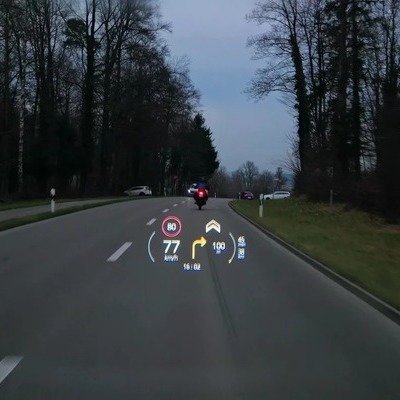
On a motorcycle, the "windshield" is effectively the rider’s visor. When a HUD is mounted inside a helmet, it is tethered to the skull. If the rider turns their head to check traffic at an intersection, the digital display—speed, GPS arrows, or gear indicators—swings across their field of vision. Instead of being an aid, the HUD becomes a distraction, physically blocking the very objects the rider is trying to scan. If the rider looks down to check their mirrors, the data shifts with them, creating a cluttered visual environment that can lead to "cognitive tunneling," where the rider becomes so focused on the display that they lose situational awareness of the road.
For years, this has relegated motorcycle HUDs to the realm of novelty—cool to look at in a showroom, but dangerous or irritating to use on a twisty mountain pass or in dense city traffic.
Chronology of the Innovation: From Concept to Vision
The journey toward a more natural HUD began with the realization that the helmet was the wrong place to anchor the data. Aegis Rider’s development timeline reflects a shift from "projection" to "spatial integration."
The Early Stages (2018–2020)
Early prototypes in the motorcycle tech space focused primarily on "Smart Helmets" that attempted to solve the power and connectivity issues. Companies tried to integrate Bluetooth, cameras, and batteries into the shell, but the UI remained "static"—anchored to the eye-line rather than the road.
The Aegis Breakthrough (2021–2023)
Aegis Rider, based in Switzerland, took a different approach. Instead of treating the helmet as a standalone computer, they treated it as a component of an ecosystem. By utilizing a high-precision sensor suite mounted on the motorcycle itself, they established a reference point for the bike’s orientation.
The Vision Release (2024)
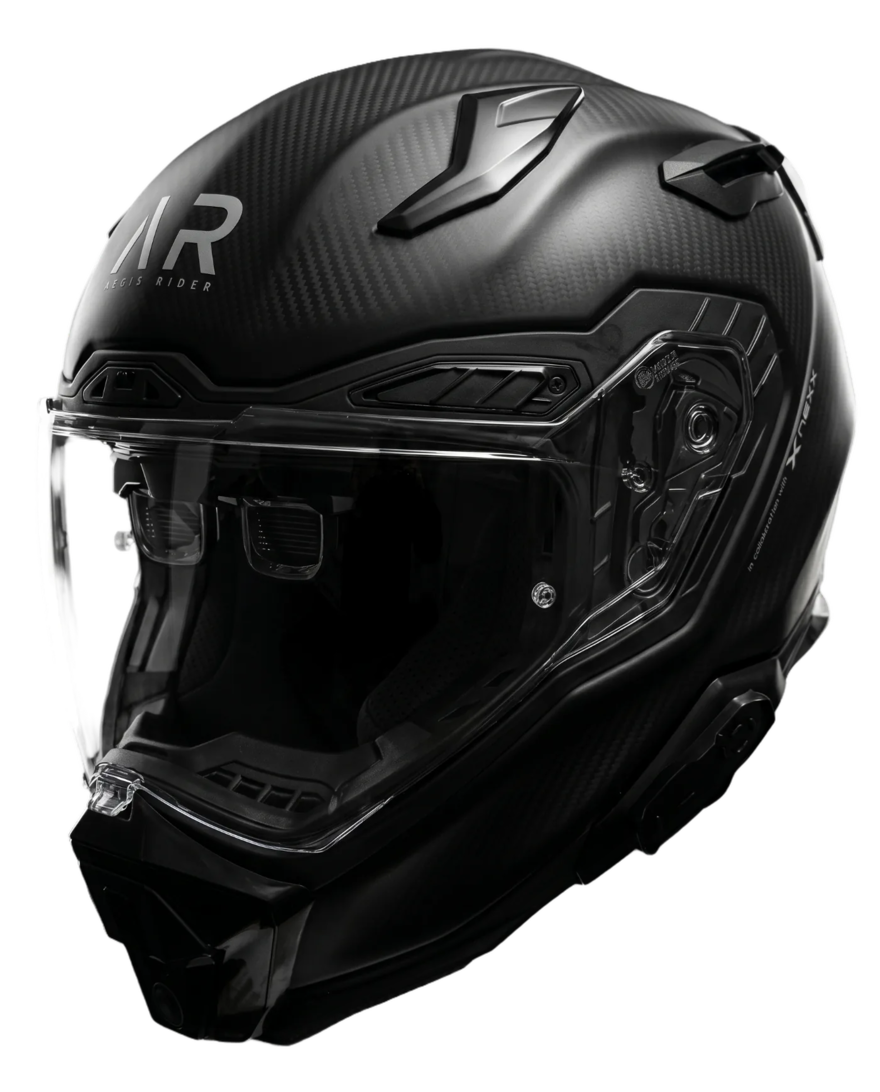
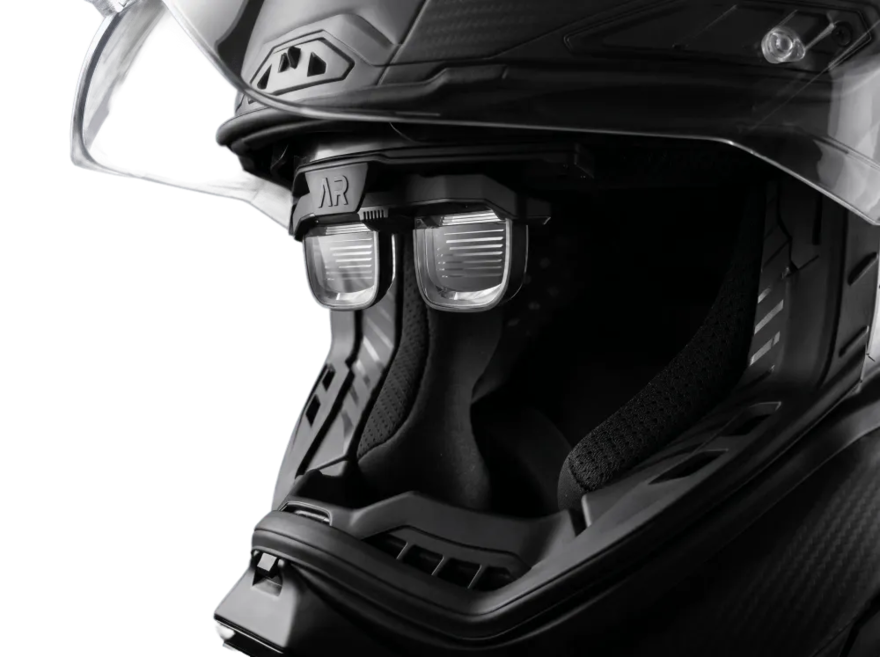
The culmination of this research is the Vision helmet. By integrating a tracking camera within the helmet that monitors the motorcycle’s position, the system creates a closed-loop spatial awareness. The bike knows where it is; the helmet knows where it is looking. The result is a dynamic display that floats in the real world, anchored to the road rather than the rider’s face.
The Technology Under the Hood
The magic of the Aegis Rider Vision lies in its proprietary sensor fusion. The system operates on a dual-input architecture:
- The Motorcycle-Side Sensor: A dedicated sensor array is installed on the motorcycle, capturing data on speed, lean angle, GPS coordinates, and proximity to other objects.
- The Helmet-Side Tracker: A low-latency tracking camera inside the helmet monitors the relationship between the helmet shell and the motorcycle frame.
By synthesizing these two streams of data, the system calculates the "World-Locked" position of the information. When the rider turns their head to the left, the software detects the change in head angle and commands the HUD projection to "shift" its perspective within the visor, ensuring the text remains fixed to the road ahead.
"Speed and navigation and more sit on the road ahead of you, anchored to your motorcycle, not to your head," the company explains. "Turn to check a mirror or look into a curve and the display steps out of your way."
This is a move from Augmented Reality in the sense of a simple overlay, to Mixed Reality, where the digital elements respect the physical geometry of the rider’s environment.
Supporting Data and User Metrics
While the price point of $2,000 might seem steep, it reflects the complexity of the internal electronics and the safety testing required for ECE-rated headgear. The Vision is available in seven sizes (XS to 3XL), ensuring that the internal tracking camera has a consistent, calibrated view of the rider’s face and the motorcycle’s cockpit.
Technical Specifications:
- Weight: Engineered for weight distribution to mitigate neck fatigue.
- Field of View: Optimized to ensure that while the HUD is accessible, it does not impede the peripheral vision required for high-speed riding.
- Connectivity: Seamless integration with standard motorcycle telemetry protocols (CAN-bus), ensuring that the data displayed is accurate to the millisecond.
The importance of this precision cannot be overstated. In motorcycle safety, latency is the enemy. A 200-millisecond delay in the HUD tracking could result in the display "swimming" or drifting, which is more distracting than no display at all. Aegis Rider’s proprietary processing ensures near-zero latency, creating an experience that feels as natural as looking through a clean piece of glass.
Official Responses and Industry Reception
The industry has reacted with a mix of cautious optimism and genuine excitement. Ergonomics experts in the motorcycle sector have long complained that current "Smart Helmets" were designed by software engineers rather than riders.
"Aegis Rider has finally done what we asked for: they stopped trying to make the helmet a computer and started making it a window," says one industry analyst. "By anchoring the UI to the bike rather than the eye, they’ve solved the fundamental motion-sickness and distraction issues that have plagued the category for years."
However, the company faces the challenge of adoption. With a $2,000 price tag, the Vision is targeted at the premium, tech-forward segment of the market—long-distance tourers and high-end commuters who value the integration of navigation and telemetry. Aegis Rider’s leadership has noted that as the technology matures, they hope to license their sensor-fusion software to other helmet manufacturers, potentially bringing the "World-Locked" UX to lower price brackets.
Implications: The Future of Motorcycling
The success of the Aegis Rider Vision has broader implications for the future of personal mobility.
Safety and Cognitive Load
By removing the "clutter" from the rider’s immediate field of vision, Aegis Rider is effectively reducing the cognitive load on the rider. Studies have shown that riders who are less distracted by their own equipment have faster reaction times to road hazards. If this technology becomes standard, we could see a measurable decrease in accidents caused by glancing at traditional, hard-to-read dashboards.
The "HUD" as a Standard Feature
We are approaching an inflection point where HUDs will move from being "add-ons" to being "standard equipment." If car manufacturers have proven that HUDs increase safety, the Aegis Rider approach proves that the technology is finally viable for two-wheeled vehicles.
The Regulatory Landscape
As these systems gain popularity, regulators will likely begin to scrutinize the safety of digital overlays. The Aegis Rider approach—keeping the display out of the primary line of sight when not needed—positions the company well for future certification standards. By prioritizing "decluttering" over "constant information," they have built a system that is likely to meet even the strictest safety guidelines.
Conclusion
The Vision helmet is more than just a piece of hardware; it is a masterclass in UX design. By recognizing that the primary problem with motorcycle HUDs wasn’t the quality of the projection, but the physics of the display’s anchor point, Aegis Rider has leapfrogged the competition.
For the rider, the benefits are clear: a cleaner, safer, and more immersive experience that allows them to keep their attention where it belongs—on the curves, the traffic, and the road ahead. While $2,000 is a significant investment, for those who spend their lives on two wheels, the value of a clearer view of the world is, quite literally, priceless.
Aegis Rider has demonstrated that in the future of motorcycling, the most sophisticated technology is the kind that knows when to get out of the way.
About the Author