By TechCrunch Editorial Staff
Updated: July 18, 2026, 12:30 PM PDT
Executive Summary
Waymo, the Alphabet-owned autonomous vehicle (AV) pioneer, has officially resumed its robotaxi operations in San Francisco following a brief, precautionary suspension earlier today. The pause was triggered by a significant power outage that impacted approximately 7,000 PG&E customers across the city. While the disruption was relatively short-lived, it highlights the ongoing challenges of integrating high-tech, AI-driven infrastructure into the complex, often unpredictable physical environment of a major metropolitan area. The incident serves as the latest chapter in a growing debate regarding the safety, reliability, and regulatory oversight of autonomous fleets during municipal emergencies.
A Chronology of the Disruption
The events of July 18, 2026, began to unfold during the midday hours as reports of a localized but intense power grid failure emerged. As PG&E worked to address the outage affecting 7,000 households and businesses, the impact rippled into the city’s transportation network.
By midday, users attempting to hail a Waymo vehicle in affected areas were met with an unusual notification. Social media reports, specifically a widely circulated screenshot posted by user @ethanmckanna, indicated that the Waymo application informed riders that service was “temporarily paused.” Furthermore, the app explicitly warned that “freeway routes are unavailable,” a measure likely taken to ensure that vehicles did not find themselves stranded in high-speed traffic zones should connectivity or localized power fail mid-transit.
The disruption lasted approximately one hour. During this window, Waymo’s fleet operations team transitioned into a "monitor and assess" mode, effectively grounding the vehicles to prevent the kind of chaotic stalls that have plagued the company in previous, more severe grid failures. By early afternoon, Waymo confirmed that normal operations had resumed, citing a successful assessment of local conditions.
The Anatomy of the Power Outage
The power failure, which hit San Francisco on a mid-July afternoon, underscores the vulnerability of even the most sophisticated autonomous fleets. While Waymo’s vehicles rely on sophisticated LIDAR, radar, and camera arrays—and possess a degree of onboard autonomy—they remain deeply tethered to the city’s digital and electrical ecosystem.
When traffic signals go dark and network connectivity fluctuates due to power instability, the "decision-making" capability of an AV can be compromised. If a vehicle cannot communicate with the cloud for routing updates or if its sensors are blinded by the loss of peripheral municipal infrastructure (such as smart intersections), the vehicle’s safety protocols typically force it to pull over or halt. In this instance, Waymo’s decision to proactively pause the service represents a shift toward more conservative risk management, prioritizing public safety over operational uptime.
Official Responses and Corporate Strategy
Waymo’s response to the incident was characterized by a swift pivot from initial ambiguity to transparent communication. In an early statement, a company spokesperson emphasized the necessity of the pause: "We are making temporary adjustments to our service while we monitor local conditions. We know riders depend on us, and we will return to normal operations as soon as possible."
Following the restoration of service, the company provided further context, revealing that the hour-long suspension was a calculated effort to "assess the scale of the power outage affecting a large portion of San Francisco and coordinate with local officials." This move suggests that Waymo is increasingly cognizant of the optics surrounding its fleet. By choosing to voluntarily ground the vehicles, the company likely sought to avoid a repeat of the negative headlines that emerged during the December 2025 blackout, when a number of vehicles stalled on city streets, creating massive traffic bottlenecks.
The Growing Regulatory Friction
This incident does not exist in a vacuum. It follows a pattern of high-profile "traffic fiascos" that have tested the patience of local government. Most notably, the incident on the Fourth of July, where a swarm of Waymo vehicles became paralyzed during a fireworks show, served as a catalyst for political pushback.

San Francisco Mayor Daniel Lurie has been particularly vocal regarding the need for stricter governance. Following the July 4th incident, Mayor Lurie issued a formal call for the California Public Utilities Commission (CPUC) and the Department of Motor Vehicles (DMV) to implement more stringent regulations.
"We need to adequately address how autonomous vehicles operate during major incidents, planned or not," Mayor Lurie stated in a recent press briefing. The Mayor’s office is pushing for a framework that would force AV companies to share real-time data with emergency responders and potentially grant the city greater authority to command or redirect autonomous fleets during declared emergencies.
Supporting Data: The Cost of Dependence
The challenges facing Waymo are emblematic of the "teething pains" of the autonomous industry. A review of recent data highlights the following:
- Frequency of Incidents: In the last 18 months, there have been at least three major, city-wide incidents involving AVs where power outages or massive crowds resulted in operational paralysis.
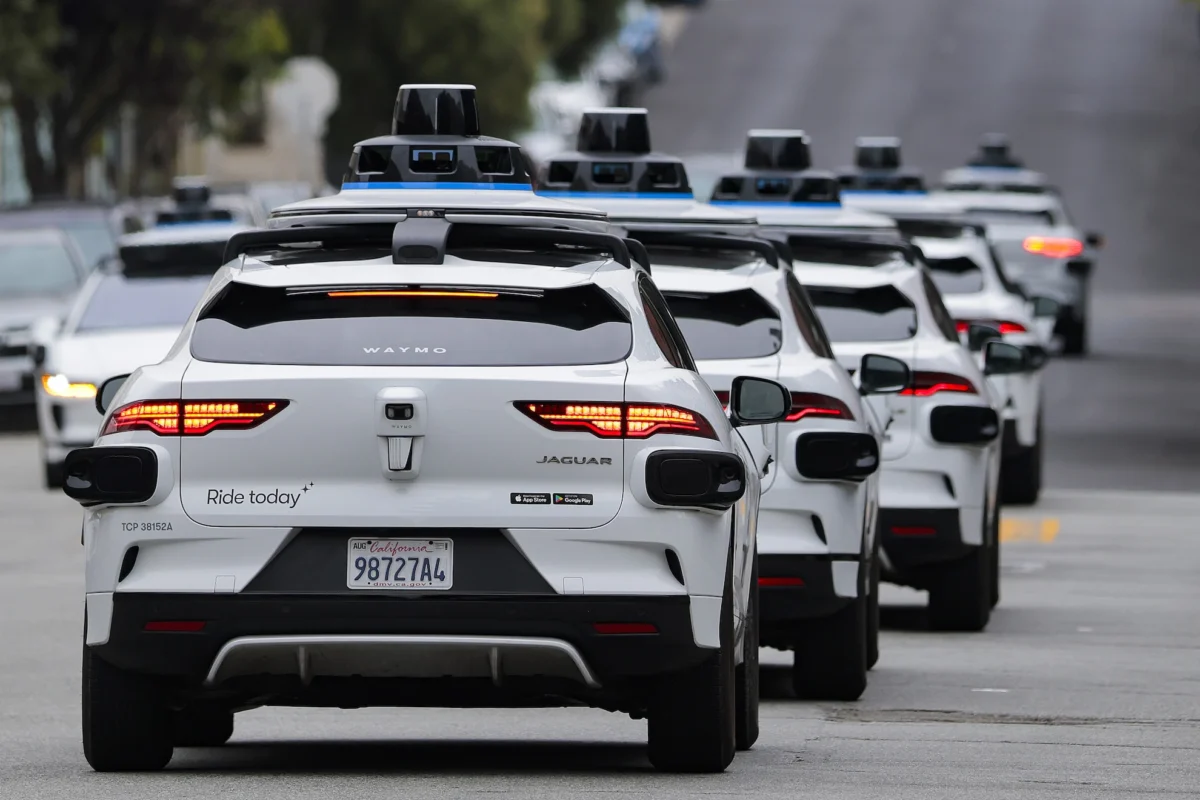
- Impact on Infrastructure: Each instance of a "stalled" robotaxi creates a ripple effect. Because these vehicles are programmed to obey traffic laws strictly, they do not navigate around obstacles in the same way human drivers might, leading to prolonged blockages that require manual intervention from company support teams.
- Connectivity Requirements: Waymo vehicles require consistent 5G or high-speed LTE connectivity for mapping updates and remote assistance. When power grids fail, local cellular nodes often become congested or lose power, creating "dead zones" that effectively blind the fleet.
Implications: The Future of Urban Mobility
The fundamental question facing San Francisco—and indeed any city integrating AVs—is whether the current infrastructure can support the demands of a fully autonomous future.
1. The Resilience Gap:
The recent power outage proves that while AVs are designed to be "smarter" than human drivers, they are physically dependent on a fragile grid. If the city’s electrical infrastructure is not "smart" enough to provide consistent power to the grid nodes that support AV connectivity, the fleet will remain prone to intermittent shutdowns.
2. The Regulatory Tug-of-War:
The tension between Waymo’s desire for rapid expansion and the city’s need for public order is reaching a boiling point. The mayor’s push for tougher rules suggests that the era of "permissionless innovation" is ending. Future regulations may require AVs to have redundant, localized power systems for communication or, at the very least, a mandatory "emergency mode" that allows for human remote operators to override stalls more efficiently.
3. Public Trust and Adoption:
Every time a passenger is left stranded, or a city street is blocked by a line of stationary cars, the public perception of the technology suffers. Waymo’s proactive decision to pause service today was likely an attempt to preserve public trust. However, for the technology to achieve widespread adoption, it must demonstrate that it can navigate the "unplanned" nature of urban life with the same grace it handles standard, sunny-day commutes.
Conclusion
The brief suspension of Waymo services in San Francisco is a reminder that the path to a driverless future is not merely a software challenge—it is an infrastructure and policy challenge. As Waymo and its competitors continue to scale, the focus will likely shift from the raw capability of the AI to the robustness of the system’s "fail-safes."
For now, the city remains a testing ground. As residents watch the robotaxis navigate the streets, they are not just witnessing the evolution of transportation; they are observing a high-stakes negotiation between technology and the complex realities of modern city living. Whether this leads to a more collaborative regulatory environment or a more restrictive one remains the defining question for the autonomous vehicle industry in the coming year.
About the Author