The Surge: A Historic Milestone in Maritime Logistics
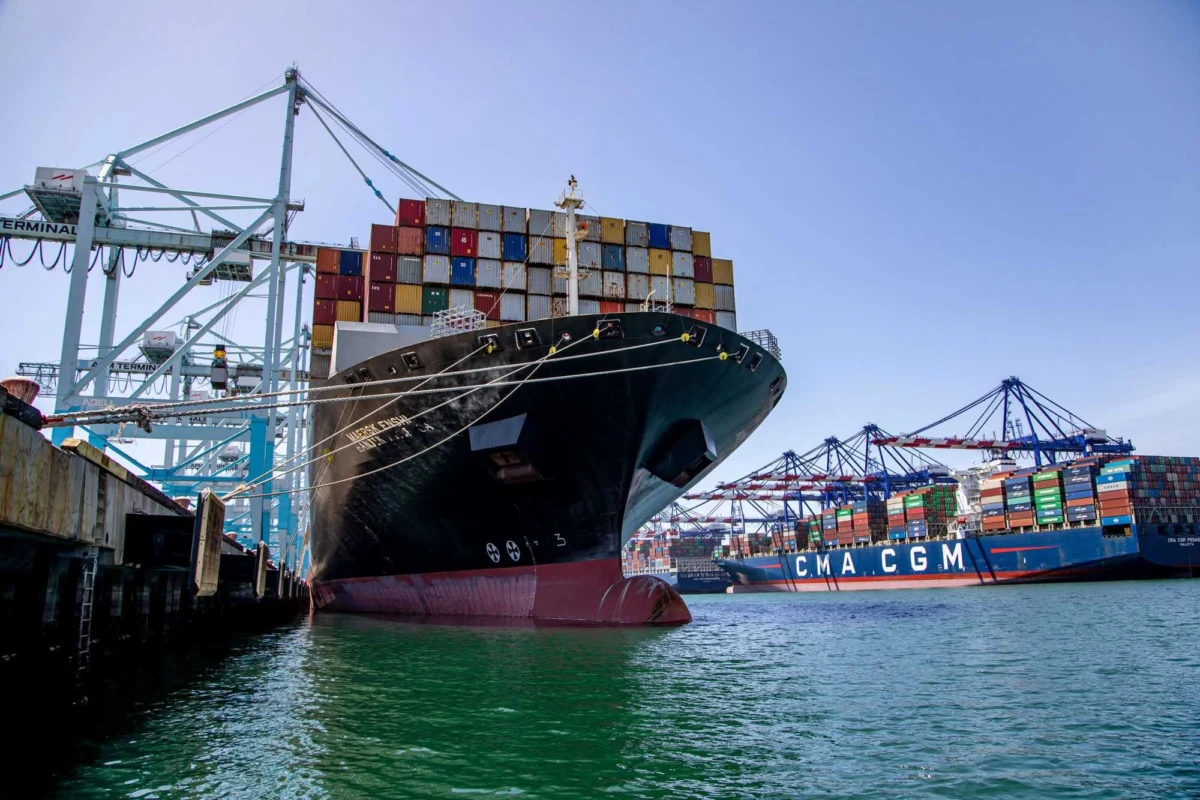
In an unprecedented display of industrial capacity and logistical maneuvering, America’s West Coast ports have recorded historic container volumes throughout June. As global supply chain managers pivot away from traditional shipping calendars, the ports of Los Angeles and Long Beach—the twin engines of U.S. trans-Pacific trade—have reported a massive influx of cargo. Driven by a proactive, albeit anxious, retail and manufacturing sector, this early peak season represents a profound shift in how global trade is conducted in an era of geopolitical and economic instability.
The most striking evidence of this surge emerged from the Port of Los Angeles, which solidified its status as the premier gateway for U.S. imports. In a landmark announcement, port officials confirmed that June 2026 was the busiest June in the facility’s 118-year history. Most notably, the port processed 1,002,734 twenty-foot equivalent units (TEUs), marking the first time any port in the Western Hemisphere has surpassed the 1 million container threshold in a single month. This feat, occurring for the third time in the port’s history, underscores the sheer scale of the current cargo movement.
Chronology of a Compressed Peak Season
The current state of the supply chain is a departure from the predictable rhythms of the past. Historically, the "peak season"—the period during which retailers stock up for the winter holidays—typically begins in late summer or early autumn. However, the 2026 shipping cycle has defied these conventions, with the "rush" beginning as early as late spring.
The Catalyst: Why Shippers are Front-Loading
The shift toward an early peak season is not a coincidence; it is a calculated response to a "perfect storm" of global pressures. Throughout the spring of 2026, shippers began accelerating their import schedules to circumvent three primary threats:
- Tariff Uncertainty: With global trade policies in flux, businesses are moving inventory into the United States preemptively to avoid potential spikes in import duties that may be enacted later in the year.
- Fuel Volatility: Rising and unpredictable bunker fuel prices have incentivized carriers and shippers to secure transport capacity sooner rather than later, fearing that further price hikes could render long-haul shipping prohibitively expensive by Q4.
- Geopolitical Instability: Ongoing concerns regarding war conditions in key transit corridors have created a "fear-based" supply chain, where the primary objective is inventory security rather than cost-efficiency.
By June, these pressures culminated in a massive flooding of containers into West Coast facilities, effectively creating a compressed, high-intensity shipping window that has strained, yet successfully navigated, regional port infrastructure.
Supporting Data: The Scale of the Trans-Pacific Surge
The statistical reality of the June surge is best illustrated by the performance of the San Pedro Bay port complex. While Los Angeles reached the historic 1-million-TEU milestone, its neighbor, the Port of Long Beach, similarly reported robust activity.
On Tuesday, the Port of Long Beach confirmed it processed 779,331 TEUs during June. This figure represents a 10.6% increase compared to June 2025. When combined, the two ports processed over 1.78 million TEUs in a single month, a volume that would have been considered a "stretch" capacity just a few years ago.
The growth is not merely a year-over-year anomaly but reflects a persistent upward trend. The Port of Los Angeles reported that its June cargo flow was 12% higher than the same period in 2025. This sustained growth is indicative of a broader strategy among U.S. retailers and manufacturers: they are no longer waiting for the traditional autumn rush. Instead, they are "advancing" shipments, effectively pulling demand forward into the second quarter to ensure that warehouses are fully stocked before any potential supply chain bottlenecks occur in the winter months.
Official Responses and Executive Insight
During the Port of Los Angeles’ monthly media briefing, Executive Director Gene Seroka provided a sobering assessment of the current environment. Seroka, a seasoned veteran of global logistics, highlighted that the industry has entered an "unusually dynamic" phase.
"Businesses are no longer tethered to the traditional seasonal shipping calendar," Seroka remarked. "They are adapting to a new reality where cargo must be moved whenever conditions are favorable. It is a proactive, rather than reactive, approach to the global trade environment."
Seroka’s observations suggest that the "peak season" is becoming a misnomer. Instead of a distinct, three-month window of high activity, the supply chain is moving toward a model of constant, elevated volatility. Port authorities are now forced to operate with heightened agility, managing labor pools and gate access with the assumption that high volumes can materialize without the traditional lead time.
Implications for the Global Supply Chain
The record-breaking performance of West Coast ports carries significant implications for the remainder of 2026 and beyond.
1. Infrastructure Stress and Labor Dynamics
The ability of the Port of Los Angeles to handle over 1 million TEUs without systemic failure is a testament to the infrastructure upgrades made since the pandemic-era bottlenecks of 2021–2022. However, maintaining this velocity for an extended period places immense pressure on port labor, drayage truckers, and rail operators. The "early peak" means that workers are facing high-stress volumes much earlier in the year, potentially leading to burnout or the need for accelerated hiring cycles.
2. The Cost of Inventory
The strategy of front-loading inventory has a financial trade-off. By importing goods months in advance, retailers are tying up capital in inventory and incurring significant warehousing and storage costs. This "carrying cost" is increasingly being passed on to the consumer, contributing to the inflationary pressures already present in the economy.
3. A New Paradigm of Trade Policy
The reliance on "pre-emptive importing" suggests that shippers have lost faith in the ability of the global supply chain to remain stable. When the primary motivator for shipping is the fear of future disruption rather than current consumer demand, the entire logistics network becomes more fragile. If this pattern continues, the global shipping industry may have to abandon seasonal scheduling entirely in favor of a "just-in-case" inventory model, which is fundamentally less efficient than the "just-in-time" models that defined the previous decade.
4. Environmental and Energy Considerations
With the surge in container volume comes a commensurate increase in the energy footprint of the ports. As the Port of Los Angeles and the Port of Long Beach work to meet climate goals, the sudden spikes in cargo require intensive use of electric terminal equipment and heavy-duty drayage trucks. Managing the environmental impact of this record-breaking volume is a secondary challenge that port officials must balance against the economic necessity of keeping cargo moving.
Conclusion: Preparing for an Uncertain Future
The June 2026 record is more than a statistic; it is a signal of a fundamental change in the global economic landscape. The West Coast ports have demonstrated resilience in the face of immense pressure, successfully processing volumes that were once thought to be near the ceiling of their operational capacity.
However, as Gene Seroka noted, the "dynamic trade environment" shows no signs of stabilizing. For retailers, manufacturers, and logistics providers, the lesson of June 2026 is clear: the old rules no longer apply. Success in the current global market requires an abandonment of historical seasonality and a embrace of continuous, flexible, and highly preemptive supply chain management. As the industry looks toward the remainder of the year, the focus will remain on whether this early surge will lead to a quieter autumn, or if the "new normal" is simply a state of perpetual, high-volume stress.
About the Author