In an era where digital entrepreneurship is more accessible than ever, the dropshipping business model has emerged as a cornerstone of modern retail strategy. By decoupling the act of selling from the complexities of warehousing and logistics, dropshipping has effectively lowered the barrier to entry for millions of aspiring business owners worldwide. As global markets shift toward increasingly digital-first consumer behaviors, understanding the mechanics, strategic advantages, and inherent risks of this model is essential for any small business operator looking to scale.
Understanding the Dropshipping Model: A Paradigm Shift in Retail
At its core, dropshipping is an e-commerce fulfillment method that eliminates the need for retailers to hold physical stock. In a traditional retail environment, a business owner must purchase inventory upfront, secure warehouse space, manage stock levels, and oversee the labor-intensive process of picking, packing, and shipping items.
Dropshipping flips this script. In this arrangement, the retailer acts as a storefront and a marketing engine. When a customer places an order on the retailer’s website, the order is automatically or manually forwarded to a third-party supplier—often a wholesaler or manufacturer—who then ships the product directly to the end customer. The retailer never touches the inventory. This allows the business to focus exclusively on brand building, customer acquisition, and digital user experience.
Chronology of a Dropshipping Transaction
To fully grasp the operational flow of this model, one must examine the standard lifecycle of a single order:
- The Consumer Interaction: A customer discovers a product via social media advertising or search engine results and completes a purchase on the retailer’s website.
- Order Routing: The retailer receives payment and immediately relays the order details, including the customer’s shipping information, to the supplier.
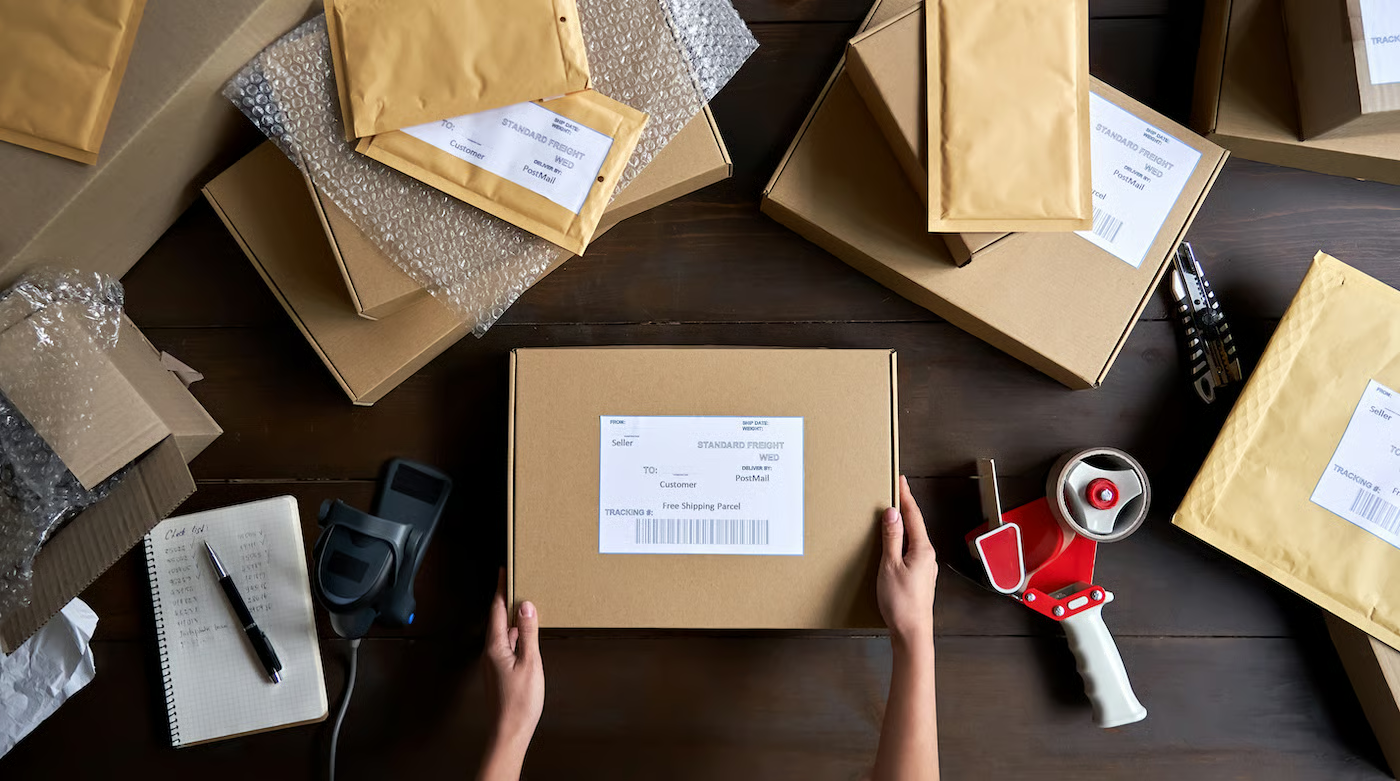
- Supplier Fulfillment: The supplier retrieves the item from their inventory, packages it, and attaches the retailer’s branding or a neutral shipping label.
- Logistics Execution: The parcel is dispatched via a courier service.
- Final Delivery: The customer receives the item, often unaware that the product was fulfilled by a third party, completing the transaction cycle.
Supporting Data and Market Trajectory
The appeal of dropshipping is not merely anecdotal; it is backed by significant market growth. According to industry projections, the global dropshipping market is expected to maintain a compound annual growth rate (CAGR) of over 27% through 2027. This explosive growth is driven by the proliferation of high-speed internet in developing nations, the ubiquity of mobile commerce, and the ease of setting up sophisticated online storefronts using platforms like Shopify or WooCommerce.
This growth is also fueled by the "long-tail" effect of e-commerce. Because retailers don’t carry the risk of stagnant inventory, they can experiment with thousands of niche products simultaneously, allowing them to capture highly specific market segments that large-scale retailers might ignore.
The Strategic Pillars of a Successful Dropshipping Business
Implementing a successful dropshipping operation requires a tripod of essential infrastructure: a reliable supplier network, a robust e-commerce platform, and a sophisticated marketing stack.
Cultivating the Right Supplier Relationships
The supplier is the lifeblood of a dropshipping business. Their reliability dictates the reputation of the retailer.
- AliExpress vs. Domestic Suppliers: Platforms like AliExpress remain a primary choice for many due to their vast product catalogs and lack of minimum order quantities (MOQ). However, the reliance on overseas shipping often results in longer delivery times, which can lead to customer dissatisfaction.
- The Domestic Advantage: To combat shipping delays, many retailers are pivoting toward US-based suppliers such as Sunrise Wholesale. While the profit margins per unit may be slightly lower due to higher domestic labor costs, the competitive advantage of two-to-three-day shipping is often a decisive factor in customer retention.
Selecting the E-Commerce Foundation
The platform chosen to host a store is the "digital storefront" that determines the conversion rate.
- Shopify: Favored for its all-in-one ecosystem, Shopify integrates seamlessly with major dropshipping apps like DSers or Spocket, making it ideal for beginners who need to scale quickly without technical headaches.
- WooCommerce: Built on WordPress, this option offers unparalleled customization for those with technical expertise. It is often the preferred choice for business owners who want complete ownership over their site’s architecture and SEO capabilities.
The Marketing Arsenal
Because dropshipping stores often sell commoditized items, success is predicated on "brand equity." Without a unique brand voice, a retailer is merely a middleman.
- CRM and Email Marketing: Tools like HubSpot, Mailchimp, and Salesforce are vital for nurturing leads. By collecting customer data, retailers can automate follow-up emails, recovery of abandoned carts, and loyalty programs that encourage repeat business.
- Social Media Management: Given that most dropshipping traffic originates from social platforms, tools like Buffer and Hootsuite are indispensable for maintaining a consistent content calendar and analyzing engagement metrics.
- SEO Excellence: Search Engine Optimization remains the most cost-effective long-term growth strategy. Utilizing platforms like Ahrefs, SEMRush, and Google Search Console allows retailers to identify high-intent keywords, ensuring their store appears in front of customers actively searching for solutions.
Challenges and Risk Mitigation
Despite its simplicity, dropshipping is not without significant challenges. Critics and industry veterans alike point to several "pain points" that can derail an operation:
- Lower Profit Margins: Because you are not buying in bulk, your cost-per-unit is higher, forcing you to balance competitive pricing with sustainable profit.
- Inventory Lack of Control: Since you do not handle the goods, you cannot personally verify the quality of the products or the accuracy of the shipping process. A mistake by the supplier becomes a negative review for your business.
- Shipping Complexities: Managing returns and tracking packages from different suppliers can become a logistical nightmare if not managed through centralized software.
Implications for the Future of Retail
The rapid expansion of the dropshipping market suggests a fundamental shift in the retail landscape. We are moving toward a "decentralized" retail economy. In this environment, the "retailer" is no longer a storekeeper, but a curator of goods and an expert in digital consumer psychology.
Official industry responses to this shift highlight a move toward stricter regulations regarding product safety and transparency. As the dropshipping market matures, platforms are implementing more rigorous vetting processes for suppliers to ensure that consumers are not misled about the origin or quality of their purchases. Furthermore, the rise of "Private Label Dropshipping"—where retailers work with manufacturers to create custom-branded versions of products—indicates that the industry is moving away from the generic "reselling" model toward a more sustainable, brand-focused future.
Conclusion: Is Dropshipping Right for You?
Dropshipping offers a rare opportunity to enter the global marketplace with minimal capital investment. It is an ideal sandbox for entrepreneurs to test product-market fit without the existential risk of being left with a warehouse full of unsold inventory.
However, the ease of entry is also the model’s greatest competitive trap. Success in the current climate requires more than just a store and a supplier; it requires a commitment to superior customer service, a mastery of digital marketing, and a relentless focus on brand differentiation. As the sector continues to grow, those who prioritize long-term customer relationships over short-term "get-rich-quick" tactics will likely define the next generation of e-commerce success stories. Whether you are a side-hustler or an aspiring enterprise founder, the dropshipping model provides the infrastructure; the ingenuity, however, must come from you.
About the Author