In a move signaling a major shift toward the "phygital" (physical-meets-digital) integration of grocery retail, San Francisco-based delivery giant Instacart has officially acquired Arpalus, an Israeli-based pioneer in computer vision technology. By integrating Arpalus’s sophisticated "shelf intelligence" platform into its expansive ecosystem, Instacart aims to solve one of the most persistent and costly pain points in the grocery industry: inventory inaccuracy.
The acquisition marks a significant leap forward in Instacart’s broader ambition to become the operating system for grocery retail. By leveraging the eyes of its massive network of 600,000 shoppers, the company is effectively transforming its workforce into a distributed sensor network, capable of mapping the physical state of retail shelves in real-time.
Main Facts: Solving the "Inventory Blind Spot"
At its core, the acquisition of Arpalus is a response to the "black box" problem inherent in online grocery shopping. When a consumer browses a retailer’s digital catalog, they are often interacting with data that is hours, or sometimes days, out of sync with the physical reality of the store aisle. This gap leads to frequent "out-of-stock" notifications, unwanted product substitutions, and order cancellations—all of which erode consumer trust and increase operational friction.
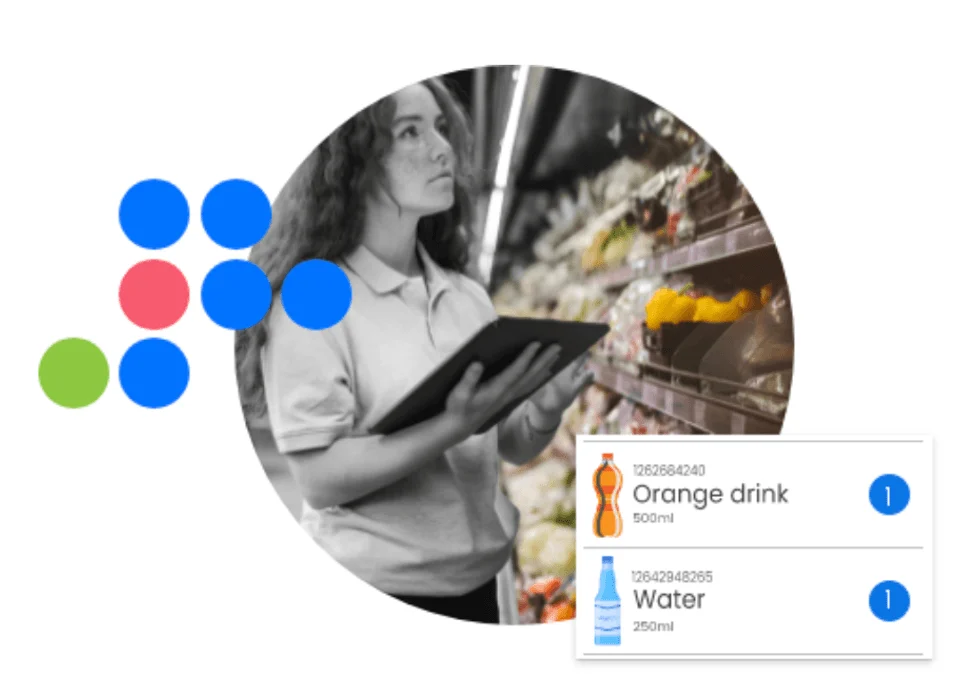
Arpalus provides a technological solution that addresses this by converting simple smartphone video captures into high-fidelity, real-time inventory data. The platform’s proprietary computer vision models are specifically engineered for the "chaotic" environment of a grocery store, where poor Wi-Fi, varying light conditions, and dense arrays of visually similar products create significant hurdles for standard image recognition software.
Key Details of the Acquisition:
- The Technology: Arpalus uses advanced AI to process video feeds, identifying individual SKUs with a claimed average accuracy rate exceeding 95%.
- The Scalability: The software is hardware-agnostic, running on standard mobile devices, which allows Instacart to deploy it immediately across its existing fleet of shoppers.
- The Goal: To bridge the gap between digital storefronts and physical inventory, ensuring that what a customer sees on the app is exactly what is available on the shelf.
Chronology: The Evolution of Instacart’s Connected Stores
The acquisition of Arpalus is the latest chapter in a long-standing initiative by Instacart to transition from a pure delivery logistics company to a technology partner for brick-and-mortar grocers.
The Foundation (2012–2018)
Instacart began as a third-party marketplace, connecting consumers to local stores. During this phase, inventory management was largely reliant on the grocer’s own POS (Point of Sale) systems, which were often prone to latency issues.
The Shift to "Connected Stores" (2019–2022)
As competition intensified, Instacart pivoted to launch its "Connected Stores" initiative. This involved equipping retailers with proprietary hardware—such as "Caper Carts" (smart shopping carts)—and software solutions aimed at digitizing the physical shopping experience. During this period, the company began investing heavily in "Physical AI."
The Intelligence Acquisition (2023–2024)
Recognizing that hardware alone was not enough to solve inventory drift, Instacart looked toward specialized computer vision firms. Arpalus, with its focus on "shelf intelligence," emerged as the ideal candidate. The acquisition, finalized in late 2024, represents the culmination of a multi-year effort to integrate deep-learning computer vision directly into the shopper’s workflow.
Supporting Data: The Cost of Inaccuracy
To understand why this acquisition is a high-stakes play, one must look at the data surrounding retail "shrink" and inventory drift. Industry analysts estimate that global grocery retailers lose billions of dollars annually due to inventory mismanagement.
The Impact of Out-of-Stocks
According to industry research, the average grocery store maintains an inventory accuracy rate of approximately 65% to 75% without continuous, automated auditing. When this accuracy rate drops, the consequences are immediate:
- Customer Retention: Studies indicate that nearly 40% of customers will abandon a platform if they experience two or more consecutive out-of-stock substitutions.
- Operational Waste: When a shopper cannot find an item, they must manually communicate with the customer, wait for a response, or select an alternative, adding minutes to every order and increasing labor costs.
- Data Degradation: Catalog gaps lead to a "data rot" cycle where the digital platform becomes increasingly detached from the physical reality, necessitating even more manual intervention.
Arpalus’s 95% accuracy claim is significant because it approaches the threshold of "human-perfect" inventory auditing, potentially saving retailers significant capital that is currently tied up in safety stock and manual shelf checks.
Official Responses: The Vision for "Unified Retail"
Leadership at both Instacart and the broader retail tech sector have viewed the integration of Arpalus as a pivotal moment for "Physical AI."
David McIntosh, Chief Connected Stores Officer at Instacart, framed the deal as a necessary evolution for the grocery industry. "We believe the future of grocery retail is a unified experience powered by Instacart intelligence, where what happens in store connects seamlessly to ecommerce in real time," McIntosh stated.
He emphasized that the acquisition is not just about tracking items, but about creating a feedback loop: "With our leadership in Physical AI for grocery retail and by activating our network of shoppers, we can feed even more accurate shelf information back into our models, delivering better outcomes for customers, shoppers, and our retail and brand partners."
For Arpalus, the acquisition provides the scale they previously lacked. By plugging into Instacart’s 600,000-strong shopper network, the technology will move from being a pilot project in select stores to a ubiquitous tool used in thousands of locations simultaneously.
Implications: A New Competitive Frontier
The acquisition of Arpalus is expected to have far-reaching implications for the competitive landscape of grocery retail, logistics, and retail technology.
1. The Death of the "Static" Catalog
Most e-commerce grocery platforms rely on periodic updates to their inventory databases. This acquisition signals the end of that era. In the near future, the "digital shelf" will be a dynamic, living reflection of the physical store. Every time an Instacart shopper walks down an aisle, they will essentially be auditing the store, ensuring the digital catalog is updated within seconds.
2. Empowering the Retailer
Retailers often feel sidelined by third-party delivery apps. By providing retailers with the same high-fidelity shelf intelligence data that Instacart uses, the company is positioning itself as a vital infrastructure partner rather than just a delivery service. This intelligence can help retailers optimize planograms, manage labor more effectively, and reduce food waste by identifying items that are nearing expiration or are consistently misplaced.
3. The Rise of "Physical AI"
The retail industry is currently undergoing a massive transformation, often termed "Retail 4.0." This involves the convergence of IoT (Internet of Things), AI, and edge computing. Arpalus’s ability to function on standard smartphones—bypassing the need for expensive, permanent shelf cameras—democratizes access to this intelligence. It allows smaller or mid-sized retailers to benefit from high-end computer vision without a massive capital investment in infrastructure.
4. Competitive Pressure on Peers
Competitors such as DoorDash, Uber Eats, and Amazon (via its Whole Foods and Amazon Fresh arms) are undoubtedly watching this move closely. Amazon has already experimented with "Just Walk Out" technology and computer vision-equipped dash carts. Instacart’s move suggests they are doubling down on an asset-light approach, using their vast human network to achieve similar ends without the heavy reliance on store-wide fixed camera arrays.
Conclusion: The Road Ahead
As the retail industry becomes increasingly digitized, the value of accurate data has never been higher. Instacart’s acquisition of Arpalus is a clear statement that the company intends to dominate the "last-meter" of the supply chain.
By marrying the scale of its shopper network with the precision of Arpalus’s computer vision, Instacart is effectively solving the information asymmetry that has plagued grocery retail for decades. While the terms of the deal remain undisclosed, the strategic value is clear: in a world where convenience is king, the ability to guarantee product availability in real-time is the ultimate competitive advantage. As this technology rolls out, we can expect a more seamless, efficient, and reliable grocery experience—one where the gap between the digital app and the physical shelf finally closes.
About the Author