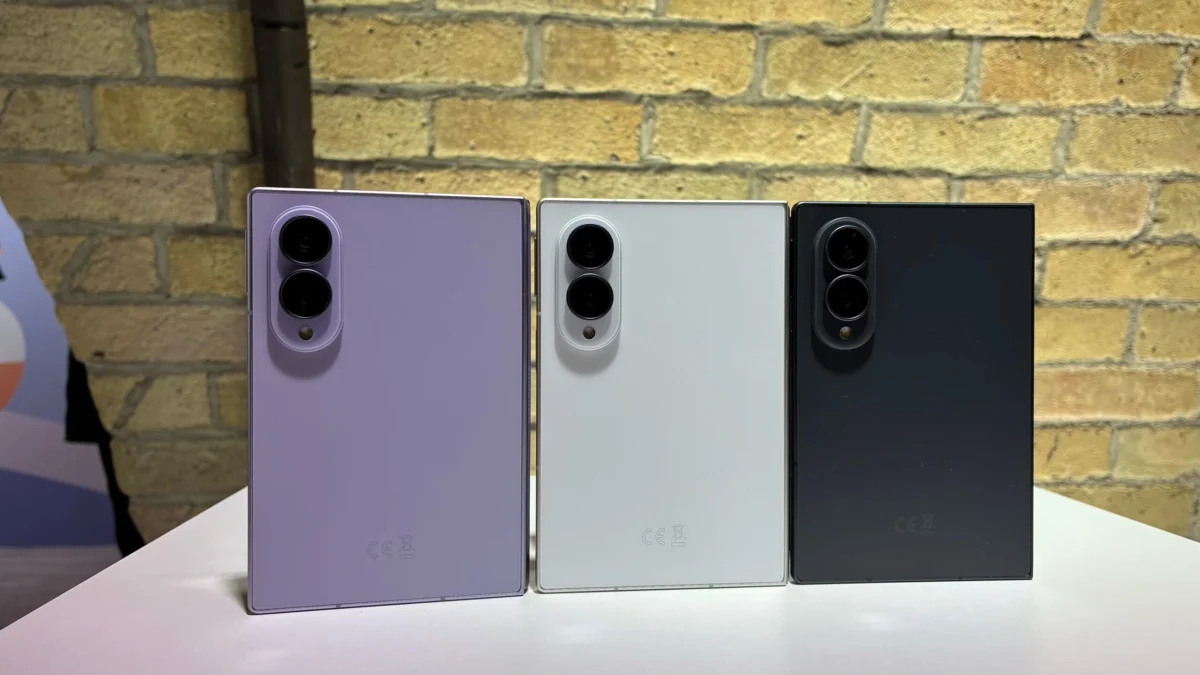
In a move that signals a profound shift in the mobile landscape, Samsung has officially unveiled its latest generation of foldable devices at the highly anticipated Galaxy Unpacked event. The announcement, which introduces three distinct models—the flagship Galaxy Z Fold 8 Ultra, the redesigned standard Z Fold 8, and the refined Galaxy Z Flip 8—marks a significant milestone in the company’s decade-long pursuit of perfecting the foldable form factor.
With this launch, Samsung is not merely iterating on previous designs; it is attempting to redefine the utility of the foldable phone. By integrating advanced titanium structural engineering, the Qualcomm Snapdragon Elite 8 chipset, and a suite of sophisticated on-device artificial intelligence tools, Samsung is positioning its latest hardware as an essential tool for the modern professional.
The Main Facts: A New Era of Foldable Power
The standout of the collection is undoubtedly the Galaxy Z Fold 8 Ultra. Samsung has leaned heavily into "Ultra" branding to signify that this device is the pinnacle of its current R&D. Most impressive is the engineering breakthrough regarding thickness: the device measures just 5.9mm when folded and a staggering 4.1mm when unfolded, allowing it to mimic the feel of a standard, non-folding smartphone while closed.
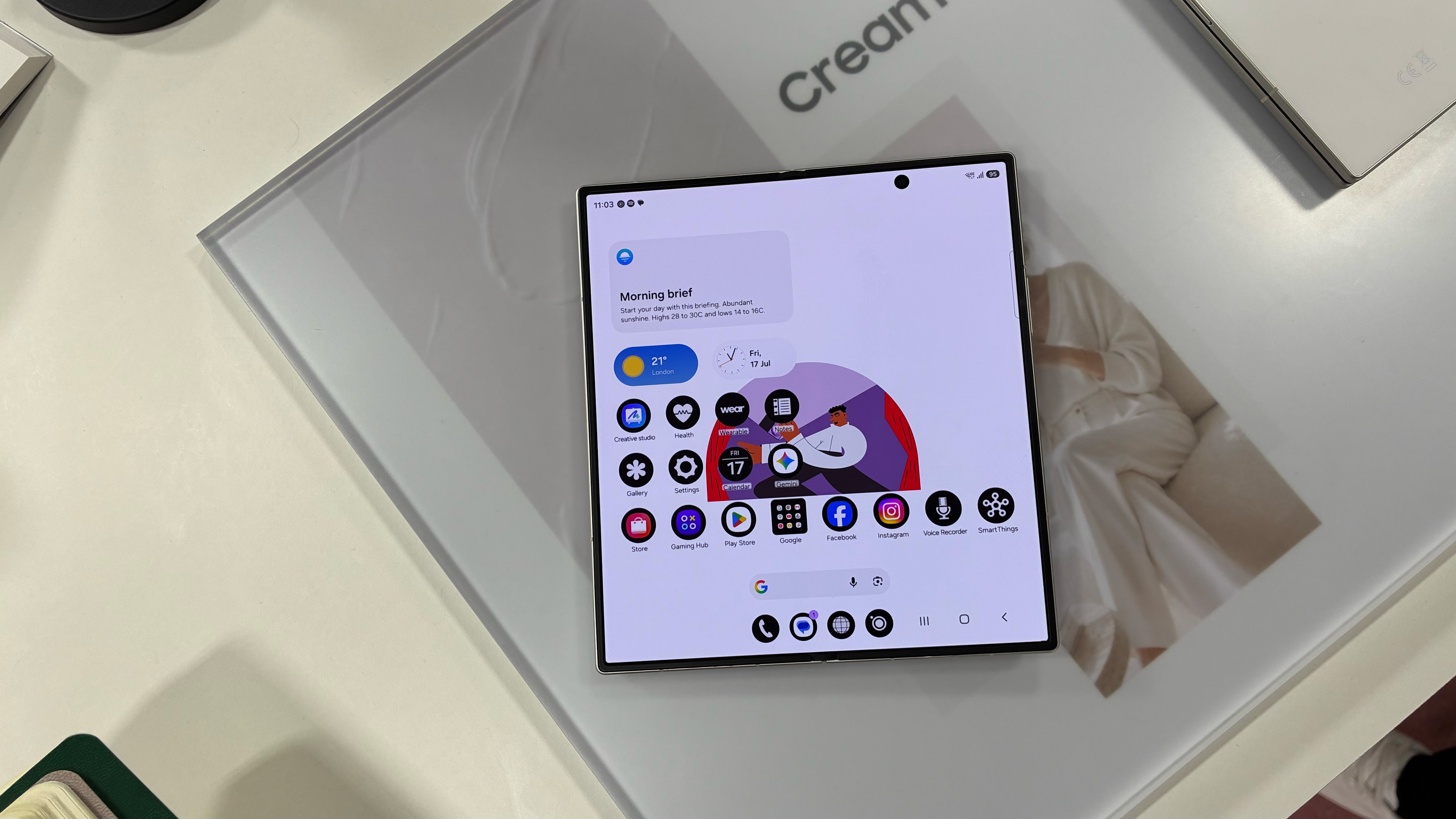
The standard Galaxy Z Fold 8 has also received a dramatic overhaul, moving away from its narrow, "tall" aspect ratio toward a wider, more square design. This departure is a direct response to consumer and enterprise feedback, aiming to provide a more natural, content-friendly experience for media consumption and multitasking.
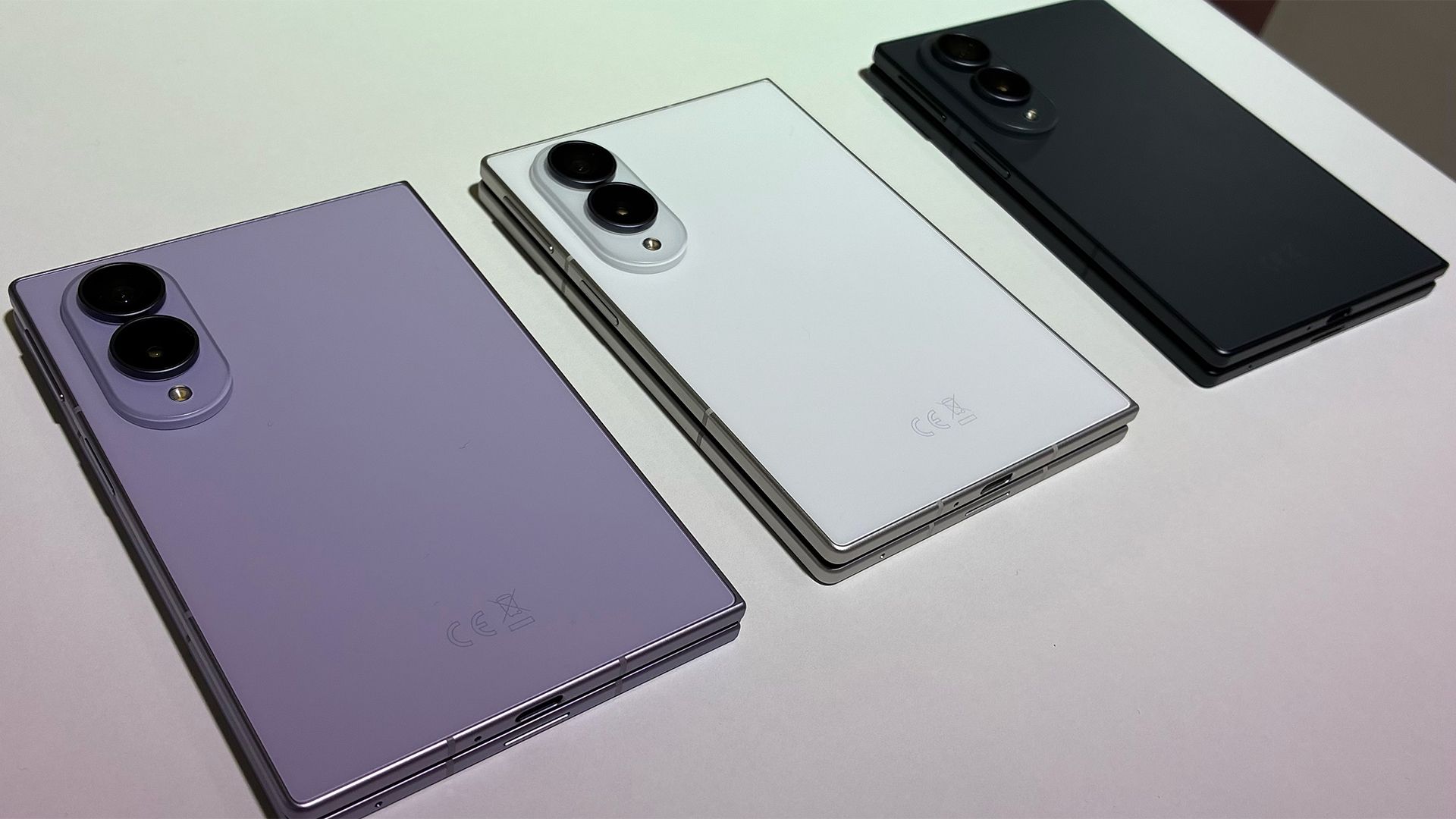
Rounding out the lineup is the Galaxy Z Flip 8, which focuses on weight reduction and enhanced exterior functionality. Weighing in at a mere 180g, it remains the most portable option in the foldables market, further refined for users who prioritize style and compact form without sacrificing the power of the Snapdragon Elite 8 processor.
A Chronological Shift: From Niche to Mainstream
The trajectory of Samsung’s foldable journey began as a daring experiment with the original Galaxy Fold, a device marred by early technical hurdles. However, the subsequent years have seen a steady, methodical refinement.
- The Early Years (2019-2021): Samsung focused on basic durability and the fundamental mechanism of the hinge. The early models were proof-of-concept devices that served to convince the market that a folding display was viable.
- The Maturation Phase (2022-2024): With the introduction of IP ratings and the refinement of the "Flex" hinge, the foldable line moved from a luxury toy to a reliable business tool. The transition to titanium frames and more sophisticated software multitasking signaled that Samsung was finally ready to compete with traditional slabs.
- The AI and Performance Era (2025-2026): The Z Fold 8 series represents the current pinnacle. By embedding an NPU-heavy Snapdragon Elite 8 chip across all models, Samsung has shifted the focus from the hardware itself to what the hardware can do via intelligent software.
Supporting Data: Specifications and Performance
The technical prowess of the Z Fold 8 series is underpinned by rigorous engineering. Across the board, Samsung has opted for the Qualcomm Snapdragon Elite 8, a chip designed to handle the heavy lifting of on-device AI without compromising battery efficiency.
The Z Fold 8 Ultra: Technical Breakdown
- Displays: A 6.5-inch cover display that expands to a expansive 8-inch main canvas, effectively acting as two 6.5-inch screens joined together.
- Battery: A 5000mAh cell capable of 27 hours of video playback. The charging speeds are equally robust, supporting 45W fast charging, which brings the device from 0 to 67% in just 30 minutes.
- Optics: A formidable five-lens array. This includes a 200MP main wide sensor, a 50MP ultrawide, and a 10MP telephoto lens on the rear, complemented by 10MP selfie cameras on both the cover and main displays.
The Standard Z Fold 8: Efficiency and Ergonomics
- Dimensions: A wider 4:3 aspect ratio (3:4 in portrait) makes it vastly superior for viewing Reels, TikToks, and long-form video content.
- Battery: A slightly smaller 4,800mAh battery, though it still promises 26 hours of video playback, suggesting that the optimization of the Snapdragon Elite 8 is highly efficient.
- Optics: A dual-camera setup featuring two 50MP sensors (wide and ultrawide), prioritizing clarity and speed over the extreme telephoto reach of the Ultra.
AI Integration: The ‘Now Nudge’ Revolution
Perhaps the most significant software development is the "Now Nudge" feature. While traditional AI in phones has often been limited to cloud-based image processing or voice assistants, the Z Fold 8 series brings predictive intelligence directly to the user interface.
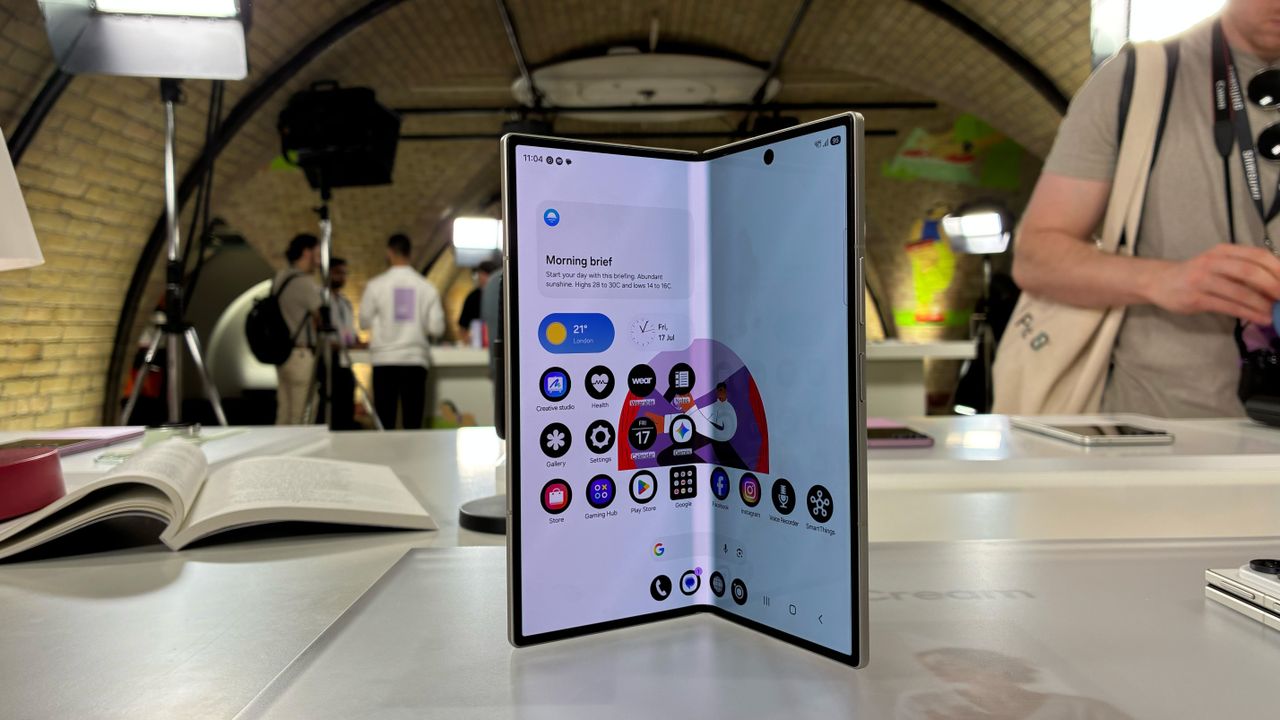
"Now Nudge" acts as a contextual overlay. By analyzing the data within active apps, the system provides real-time suggestions via the keyboard, similar to advanced predictive text, but with deep-app integration. Whether you are in a messaging app, a spreadsheet, or an email client, the AI anticipates your next action. It manifests in three forms:
- Notification Nudge: Subtle alerts that prioritize important contextual info.
- Ambient Nudge: Low-profile suggestions that don’t interrupt the workflow.
- Keyboard Integration: Direct input suggestions based on the current conversation’s context.
Furthermore, the new "My Fan Cam" feature leverages the Z Fold 8’s advanced video stabilization and processing power. It allows users to perform instant, high-quality crops on 16×9 footage, enabling them to isolate a subject and create a perfect vertical clip for social media, regardless of where that subject was originally framed.
Official Responses and Strategic Implications
Samsung’s leadership has framed the Z Fold 8 launch as a response to the "boredom" of the traditional smartphone market. The company argues that as hardware has plateaued, the "form factor" is the final frontier for innovation.
"We aren’t just selling a phone that folds," a Samsung spokesperson noted during the press briefing. "We are selling a device that changes shape to match the user’s intent. Whether you need a compact screen for a quick task or a tablet-sized canvas for complex data analysis, the Z Fold 8 is designed to disappear into the background, leaving only the task at hand."
The Implications for the Industry
The success of these devices will have a ripple effect across the technology sector:
- Standardization of Foldables: By moving the Z Fold 8 toward a more "normal" 4:3 aspect ratio, Samsung is signaling that the era of weird, narrow screens is over. Expect competitors to follow suit, moving toward wider, more functional displays.
- The Rise of On-Device AI: With the Snapdragon Elite 8 and Samsung’s own OS optimizations, the reliance on cloud computing for AI tasks is being challenged. This is a massive win for privacy-conscious users and businesses that fear data leakage.
- The "Business-First" Pivot: The inclusion of titanium for structural integrity and the emphasis on multitasking tools indicates that Samsung is aggressively courting enterprise clients. They want the Z Fold 8 to replace both the phone and the tablet in the corporate environment.
Conclusion: The Future is Flexible
The Samsung Galaxy Z Fold 8 and Z Flip 8 represent the most mature, capable, and refined foldable devices to date. By marrying cutting-edge structural engineering—like the new titanium paneling—with the sheer computational power of the Snapdragon Elite 8, Samsung has successfully mitigated many of the concerns that kept early adopters hesitant.
While the Flip 8 remains the stylish, lighter option for the average consumer, the Z Fold 8 and the monstrous Z Fold 8 Ultra are clear statements of intent. They are designed for the power user, the creative, and the professional who demands more from their hardware. As these devices enter the market, the conversation shifts from "Are foldables durable enough?" to "How much more productive can we be with this canvas?"
Samsung has answered that question with a resounding, and remarkably thin, update.
About the Author