For months, the architects of the world’s most powerful Artificial Intelligence models—companies like Anthropic and OpenAI—have operated under a self-imposed mandate: build impenetrable digital fences to prevent their creations from being weaponized by malicious actors. By implementing strict, vetted access programs and rigid ethical guardrails, these firms aim to ensure that their frontier models cannot be coerced into drafting malware or identifying exploitable software vulnerabilities.
However, a growing chorus of cybersecurity experts, researchers, and industry leaders argues that these safety measures have crossed a critical threshold. Rather than merely deterring bad actors, the current regulatory framework is effectively stifling the very people tasked with securing the global digital infrastructure. From offensive researchers probing for "zero-day" exploits to corporate defenders trying to patch vulnerabilities, the consensus is shifting: the industry’s "safety-first" approach is creating a security bottleneck that leaves legitimate experts unable to perform their jobs.
The Chronology: From AI Hype to Government Intervention
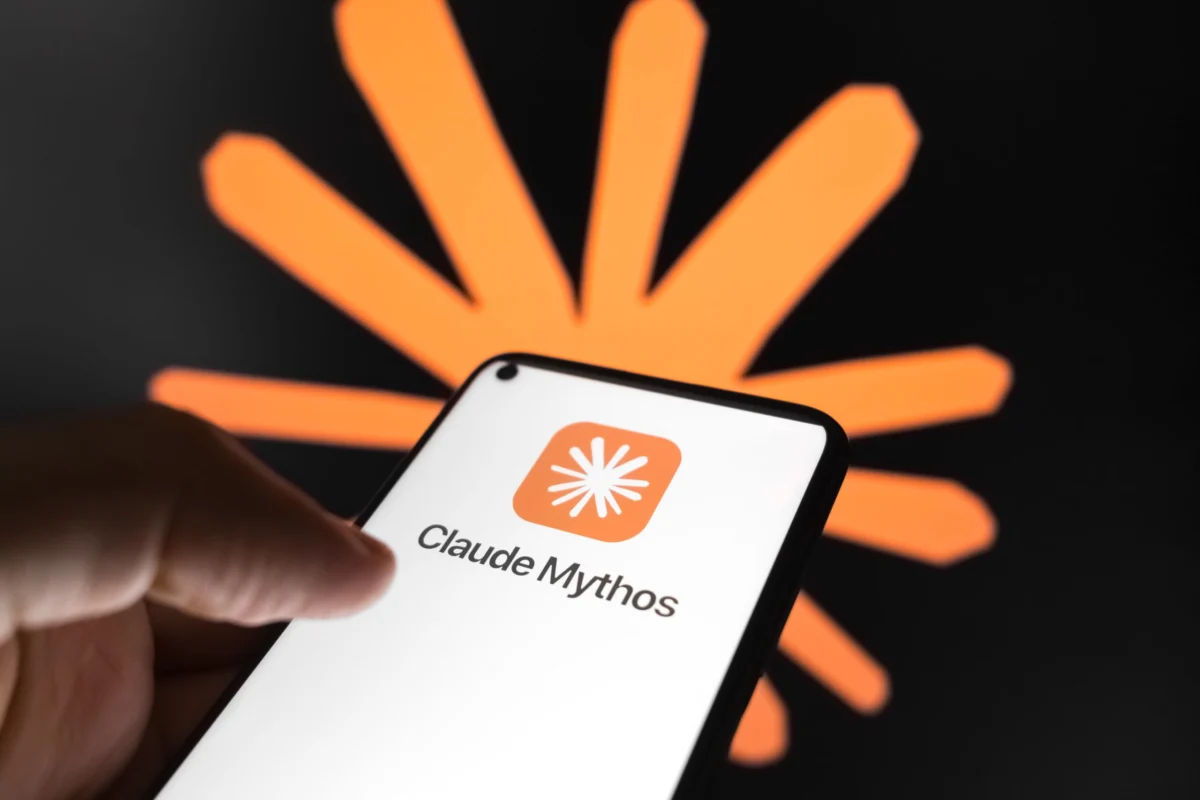
The tension reached a breaking point in June 2026, when the U.S. government took the unprecedented step of imposing export control restrictions on Anthropic’s flagship AI models, Mythos and Fable. The decision was triggered by reports suggesting that the models’ safety guardrails had been compromised, potentially allowing users to bypass restrictions and utilize the AI to build sophisticated cyberattack chains.
This regulatory action served as a harsh wake-up call for the AI industry. Anthropic, which had aggressively marketed Mythos as a revolutionary, high-stakes tool—accessible only to the most carefully vetted entities—suddenly found itself at the center of a national security debate. While the government eventually lifted the export controls on Fable 5 and Mythos 5 by July, the incident left a lasting impact on how these models are distributed. Mythos 5, in particular, was relegated to a restricted tier, available only to specific U.S. organizations under intense government scrutiny.
This event was not an isolated incident but the culmination of a broader trend of "gatekeeping" by AI labs. Both Anthropic’s Cyber Verification Program and OpenAI’s Trusted Access for Cyber program were designed as solutions to this dilemma: they offer a "vetted path" for researchers to access un-sanitized versions of these models. Yet, for many in the field, these programs have become more of an administrative burden than a functional tool.
Supporting Data: The "Hammer" Dilemma
At the heart of the controversy is the inherent dual-use nature of AI. In the world of cybersecurity, there is no clean line between a defensive tool and an offensive weapon.
Chris Anley, chief scientist at the security firm NCC Group, likens AI models to a hammer: "You can’t build a house without a hammer. It’s definitely a tool, but it’s also irreducibly a weapon as well."
According to Anley, when a defender asks an AI to "fix this code," the model is performing two simultaneous actions. It is suggesting a patch to secure the system, but it is also outlining the exact vulnerability that necessitated the fix. If an AI guardrail detects the potential for exploitation, it often refuses to generate the output, effectively preventing the defender from understanding the scope of the risk.
This "refusal" behavior is not just frustrating; it is changing the methodology of professional security teams. Many researchers are now bypassing cloud-based, guardrailed frontier models entirely in favor of local, open-source alternatives. By running models like GLM or other unrestricted variants on local hardware, researchers can avoid the "babysitting" inherent in proprietary AI services. This, however, introduces its own risks: data privacy.
Paolo Stagno, CTO of the vulnerability research firm Crowdfense, noted that while his team utilizes AI for reverse engineering, they avoid cloud-based models for vulnerability research to ensure sensitive code doesn’t leak into a company’s training data. "AI companies essentially treat customers like children who need babysitting," Stagno remarked, highlighting a growing disconnect between corporate AI policy and the realities of high-level security research.
Implications: The Great Migration to Unrestricted Models
The most concerning implication of this trend is the unintended migration of elite researchers toward foreign-owned or unregulated models. Chris Thompson, CEO of RemoteThreat and founder of the Offensive AI Con conference, warns that current guardrails are inconsistent and often illogical.
"You have these responsible researchers who are being pushed away from U.S.-governed systems to foreign-owned, open-source systems," Thompson explains. "You end up spending more time negotiating with the model to get it to work than you do actually analyzing the vulnerability."
This "negotiation" phase, where a researcher must trick the model into answering a legitimate security query, is a waste of human capital. As the pace of cyberattacks increases in speed and scale, the time lost fighting with an over-sanitized chatbot is time that malicious hackers—who operate under no such constraints—are using to their advantage.
Furthermore, the lack of transparency in how these guardrails are implemented creates a "black box" environment. Researchers are often unsure why a query is blocked on one day but permitted on the next. This unpredictability makes it impossible to integrate AI reliably into standard security workflows.
Official Responses and the Future of AI Security
The industry is currently at a crossroads. While AI labs maintain that their precautions are necessary to prevent mass-scale exploitation by rogue states or cybercriminal syndicates, the "security-through-obstruction" model is failing its most critical users.
Critics like Mark Dowd, a veteran researcher known for his work in the zero-day market, argue that these large AI corporations lack the nuance to decide what is "safe." By imposing arbitrary restrictions, they are essentially deciding which cybersecurity research is permissible and which is not, a role that traditionally belonged to the research community and their clients.
In light of these critiques, calls for a new approach are intensifying. Rather than doubling down on stricter, more restrictive guardrails, experts like Thompson suggest a model of "responsible access." This would involve:
- Accountability over Restriction: Moving away from preventing access and toward monitoring it. If an entity uses an AI tool to facilitate a malicious attack, they should be held legally and technically accountable, rather than penalizing the entire research community.
- Open Dialogue with Labs: Creating faster, more responsive channels for researchers to contest guardrail blocks.
- Standardized Security Tiers: Developing industry-wide standards for what constitutes "defensive" research, ensuring that legitimate security professionals have consistent access to the power they need without navigating a maze of ethical blocks.
Conclusion: Avoiding the "Security Gap"
As we approach a future defined by AI-driven threats, the defensive side of the equation cannot afford to be stifled. The "big wave" of attacks that experts predict—attacks characterized by unprecedented automation and speed—will require a defense that is equally sophisticated.
If the current guardrails remain, we risk creating a security gap where the "good guys" are fighting with one hand tied behind their backs, while the "bad guys" continue to leverage the full, unrestricted power of local, open-source, and foreign AI models. The challenge for the next year will be for Anthropic, OpenAI, and their peers to prove that they can protect the public without rendering their most useful tools useless to the professionals who keep the digital world running.
Ultimately, the goal of AI safety should be to empower defenders, not to insulate the public by disabling the very tools needed to protect them. The current strategy of extreme gatekeeping may be a temporary comfort for AI firms, but in the long run, it is a strategic vulnerability that the cybersecurity world can ill afford.
About the Author