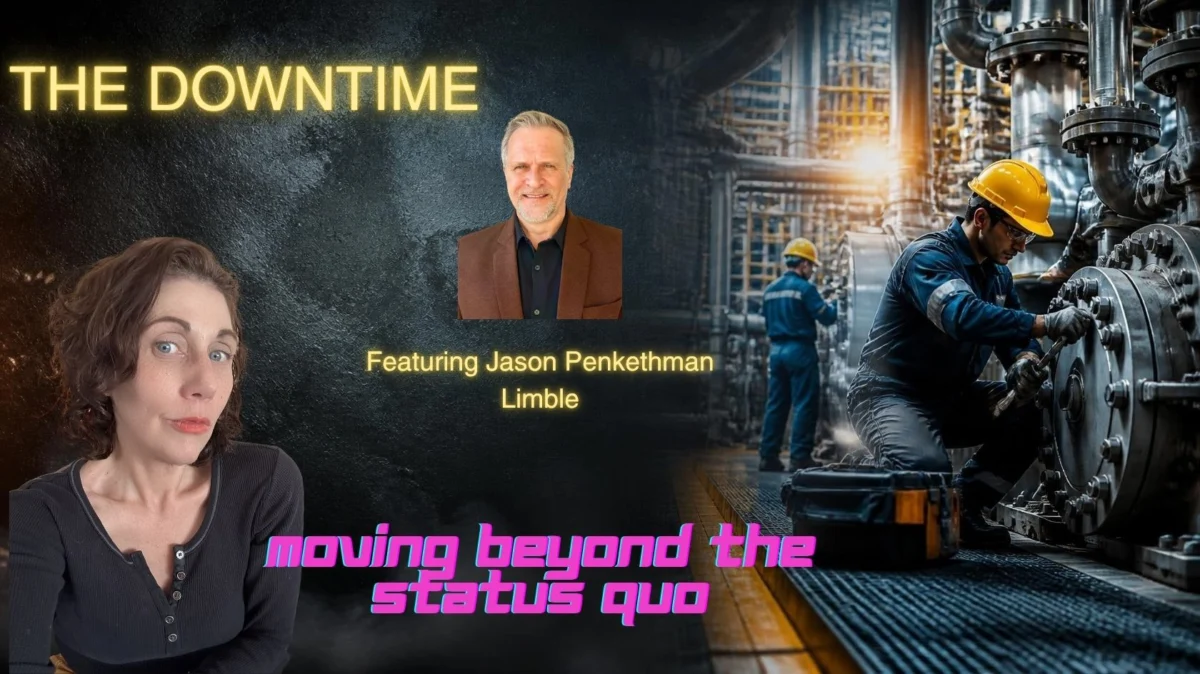
As the industrial sector grapples with the dual pressures of an aging workforce and the rapid integration of Industry 4.0 technologies, the dialogue surrounding maintenance management has never been more critical. The Downtime podcast, a cornerstone resource for maintenance professionals, reliability engineers, and plant managers, has officially returned for a new season.
This relaunch marks a significant evolution for the show. Longtime co-host Sheri Kasprzak has assumed the role of solo host, steering the program into a new era. While the format has been refreshed, the core mission remains steadfast: to bridge the gap between complex industrial technology and the boots-on-the-ground reality of maintenance technicians. In this inaugural episode of the new chapter, Kasprzak sits down with Jason Penkethman, Chief Technology and Product Officer at Limble, to dissect the evolving role of Computerized Maintenance Management Systems (CMMS) and the human-centric future of manufacturing.
Main Facts: The New Era of The Downtime
The return of The Downtime arrives at a pivotal moment for manufacturing. With summer heat putting additional strain on aging machinery, the urgency for efficient, data-driven maintenance is at an all-time high. The show’s shift to a solo-host format, led by Sheri Kasprzak, allows for a more focused, deep-dive approach to the challenges facing industrial facilities today.
While Sarah Wynn, the show’s former co-host, is stepping away from her regular duties, she will remain a vital part of the podcast’s ecosystem. Her future appearances as a guest host ensure that the show maintains its continuity while embracing a dynamic, flexible format. This structural change is designed to keep the content agile, allowing for more diverse guest perspectives and more rapid responses to emerging industry trends.
The episode featuring Jason Penkethman serves as a perfect anchor for this new direction. The conversation focuses on the strategic deployment of CMMS software, shifting the narrative from "automation as a replacement" to "automation as an enabler."
Chronology of the Shift: From Co-Hosting to Solo Stewardship
The transition of The Downtime was not an overnight decision but a calculated move to refine the podcast’s value proposition.
- Foundation Phase: For its first several dozen episodes, The Downtime established itself by pairing hosts and providing broad-spectrum coverage of topics ranging from robotics and sustainability to supply chain disruptions and workforce development.
- The Transition Period: Recognizing that the industrial audience is increasingly seeking highly specialized, actionable advice, the production team identified a need for more concentrated, long-form interviews.
- The Relaunch: Sheri Kasprzak officially took the helm as the solo host, marking the transition with a new visual identity and a commitment to deeper technical inquiry.
- Current Milestone: The release of the interview with Jason Penkethman signifies the "new chapter," focusing on the intersection of product design and field application in the CMMS space.
Supporting Data: Why Maintenance Management is at a Crossroads
The relevance of this discussion is backed by significant industry data. Maintenance departments currently face a "knowledge cliff"—the phenomenon where senior technicians retire, taking decades of tribal knowledge with them.
According to recent industry benchmarks, the average age of a skilled maintenance technician is steadily rising, while the influx of younger, tech-savvy workers requires different training paradigms. A well-implemented CMMS is no longer just a "nice to have" for scheduling; it is a critical repository for institutional knowledge.
Key Metrics for Modern Maintenance:
- Mean Time Between Failures (MTBF): Modern CMMS platforms like Limble allow for granular tracking of asset performance, which is essential for predicting failures before they occur.
- Administrative Overhead: Studies suggest that technicians spend up to 30% of their time on non-value-added tasks, such as searching for documentation or manual data entry. Digital integration aims to reduce this by 50% or more.
- Preventive vs. Reactive Maintenance: The goal of high-performing plants is a 70/30 or 80/20 split in favor of preventive maintenance. The software discussed by Penkethman is the primary engine driving this shift.
Official Perspectives: The Philosophy of "Enhance, Don’t Replace"
A central theme of the interview with Jason Penkethman is the philosophical approach to software development in the industrial space. There is a prevailing anxiety in the workforce that AI and advanced CMMS tools are designed to automate jobs out of existence. Penkethman challenges this directly.
"Technology should enhance—not replace—the work technicians perform," Penkethman argues. In his view, a CMMS is an extension of the technician’s toolbox. By automating the mundane—such as work order generation, spare parts inventory tracking, and compliance reporting—the software frees the human operator to focus on complex troubleshooting and root cause analysis.
The Role of the Technician
Penkethman emphasizes that no amount of software can replace the sensory input of an experienced technician—the ability to hear a bearing failure before a vibration sensor detects it, or to "feel" when a machine is running "off." The software’s role, therefore, is to capture these observations and turn them into actionable data for the entire team.
Implications: The Future of Industrial Operations
The implications of this conversation extend far beyond the software itself. If the industry adopts the "human-centric" technology model discussed by Kasprzak and Penkethman, we can expect several major shifts in the coming years:
1. Upskilling the Workforce
As manual paperwork is replaced by digital workflows, the maintenance technician role is evolving into that of a "maintenance technician-analyst." This creates a more attractive career path for younger generations who are native to digital environments.
2. The Democratization of Data
In the past, maintenance data was often siloed in the minds of a few senior employees. Modern CMMS platforms democratize this information, making it accessible to anyone with a tablet or mobile device. This ensures that a junior technician on their first day has access to the same maintenance history as a 20-year veteran.
3. Sustainability through Efficiency
The link between maintenance and sustainability is often overlooked. However, properly maintained equipment is inherently more energy-efficient and creates less waste. By improving the reliability of assets through better CMMS utilization, manufacturers can directly lower their carbon footprint and reduce energy consumption.
Expanding the Dialogue: How to Stay Engaged
The podcast is just one node in a larger network of information provided by Plant Engineering. For listeners and readers who want to move beyond the episode, there are several ways to stay connected:
- Factory Reset: The LinkedIn newsletter from Plant Engineering provides a concise digest of industry news, expert commentary, and links to the latest technological breakthroughs. It is designed for the professional on the go who needs to synthesize a vast amount of information quickly.
- Community Interaction: The Plant Engineering LinkedIn page serves as an active forum. Listeners are encouraged to comment on episode posts, share their own experiences with CMMS software, and suggest topics for future discussions.
- The Archive: With over 40 episodes in the library, the podcast has created an extensive archive that tracks the evolution of manufacturing through the post-pandemic recovery, the rise of AI, and the current era of digital transformation.
Conclusion: A Roadmap for the Future
As Sheri Kasprzak leads The Downtime into this new chapter, the podcast remains a vital, practical, and highly relevant guide for the industrial sector. By focusing on the intersection of human expertise and digital efficiency, the show provides more than just news—it provides a roadmap for navigating the complexities of modern maintenance.
Whether you are a plant manager looking to justify a software investment, a reliability engineer searching for better ways to capture data, or a technician interested in how your role is evolving, The Downtime offers a seat at the table. The conversation with Jason Penkethman is a testament to the fact that while the tools of the trade are changing, the fundamental goal—keeping the world’s machinery running safely and efficiently—remains as important as ever.
To catch up on the latest episodes, visit the Plant Engineering website, subscribe via your preferred podcast platform, or check the YouTube channel for video versions of the interviews. The future of manufacturing is being written today, and The Downtime is there to document every turn.
About the Author