In the lexicon of 20th-century history, the United States stood as the undisputed titan of industrial innovation. From the mass-produced efficiency of the Ford assembly line to the post-war explosion of domestic conveniences—air conditioning, home appliances, and the suburban automobile culture—America defined the standard of living for the developed world. It was a century where "Made in the USA" was synonymous with the vanguard of progress.
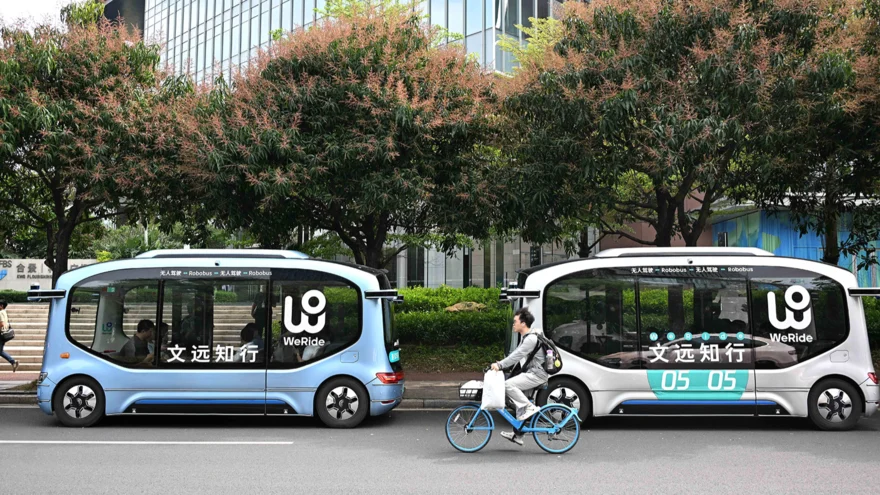
However, the 21st century has introduced a recalibration of the global industrial order. As the geopolitical and economic landscape shifts, China has aggressively transitioned from an industrial backwater to a global leader in high-tech manufacturing. Nowhere is this more visible than in the realm of autonomous transportation. While American tech giants remain embroiled in regulatory debates and incremental testing, Chinese firms like WeRide have successfully deployed fleets of self-driving "Robobuses" across international borders, leaving the U.S. to grapple with the discomfort of being a laggard in a race it once led.
The Rise of WeRide: A Chronology of Autonomous Expansion
The ascent of the WeRide Robobus is not a story of overnight success, but rather the result of a deliberate, state-supported push toward smart-city infrastructure.
- 2017: WeRide is founded, setting its sights on L4 autonomous driving technology—the level at which a vehicle can perform all driving tasks under specific conditions without human intervention.
- 2019: The company gains critical momentum, launching the first fully driverless robotaxi services in Guangzhou, China. This served as the proving ground for the sensor suites and AI algorithms that would eventually power their mass-transit solutions.
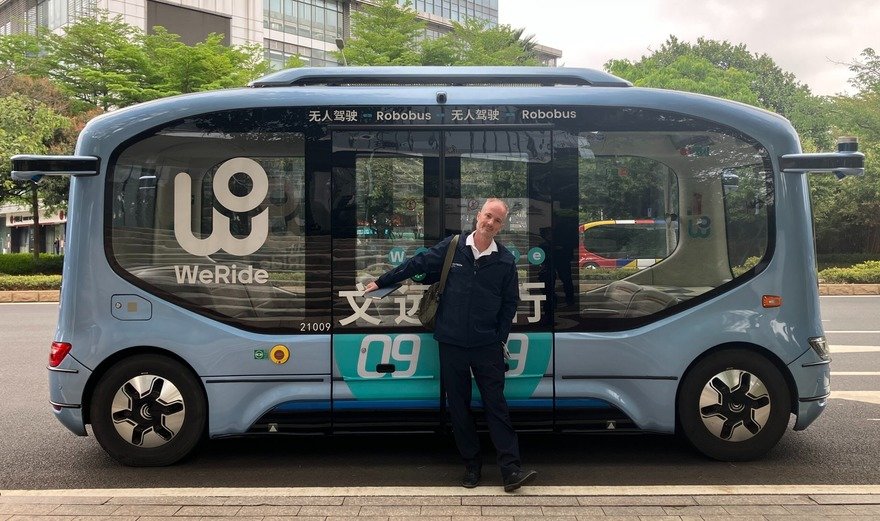
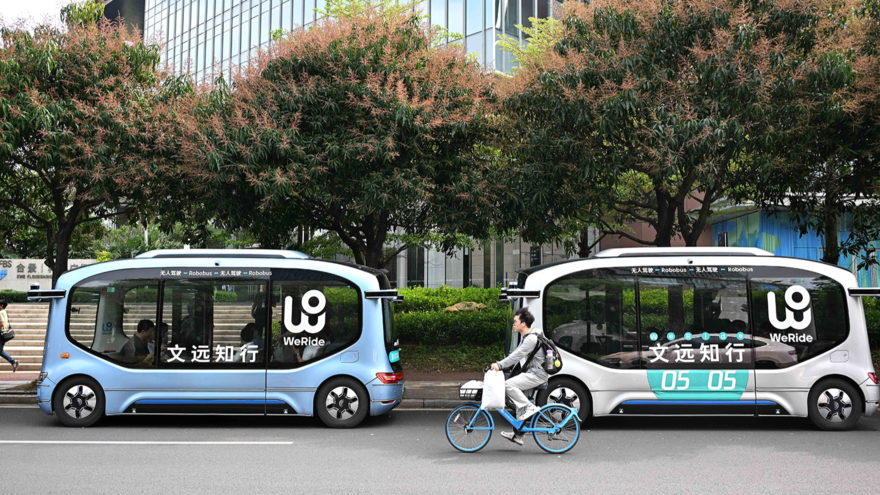
- 2021: WeRide officially unveils the "Robobus," a purpose-built, autonomous shuttle designed for urban public transit. Unlike retrofitted passenger cars, the Robobus is designed from the ground up to operate without a steering wheel or cockpit, maximizing interior space.
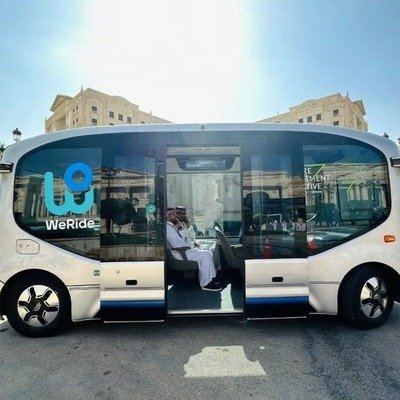
- 2022–2023: The company achieves rapid international scaling. Moving beyond the Tier-1 cities of Beijing, Shenzhen, and Guangzhou, WeRide begins exporting its technology to global markets, including partnerships in Japan, Singapore, and various nations across Europe and the Middle East.
- 2024: The Robobus is now operational in over 40 cities worldwide. It has become a staple of public transport pilots in diverse climates and regulatory environments, proving the portability of Chinese autonomous software.
The Engineering Philosophy: Beyond "Provincial Design"
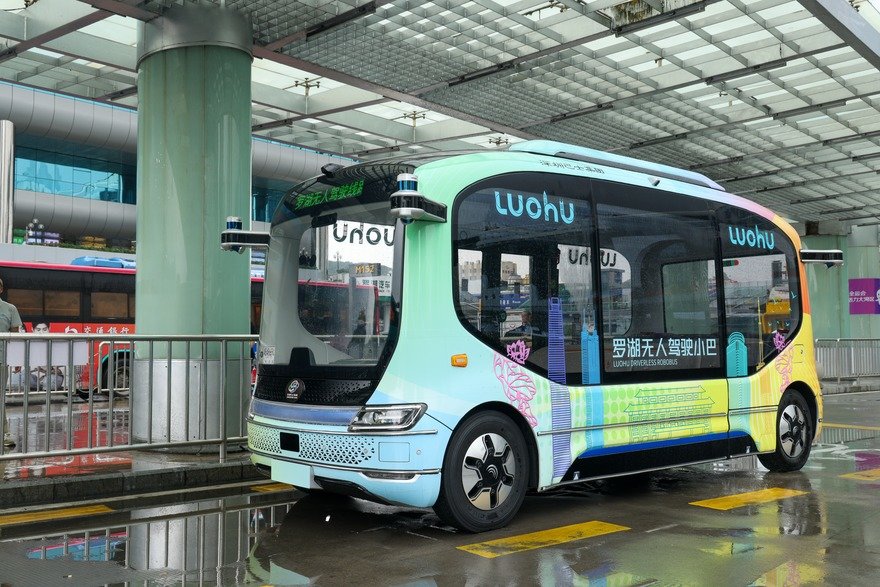
One of the most striking aspects of the WeRide Robobus is its rejection of the "prototype aesthetic." Often, early-stage autonomous vehicles appear clunky, cluttered with exposed LiDAR sensors and makeshift hardware. The Robobus, by contrast, is a triumph of industrial design.
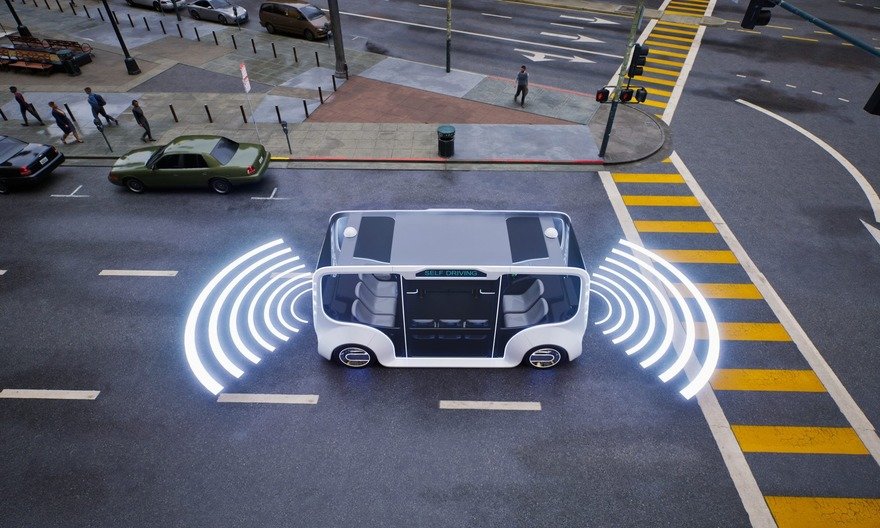
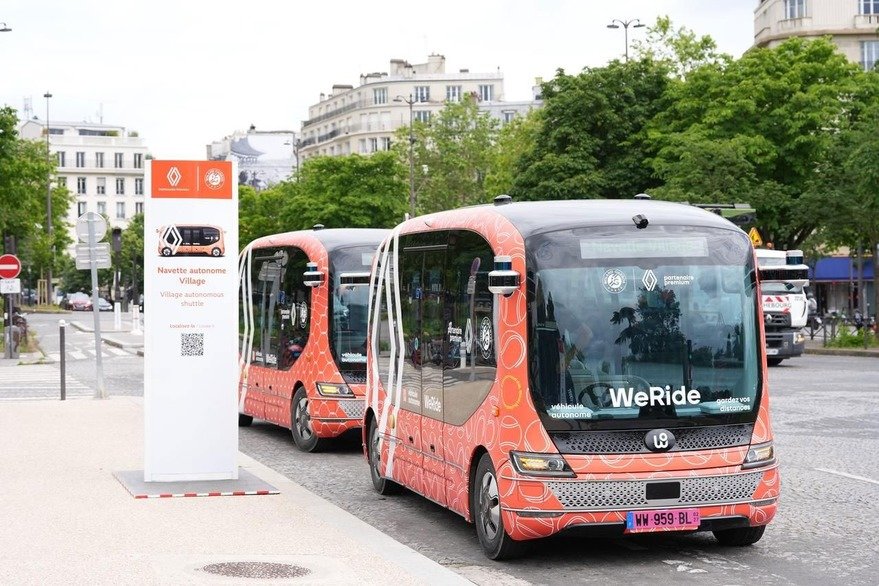
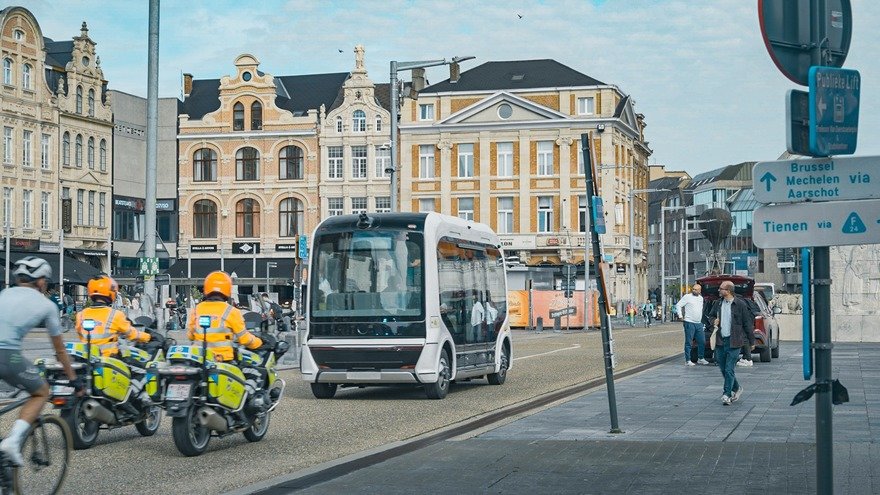
The vehicle features a "generously glazed" exterior, characterized by large windows that promote natural light and a feeling of openness for passengers. Its proportions are clean and modern, signaling a departure from the boxy, utilitarian shuttles of the past. It is an aesthetic that feels at home in the ultra-modern districts of Dubai or the historic streets of European capitals.
Technically, the vehicle utilizes a multi-sensor fusion approach, integrating high-resolution LiDAR, radar, and cameras to create a 360-degree, real-time map of its surroundings. By centralizing the compute power and removing the human driver, the vehicle optimizes passenger density—a critical metric for urban planners looking to solve "last-mile" connectivity issues in densely populated metropolitan zones.
Supporting Data: The Economic and Technical Edge
The success of the Chinese Robobus is inextricably linked to the broader evolution of China’s electric vehicle (EV) sector. By mastering the battery supply chain and power electronics, Chinese manufacturers have achieved price points for high-tech EVs that remain elusive to Western competitors.
- Cost-Effectiveness: A core driver of the Robobus’s global adoption is its competitive unit cost. By leveraging China’s massive domestic manufacturing base, WeRide can deploy hardware at a fraction of the cost required by Silicon Valley-based startups, which often struggle with the "burn rate" of high-cost R&D and labor-intensive assembly.
- Infrastructure Synergy: In cities like Singapore and in the Middle East, the Robobus is not just a bus; it is a node in a larger digital ecosystem. Through 5G integration and smart-traffic management systems, these vehicles communicate with traffic signals and urban infrastructure, reducing congestion—a level of integration that is currently hampered in the U.S. by fragmented municipal regulations.
The Geopolitical Standoff: Why Not America?
If the technology is proven, efficient, and globally popular, why is the Robobus absent from American streets? The answer lies in the intersection of protectionist trade policies and national security concerns.
The U.S. government has increasingly viewed Chinese-made autonomous technology as a strategic liability. Concerns regarding data privacy—specifically, the massive amounts of visual and geolocation data collected by autonomous sensor suites—have led to a "decoupling" of the tech sectors. In 2024, the U.S. Department of Commerce and various legislative bodies have signaled that Chinese autonomous software and hardware will face extreme scrutiny, effectively barring companies like WeRide from the American market.
This has created a "siloed" development environment. While the rest of the world adopts a globalized standard for autonomous transit, the U.S. is attempting to foster a domestic-only autonomous industry. Critics argue this approach may result in higher costs, slower innovation, and a technological isolation that leaves American cities behind the curve in public transit modernization.
Implications: The Psychological Shift of a Superpower
For the American observer, the situation induces a complex, almost existential sensation. There is a palpable shift in the global zeitgeist—a realization that the "first-mover advantage" once held by the U.S. has evaporated.
1. The Innovation Gap
While American companies are focusing on premium, high-margin robotaxi services (often targeting luxury or tech-savvy demographics), Chinese firms have focused on high-utility public infrastructure. By solving for the "bus" rather than the "private luxury car," China is building the foundation for a more sustainable urban future.
2. The Standardization Battle
By exporting its technology to countries like Japan, Switzerland, and Saudi Arabia, China is effectively establishing the "language" of autonomous transit. If the global regulatory framework for self-driving vehicles is built on Chinese technical standards, American firms may find themselves locked out of future international markets, unable to compete with the established interoperability of Chinese systems.
3. The Urban Future
The implications for city planning are profound. As the Robobus becomes a common sight in global capitals, the concept of a "driver" is slowly being decoupled from the concept of a "transit vehicle." U.S. cities, currently struggling with aging public transit systems and budget deficits, may find it increasingly difficult to compete for talent and business if their counterparts in Asia and Europe offer seamless, autonomous, low-cost transit networks.
Conclusion
The spread of the Chinese Robobus is more than just a success story for one company; it is a barometer for the state of global industrial power. While the United States continues to lead in specific areas of AI research and software development, the deployment of that technology into the physical world—into the streets and transit systems of the masses—is currently being won by firms that operate with the full weight of a highly integrated, state-backed industrial strategy.
For the American public, the presence of these buses in countries ranging from France to Japan serves as a stark reminder. The 20th century was defined by what the U.S. exported to the world. The 21st century is increasingly being defined by the innovations that the world is adopting—while the United States, for reasons of policy, politics, and protectionism, remains on the outside looking in. Whether this isolationism will protect the domestic industry or permanently stall its progress remains the defining question of the next decade.
About the Author