Aarhus, Denmark – [Date of Publication, e.g., June 12, 2026] – Scandinavian Print Group (SPG), a leading force in the European print industry, has announced an unparalleled year of financial performance in 2025, reaching its highest-ever revenue and earnings. Despite a challenging European market characterized by declining demand in traditional print segments and fierce competition, SPG demonstrated remarkable resilience and strategic acumen, largely driven by a robust acquisition strategy. Looking ahead, the group is now poised for its next significant growth phase, with a strategic pivot towards the German market, underscored by a major investment in a new production and distribution hub near Cologne.
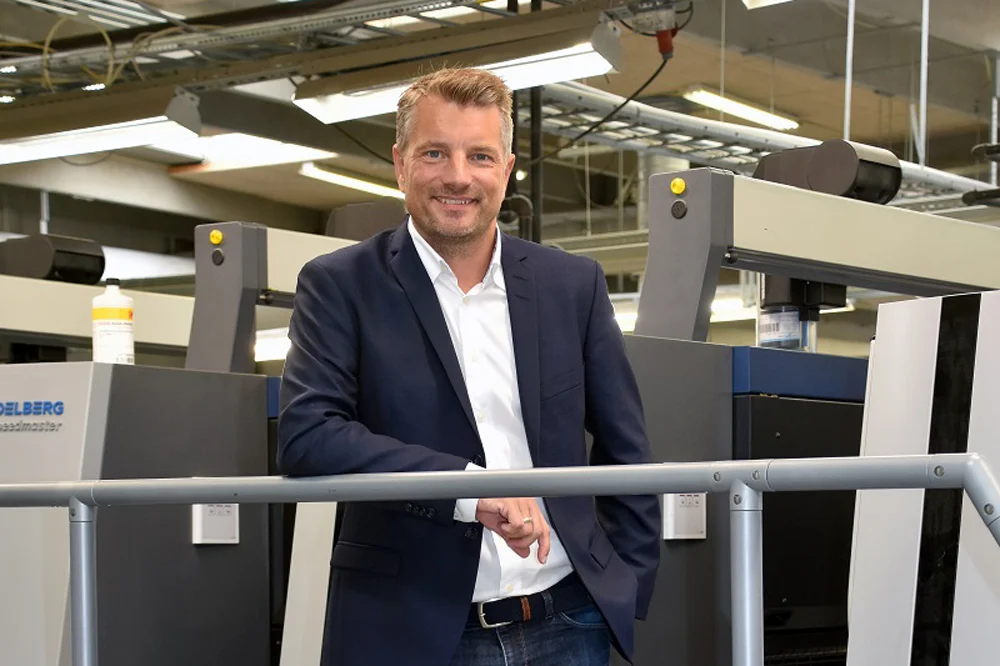
Esben Mols Kabell, CEO of Scandinavian Print Group, highlighted the company’s exceptional trajectory, stating, "We have achieved record figures in both revenue and bottom line, while simultaneously taking significant strides in the strategic development of the company. This growth has been generated in a market that is generally receding, and it is built upon our ability to gain market share and successfully integrate new businesses into a cohesive group structure."
Main Facts: A Year of Unprecedented Success and Strategic Expansion
The year 2025 marked a pivotal period for Scandinavian Print Group, solidifying its position as a dominant player in the Nordic and increasingly, the broader European print landscape. The group reported a substantial increase in its top-line figures, with revenue climbing from DKK 850 million to a record DKK 966 million. This impressive growth was not merely superficial; it translated directly into enhanced profitability. Operating profit surged by an impressive 16.9 percent, reaching DKK 72.6 million. The profit before tax also saw a healthy increase of 7.1 percent, culminating in DKK 68.9 million. These figures represent the strongest financial results in the group’s history, underscoring the effectiveness of its strategic initiatives.
Crucially, this financial triumph was achieved against a backdrop of persistent headwinds in the European print sector. The industry continues to grapple with evolving consumer preferences, the digital shift, and intense price competition, particularly within established print segments. SPG’s ability to defy these broader market trends speaks volumes about its agile business model, operational efficiencies, and aggressive market consolidation strategy.
Beyond the immediate financial gains, 2025 was a year of profound strategic development. The group executed five key acquisitions across Denmark, Sweden, and Germany, significantly expanding its geographical footprint and bolstering its market share. This multi-pronged approach laid the groundwork for future expansion, most notably setting the stage for an intensified focus on the German market. The strategic acquisition of the German print group Limberg Group, finalized shortly after the close of the financial year, represents a cornerstone of this forward-looking strategy. This move positions SPG to leverage the less consolidated German market as a primary engine for its next wave of growth, establishing a critical production and distribution hub in the heart of Europe.
Chronology of Growth: A Dynamic Path to Market Leadership
Scandinavian Print Group’s journey to its record-breaking performance in 2025 and its ambitious plans for 2026 is a testament to a deliberate and dynamic growth strategy centered around strategic acquisitions and seamless integration.
The 2025 Milestones: Acquisitions Fueling Momentum
The year 2025 was characterized by a series of calculated maneuvers to expand the group’s market presence and operational capacity. SPG successfully completed five strategic acquisitions of printing companies throughout Denmark, Sweden, and Germany. These acquisitions were not merely opportunistic; they were integral to SPG’s broader vision of consolidating a fragmented market and creating economies of scale.
Each acquired entity brought with it existing client bases, specialized capabilities, and local market knowledge, contributing positively to SPG’s consolidated revenue from the moment of takeover. This immediate revenue boost was a significant factor in the group’s overall top-line growth. However, as CEO Esben Mols Kabell explains, the full benefits of these integrations are realized over a longer period. "When we acquire a company, we gain the revenue from the takeover, while some of the gains from integration only materialize later. The first year requires investments in, among other things, systems, organization, and workflows. We normally see the full potential from year two," Kabell elaborated. This insight highlights the meticulous planning and significant investment required to harmonize disparate operations, streamline processes, and unlock the true synergistic potential of newly acquired businesses. These initial investments, while impacting short-term profitability, are deemed crucial for long-term value creation and operational efficiency.
The acquisitions in 2025 served to broaden SPG’s service offerings, enhance its technological capabilities, and strengthen its competitive edge across the Scandinavian and initial German markets. They also provided invaluable experience in cross-border integration, preparing the group for even larger-scale expansion efforts.
Post-Year-End Power Play: The Limberg Group Acquisition
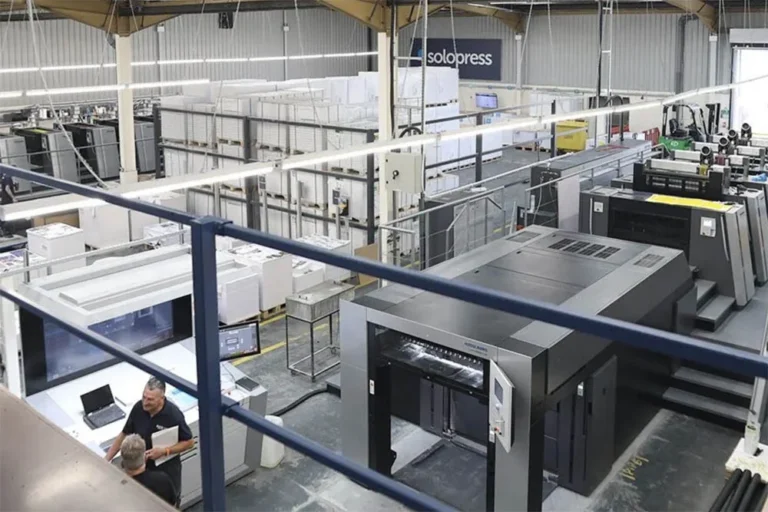
Building on the momentum of 2025, Scandinavian Print Group made a bold and strategically significant move shortly after the close of the financial year: the acquisition of the German print consortium, Limberg Group. This acquisition is far more than just another addition; it represents a foundational shift in SPG’s geographical focus and operational blueprint. The Limberg Group comprises six print shops strategically located around Cologne, a major economic and logistical hub in Germany.
These six new facilities are earmarked to serve a critical function within SPG’s evolving European strategy. They are slated to become a central production and distribution center, a pivotal node in the group’s expanding network as it intensifies its integration model within the German market. This move is particularly insightful when considering the structural differences between print markets across Europe. While the print markets in Denmark and Sweden have undergone significant consolidation over the past decades, resulting in a landscape dominated by fewer, larger players, the German market presents a stark contrast. It remains highly fragmented, characterized by a multitude of independent graphic companies.
This fragmentation, according to Scandinavian Print Group, represents a significant opportunity. It allows the group to replicate its proven consolidation strategy in a market ripe for integration, where economies of scale, technological advancements, and streamlined operations can yield substantial competitive advantages. CEO Esben Mols Kabell underscored the strategic importance of this acquisition: "We have used the first German acquisitions to test how our model works across Scandinavia and Germany. The experiences have been positive, and with the Limberg Group, we now gain a significantly larger local footprint and a stronger foundation for further development." This statement reflects a cautious yet confident approach, where initial smaller-scale integrations provided valuable lessons and validated the effectiveness of SPG’s operational and integration model before committing to a larger, more impactful investment like the Limberg Group.
Supporting Data: The Numbers Behind the Narrative
The financial results for 2025 not only underscore Scandinavian Print Group’s robust performance but also provide a compelling narrative of strategic success in a challenging industry.
Financial Performance Breakdown (2025)
The detailed financial report for 2025 paints a clear picture of an organization achieving growth across multiple key metrics:
- Revenue: The group’s revenue escalated from DKK 850 million in the previous year to a record DKK 966 million. This represents a substantial increase, indicating a strong uplift in sales volumes, successful market penetration, and the immediate revenue contributions from the five acquisitions completed during the year.
- Operating Profit (EBIT): Operating profit grew by a remarkable 16.9 percent, reaching DKK 72.6 million. This metric is particularly significant as it reflects the core profitability of the business operations before interest and taxes, demonstrating effective cost management and operational efficiencies even amidst expansion. The higher percentage growth in operating profit compared to revenue suggests an improvement in profit margins, possibly due to synergies from integrations or better pricing strategies.
- Profit Before Tax (PBT): The profit before tax concluded at DKK 68.9 million, marking a 7.1 percent increase over the prior year. While a solid increase, it’s notable that the PBT growth rate is lower than the operating profit growth. This differential could be attributed to increased financing costs associated with the acquisitions or other non-operating expenses incurred during the expansion phase, which is a common characteristic of rapid growth through M&A.
These figures are set against the backdrop of a European print market widely acknowledged for its difficulties. Industry reports often cite declining demand in traditional print segments such as commercial printing for marketing collateral, magazines, and newspapers. Factors contributing to this decline include the pervasive shift towards digital media, increased environmental awareness driving reduced paper consumption, and the relentless pressure of globalization leading to intense price competition. For Scandinavian Print Group to not only grow but to achieve record results in such an environment highlights its ability to outperform the market, capturing market share from competitors and successfully diversifying or specializing its service offerings.
Market Analysis: Navigating a Shifting Landscape
The European print market is undergoing a profound transformation. The traditional models that once sustained the industry are being challenged by rapid technological advancements and changing consumer behaviors.
- Declining Demand in Traditional Segments: The shift towards digital platforms for news, advertising, and content consumption has undeniably impacted the demand for traditional print products. Publishers are increasingly moving online, and businesses are opting for digital marketing campaigns due to their cost-effectiveness, measurability, and reach. This trend has led to overcapacity in the conventional print sector, intensifying competition and driving down prices.
- High Competition: The market is saturated with numerous players, leading to fierce competition on price, quality, and delivery times. Consolidation has been a recurring theme, as smaller, less efficient players struggle to compete with larger, more technologically advanced groups.
- SPG’s Counter-Narrative: Scandinavian Print Group’s success in this challenging environment is attributed to several factors. Firstly, their aggressive strategy of acquiring smaller, often family-owned print shops allows them to consolidate market share rapidly. By integrating these businesses, SPG can rationalize operations, centralize procurement, and implement more efficient production processes, thereby achieving economies of scale that smaller entities cannot. Secondly, their focus on integration ensures that acquired businesses are not merely added but are synergistically woven into the group’s operational fabric, maximizing efficiency and profitability. Thirdly, it can be inferred that SPG is likely adapting its service portfolio to cater to resilient or growing print segments, such as specialized packaging, digital on-demand printing, or highly customized print solutions, though specific details are not provided in the article. These segments often require advanced technology and specialized expertise, which a larger, integrated group is better positioned to offer.
The fragmentation of the German market, in particular, offers a unique opportunity for SPG. Unlike Scandinavia, where consolidation has already run its course to a significant degree, Germany presents a fertile ground for SPG’s proven integration model, allowing them to acquire, optimize, and expand in a less mature consolidated landscape. This strategic insight into market dynamics is a cornerstone of SPG’s long-term growth potential.
Official Responses: Leadership’s Vision and Strategy
The leadership of Scandinavian Print Group, particularly CEO Esben Mols Kabell, has provided clear insights into the strategies that underpinned 2025’s success and those that will drive future growth. His statements articulate a confident vision and a pragmatic approach to market challenges.
Esben Mols Kabell on 2025’s Achievements
Kabell’s remarks concerning the 2025 results underscore the dual achievement of financial records and significant strategic advancement. He emphasized that the group’s growth was not merely organic but strategically engineered through market share gains and the successful integration of new entities. This distinction is critical, as it highlights an active, rather than passive, approach to growth. In a market where many are struggling, SPG has actively sought out opportunities to expand its footprint and capabilities.
The CEO’s explanation of the acquisition integration process provides a candid view of the complexities involved. He acknowledges that the full "synergies" and "potential" of an acquisition often take time to materialize, requiring substantial upfront investments in systems, organizational restructuring, and workflow harmonization. This transparency about the delayed realization of full benefits suggests a disciplined and long-term oriented investment philosophy. It implies that SPG is not merely chasing short-term gains but is committed to building a robust and integrated enterprise that can deliver sustainable value over time. This approach also implies a strong focus on operational excellence post-acquisition, ensuring that the acquired companies are effectively absorbed and optimized within the broader group structure, rather than remaining disparate entities.
The German Frontier: A Strategic Imperative
The decision to focus intensively on the German market is a cornerstone of SPG’s forward strategy, and Kabell’s statements illuminate the rationale behind this pivotal move. He noted the successful "testing" of SPG’s operational model across Scandinavia and Germany, a crucial step that provided the necessary confidence for the larger Limberg Group acquisition. This iterative approach—starting with smaller German acquisitions to validate their integration model—demonstrates a prudent, risk-mitigated strategy for entering a new, albeit promising, market.
Kabell’s assertion that the German market offers a "significantly larger local footprint and a stronger foundation for further development" highlights the scale of opportunity. Unlike the relatively consolidated markets of Denmark and Sweden, Germany’s fragmented print industry presents a vast landscape for SPG to apply its proven consolidation playbook. This strategic imperative is driven by the potential for substantial economies of scale, enhanced geographical reach, and the ability to offer a broader and more competitive service portfolio to a larger customer base in Central Europe. The establishment of a key production and distribution hub near Cologne is not just an investment in facilities but a commitment to embedding SPG deeply within the German industrial ecosystem, providing efficient logistics and localized service delivery.
Outlook for 2026: Balancing Growth and Investment
Looking ahead to 2026, Scandinavian Print Group projects continued high growth, with an ambitious revenue forecast between DKK 1.1 billion and DKK 1.25 billion, surpassing the DKK 1 billion mark for the first time. This forecast underscores the leadership’s confidence in the ongoing success of their strategy, particularly the integration of the Limberg Group and the continued momentum from 2025’s acquisitions.
However, Kabell also provided a balanced perspective on the profitability outlook for 2026. While revenue is expected to surge, profit before tax is projected to be in the range of DKK 70-90 million. This range, while representing an increase over 2025’s DKK 68.9 million, suggests that profitability might not grow at the same accelerated pace as revenue in the short term. The CEO explicitly attributed this to the substantial "strategic investment in Germany" and the associated "integration costs and investments in the new German production setup."
This candid acknowledgment reflects a long-term strategic mindset. Kabell emphasized that these investments are crucial for "retaining customers, integrating more companies, and creating a stronger foundation for long-term earnings." This implies that 2026 will be a year of significant operational and financial groundwork in Germany, where the immediate returns might be tempered by the costs of building a robust infrastructure and integrating complex operations. It is a strategic trade-off: sacrificing some immediate profit acceleration for the sake of establishing a powerful and sustainable growth platform in a key European market. The ultimate goal is to build a more resilient, efficient, and profitable group in the years following these initial intensive investment phases.
Implications: Shaping the Future of European Print
Scandinavian Print Group’s aggressive growth strategy and significant investment in Germany carry profound implications, not only for the company itself but also for the broader European print industry and its economic landscape.
Industry Impact: A Model for Consolidation
SPG’s sustained success through acquisition and integration presents a compelling blueprint for other players in fragmented industries. In the European print market, characterized by numerous independent businesses often struggling with diminishing margins and investment capacity, SPG’s model offers a path to resilience and growth. Their strategy demonstrates that by systematically acquiring smaller entities, consolidating operations, leveraging economies of scale, and investing in advanced technologies, a larger group can thrive where individual companies might falter. This approach can lead to:
- Increased Efficiency: Centralized purchasing, shared technology platforms, and streamlined workflows across multiple sites reduce overheads and improve operational efficiency.
- Enhanced Competitiveness: A larger, more efficient group can offer more competitive pricing, a broader range of services, and faster turnaround times, making it a more attractive partner for clients.
- Technological Advancement: Consolidating resources allows for greater investment in state-of-the-art printing presses, automation, and digital solutions, which might be out of reach for smaller, independent companies.
- Market Rationalization: SPG’s actions contribute to the rationalization of the print market, leading to fewer but stronger players. This can ultimately stabilize the market, reducing cut-throat competition and allowing for more sustainable business models. For smaller, independent print shops, this implies a choice: either specialize in niche markets, invest heavily to compete, or consider becoming part of a larger group like SPG. The "production hub" concept, exemplified by the Cologne facility, also points towards a future where print logistics are highly centralized and optimized, mirroring trends in other manufacturing sectors.
Economic Footprint and Employment
At the close of 2025, Scandinavian Print Group employed approximately 860 individuals across Denmark, Norway, Sweden, Germany, and Poland. This significant workforce underscores the company’s substantial economic footprint in the regions it operates. The ongoing expansion, particularly into Germany, will have further implications for employment:
- Job Creation and Restructuring: While acquisitions often involve some initial rationalization to eliminate redundancies, the overall growth and establishment of new production hubs can lead to new job opportunities in areas such as logistics, technology, sales, and specialized production roles. The creation of a central hub in Cologne, for instance, will likely require a dedicated team for its operational management.
- Regional Economic Impact: A growing, consolidated print group contributes to local economies through salaries, taxes, and procurement from local suppliers. As SPG expands its presence in Germany, it will become an increasingly important employer and economic contributor in that region.
- Skill Development: As the print industry evolves with digital technologies and automation, SPG’s focus on integration and investment will likely drive demand for new skills and continuous professional development among its workforce, ensuring its employees remain at the forefront of industry trends.
Strategic Trajectory: Beyond 2026
The ambitious plans for 2026, centered on solidifying the German presence and surpassing the DKK 1 billion revenue mark, set a clear strategic trajectory for Scandinavian Print Group. What comes next after the German integration is complete?
- Further European Expansion: Having successfully established a foothold in Germany, SPG might look towards other fragmented European markets, leveraging its proven model for consolidation and integration. Central and Eastern Europe could represent future opportunities.
- Diversification of Services: To mitigate risks associated with traditional print decline, SPG may continue to diversify its service offerings, potentially expanding into related areas such as digital marketing services, cross-media solutions, or advanced packaging solutions that often require complex print and finishing techniques.
- Innovation and Sustainability: The enduring challenge for any print group is to innovate constantly. This includes adopting sustainable practices, utilizing eco-friendly materials, and investing in energy-efficient production processes. As a market leader, SPG will likely continue to push the boundaries in these areas, responding to growing client and regulatory demands for environmentally responsible production.
- Digital Transformation: While print remains their core business, integrating advanced digital workflows, e-commerce platforms for print-on-demand, and data analytics to optimize production and customer engagement will be crucial for long-term competitiveness.
In conclusion, Scandinavian Print Group is not just growing; it is strategically reshaping the European print landscape. Its record performance in 2025, coupled with a bold expansion into the German market, positions the company as a formidable leader poised for sustained success in an evolving industry. The journey through 2026, marked by significant investment and integration, will be pivotal in establishing a stronger foundation for the group’s long-term vision and profitability.
About the Author