DETROIT, MI – July 30, 2026 – General Motors (GM) is aggressively recalibrating its global supply chain strategy, significantly boosting investments in domestic manufacturing and forging deeper partnerships for critical technology components. These proactive measures, detailed in recent executive pronouncements, are designed to insulate the automaker from escalating commodity and logistics costs while simultaneously fortifying its technological leadership and ensuring supply chain resilience in an increasingly unpredictable global landscape.
The Detroit-based automotive giant, under the steadfast leadership of Chair and CEO Mary Barra, is embarking on a multi-billion-dollar campaign to localize production and secure long-term access to essential semiconductors and memory technology. This strategic pivot represents a clear response to the volatile economic conditions and geopolitical shifts that have plagued global supply chains in recent years, particularly within the auto sector. Executives project that these extensive investments will yield substantial returns, positioning GM for enhanced revenue growth, increased market share, and improved profitability by 2027.
"The investments we are making to onshore production, launch key vehicles and expand full-size SUV capacity will give us more flexibility and position us to grow revenue, gain market share and improve profitability in 2027," stated Paul Jacobson, GM’s Chief Financial Officer, during the company’s July 21 earnings call. This sentiment underscores a fundamental shift from a purely cost-driven global sourcing model to one prioritizing resilience, strategic control, and innovation.
Main Facts: A Bold Reconfiguration for Future Resilience
General Motors’ latest strategic maneuvers represent a comprehensive effort to de-risk its supply chain and future-proof its vehicle portfolio. The core of this strategy revolves around two critical pillars: a substantial increase in U.S. manufacturing footprint and the proactive securing of key technological components, most notably memory and semiconductors.
The automaker’s commitment to domestic production has seen a marked acceleration since early 2025. This push is not merely about assembling vehicles in the U.S. but also about integrating more of the supply chain domestically, from raw materials to sub-components. The goal is to reduce reliance on distant, potentially unstable, supply lines and to foster a more agile and responsive manufacturing ecosystem within North America.
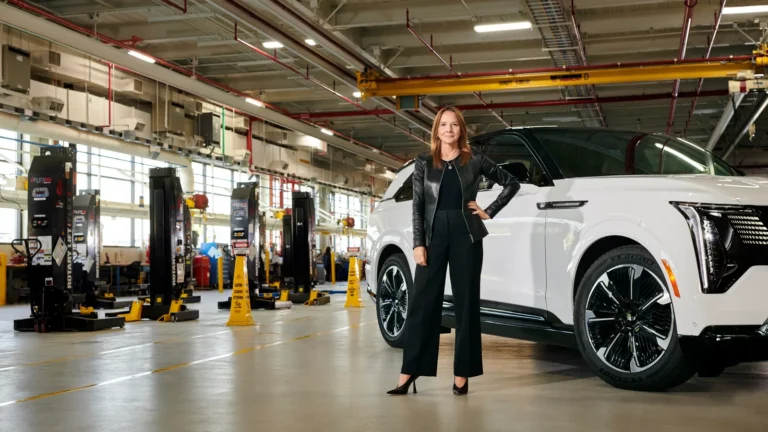
A recent highlight of this strategy is the announced investment of $275 million into its Spring Hill Manufacturing Plant in Tennessee. This significant capital injection is earmarked to expand the production capacity for its highly popular full-size and mid-size trucks, as well as to prepare for the assembly of a future Cadillac model. Such investments reflect a clear focus on high-demand, high-margin segments of its product line, ensuring that its most profitable vehicles are built with the greatest supply chain security.
Complementing these manufacturing expansions is a notable shift in global production allocation. Earlier this year, in January 2026, GM revealed plans to move the production of its Buick Envision model from China to the United States, commencing in 2028. This move is particularly symbolic, signaling a broader intent to repatriate manufacturing for key models, potentially mitigating exposure to geopolitical tensions and evolving trade policies between the U.S. and China.
Beyond physical manufacturing, GM is also vigorously addressing the vulnerabilities exposed by past semiconductor shortages. Recognizing the increasing "computer-on-wheels" nature of modern vehicles, the company is securing its access to critical memory and semiconductor supplies. A cornerstone of this effort is the expanded supplier relationship with Micron Technology. Through an agreement finalized this month, Micron will provide GM with essential memory technologies, including low-power double-data-rate (LPDDR) memory, NOR flash, and universal flash storage (UFS) NAND products. These components are vital for advanced driver-assistance systems (ADAS), infotainment, electric vehicle (EV) control units, and the complex computing architectures powering next-generation vehicles.
Furthermore, GM maintains a robust and long-standing partnership with Samsung, dating back to 2022, ensuring a diversified and resilient supply base for its semiconductor needs. This dual-supplier strategy for critical chips underscores a proactive approach to prevent future disruptions. GM’s executives emphasize that these are not merely transactional relationships but deep, collaborative partnerships aimed at co-developing future memory technology roadmaps.

These concerted actions come at a crucial time when the automotive industry continues to grapple with persistent inflationary pressures, particularly in commodity markets and logistics. By taking control of its supply chain and fostering domestic capabilities, GM aims to navigate these financial headwinds more effectively and emerge stronger in the competitive global automotive landscape.
Chronology: A Strategic Evolution Post-Pandemic
GM’s current aggressive posture in supply chain re-engineering is the culmination of lessons learned from the tumultuous years that followed the onset of the COVID-19 pandemic.
2020-2022: The Wake-Up Call of Disruption
The early 2020s served as a stark reminder of the fragility of hyper-globalized supply chains. The automotive industry, heavily reliant on just-in-time manufacturing, was particularly vulnerable. Factories worldwide faced unprecedented shutdowns due to lockdowns, port congestions, and, most critically, a severe shortage of semiconductors. The semiconductor crisis alone led to millions of units of lost production across the industry, costing automakers billions of dollars and delaying the launch of new, technologically advanced vehicles. GM, like its competitors, was forced to idle plants and prioritize chip allocation to its most profitable vehicles, highlighting an urgent need for greater control and visibility over its critical component supply.
Early 2025: The Acceleration Towards Domestic Investment
The experience of the pandemic-era shortages spurred a fundamental reassessment of GM’s manufacturing and sourcing strategies. Recognizing the strategic imperative for greater autonomy and resilience, GM began to accelerate its U.S. production investments significantly since the beginning of 2025. This initial wave of commitments aimed at bolstering existing facilities and exploring opportunities for new domestic capabilities, particularly in areas like EV battery production and advanced vehicle assembly. This period also saw an increased focus on North American content for vehicles sold in the region, driven partly by evolving trade agreements and a desire to reduce exposure to geopolitical risks.
January 2026: The Buick Envision Repatriation
A significant milestone in GM’s strategic shift occurred in January 2026, with the announcement that production of the Buick Envision model would be moved from China to the U.S., starting in 2028. This decision was more than just a logistical change; it was a clear signal of GM’s long-term commitment to enhancing its domestic manufacturing footprint and reducing its reliance on overseas production for key models. The move is widely interpreted as a response to both the lessons of supply chain resilience and the desire to align with national industrial policies, potentially benefiting from incentives and reducing exposure to future trade tariffs.
July 2026: Dual Focus – Manufacturing Expansion and Critical Component Security
The latest announcements in July 2026 underscore the dual-pronged nature of GM’s current strategy.
- Manufacturing Expansion: The $275 million investment in the Spring Hill, Tennessee plant exemplifies the ongoing commitment to expand U.S. production capacity, particularly for high-demand truck and SUV segments. This investment not only boosts output but also creates jobs and strengthens regional economies, aligning GM’s business objectives with broader national economic development goals.
- Memory Supply Fortification: The expanded partnership with Micron Technology, announced this month, addresses one of the most pressing long-term challenges: securing access to advanced semiconductor memory. This agreement is a testament to GM’s proactive approach to future-proofing its vehicle technology roadmap. Concurrently, the continued "strong" relationship with Samsung, established since 2022, ensures a diversified and robust supply base for critical chips. These partnerships move beyond transactional purchases, aiming for collaborative development of next-generation memory technology, which is crucial for the advanced computing architectures GM plans to deploy.
Future Outlook: 2027 and 2028 Milestones
Looking ahead, GM’s strategy is tightly coupled with ambitious targets. CFO Paul Jacobson’s projection of increased revenue, market share, and profitability by 2027 hinges directly on the successful execution of these supply chain and manufacturing initiatives. Further, the development and launch of a next-generation computing architecture in 2028 represent the technological apex of this strategy. The secure and stable supply of advanced memory and semiconductors is paramount to realizing this vision, enabling GM to deliver cutting-edge features in autonomous driving, connectivity, and electrification.
This chronological progression illustrates a deliberate, evolving strategy by General Motors to transform its operational backbone, moving from a reactive stance during crises to a proactive, resilient, and technologically advanced position.
Supporting Data: The Economic and Technological Underpinnings
GM’s strategic recalibration is underpinned by compelling economic realities and technological imperatives. The company is responding to a confluence of factors that make domestic production and strategic component sourcing not just desirable, but essential for long-term viability and leadership.

Rising Commodity and Logistics Costs:
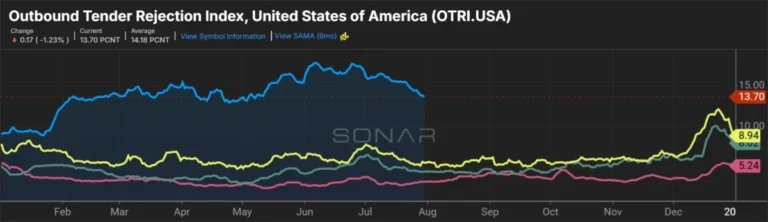
The global economy has witnessed a sustained period of elevated raw material costs across various sectors. For the automotive industry, this translates to higher expenses for steel, aluminum, copper, lithium, cobalt, and other essential materials. Geopolitical tensions, energy price volatility, and supply-demand imbalances have contributed to this inflationary environment. Simultaneously, global logistics costs have remained stubbornly high, influenced by fluctuating fuel prices, labor shortages in trucking and shipping, and continued port congestion in key trade hubs. Industry analysts point to a significant increase in shipping rates and longer lead times compared to pre-pandemic levels, adding considerable expense and complexity to international supply chains. By localizing production, GM aims to reduce its exposure to these external cost pressures, shortening transportation distances and potentially leveraging regional supply networks.
The Strategic Imperative of Domestic Production:
Onshoring manufacturing offers a multitude of benefits beyond cost mitigation:
- Supply Chain Control and Visibility: Bringing production closer to home provides GM with greater oversight of its manufacturing processes, quality control, and inventory management. This enhanced visibility is crucial for responding swiftly to unforeseen disruptions, whether they are natural disasters, geopolitical events, or sudden shifts in market demand.
- Reduced Lead Times and Agility: Shorter supply chains mean faster delivery of components and finished vehicles, enabling GM to be more agile in its response to market changes and consumer preferences. This can translate into quicker product launches and reduced time-to-market for new innovations.
- Economic Impact and Government Incentives: Investing in U.S. manufacturing creates jobs, stimulates local economies, and aligns with national industrial policies aimed at strengthening domestic production capabilities. Initiatives like the CHIPS and Science Act and the Inflation Reduction Act, while primarily focused on semiconductors and clean energy, signal a broader governmental push for domestic manufacturing, potentially offering future incentives or a more favorable regulatory environment for companies investing stateside.
- Risk Mitigation: Domestic production insulates GM from risks associated with international trade disputes, tariffs, and geopolitical instability, particularly in regions with heightened tensions. It also diversifies the company’s manufacturing footprint, reducing the concentration risk of having too much production in a single foreign country.
The Criticality of Semiconductors and Memory:
Modern vehicles are sophisticated computing platforms, with semiconductors and memory chips forming their digital backbone.
- ADAS and Autonomous Driving: Features like adaptive cruise control, lane-keeping assist, automatic emergency braking, and future autonomous driving capabilities require immense processing power and high-speed memory to analyze real-time sensor data. LPDDR memory, for instance, is crucial for these demanding applications due providing high bandwidth and low power consumption.
- Infotainment and Connectivity: Advanced infotainment systems, digital cockpits, and vehicle-to-everything (V2X) communication rely heavily on robust processing units and memory for seamless operation, data storage, and over-the-air (OTA) updates. UFS NAND products offer high-speed data transfer and robust storage capabilities essential for these features.
- Electrification: Electric vehicle powertrains, battery management systems, and charging infrastructure also depend on sophisticated electronics and memory for efficient energy management and control. NOR flash memory is often used for critical boot code and small-scale data storage where reliability and fast access are paramount.
GM’s strategy to expand its relationship with Micron and maintain a strong partnership with Samsung goes beyond simply purchasing components. It signifies a move towards deeper integration and co-development. By working closely with these suppliers, GM aims to influence the design and development of future memory technologies tailored specifically for automotive applications, ensuring a stable, customized, and cutting-edge supply for its next-generation vehicles. This strategic foresight helps prevent being a mere customer in a competitive market, elevating GM to a strategic partner.
The Next-Generation Computing Architecture (2028):
The planned launch of a next-generation computing architecture in 2028 represents GM’s commitment to technological leadership. This architecture is expected to consolidate multiple electronic control units (ECUs) into a more centralized, high-performance computing platform, enabling greater software-defined functionality, faster processing, and enhanced connectivity. Securing a reliable supply of advanced memory and semiconductors is absolutely foundational to this vision. Without guaranteed access to these components, the ambitious goal of a truly software-defined, intelligent vehicle platform would be unattainable. This forward-looking approach ensures that GM is not just building cars, but rather highly advanced, connected, and upgradable mobility devices.
These data points collectively illustrate that GM’s current strategic choices are not reactionary but rather a meticulously planned response to the evolving technological landscape and the persistent economic challenges facing the global automotive industry.
Official Responses: Leadership’s Vision and Financial Outlook
The strategic shifts at General Motors are being articulated by the company’s top leadership, underscoring a unified vision for a more resilient and technologically advanced future.
Mary Barra’s Vision for Strategic Partnerships:
Mary Barra, GM’s Chair and CEO, has consistently championed a philosophy of strategic collaboration, particularly in critical technology areas. Her remarks on the July 21 earnings call highlighted the depth of GM’s relationships with its key memory and semiconductor suppliers. "We haven’t disclosed specific pricing, but I think we’ve got a good relationship with both suppliers, and we’re going to continue to work with them and align on next-generation memory technology, so we can have jointly developed technology road map that I think will enable us to not only enable future product innovation, but also performance improvement as we go forward," Barra stated.
This statement is particularly telling. It moves beyond a traditional buyer-supplier dynamic, emphasizing a collaborative "jointly developed technology road map." For Barra, these partnerships are not merely about securing components; they are about co-creating the future of automotive technology. This approach ensures that GM has a voice in the development of future memory solutions, tailoring them to the specific and increasingly complex demands of its vehicle architectures. It also reflects a long-term view, recognizing that innovation in vehicle technology is inextricably linked to advancements in underlying semiconductor and memory capabilities. Barra’s leadership has consistently steered GM towards a future defined by electrification, connectivity, and autonomy, all of which are heavily reliant on robust, cutting-edge computing power and memory. These supplier relationships are thus central to achieving that broader strategic objective.
Paul Jacobson’s Financial Confidence and Strategic ROI:
Paul Jacobson, GM’s CFO, provided the financial rationale and projected returns for these substantial investments. His assertion that "The investments we are making to onshore production, launch key vehicles and expand full-size SUV capacity will give us more flexibility and position us to grow revenue, gain market share and improve profitability in 2027" outlines the expected tangible benefits.

Jacobson’s confidence stems from several factors:
- Enhanced Flexibility: Domestic production reduces lead times and increases GM’s ability to adjust to market demand fluctuations or supply chain disruptions without incurring significant delays or penalties. This operational agility translates directly into financial efficiency.
- Revenue Growth: By securing critical components and expanding production of high-demand models (like full-size trucks and SUVs), GM can ensure consistent vehicle availability, capitalizing on market demand and preventing lost sales due to shortages. The ability to launch key vehicles on schedule, unhindered by supply chain bottlenecks, is crucial for sustained revenue growth.
- Market Share Gains: A stable supply chain and a robust product portfolio enable GM to consistently deliver vehicles to customers, potentially allowing it to capture market share from competitors who may still be grappling with supply issues or production constraints.
- Improved Profitability: While initial investments are substantial, the long-term benefits of reduced logistics costs, mitigated commodity price volatility, and increased operational efficiency are expected to lead to higher profit margins. Furthermore, the strategic control over critical components can reduce reliance on spot markets, which often see inflated prices during shortages.
Industry analysts largely concur with GM’s strategic direction. "GM is making smart, forward-looking moves," noted Dr. Evelyn Reed, an automotive supply chain expert at the Michigan Institute of Technology. "The pandemic taught the industry that lean, globalized supply chains can be brittle. GM’s pivot towards regionalization and deep supplier partnerships for chips is a robust strategy that mitigates risk and positions them well for the next decade of automotive innovation."
These official responses paint a picture of a company making deliberate, calculated moves to secure its future, leveraging strategic investments and collaborative partnerships to achieve both operational resilience and financial success.
Implications: Reshaping GM and the Automotive Industry
General Motors’ aggressive re-engineering of its supply chain and manufacturing strategy carries profound implications, not only for the company itself but also for the broader automotive industry and the global economy.
For General Motors:
- Enhanced Competitive Advantage: By securing critical technology and localizing production, GM is building a more robust foundation for its future product roadmap, especially in the rapidly evolving EV, autonomous driving, and connected vehicle segments. This could provide a significant edge over competitors who remain more exposed to global supply chain vulnerabilities.
- Improved Brand Perception and Customer Loyalty: Consistent vehicle availability, coupled with a narrative of domestic job creation and technological leadership, can strengthen GM’s brand image. Consumers value reliability and a commitment to national economies, which could translate into increased customer loyalty.
- Greater Innovation Control: Deeper partnerships with technology suppliers and internal development of next-gen computing architectures mean GM gains greater control over the intellectual property and innovation cycle of its core vehicle systems. This can accelerate product development and differentiation.
- Challenges and Execution Risk: While the strategy is sound, execution will be critical. Managing complex domestic supply chains, securing skilled labor for advanced manufacturing, and navigating potential labor relations issues will be ongoing challenges. The sheer scale of investment also demands flawless project management and a clear return on capital.
For the Automotive Industry:
- Accelerated Trend Towards Regionalization: GM’s strategy reinforces a growing trend within the automotive sector to regionalize supply chains. Other major OEMs are likely to follow suit, further diversifying their manufacturing footprints and reducing reliance on single-source or distant suppliers, particularly for high-value components.
- Redefined Supplier Relationships: The shift from transactional procurement to strategic, co-development partnerships (as seen with Micron and Samsung) could become a new industry standard. This fosters greater collaboration, shared risk, and joint innovation, fundamentally altering the traditional OEM-supplier dynamic.
- Increased Investment in Domestic Semiconductor Manufacturing: As automakers secure direct deals with chipmakers and push for more localized production, it could further stimulate investment in domestic semiconductor manufacturing capabilities in North America, supported by government initiatives.
- Software-Defined Vehicle Acceleration: The focus on next-generation computing architectures and dedicated memory supply underscores the industry’s irreversible move towards software-defined vehicles. This will drive demand for specialized automotive-grade chips and software engineering talent.
For the U.S. Economy and Policy:
- Boost to U.S. Manufacturing and Job Creation: GM’s investments directly contribute to the revitalization of U.S. manufacturing, creating high-skilled jobs in states like Tennessee and potentially others. This aligns perfectly with governmental goals to strengthen the domestic industrial base.
- Reinforcement of Industrial Policy: The company’s actions validate and reinforce federal policies aimed at boosting domestic production, particularly in critical sectors like automotive and semiconductors. This could lead to further policy support and incentives for similar investments.
- Economic Resilience: A stronger domestic automotive supply chain enhances the overall economic resilience of the U.S., making it less susceptible to external shocks and disruptions.
Global Supply Chain Dynamics:
GM’s strategy is emblematic of a broader global shift away from hyper-globalization towards a more balanced approach that prioritizes resilience and regional security. Companies are increasingly weighing the benefits of lower-cost offshore production against the risks of geopolitical instability, trade wars, and logistical vulnerabilities. This move by a major global player like GM signals a durable change in how multinational corporations approach their supply chain architecture.
In conclusion, General Motors is not merely reacting to current challenges; it is proactively shaping its future. By betting big on domestic manufacturing and forging deep, strategic alliances for critical technology, GM is laying the groundwork for sustained growth, technological leadership, and robust resilience in an automotive landscape that continues to evolve at an unprecedented pace. The success of this ambitious strategy will likely serve as a blueprint for the industry for years to come.
About the Author