In the rapidly evolving landscape of contemporary architecture, the divide between high-tech computational design and traditional craftsmanship has often seemed insurmountable. On one side, parametric modeling offers the promise of complex, fluid, and mathematically precise forms; on the other, centuries-old artisanal traditions offer soul, materiality, and cultural heritage.
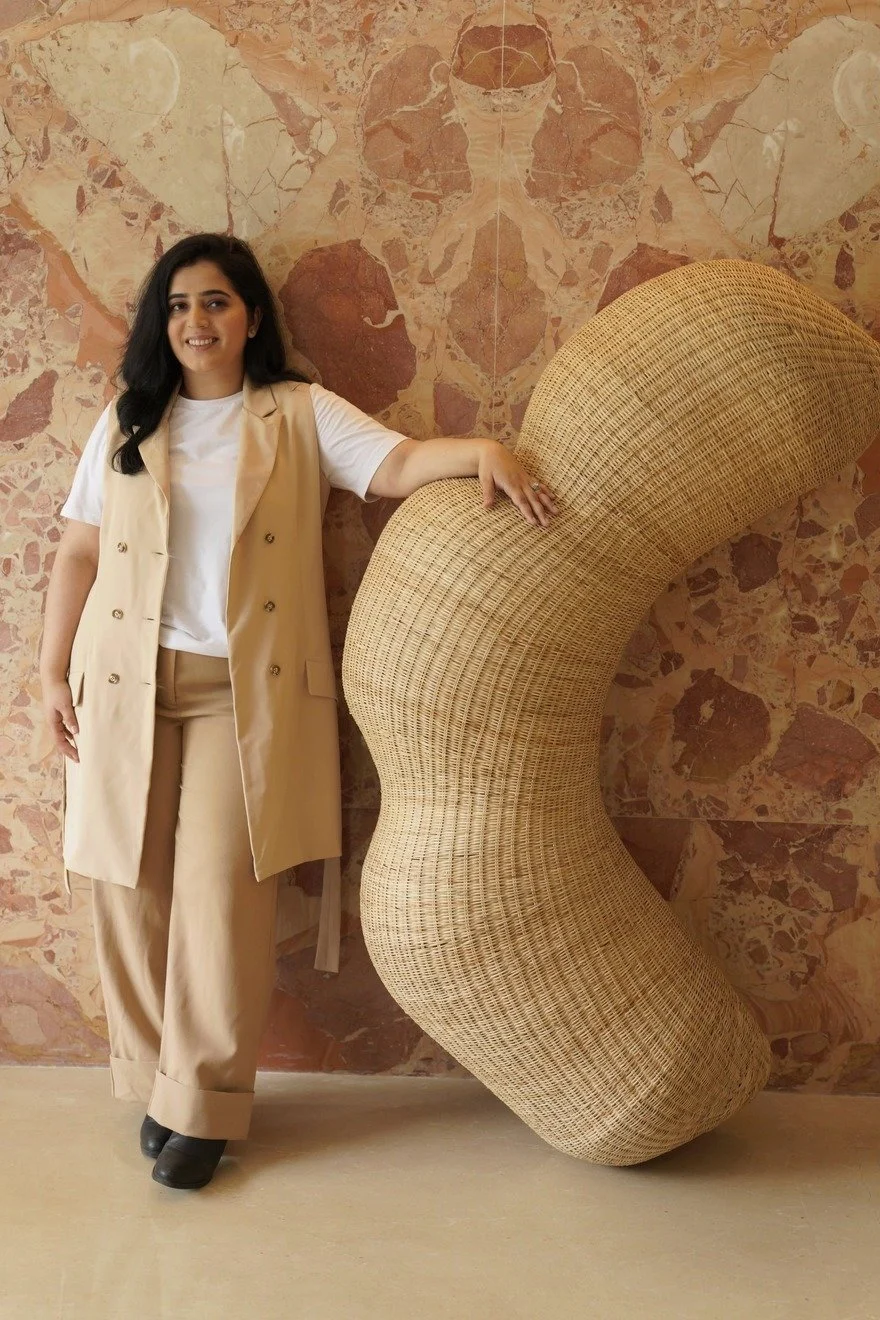
Priyanka Narula, the principal architect behind the Hyderabad-based Prelab Design Studio, is not merely observing this dichotomy—she is actively dismantling it. Through her ambitious initiative, Wicker Story, Narula is proving that the future of Indian design does not lie in choosing between the digital and the manual, but in their sophisticated, symbiotic fusion.
The Genesis of Wicker Story: A Response to Industrial Limitations
The inception of Wicker Story was born out of a critical inquiry into the state of Indian design. As computational design began to dominate global architecture—permitting the creation of complex geometries that defy traditional construction methods—Narula identified a significant barrier. These high-tech methodologies typically rely on industrial infrastructure: CNC milling, 3D printing, and robotic fabrication, tools that remain prohibitively expensive or inaccessible for many practitioners in the Indian subcontinent.
"The project was a response to a prolonged quest to define the future of design in the Indian context," Narula explains. Her central provocation was one of accessibility and ingenuity: "How do we realize algorithmically complex forms without the industrial infrastructure that computational design typically demands?"
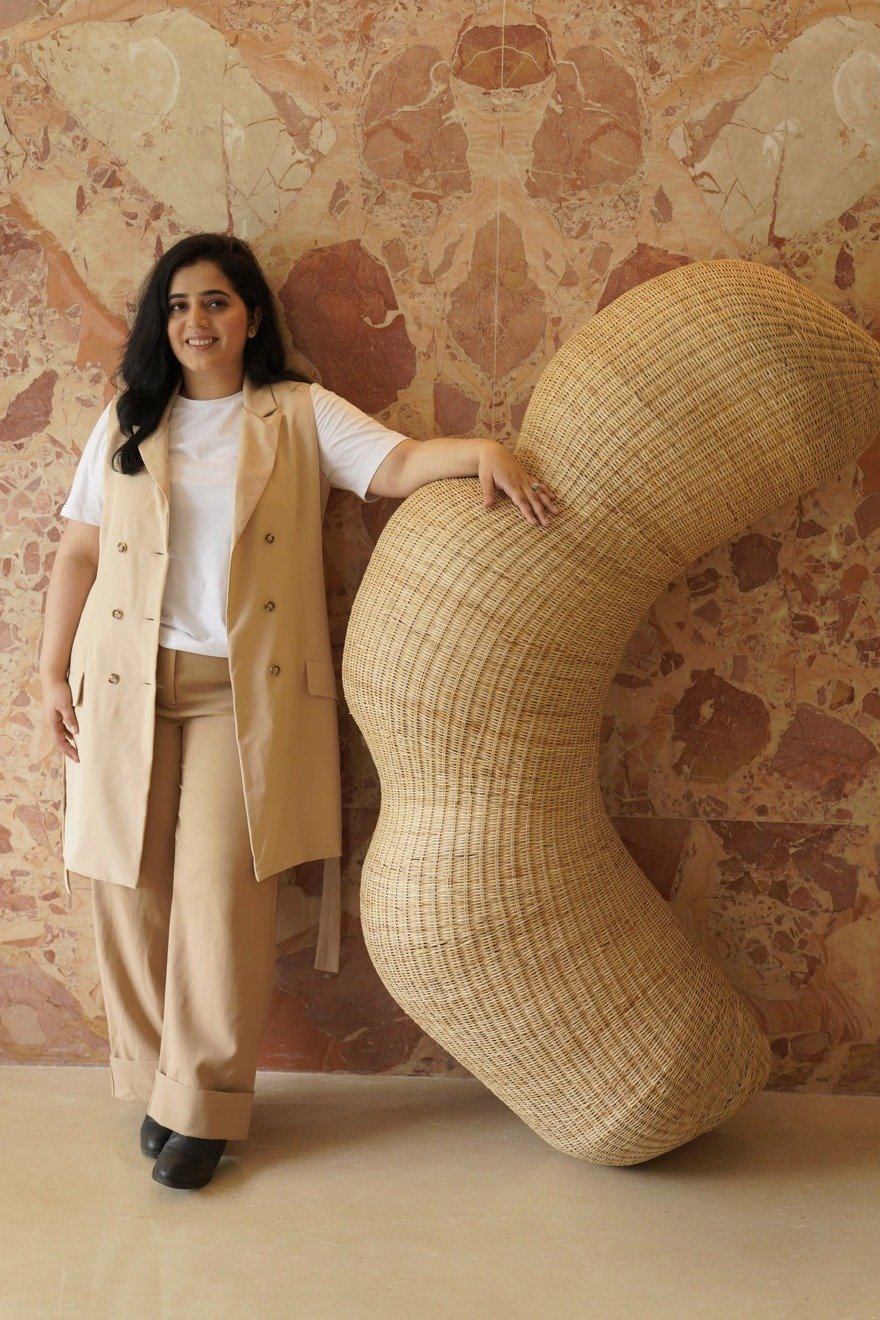
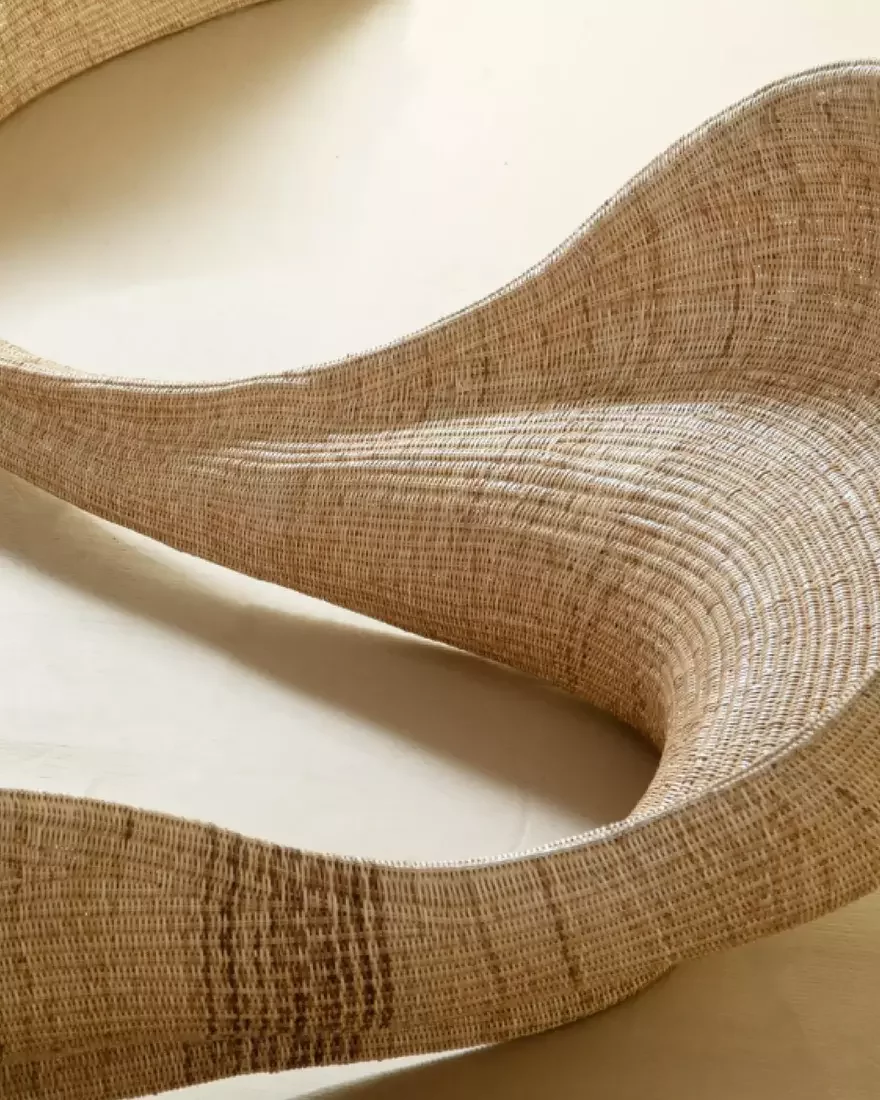
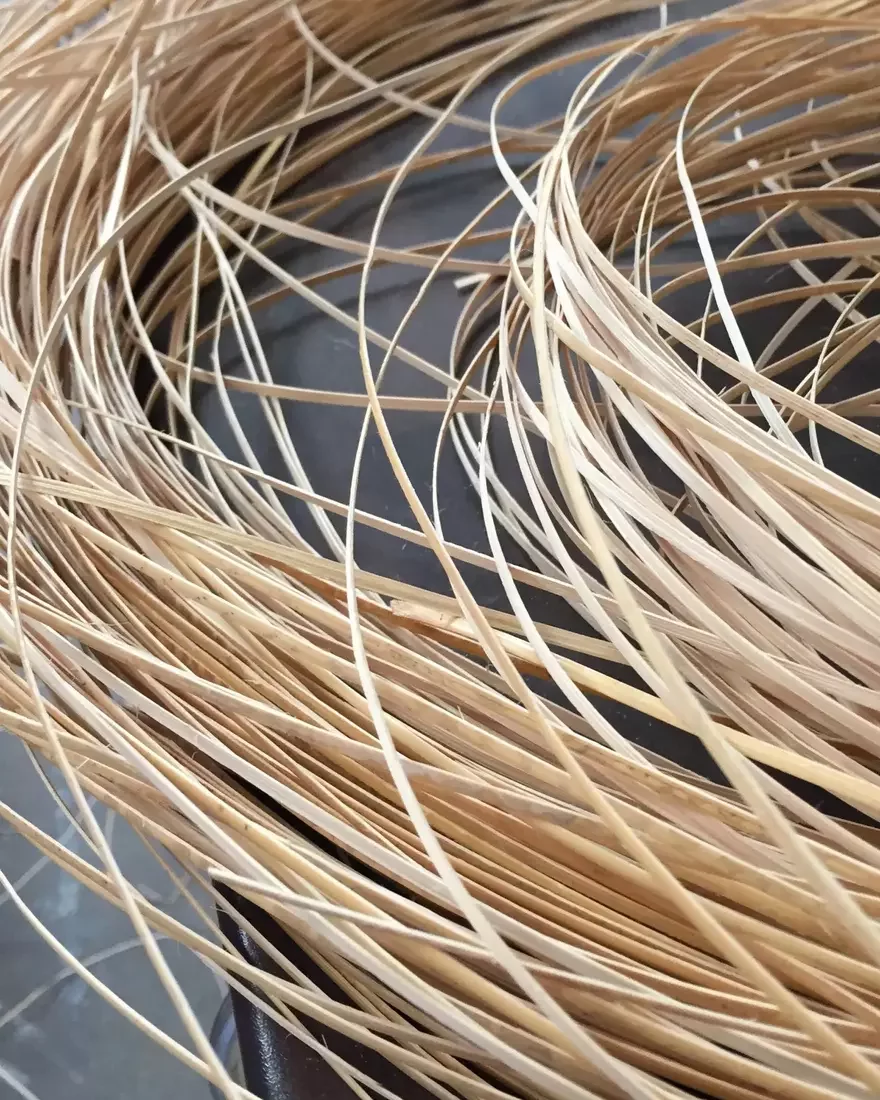
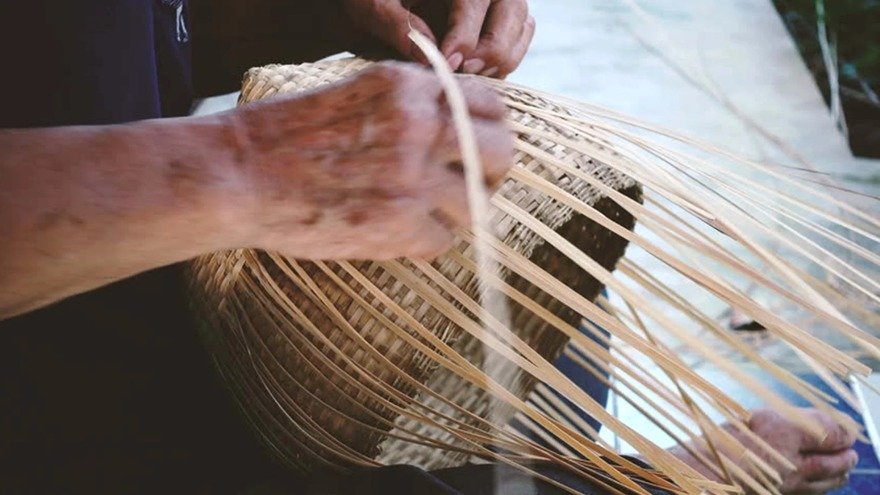
Her solution was to pivot away from machine-heavy production and toward the human-centric mastery of wicker. By treating wicker—a material deeply embedded in the Indian craft vernacular—as a structural and aesthetic medium, she found a way to achieve the complex, flowing geometries of digital design using the nimble hands of local artisans rather than the arms of industrial robots.
Chronology of a Craft Revolution
The evolution of Wicker Story can be traced through three distinct phases of integration:
Phase I: Theoretical Modeling and Digital Translation (The Concept)
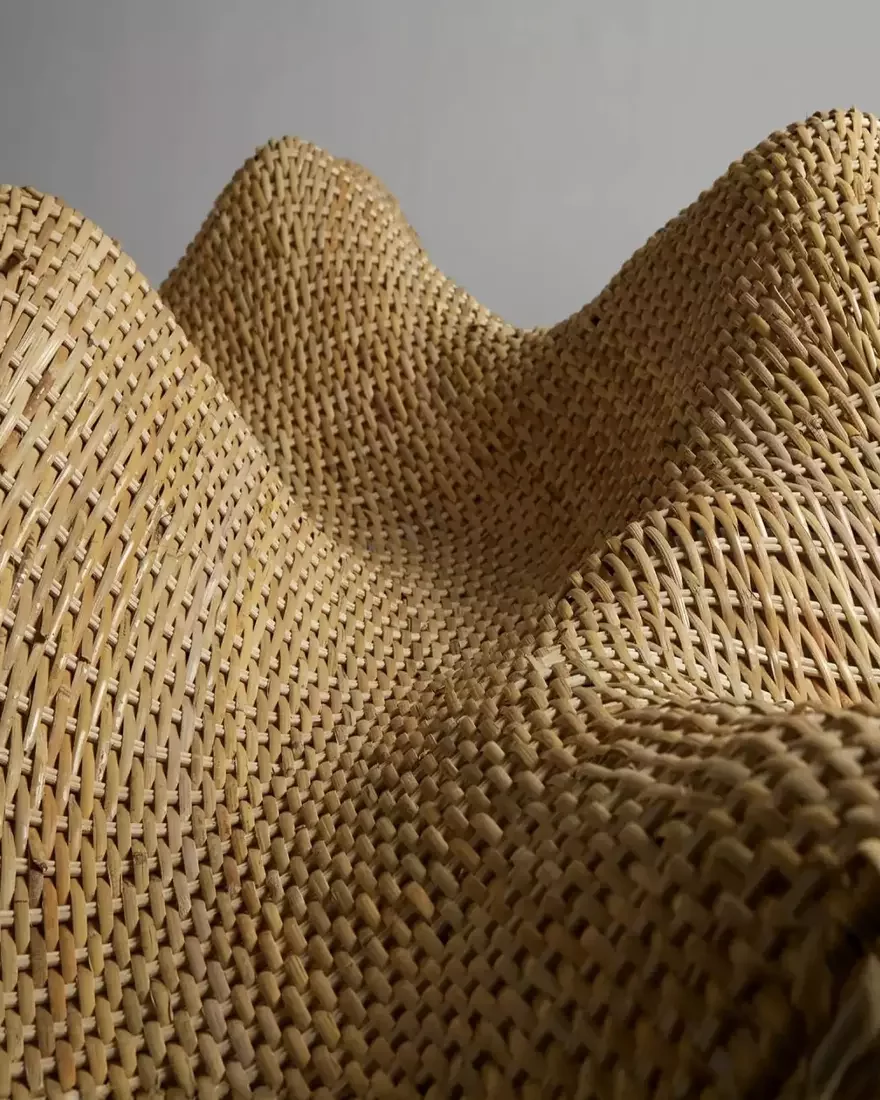
The initial stage involved the use of algorithmic software to create complex, organic, and non-Euclidean shapes. Narula’s team at Prelab Design Studio focused on translating these digital "blueprints" into language that could be interpreted by local weavers. This required a paradigm shift: digital curves had to be discretized into linear, weaveable elements without losing the integrity of the original computational design.
Phase II: The Weaving Protocol (The Pilot)
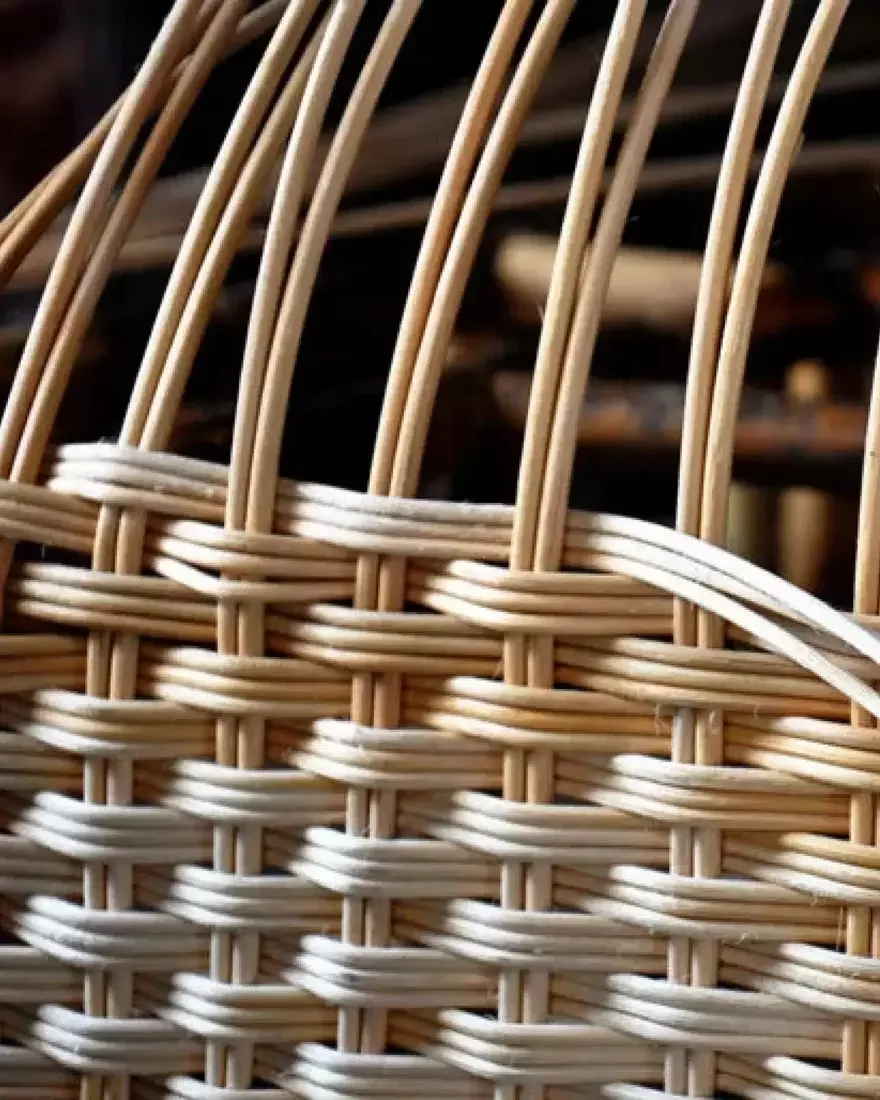
Once the digital logic was established, the project moved to the field. Wicker, chosen for its flexibility and structural memory, was tested for its capacity to hold tension in non-traditional, curved forms. The artisans involved were not merely following standard patterns; they were tasked with interpreting parametric data through the traditional logic of a "woven system." As Narula notes, "Wicker is a woven system, like cloth. You can weave wicker for meters and meters." This allowed for seamless transitions from flat surfaces to volumetric, three-dimensional forms.
Phase III: Scaling and Integration (Current State)
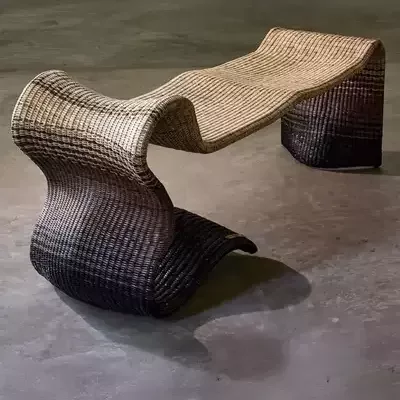
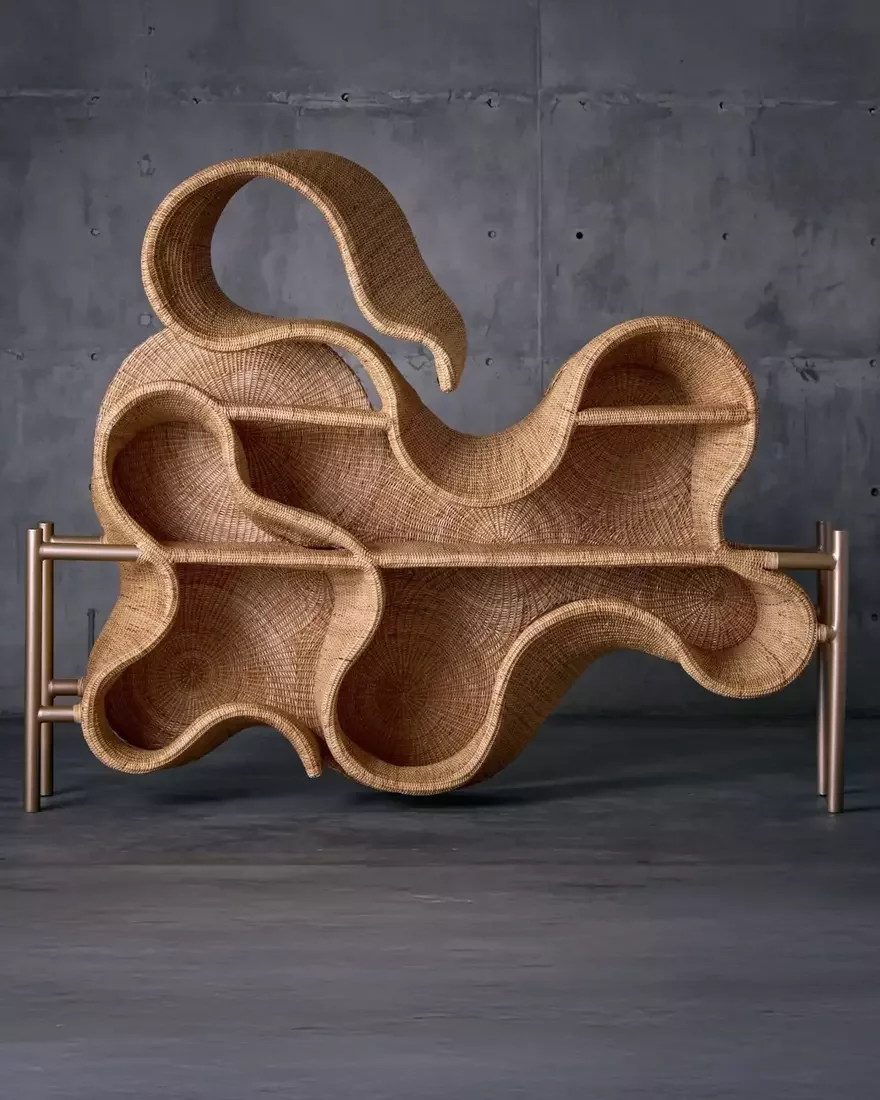
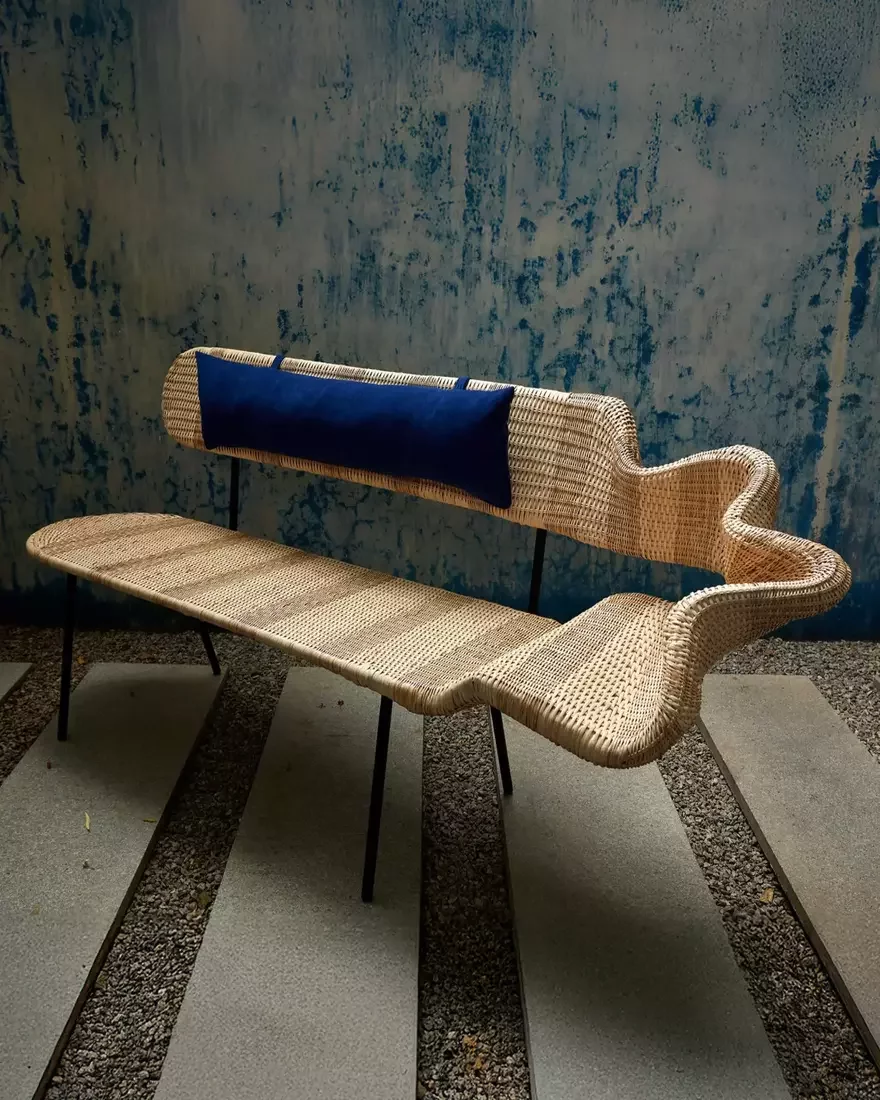
Today, Wicker Story functions as a multi-disciplinary practice. It has transcended the initial experimental phase to produce high-end furniture, light installations, and interior architectural features. The project now serves as a bridge, bringing the precision of the architect’s screen into the reality of the workshop, creating a new, scalable protocol for Indian design.
Supporting Data: Sustainability and Zero-Waste Methodologies
The environmental imperative is a cornerstone of the Wicker Story philosophy. In an era where architectural construction is a leading contributor to global waste, Narula’s methodology offers a refreshingly circular alternative.
- 100% Sustainability: The primary material, wicker, is a renewable, fast-growing natural fiber. Unlike petroleum-based plastics or carbon-heavy composites often used in modern furniture, wicker is biodegradable and carbon-sequestering.
- Zero-Waste Production: Because the material is woven rather than carved or molded, the production process eliminates the "subtractive" waste typical of industrial manufacturing. There are no off-cuts from large blocks of material; every fiber is integrated into the final form.
- Local Materiality: By sourcing materials locally, the firm reduces the carbon footprint associated with long-distance logistics and supply chain volatility.
Furthermore, the economic data supports the project’s longevity. By empowering local labor, the project keeps capital within the local craft ecosystem, ensuring that the economic benefits of high-end design are distributed back to the skilled hands responsible for the product’s realization.
Official Perspective: The Architect’s Philosophy
In her official statements regarding the project, Priyanka Narula emphasizes that Wicker Story is about more than just aesthetics; it is about establishing new protocols for how architects interact with history.
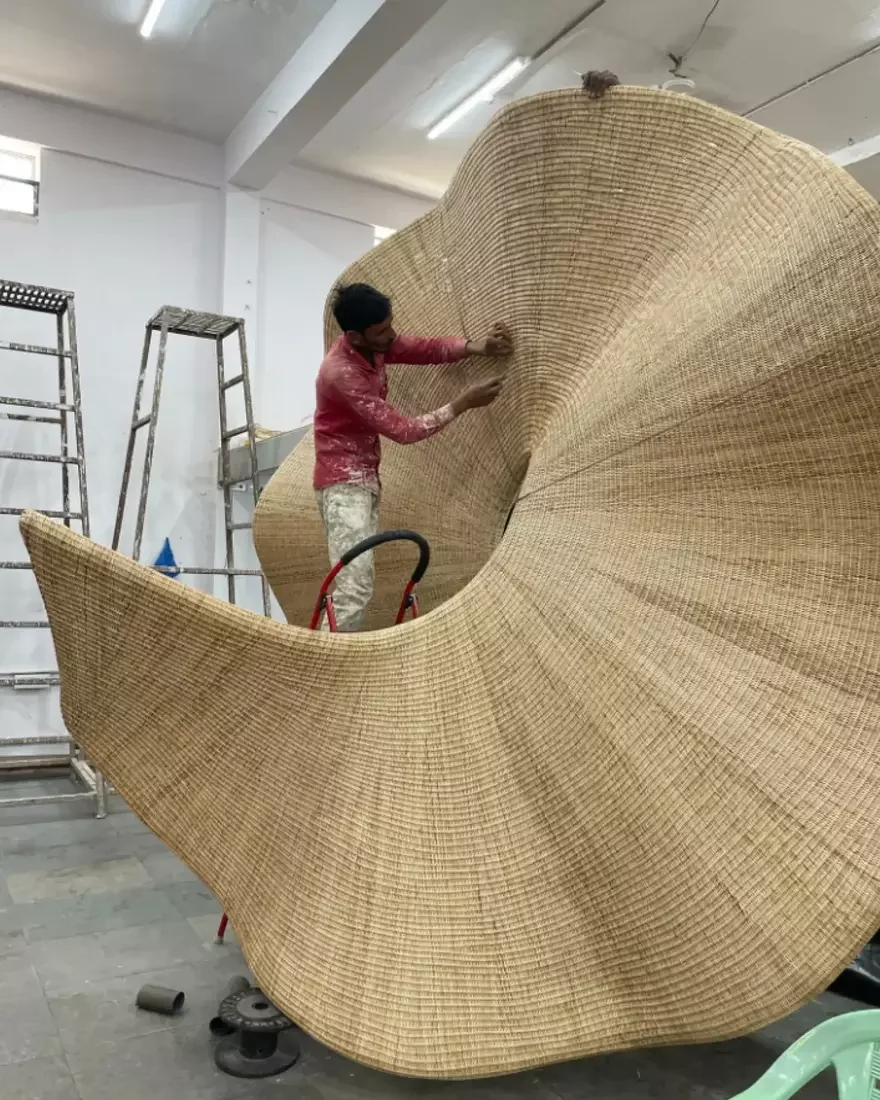
"Our work involves the translation of digital processes for complex designing for easy adaptability to Indian craft and material systems," she states. For Narula, the wicker medium acts as a catalyst that "transcends scale and geometry."
Perhaps most importantly, she views the process as a cultural reclamation. She states: "We are constantly attempting to create a symbiotic amalgamation of art, architecture, and product in the precinct of craft and parametric design methodology—thus celebrating the context of culture, color, tradition, and values in India."
This sentiment is echoed in her reflection on the social dimensions of the project. "Working with craft goes beyond the design," she notes. "It creates opportunities for sustainability, local labor, and material innovation to evolve together."
Implications: The Future of Parametric Craftsmanship
The implications of Wicker Story for the global architectural community are profound. By demonstrating that computational design does not inherently require a factory floor, Narula has effectively "democratized" high-end parametricism.
1. Decentralization of Production
The Wicker Story model suggests that future architectural hubs need not be centralized in tech-heavy, resource-rich nations. Instead, design firms in the Global South can leverage their deep-rooted craft traditions to manifest the most complex architectural ideas of the 21st century.
2. The "Human-in-the-Loop" Model
While many architects are currently preoccupied with AI and automation, Narula offers a compelling counter-narrative: the "Human-in-the-Loop" model. In this scenario, the computer handles the heavy lifting of geometry and structural optimization, while the human artisan handles the nuance of material behavior and tactile execution. This ensures that the final product retains a "warmth" that mass-produced, machine-made objects often lack.
3. A New Vernacular
Architectural critics have long sought a definition for "Modern Indian Architecture." Wicker Story suggests that this modern identity is not a rejection of the past, but an evolution of it. By using parametric tools to enhance—rather than replace—traditional weaving, Narula is creating a new vernacular that is both globally relevant and locally authentic.
4. Scalability of Craft
The most promising implication is the potential for scaling. If complex geometries can be achieved through weaving, the technique could potentially be adapted for larger architectural components, such as building skins, room dividers, or modular structural systems. This would allow for an architectural language that is highly customized, climate-responsive, and deeply connected to its site.
Conclusion: Crafting the Future
Priyanka Narula’s Wicker Story is more than an aesthetic success; it is a tactical blueprint for the future of design. By marrying the cold, hard logic of the algorithm with the soft, organic resilience of the wicker weave, Prelab Design Studio has carved out a unique space in the architectural landscape.
As the industry faces mounting pressure to address climate change and the dehumanization of design, Narula’s approach offers a viable path forward. It suggests that when we listen to the material and respect the artisan, we don’t have to sacrifice the future to honor the past. Instead, through the deliberate application of technology to craft, we can weave together a new reality—one where the complexity of the digital age is finally, beautifully, human-made.
About the Author