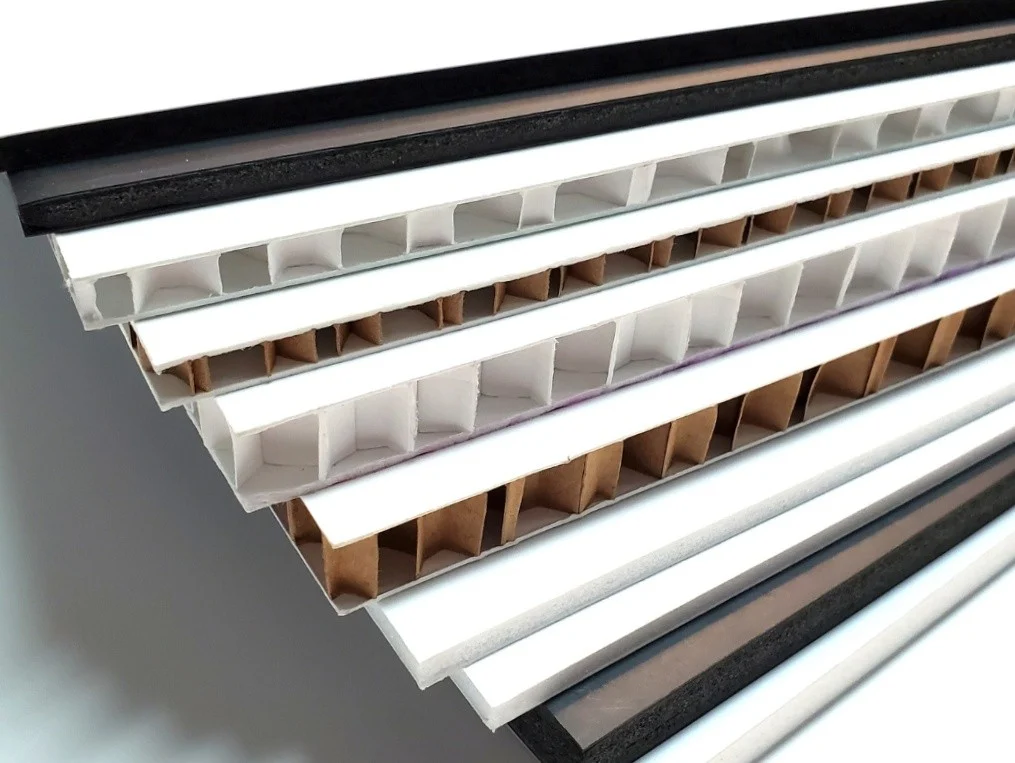
For decades, the wide-format printing industry viewed rigid media through a lens of commoditization. Materials like PVC, foamboard, and corrugated plastics were the "bread and butter" of the shop floor—functional, inexpensive, and largely interchangeable. However, a significant paradigm shift is currently underway. Driven by aggressive corporate sustainability mandates, advancements in flatbed printing technology, and a burgeoning demand for immersive, experiential retail environments, the rigid media market is evolving from a collection of basic substrates into a sophisticated ecosystem of performance-engineered materials.
The modern printer can no longer afford to ask, "What is the cheapest board available?" Instead, the market dictates a more strategic inquiry: "What material delivers the highest value, the best sustainability profile, and the most precise output for this specific application?"
The Core Transformation: From Commodity to Performance
The hallmark of rigid media has traditionally been its unyielding, firm structure. Yet, the market itself is exhibiting remarkable flexibility. Michael Barrett, enterprise business leader, and Ryan Baxter, director of Innovation & Design at Gilman Brothers, emphasize that the rigid landscape has expanded far beyond traditional foam and plastic.
"Rigid media is no longer just foamboard, PVC, acrylic, and corrugated," note Barrett and Baxter. "The category has matured into a specialized field of application-specific materials. Today’s printers have a vast array of options to align the substrate with the unique requirements of the job—balancing print quality, structural durability, weight, finishing ease, and, crucially, environmental impact."
This shift requires print service providers (PSPs) to rethink their procurement strategies. A substrate choice now dictates not just the aesthetics of a final piece, but the production speed, shipping costs, installation requirements, and the customer’s perception of the brand.
Chronology of Change: The Green Evolution
The trajectory of the rigid media market over the last decade mirrors the broader industrial push toward circularity.
- Pre-2015: The industry relied heavily on PVC and petroleum-based plastics. Sustainability was a niche concern, largely relegated to marketing departments.
- 2015–2020: Regulatory pressures began to mount. Governments worldwide started implementing stricter guidelines regarding waste management and chemical composition, prompting manufacturers to explore eco-friendly alternatives.
- 2020–2023: Consumer behavior shifted. With the rise of Gen Z and Millennial spending power, brands began to prioritize "value-driven" consumption. Companies recognized that their physical signage—often a large contributor to waste—needed to reflect their environmental ethics.
- 2024–Present: The "sustainability myth"—the long-held belief that eco-friendly materials sacrifice print quality—has been thoroughly debunked. Fiber-based, recyclable boards have moved from experimental prototypes to industry-standard, high-performance materials.
Supporting Data: Why Sustainability is the New Baseline
The transition toward sustainable media is not merely a moral imperative; it is a business necessity. Kurt Kahmke, president of Payler Signs & Graphics, LLC, identifies the primary drivers as corporate environmental, social, and governance (ESG) goals and increasing regulatory pressure.
"Younger generations have a value-driven connection to the brands they support," Barrett and Baxter observe. "They are significantly more likely to promote companies that mirror their personal ethics, particularly concerning social impact and environmental stewardship."
This demand is reinforced by institutional procurement. Rowan Maher, CMO at Xanita, points to the education, healthcare, and government sectors as leading the charge. "These specification-led sectors are increasingly mandating FSC-certified and recyclable substrates at the procurement level," Maher explains. "For a print shop, holding the right environmental credentials is no longer just a ‘nice-to-have’—it is a competitive requirement for winning high-value contracts."
Official Perspectives: The End of the "Quality Trade-Off"
For years, the industry operated under the assumption that moving away from PVC meant accepting lower print quality or durability. Industry leaders are now challenging this narrative.
"The old quality-versus-sustainability trade-off is a myth," says Maher. "Modern fiberboards, such as our Xanita solutions, deliver full commercial print quality on both sides using UV and latex inks without requiring vinyl overlays. That argument simply doesn’t hold water anymore."
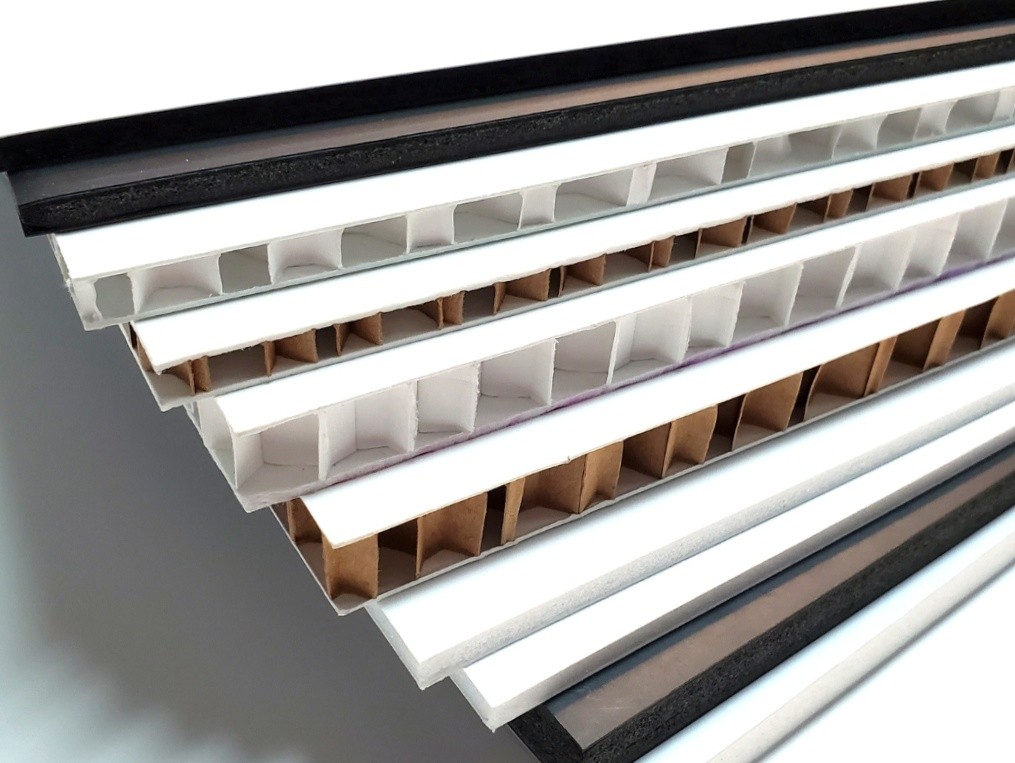
According to the experts, the momentum toward sustainable substrates is irreversible. PVC-based boards are increasingly viewed as a legacy product, pressured by brand commitments and stricter waste regulations. As Maher puts it, "If you don’t have a credible eco-friendly rigid substrate in your offering, you are already behind the curve."
Technological Implications: Printing for Precision
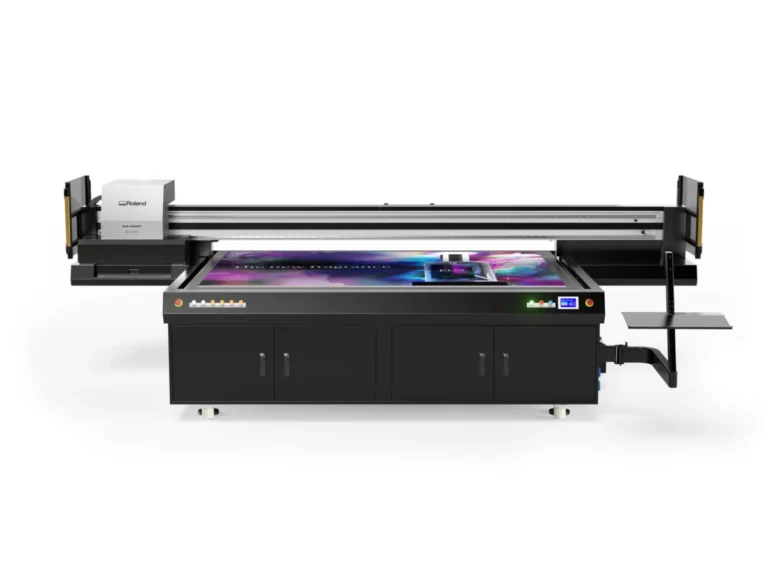
The evolution of rigid media is being mirrored by advancements in flatbed printing technology. As machines become faster and more automated, the "physicality" of the board becomes a critical variable.
"Consistency is the enemy of throughput," Maher notes. "On an automated line, unpredictable media leads to jams, registration errors, and costly downtime. The industry has had to solve for bowing and warping through better core engineering."
Manufacturers are responding by developing boards with closed-cell structures that distribute stress more evenly, minimizing the impact of temperature and humidity. Furthermore, the industry is moving away from the need for pre-print primers. Today’s substrates come with factory-applied surface coatings that boost surface energy, ensuring superior ink adhesion and droplet control right out of the box.
The Rise of Experiential Environments
Perhaps the most exciting implication of these material advancements is the shift toward "experiential" branding. Rigid media is no longer just for temporary promotional signage; it is being used to build immersive, architectural interiors.
"Brands are using premium acrylics, heavy-duty composite panels, and dimensional textures to create structural room dividers, wall murals, and interactive pop-ups that blend into modern architecture," says Kahmke.
This move toward 3D structural applications—where boards are CNC-routed into functional display fixtures—allows brands to create distinct, high-end retail environments without the prohibitive costs associated with traditional shopfitting.
Future Outlook: Automation and Specialization
Looking toward the horizon, the rigid media market is set to become even more specialized.
- Robotic-Ready Substrates: Kahmke anticipates a new generation of media engineered specifically for automation, featuring ultra-thin, highly stable profiles designed to interface seamlessly with robotic handling and integrated print-to-cut systems.
- The "Default" Shift: Sustainability will move from being a premium option to the default standard. The market is expected to bifurcate into two distinct lanes: high-durability, long-life outdoor materials and lightweight, recyclable, fiber-based solutions for the indoor retail sector.
- Advanced Engineering: Printers will continue to demand materials that reduce secondary costs—specifically in shipping and installation. The "perfect board" of the future will be lighter, stronger, and inherently compatible with all high-speed digital ink sets.
Conclusion: A Call to Action for PSPs
The rigid media market has reached a point of maturity where the substrate is just as important as the image printed upon it. As we look toward the 2026 PRINTING United Expo in Las Vegas, it is clear that the future of wide-format printing lies in the intersection of material science and creative application.
For print service providers, the path forward is clear: abandon the commodity mindset. Invest in understanding the unique mechanical and environmental properties of modern substrates. By aligning with manufacturers that prioritize innovation in sustainability and precision, shops can differentiate themselves in an increasingly crowded market, delivering not just ink on a board, but a durable, responsible, and immersive brand experience.
To explore the latest in rigid media innovation, join industry peers at the 2026 PRINTING United Expo, September 23-25, in Las Vegas. For registration and event details, visit printingunited.com.
About the Author