The wide-format printing industry stands at a critical juncture. As global supply chains stabilize, labor markets tighten, and consumer expectations for high-impact visual communication evolve, the sector is moving toward a new era of specialization and technological sophistication. This week’s edition of Wide-Format Weekly captures this momentum, highlighting the recent insights from the Wide-Format Summit and providing a roadmap for professionals navigating the complexities of the current market.
Main Facts: The State of the Industry
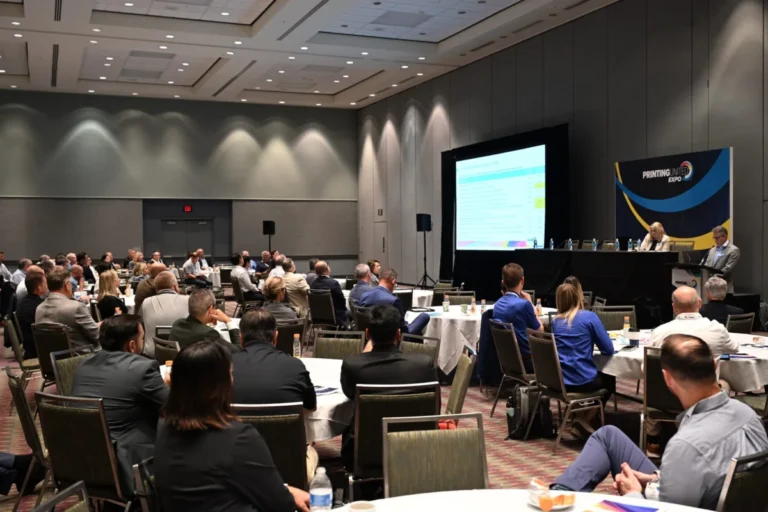
The wide-format sector is currently defined by two primary drivers: the aggressive adoption of rigid media technologies and the strategic importance of industry gatherings. The recent Wide-Format Summit served as a primary bellwether for the industry, bringing together thought leaders, technology providers, and print service providers (PSPs) to address the shift from traditional signage to high-value, multifaceted visual experiences.
Key takeaways from the week include:
- The Shift to Rigids: Innovation in substrate technology is enabling printers to expand beyond flexible banners into architectural glass, wood, metal, and sustainable recycled plastics.
- The "Mecca" Effect: Major industry events, specifically the upcoming PRINTING United Expo, are being repositioned not just as trade shows, but as essential hubs for mitigating economic uncertainty.
- Community and Advocacy: Industry organizations are placing a greater emphasis on professional development and gender diversity, evidenced by the growth of the Women in Print Alliance and the PRINTING United Alliance.
Chronology: Recap of the Wide-Format Summit
The Wide-Format Summit provided a comprehensive, three-day deep dive into the operational realities of modern print businesses. For those who could not attend, the following recap summarizes the primary developments from each day.
Day 1: Laying the Foundation
The inaugural day focused on the transition from traditional business models to high-margin, automated workflows. Experts emphasized that the days of "race to the bottom" pricing are effectively over. Instead, the focus has shifted toward "value-added services," where the print itself is only one component of a larger project management solution. Discussions centered on how to integrate software-driven order entry systems to reduce touchpoints and human error.
Day 2: Technological Innovations
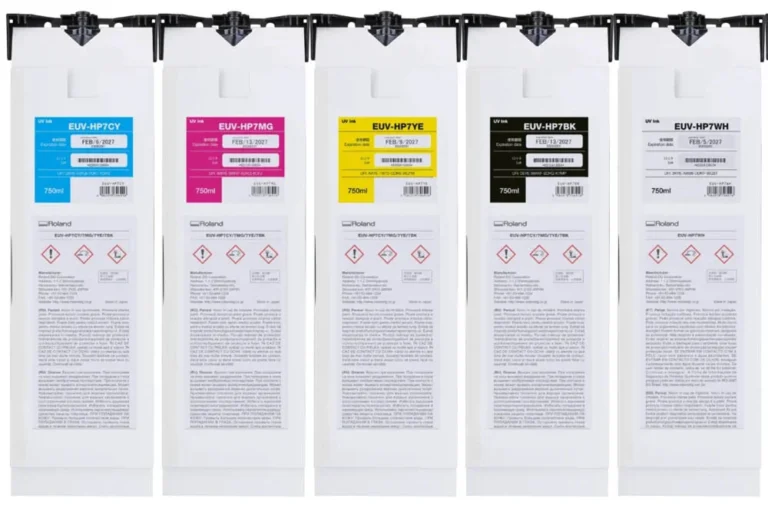
The second day shifted the focus to hardware and materials. The highlight was a series of panel discussions regarding the maturation of UV-LED and latex curing technologies. The consensus was clear: the technology is no longer about just getting ink on a substrate; it is about the durability and versatility of that substrate. Attendees explored the latest in rigid media, discussing how new coatings are allowing for better adhesion on unconventional materials, which opens up new markets in interior design and retail POP displays.
Day 3: Strategic Outlook
The final day addressed the "human" element of the industry. Recruiting and retaining talent was a top-tier topic, as was the importance of sustainability. The industry is under increasing pressure to demonstrate its environmental credentials, and the Summit provided a platform for vendors to showcase recyclable media and energy-efficient press configurations.
Supporting Data: Innovations in Rigid Media
The current interest in rigid wide-format media is not merely a trend—it is a response to demand for high-end, long-lasting, and tactile visual environments. Rigid materials (such as ACM, acrylics, and specialty foams) have become the "gold standard" for high-end retail displays and corporate branding.
Market Drivers
- Increased Durability: Modern UV printing on rigid substrates offers unprecedented resistance to fading, scratching, and chemical cleaning—a necessity for high-traffic retail environments.
- Architectural Integration: Printers are increasingly partnering with interior design firms to provide custom-printed glass partitions and acoustic wall panels.
- Sustainability Requirements: The transition toward PVC-free rigid media is accelerating. Manufacturers are reporting a double-digit increase in demand for environmentally certified board stocks.
For a deeper dive into these innovations, read the full analysis on Wide-Format Impressions.
Official Responses: Finding Opportunity Amid Uncertainty
In times of economic turbulence, business leaders often contract, fearing the risk of investment. However, experts from the PRINTING United Alliance argue that such periods are actually the most opportune times for strategic expansion.
"Turbulence is the precursor to market correction," notes one industry analyst. "Those who invest in efficiency and diversification while others are cutting back will emerge with a significant competitive advantage."
The PRINTING United Expo is being framed as the definitive venue for this strategic realignment. By centralizing the latest in print technology, workflow software, and business management education, the Expo aims to provide PSPs with the tools needed to weather economic shifts. Whether it is through automating the pre-press process or diversifying into new markets like vehicle wraps or industrial printing, the focus remains on resilience through diversification.
Explore how to navigate current uncertainty through the PRINTING United framework here.
Implications: The Road Ahead
The implications for print service providers are clear: standing still is no longer an option. The convergence of hardware, software, and sustainability requires a more agile approach to business.
The Technological Imperative
PSPs must evaluate their current equipment not just by speed, but by versatility. The ability to switch quickly between a flexible vinyl banner and a heavy-duty rigid sign is what separates high-margin shops from those struggling with low-margin commodities.
The Human Capital Challenge
Technology is useless without the talent to operate it. The industry’s focus on the Women in Print Alliance and other networking groups suggests a collective effort to widen the talent pool. Attracting younger, digitally native talent who can bridge the gap between creative design and production engineering is now a top-tier priority.
The Sustainability Mandate
Environmental, Social, and Governance (ESG) standards are moving from "optional" to "mandatory" for many enterprise-level clients. Printers who have documented, sustainable workflows will find themselves in a significantly stronger position when bidding for government and corporate contracts in the coming year.
Resources and Engagement
To stay ahead of these trends, industry professionals are encouraged to utilize the following resources:
- Register for the PRINTING United Expo: Secure your place at the premier industry event to witness the latest innovations firsthand.
- Wide-Format Impressions: Continue your education by staying updated on the latest news and technical analysis.
- Newsletter Subscription: Get the latest industry analysis delivered directly to your inbox.
- Printing Impressions Magazine: Subscribe for in-depth industry reporting and long-form features.
- Join the PRINTING United Alliance: Become part of the leading association dedicated to the advancement of the printing industry.
- Women in Print Alliance: Support and connect with the growing community of women shaping the future of the print industry.
The path forward for the wide-format industry is one of measured, technological-led growth. By attending events like the Wide-Format Summit and the PRINTING United Expo, and by embracing the shifts in substrate technology and business automation, print service providers can turn the current "turbulent times" into a period of unprecedented success. Stay tuned to Wide-Format Weekly for ongoing coverage of these critical developments.
About the Author