In an era where global supply chain decarbonization has shifted from a peripheral corporate social responsibility (CSR) goal to a core operational mandate, the logistics sector is facing a physical bottleneck. While demand for sustainable transport—ranging from sustainable aviation fuel (SAF) to electric heavy-duty trucking—is at an all-time high, the infrastructure to deliver these fuels directly to specific shipments remains fragmented and geographically inconsistent.
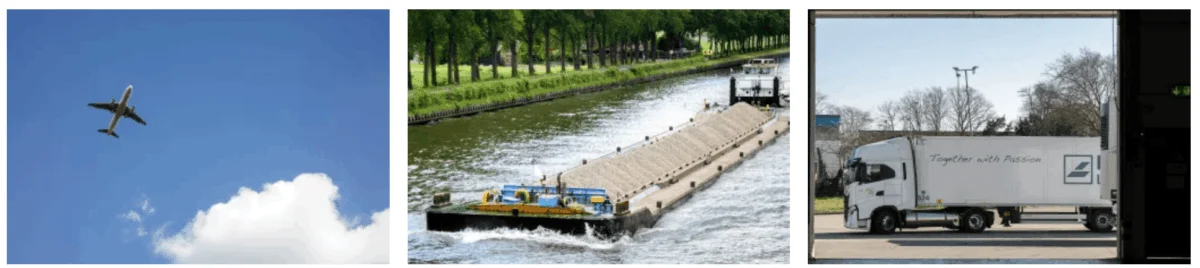
To bridge this gap, global logistics service provider (LSP) The Rhenus Group has announced a strategic partnership with Shipzero, a specialized platform for freight transportation emissions tracking and reduction. This collaboration centers on the implementation of a "Book and Claim" system, a sophisticated accounting framework designed to decouple the environmental benefits of green fuels from the physical movement of specific goods. By leveraging Shipzero’s auditable data infrastructure, Rhenus aims to scale climate-conscious logistics across air, ocean, and road freight, providing a vital mechanism for shippers to meet aggressive Scope 3 emission targets.
Main Facts: The Mechanics of the Partnership
The core of the Rhenus-Shipzero initiative lies in solving the "physical transport problem." In traditional logistics, a shipper might want to pay a premium for a carbon-neutral shipment. However, if the specific truck or aircraft carrying their cargo cannot access sustainable fuel at a particular port or depot, that shipment remains carbon-intensive.
The "Book and Claim" model resolves this by creating a chain-of-custody system that separates the environmental attributes of sustainable fuel from the fuel itself. Under this model:
- The "Book": A carrier or LSP purchases sustainable fuel or invests in low-emission assets (such as battery-electric vehicles).
- The "Claim": The environmental benefit—the reduction in greenhouse gas (GHG) emissions—is "booked" into a verified digital registry. A shipper can then "claim" these attributes to offset the carbon footprint of their own cargo, even if their specific goods were physically transported by conventional means.
By integrating Shipzero’s platform, Rhenus is automating the verification process, moving away from manual spreadsheets and fragmented data processing. This ensures that the environmental claims are transparent, auditable, and compliant with emerging international reporting standards.
Chronology: The Evolution Toward Virtual Decarbonization
The journey toward widespread adoption of Book and Claim has been a multi-year effort within the logistics industry, characterized by a transition from theoretical pilot programs to standardized operational tools.
- Pre-2020: The Conceptual Phase: The concept of Book and Claim was borrowed from the renewable energy sector (specifically the "Renewable Energy Certificate" or REC model). Industry bodies began debating how this could apply to transport, where fuel is consumed globally rather than at a fixed grid-connected location.
- 2021-2022: Industry Standardization: Major logistics players, including DHL and Maersk, began publishing white papers defining Book and Claim as a necessary "bridge" technology. The focus shifted toward ensuring that these systems avoid "double counting"—a scenario where two parties claim the same carbon reduction.
- 2023: The Rise of Data Platforms: As global emissions reporting requirements (such as the EU’s CSRD and California’s climate disclosure laws) tightened, the need for auditable digital platforms became clear. Shipzero emerged as a key player, providing the digital infrastructure to track fuel consumption and emissions.
- 2024: The Rhenus-Shipzero Integration: The partnership represents the current frontier of this movement: the transition from "bespoke" carbon accounting to an integrated, service-wide offering for a global 3PL provider. This signifies that Book and Claim is no longer a niche service for select high-volume customers but a scalable product for the wider market.
Supporting Data: Why Physical Decarbonization Isn’t Enough
The logic behind the Book and Claim model is supported by the "one-atmosphere" approach to climate change. As stakeholders often emphasize, the Earth’s atmosphere is a single, shared system. Whether a ton of CO2 is saved in a truck operating in Germany or an aircraft refueling in Singapore, the net effect on global warming remains the same.
However, the supply chain sector faces immense hurdles to total physical decarbonization:
- Infrastructure Asymmetry: Sustainable fuels (HVO, SAF, e-fuels) are currently produced in limited quantities and are often concentrated in major hubs. Smaller regional depots may not have the infrastructure to support these fuels for years to come.
- Asset Ownership: Many logistics providers utilize a mix of owned assets and third-party subcontractors. In cases where Rhenus does not have direct control over the underlying carrier, they cannot physically mandate the use of green fuels. Book and Claim allows them to influence the market by providing a mechanism to fund these fuels elsewhere.
- The "Knotty" Fuel Problem: As noted by industry leaders like DHL, sustainable fuels are frequently blended with conventional fossil fuels at the refinery or terminal level. Once blended, it is physically impossible to track "green" molecules to a specific vehicle. Book and Claim provides the necessary administrative layer to track these benefits through the supply chain.
According to industry estimates, the adoption of digital accounting platforms like Shipzero can reduce the administrative burden of carbon reporting by up to 60%, while increasing the accuracy of Scope 3 emissions data by eliminating human error in manual data entry.
Official Responses: Strategic Alignment
In announcing the partnership, leadership from both The Rhenus Group and Shipzero emphasized the strategic necessity of this move.
"Rhenus is committed to offering our customers a streamlined, transparent, and verifiable method for reducing the climate impact of their transport operations," a Rhenus spokesperson stated. The firm highlighted that the partnership is not just about environmental advocacy, but about meeting the increasingly sophisticated data needs of their customers, who are under pressure to provide granular emissions reporting to shareholders and regulators.
Shipzero, for its part, views this partnership as a testament to the maturation of their platform. "By automating the accounting process, we are removing the friction that has historically prevented logistics providers from scaling sustainable services," said a representative from Shipzero. They emphasized that their role is to provide the "trusted accounting system" that allows shippers to participate in the energy transition without needing to manage the complex logistics of fuel procurement themselves.
Implications: A New Era for Logistics and Sustainability
The implementation of the Rhenus-Shipzero Book and Claim system carries profound implications for the future of global trade.
1. The Commoditization of Carbon Benefits
The most immediate impact is the commoditization of carbon reductions. By creating a transparent market where shippers can pay for, and claim, the environmental benefits of green fuel, the partnership creates a demand signal that encourages fuel producers to increase the supply of sustainable alternatives.
2. Regulatory Compliance
With the advent of the Corporate Sustainability Reporting Directive (CSRD) in the European Union, companies are now legally required to disclose their indirect emissions (Scope 3). The ability to provide an auditable, third-party-verified claim for emissions reductions through Book and Claim is a significant competitive advantage for Rhenus and a critical tool for their customers to remain compliant.
3. Bridging the Investment Gap
Logistics providers often operate on thin margins, making the transition to expensive green fuels difficult to justify purely on a cost-basis. Book and Claim allows Rhenus to offer these services at a premium to customers who prioritize sustainability, while using those funds to subsidize the purchase of green fuels. This effectively closes the price gap between conventional and sustainable transport.
4. Setting a Global Standard
As more logistics companies adopt similar digital frameworks, the industry is moving toward a de facto global standard. While the International Maritime Organization (IMO) and other bodies continue to debate formal regulatory frameworks for carbon accounting, the Rhenus-Shipzero initiative demonstrates that the private sector is already building the infrastructure required for a net-zero future.
Conclusion: The Path Forward
The partnership between The Rhenus Group and Shipzero is more than a technical upgrade; it is a fundamental shift in how the logistics industry approaches its role in the global energy transition. By acknowledging the limitations of current physical infrastructure and embracing a virtual accounting model, the industry is finding a way to make meaningful progress toward decarbonization today, rather than waiting for the global infrastructure to catch up.
As companies continue to integrate these systems, the focus will likely shift from merely "booking and claiming" to optimizing the entire logistics network for carbon efficiency. In the coming years, the data generated by platforms like Shipzero will be instrumental in identifying inefficiencies, optimizing route planning, and prioritizing low-carbon transport modes, ultimately leading to a more resilient and sustainable global supply chain.
For now, the Rhenus Group and Shipzero have provided a blueprint for other logistics providers to follow. It is a clear message to the industry: the technology to track, report, and reduce emissions exists—it is time to book, claim, and act.
About the Author