The landscape of industrial design is rarely static, but the third week of August 2026 proved to be an exceptionally dynamic period. From the rugged terrains of Scandinavia to the high-tech urban centers of Holland and Japan, designers are increasingly prioritizing functional autonomy, modularity, and the intersection of human mobility with the natural environment. This week’s Core77 roundup explores a diverse array of innovations that challenge our perceptions of public space, personal organization, and the very tools we use to navigate our world.
Main Facts: The Shift Toward Autonomous and Modular Systems
This week’s design highlights underscore a global trend toward "intelligent infrastructure." Whether it is a self-powered river crossing in the Netherlands or a self-closing public bench in Switzerland, the common thread is the integration of passive technology into the public sphere. These systems require little to no human intervention to maintain functionality, suggesting a future where urban design is inherently self-sustaining.
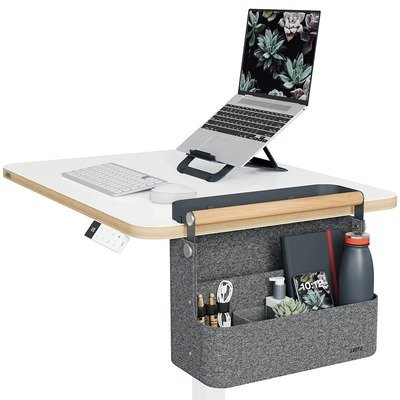
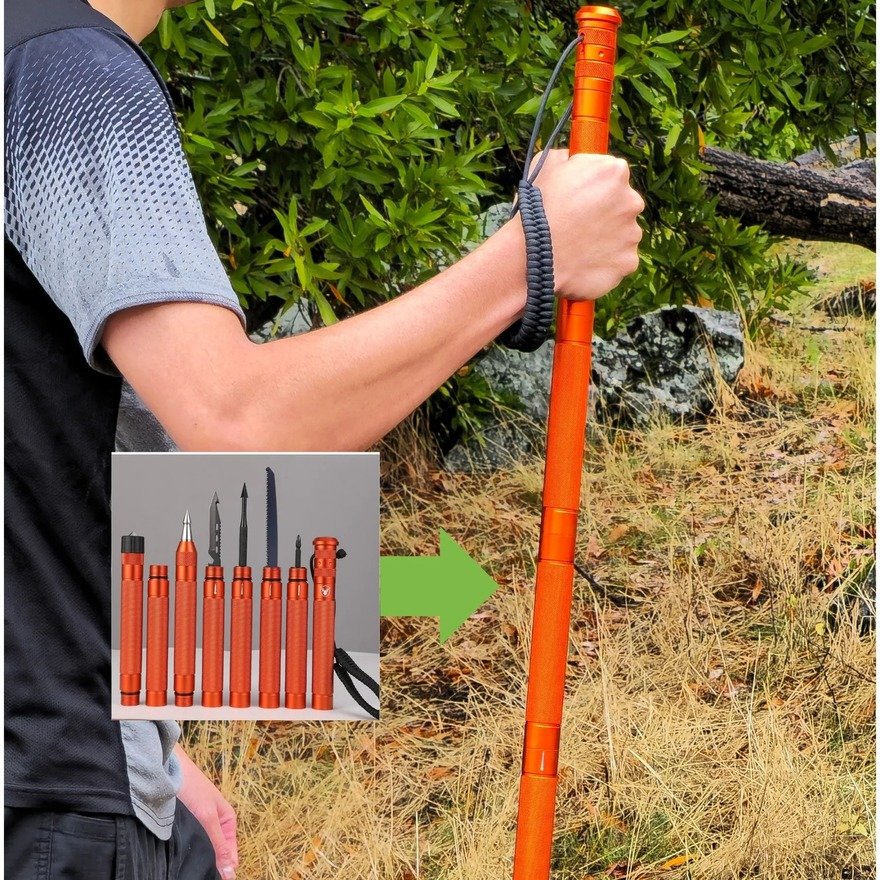
Furthermore, we observed a strong emphasis on modularity—a response to the increasingly transient nature of both work and outdoor life. From Leitz’s portable desk organizers for the nomadic professional to sectional hiking sticks that house an entire survival kit, designers are moving away from monolithic, single-purpose tools in favor of systems that adapt to the user’s immediate environment.
Chronological Overview: A Week in Review
The week’s developments moved through several distinct phases, starting with urban mobility and ending with refined furniture design.
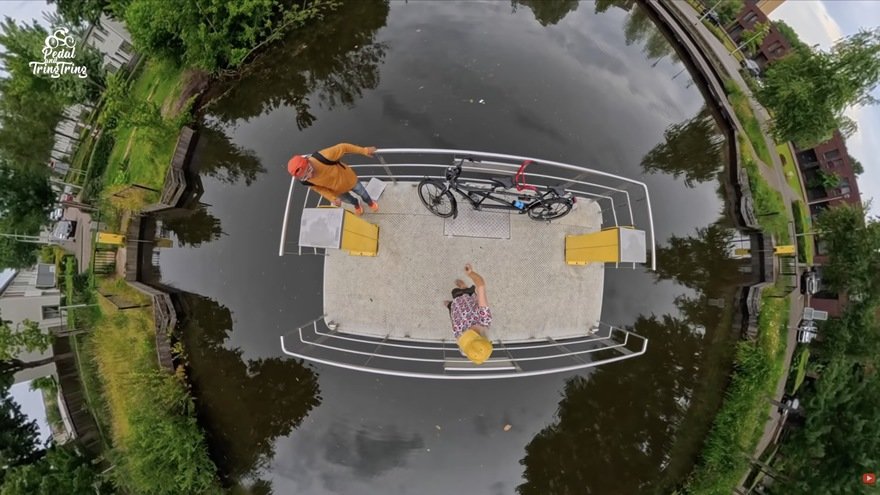
- Monday, Aug 17: Focus shifted to heavy-duty infrastructure. We debuted the self-powered bike crossing in Holland, setting the tone for a week centered on sustainable, kinetic architecture.
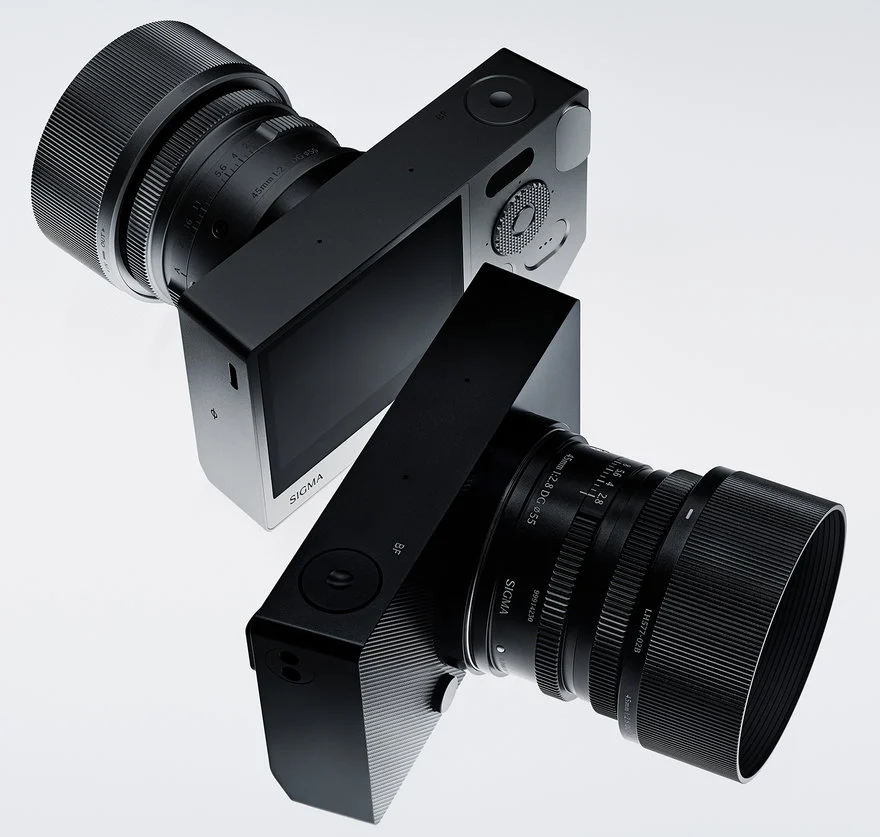
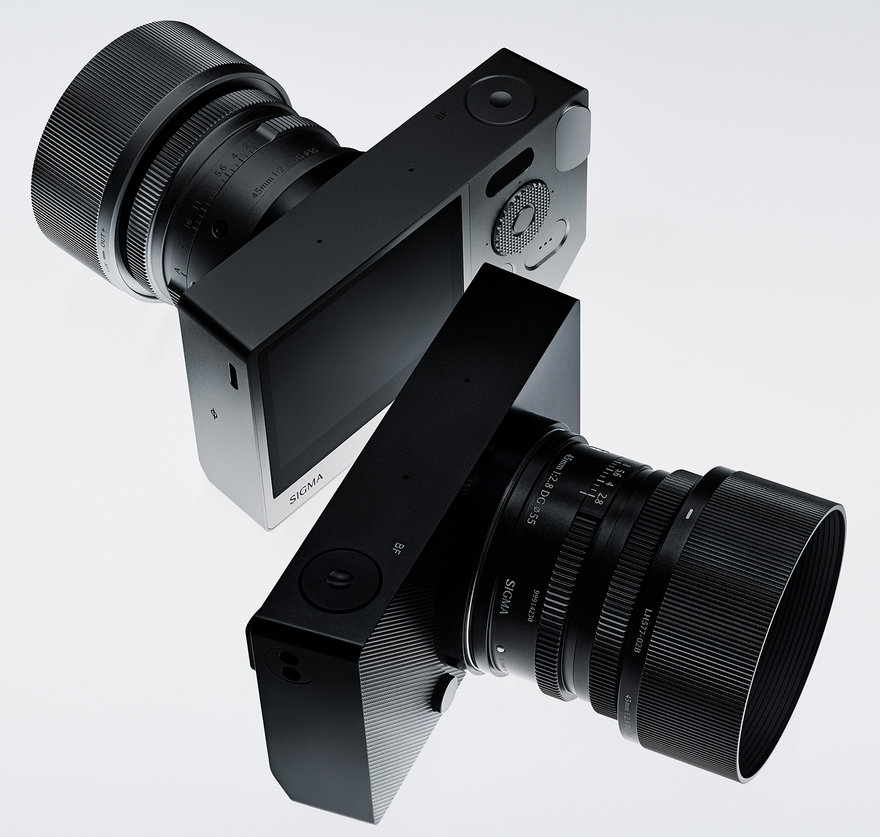
- Tuesday, Aug 18: The conversation turned to the professional and minimalist aesthetic. Sigma’s BF camera and the Leitz desk organizer highlighted how high-performance tools are adopting "unibody" design languages to reduce clutter and increase durability.
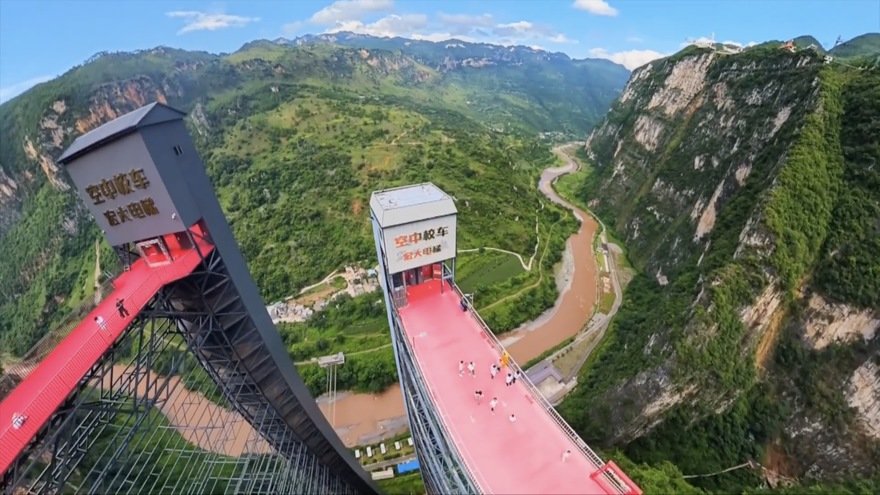
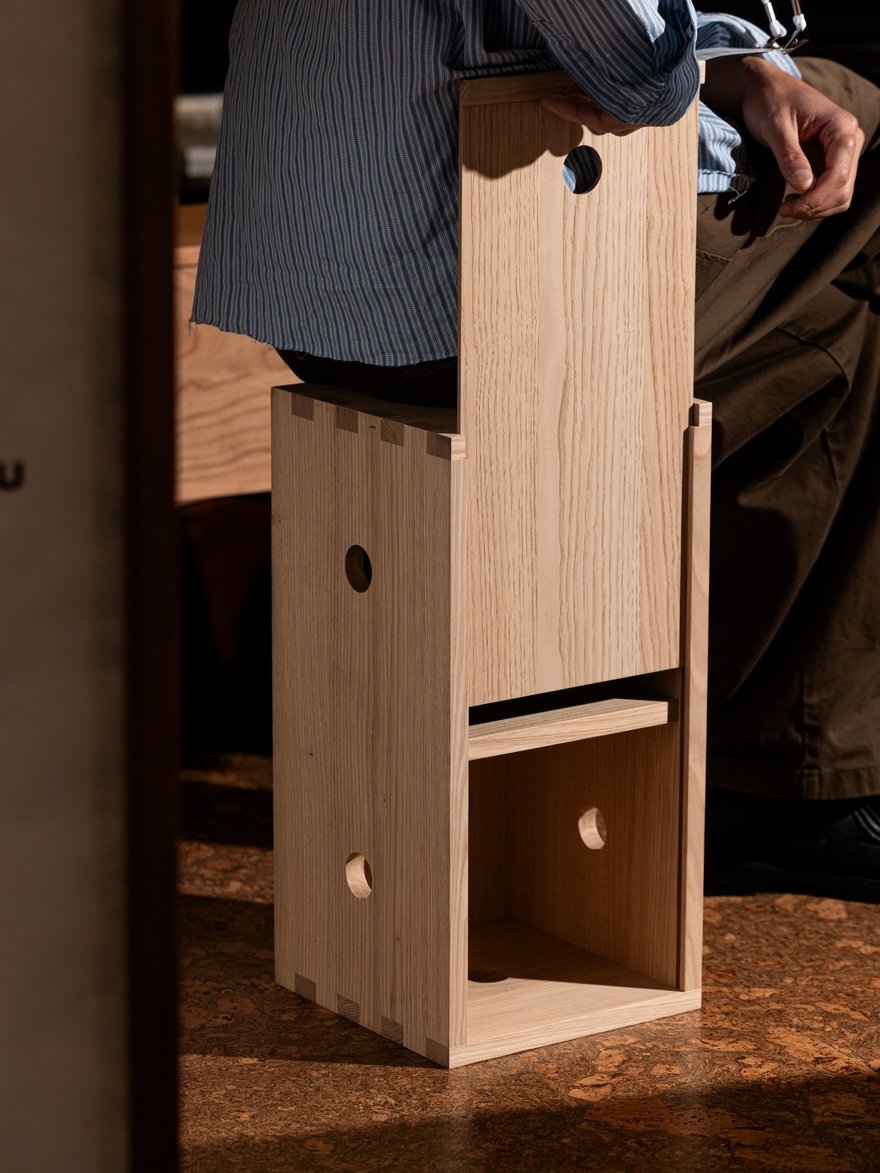
- Wednesday, Aug 19: Innovation in transport and storage. The "aerial school bus" concept for canyon-dwelling students captured headlines, while CMPT’s reinterpretation of the classic apple box showed how even the most rudimentary industrial objects can be elevated through material refinement.
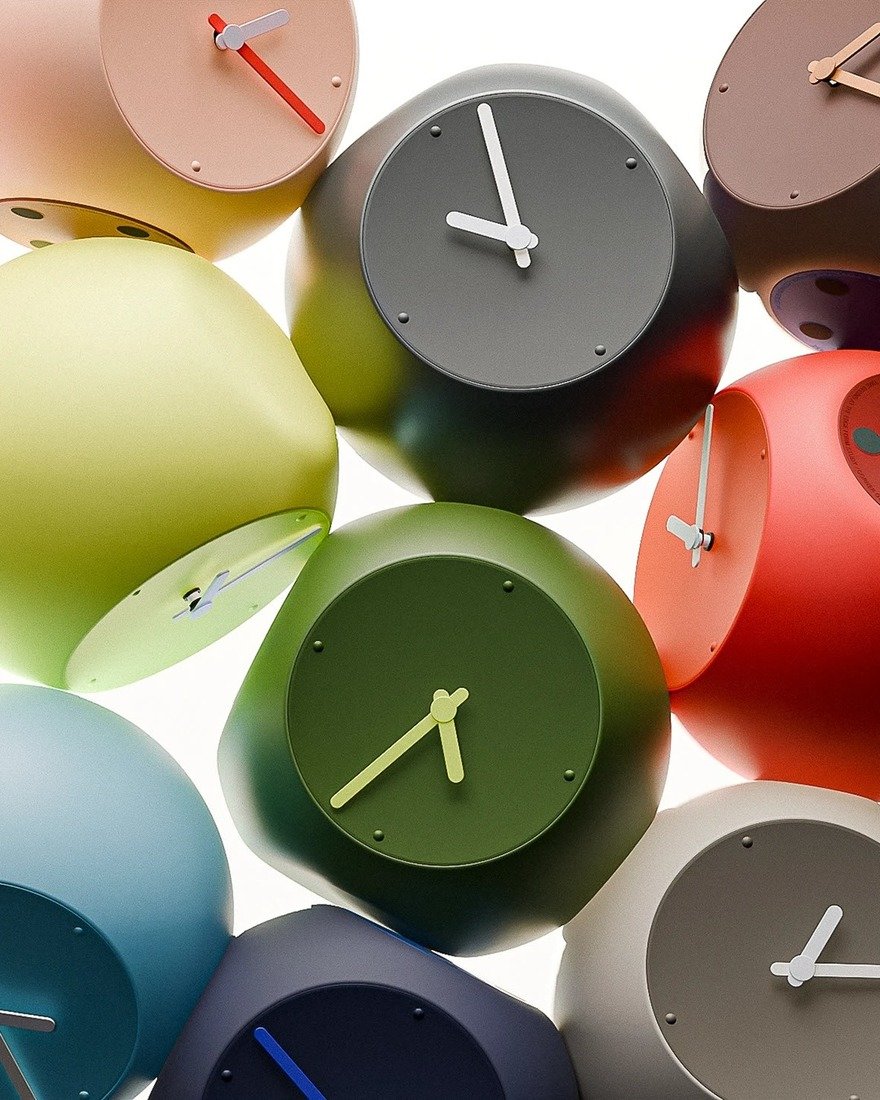
- Thursday, Aug 20: Aesthetic and experiential design took center stage. Felice Varini’s optical-illusion interiors challenged the spatial perception of viewers, while HoHyeon Lim’s "edge-living" clock offered a masterclass in unconventional form factor.
- Friday, Aug 21: The week concluded with a look toward the future of rural utility. Student concepts for repairable vehicles in Scandinavia and the unveiling of Mattias Stenberg’s "Hopper" table solidified a commitment to longevity and modularity.
Supporting Data and Technical Analysis
The projects featured this week share common technical DNA:
1. Kinetic and Self-Sustaining Infrastructure
The Dutch river crossing and the Swiss self-closing bench represent a maturation of mechanical engineering in public design. By utilizing counterweights, gravity, and localized energy harvesting, these projects bypass the need for external power grids. This reduces long-term maintenance costs—a critical factor for municipal planners who are currently struggling with the upkeep of "smart" city hardware that relies on batteries and connectivity.
2. The "Unibody" Trend in Consumer Electronics
Iwasaki Design Studio’s work on the Sigma BF camera is a prime example of the "reductive design" movement. By integrating the chassis and housing into a single unibody, the design eliminates structural weak points, increases weather resistance, and creates a tactile, cohesive user experience. Data from the photography industry suggests that this trend is a direct pushback against the "spec-chasing" of the early 2020s, favoring longevity and handling over rapid iteration.
3. Modular Utility
The emergence of sectional hiking sticks with integrated tools suggests a growing consumer demand for "everyday carry" (EDC) solutions that are rugged enough for the backcountry. By segmenting the stick, designers have turned a static walking aid into a multifunctional survival platform. Each section serves as a housing for specialized tools, effectively solving the problem of gear weight distribution for hikers.
Official Responses and Industry Perspectives
Designers and urban planners have noted that these projects are not merely aesthetic exercises; they are direct responses to the "urban-rural divide."
Regarding the "aerial school bus" concept for canyon-rim commuters, transportation analysts have praised the project for its ingenuity in bypassing geographical barriers that traditional road-based transport cannot navigate. "It is about creating connectivity where the terrain dictates isolation," one analyst noted.
Similarly, the e-biking attraction on an abandoned railway in Japan serves as a case study for "adaptive reuse." Rather than dismantling decaying infrastructure, the project leverages the existing rail bed to create a tourism asset that is both ecologically sensitive and economically viable.
Toyomitsu’s specialty construction tool design has also been lauded by the trade press for its ergonomic improvements. By simplifying the interaction between the operator and the heavy-duty machinery, the tool reduces the risk of repetitive strain injuries—a long-standing, often ignored issue in the construction industry.
Implications for Future Design
What does this week of innovation mean for the future of industrial design?
The Death of "Disposable" Innovation
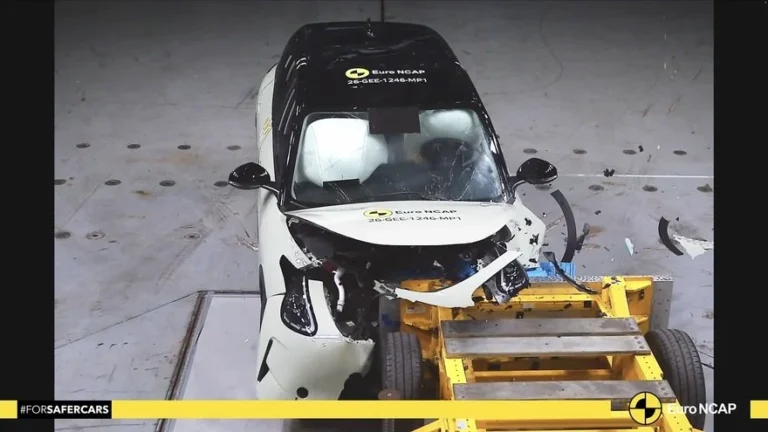
The focus on repairable vehicles for rural Scandinavia is perhaps the most significant indicator of a cultural shift. As global supply chains face uncertainty, the ability to repair, rather than replace, is moving from a niche hobbyist concern to a primary design requirement. Future vehicles—and by extension, consumer products—will likely be judged by their "repairability score" as much as their aesthetic appeal.
The Blurring of Boundaries
The "BikeBox" (garden planters that double as bike storage) and the "edge-living" clock demonstrate that designers are looking for ways to make inanimate objects work harder for their space. In an era of shrinking urban living quarters, a piece of furniture that is also a storage unit, or a clock that utilizes the architecture of a room’s corner, is far more valuable than a standalone aesthetic piece.
Human-Centric Geometry
Finally, the works of Felice Varini remind us that design must also provoke. By using optical illusions, Varini forces the viewer to engage with the architecture in a non-linear way. This "experiential design" is beginning to bleed into consumer products, where the goal is no longer just to facilitate a task, but to create a moment of delight or curiosity.
Conclusion
The Core77 roundup for August 17–21, 2026, paints a picture of a design industry that has matured. We are no longer solely focused on the "new" for the sake of novelty. Instead, we are seeing a focus on the enduring. Whether through the creation of a camera that feels like it will last a century, or an aerial bus system that overcomes the harsh realities of mountain geography, the focus is on systems that solve fundamental human problems with elegance and efficiency.
As we move toward the end of the year, these projects serve as a bellwether for what is to come: a design language that is quieter, more modular, and deeply integrated into the physical world we inhabit. We look forward to seeing how these concepts evolve and how they might eventually be scaled for global adoption. The intersection of function and form has never been more vibrant, and the designers highlighted this week are at the vanguard of that transformation.
About the Author