WASHINGTON D.C. – August 21, 2026 – In a swift and decisive move to combat soaring consumer prices and a deepening domestic beef shortage, President Donald Trump announced today that the United States will allow 300,000 metric tons of beef product to enter the country duty-free for the next 90 days. The emergency measure comes as U.S. beef production is projected to plummet to its lowest levels since 1970, a stark indicator of a cattle supply crisis that has sent retail prices skyrocketing and is exerting significant pressure on American households and the nation’s food supply chain.
The executive action, detailed by the White House, is a direct response to what has become a critical economic and political flashpoint: persistent consumer inflation, particularly in essential food categories. With November’s midterm elections looming, the administration is keen to demonstrate proactive measures to alleviate financial burdens on voters, many of whom are grappling with record-high prices for everyday staples like ground beef and steak. This temporary tariff suspension is coupled with another significant policy shift: the lifting of a more than year-long ban on cattle imports from Mexico, originally enacted to contain the spread of a deadly livestock parasite. Both actions underscore the administration’s urgency in stabilizing the domestic beef market and bringing down costs for American consumers.
The Unfolding Crisis: A Nation’s Beef Shortage Deepens
The U.S. beef industry finds itself in an unprecedented predicament, a culmination of environmental stressors, evolving agricultural economics, and complex supply chain dynamics. The consequences are now palpable on grocery store shelves and in the financial reports of major food processors.
A President’s Executive Action: A Temporary Reprieve
President Trump’s declaration to permit 300,000 metric tons of duty-free beef imports for a 90-day period represents a tactical, short-term intervention designed to inject immediate supply into a starved market. By waiving tariffs, the administration aims to make imported beef more affordable for processors and, in turn, for consumers, hoping to dampen the rapid ascent of retail prices. This volume, while substantial, is intended as a stopgap measure, providing a crucial breathing room for the market to adjust while longer-term solutions are explored. The decision highlights the severity of the domestic supply constraints and the administration’s willingness to leverage international trade to address internal economic pressures.
Decades-Low Domestic Production: A Bleak Benchmark
The grim reality underpinning the President’s decision is the alarming state of U.S. cattle processing. According to the U.S. Department of Agriculture (USDA), the pace of U.S. cattle processing in July was estimated to be the lowest level recorded since monthly records began in 1970. This statistic is not merely a number; it reflects a profound disruption in the foundational agricultural sector, indicating a dramatic reduction in the availability of domestic beef. Such a protracted decline has ripple effects across the entire food ecosystem, from ranchers and feedlots to slaughterhouses, distributors, and ultimately, American dinner tables. The historic low underscores the urgency of the situation, signaling a systemic challenge that goes far beyond typical market fluctuations.
Chronology of Decline: Tracing the Roots of the Shortage
The current crisis is not an overnight phenomenon but the result of a series of interconnected events and strategic shifts within the agricultural landscape, stretching back several years.
The 2023 Drought’s Devastating Impact: A Catalyst for Contraction
A critical turning point in the trajectory of U.S. beef supply was the severe drought conditions that gripped major cattle-producing regions in 2023. This widespread environmental catastrophe decimated grazing lands and dramatically increased the cost of feed, forcing many ranchers into an agonizing choice: either drastically reduce their herds through culling or face unsustainable operating costs. The USDA’s data, as reported by AgricultureDive, confirmed the widespread impact of these conditions, leading to a significant contraction in the cattle supply. Ranchers, faced with dwindling resources and uncertain futures, made difficult decisions that are now manifesting as a severe shortage of market-ready cattle. The long reproductive cycle of cattle means that the effects of such a culling event linger for years, making quick recovery challenging.
Shifting Agricultural Priorities: The Lure of Dairy
Adding another layer of complexity to the beef shortage is a noticeable shift in agricultural priorities among some ranchers. Following the 2023 drought and the subsequent economic pressures, many producers have shown hesitancy to fully rebuild their beef herds. Instead, a growing number have redirected their focus towards dairy cows, driven by the surging global demand for whey protein and other dairy products. This strategic pivot offers a more immediate and often more stable revenue stream compared to the longer, more capital-intensive process of raising beef cattle.
Data illustrates this trend starkly: dairy cow inventories have risen by 2.1% this year, a significant increase compared to a meager 0.2% growth in beef cattle supply. This disparity highlights a fundamental economic reality for ranchers, where market signals are guiding their investment decisions. While beneficial for the dairy sector and consumers of dairy products, this shift further exacerbates the beef supply deficit, creating a competitive dynamic for limited pasture and feed resources. The long-term implications of this trend could reshape the very structure of American livestock farming.
Supply Chain Vulnerabilities Exposed: A System Under Strain
The confluence of environmental disasters and shifting agricultural priorities has laid bare the inherent vulnerabilities within the U.S. beef supply chain. A highly consolidated industry, with a few large players dominating processing, means that disruptions at any stage—from ranching to slaughter—can have amplified effects. The inability of the domestic supply chain to quickly rebound from the 2023 drought and adapt to changing rancher incentives demonstrates a lack of resilience. This structural weakness necessitates a greater reliance on international markets to compensate for domestic shortfalls, a strategy that, while effective in the short term, introduces its own set of complexities and dependencies.
Economic Repercussions: Soaring Prices and Industry Upheaval
The scarcity of domestic beef has created a ripple effect throughout the economy, hitting consumers’ wallets and forcing major industry players to make difficult operational decisions.
Record Imports Fill the Void: A Global Dependence
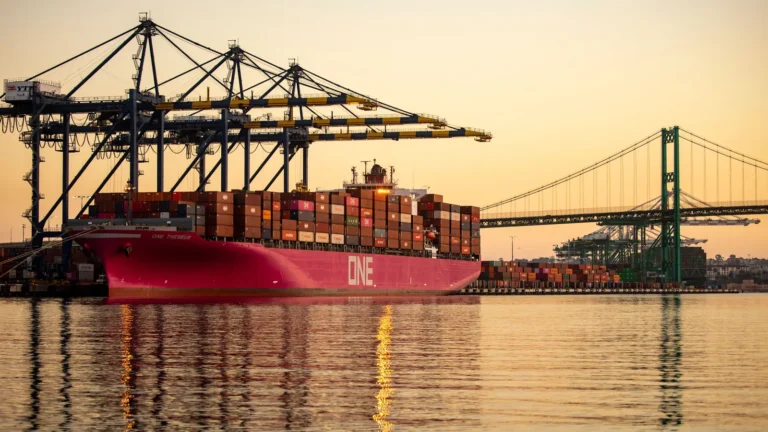
As domestic production remains severely constrained, the U.S. has increasingly turned to international markets to meet consumer demand. The second quarter of 2026 saw beef imports reach an unprecedented 1.6 billion pounds, setting a new record. This surge in imports underscores the critical supply gap that domestic production is currently unable to fill. Australia has emerged as the largest contributor to this increased supply, leveraging its robust cattle industry to help meet the U.S. demand. While imports provide necessary relief, they come with additional costs associated with international shipping, logistics, and quality control, which can still contribute to higher prices for consumers. This reliance on global markets also exposes the U.S. to geopolitical risks and international supply chain disruptions.

Consumer Burden and Political Fallout: The Price of Protein
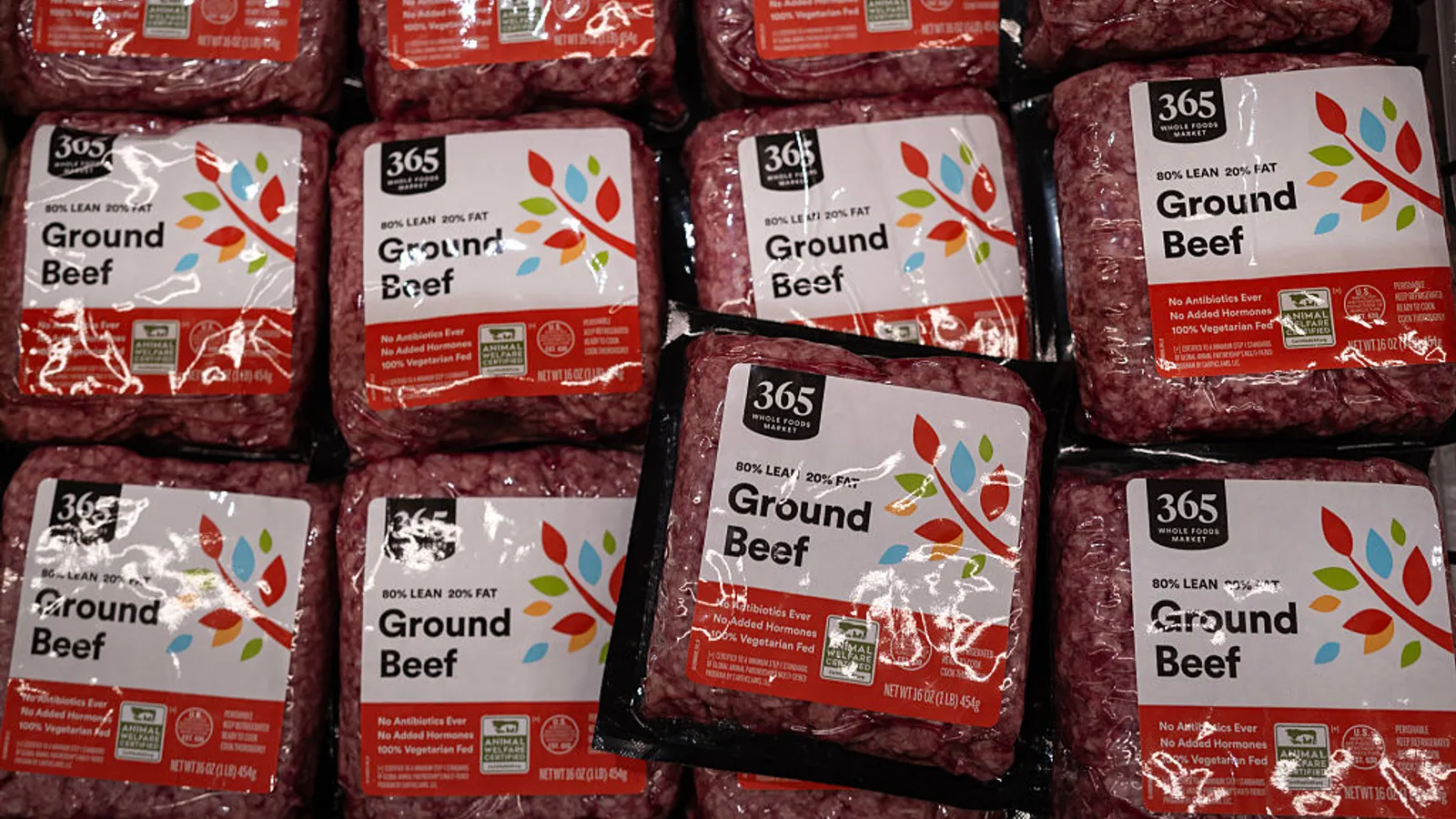
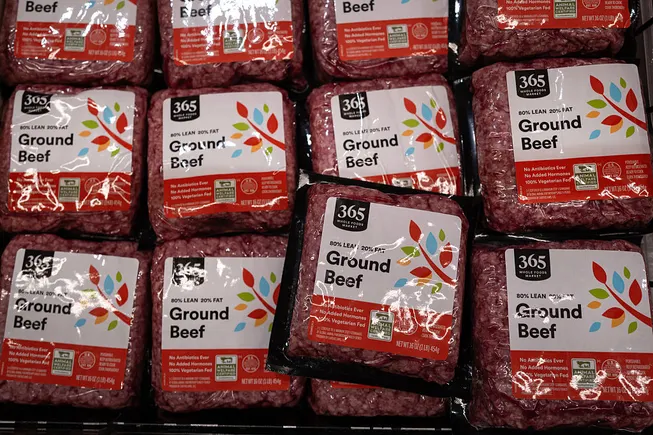
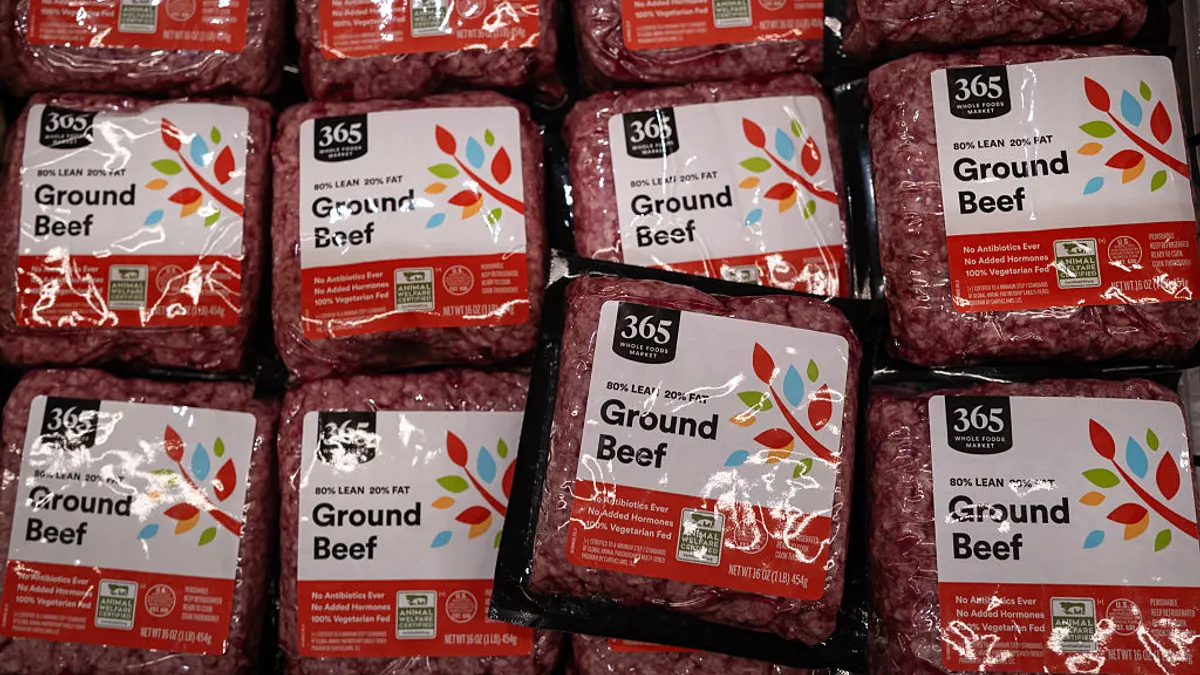
The most immediate and visible impact of the beef shortage has been the dramatic escalation in retail prices. Ground beef, a staple for many American families, has seen its price surge by more than 25% since 2024, reaching an average of $6.88 per pound in July 2026. For those seeking higher-end cuts, the situation is even more acute: prices for all uncooked beef steaks hit an unprecedented $13 per pound in July, marking a new record.
These spiraling costs are placing immense financial strain on household budgets already squeezed by broader inflationary pressures. The issue has quickly transformed into a significant political flashpoint, particularly as the November midterm elections approach. For the Trump administration, lowering beef prices has become a top priority, not just for economic stability but also to demonstrate responsiveness to voter concerns about the cost of living. The perception of government inaction on inflation could have substantial electoral consequences, making the current policy interventions a high-stakes gamble.
Processor Distress and Job Losses: The Industry Bleeds
The acute cattle shortage has had devastating consequences for beef processors, who are struggling with reduced throughput and escalating operational costs. Major players in the industry have been forced to make painful decisions, impacting thousands of workers. Tyson Foods, one of the largest meat processors globally, recently announced the closure of two beef plants, a move that resulted in the layoff of more than 2,500 employees. This drastic action highlights the immense pressure facing processors who rely on a consistent and affordable supply of cattle to operate efficiently.
The company has publicly stated that these plant closures and restructuring efforts are a direct response to the unsustainable economic environment created by the cattle shortage. Furthermore, Tyson Foods has issued a bleak forecast, indicating that beef prices are "unlikely to recover until 2027 at the earliest." This projection signals a prolonged period of instability and high costs for the industry and consumers alike, suggesting that the current crisis is far from a quick fix. Other processors are likely facing similar dilemmas, leading to potential consolidations, further plant closures, and continued job losses across the sector.
Official Responses and Policy Shifts
The Trump administration’s response reflects a multi-pronged approach aimed at immediate relief and addressing some underlying supply issues.
The Administration’s Strategy for Price Relief: Tactical Interventions
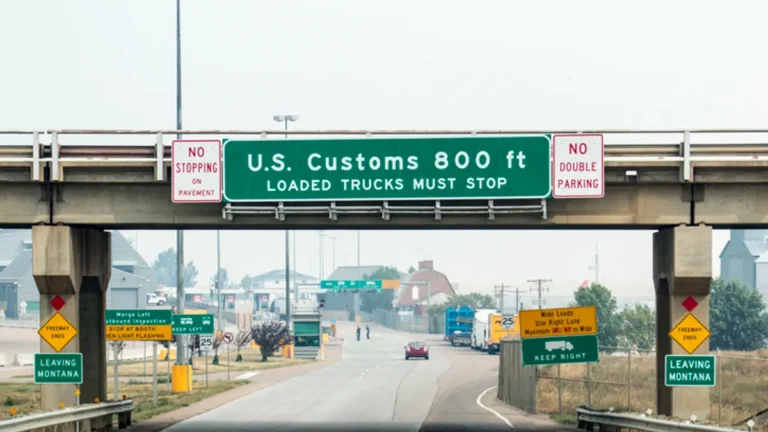
Beyond the duty-free import allowance, the administration has also taken the significant step of lifting a year-long ban on cattle imports from Mexico. This ban was originally implemented to contain the spread of a deadly livestock parasite, a measure taken to protect the health of the domestic herd. The decision to lift it now, despite the lingering concerns about disease, underscores the overwhelming priority given to increasing cattle supply and lowering consumer prices. This calculated risk highlights the desperate need for more cattle in the U.S. processing pipeline.

These policy shifts are not merely economic maneuvers; they are also politically charged actions. By directly intervening in trade and import policies, the administration aims to project an image of active leadership in combating inflation and easing the financial burden on American families. The timing, just months before critical midterm elections, is no coincidence, positioning the issue of affordable food at the forefront of the national political discourse.
USDA’s Role and Market Monitoring: Guiding the Path Forward
The U.S. Department of Agriculture (USDA) plays a crucial role in monitoring the crisis, providing the data that informs policy decisions, and potentially guiding long-term recovery efforts. Its reports on cattle inventories and processing levels have been instrumental in quantifying the severity of the shortage. While the immediate policy responses come from the White House, the USDA is tasked with understanding the market dynamics, assessing the effectiveness of interventions, and exploring sustainable solutions for the future. This could include researching drought-resistant feed options, providing financial incentives for ranchers to rebuild herds, or developing new strategies for livestock health management that balance biosecurity with trade needs. The USDA’s ongoing analysis will be vital in navigating the complex path toward market stabilization.
Broader Implications and Future Outlook
The current beef crisis extends far beyond immediate price fluctuations, raising profound questions about food security, agricultural sustainability, and the long-term viability of the U.S. beef industry.
Impact on Food Security and Consumer Choice: A Changing Palate?
A sustained period of high beef prices could fundamentally alter American dietary habits. Consumers, faced with increasingly expensive protein options, may pivot towards more affordable alternatives such as poultry, pork, or plant-based proteins. This shift could have long-term implications for the entire food industry, potentially leading to increased investment in alternative protein sources and a rebalancing of the U.S. agricultural landscape. The accessibility of affordable protein is a cornerstone of food security, and prolonged high beef prices could disproportionately affect lower-income households, raising concerns about nutritional equity.
The Future of U.S. Cattle Ranching: Resilience and Rebuilding
The crisis forces a critical examination of the future of U.S. cattle ranching. The vulnerability exposed by the 2023 drought highlights the urgent need for greater resilience in the face of climate change and environmental stressors. Ranchers will require robust support, potentially including expanded drought insurance programs, access to sustainable water management technologies, and financial incentives to encourage herd rebuilding. The economic viability of small and medium-sized ranches, often the backbone of local economies, is particularly at risk. Policies that promote sustainable grazing practices and diversify revenue streams for ranchers could be crucial for the long-term health of the industry. Without significant investment and strategic planning, the U.S. risks a permanent contraction of its domestic beef production capacity.
Global Trade Dynamics: A New Era of Interdependence
The U.S. reliance on record beef imports underscores a growing global interdependence in food supply chains. As one of the world’s largest consumers of beef, a sustained shortage in the U.S. market has ripple effects on international trade. Countries like Australia, already a major exporter, stand to benefit, but increased demand could also put pressure on their own resources and potentially raise global beef prices. This situation highlights the importance of diversified trade relationships and the need for international cooperation in ensuring global food security. It also prompts questions about the strategic implications of relying heavily on foreign suppliers for a staple food product.
Political Ramifications Beyond Midterms: A Lasting Legacy
While the immediate political focus is on the November midterms, the beef crisis has the potential to leave a lasting legacy on U.S. agricultural and trade policy. The issue of food inflation, once ignited, is difficult to extinguish from the public consciousness. Future administrations will likely face continued pressure to ensure stable and affordable food prices, potentially leading to more frequent government interventions in agricultural markets. Debates around domestic food production versus import reliance, environmental sustainability in agriculture, and the role of government subsidies will intensify, shaping the political landscape for years to come. The administration’s current tactical response, while aimed at immediate relief, may inadvertently set precedents for how future food crises are managed.
Conclusion
President Trump’s emergency measures to allow duty-free beef imports and lift the Mexican cattle ban are a clear signal of the severity of the U.S. beef crisis. With domestic production at a 56-year low, consumer prices at record highs, and key processors like Tyson Foods forecasting no recovery until at least 2027, the nation faces a complex challenge rooted in environmental adversity, economic shifts, and supply chain vulnerabilities.
While these interventions offer a crucial, albeit temporary, reprieve, they underscore the urgent need for a comprehensive, long-term strategy to rebuild the U.S. cattle industry and ensure the affordability and availability of beef for American consumers. The coming months will not only test the effectiveness of these immediate policies but also reveal the resilience of the U.S. agricultural sector and the political landscape as the nation grapples with the enduring legacy of a beef shortage that has profoundly impacted its economy and its dinner tables. The eyes of the nation remain on the fluctuating prices and the slow, arduous path toward recovery.
About the Author