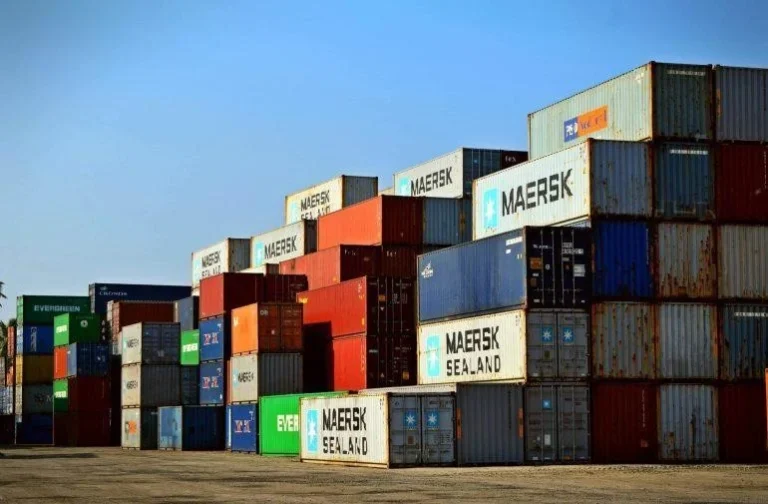
In a dramatic escalation of North American trade tensions, negotiations between the United States and Canada cratered late Friday night, triggering an immediate and aggressive 50% tariff on a vast array of Canadian imports. The duties, which took effect at the stroke of midnight, represent a seismic shift in the economic relationship between the world’s two largest trading partners. According to the U.S. Trade Representative’s (USTR) office, the newly implemented measures are projected to impact approximately $20 billion in goods, sending shockwaves through global supply chains and financial markets.
The breakdown of talks, which had been characterized by cautious optimism earlier in the week, marks a definitive end to a period of intense, high-stakes diplomacy. As both nations pivot toward a posture of economic retaliation, the stability of the North American trade bloc faces its most significant challenge in decades.
A Chronology of the Breakdown
The collapse of the talks was not a sudden event, but rather the culmination of a frantic two-week sprint to reconcile divergent economic priorities.
The Illusion of Progress
Early in the week, the atmosphere surrounding the negotiations was markedly different. On Tuesday, President Donald Trump made a surprise announcement, pausing the looming tariff threat for 72 hours. At the time, the administration indicated that a conceptual framework for a deal had been reached, sparking a brief rally in markets and a sense of relief among industry stakeholders.
By Thursday, the sentiment appeared to hold. Canadian Minister Dominic LeBlanc held extensive, multi-hour meetings with U.S. Trade Representative Jamieson Greer. Emerging from these sessions, LeBlanc conveyed a sense of urgency and proximity, telling reporters that the two sides were "very close" to an agreement and remained committed to working through the night to finalize the details.
The Midnight Collapse
As Friday wore on, the optimism began to fray. Negotiators remained sequestered at the USTR offices well past 10:30 p.m. Eastern Time. Despite the extended sessions, the chasm between the two sides widened. Minutes before the midnight deadline, Canadian Prime Minister Mark Carney held a press conference to announce the suspension of talks. He confirmed that while progress had been made, the final terms proposed by the U.S. side were fundamentally unacceptable.
By the time the clock struck twelve, the 50% tariff regime was officially active, effectively ending the period of grace and plunging the two neighbors into an uncertain trade environment.
The Friction Points: Why the Deal Failed
The failure to secure an agreement hinges on two distinct narratives regarding the final hours of negotiation.
Canada’s Stance: Defending Sovereignty
Prime Minister Carney’s address reflected a deep-seated frustration with the volatility of the American position. He described the last-minute amendments introduced by the U.S. as "unfair and uneconomic," suggesting that the shifting goalposts rendered any potential deal unreliable.
"Canada will not return to the status quo," Carney stated, signaling that Ottawa views this rupture as a fundamental reassessment of its relationship with Washington. He emphasized that Canada would not allow a foreign power to dictate its economic future, effectively framing the tariff dispute as a matter of national sovereignty. Furthermore, Carney confirmed that Canada would mirror the U.S. tariffs dollar-for-dollar, a move designed to shield Canadian workers and businesses from the sudden shock of market exclusion.
The U.S. Perspective: Accusations of Bad Faith
Conversely, U.S. Trade Representative Jamieson Greer offered a starkly different interpretation early Saturday morning. Greer characterized the collapse as a result of Canadian "walk-backs" on previously agreed-upon terms.
According to the USTR, the U.S. had extended an offer of "best treatment" among any major exporter to the American market—an attempt to secure a preferential status for Canada. Greer argued that, despite this significant concession, the Canadian delegation introduced new, last-minute demands that destabilized the balance achieved earlier in the week. From the American perspective, the breakdown was a direct result of Canada’s unwillingness to finalize the terms they had previously signaled were acceptable.
Supporting Data and Economic Scope
The scale of the tariffs is unprecedented in modern U.S.-Canada relations. With $20 billion worth of goods subject to a 50% levy, the immediate impact on bilateral trade flows will be profound.
- The Magnitude of Tariffs: A 50% duty acts as a near-prohibitive barrier to entry. For Canadian manufacturers, this makes exporting to the U.S. market economically unviable for a wide range of goods, including raw materials, industrial components, and finished consumer products.
- The Retaliation Multiplier: By matching the U.S. tariffs dollar-for-dollar, Canada is effectively ensuring that the pain of the dispute is felt on both sides of the border. This creates a feedback loop of increased costs for consumers and manufacturers in both nations, potentially leading to inflationary pressures on both domestic markets.
- Supply Chain Disruption: Given the deep integration of the U.S. and Canadian manufacturing sectors—particularly in the automotive, aerospace, and energy industries—a tariff of this magnitude will disrupt integrated supply chains that have been built over decades. Many companies rely on "just-in-time" delivery of components that cross the border multiple times before a final product is assembled.
Official Responses and Political Repercussions
The fallout from the trade collapse has ignited a firestorm of commentary from business leaders, political analysts, and international observers.
Domestic Politics in Canada
Prime Minister Carney is facing a delicate balancing act. While his decision to walk away from the table has been framed as a defense of Canadian interests, the business community is already sounding the alarm over the potential for job losses and decreased competitiveness. The government is expected to announce a series of support measures for affected industries, but analysts warn that such subsidies may not be enough to compensate for the loss of the U.S. market.
Domestic Politics in the U.S.
The Biden administration—and specifically the USTR office—is now under pressure to prove that the "hardball" negotiation tactic will yield long-term benefits. Critics of the administration argue that the collapse of the deal represents a failure of diplomacy, particularly given the previous public statements that a deal was within reach. The administration’s supporters, however, view the tariffs as a necessary tool to enforce "fair trade" and ensure that American interests are not compromised by what they perceive as unsustainable trade imbalances.
Implications for the Future
The collapse of these negotiations marks a turning point in international trade policy. The implications are far-reaching, extending well beyond the immediate economic costs.
A New Era of Protectionism
This event may signal the end of the "special relationship" that has long defined the U.S.-Canada economic bond. If both countries remain entrenched in their current positions, we may see a permanent shift toward regionalization, where nations move away from globalized supply chains in favor of domestic production or alternative trade partners.
Global Market Uncertainty
Global markets thrive on predictability. The suddenness with which this deal collapsed—despite clear signals of progress—has introduced a new layer of risk for investors. If the two most integrated economies in the world cannot maintain a stable trade relationship, global capital may become more cautious, leading to increased market volatility in the short-to-medium term.
The Potential for Escalation
There is a significant risk that this 50% tariff wall is only the beginning. Should the two sides fail to return to the negotiating table in the coming weeks, the dispute could escalate into a broader trade war, potentially involving other sectors or even leading to a permanent reconfiguration of trade treaties like the USMCA.
As the weekend progresses, the focus turns to the next steps. Both Ottawa and Washington have indicated they are monitoring the economic impact, but there is little sign of a cooling-off period. For businesses caught in the crossfire, the message is clear: the era of seamless North American trade has been abruptly paused, replaced by a climate of high tariffs, retaliatory measures, and intense economic uncertainty.
The coming days will be critical in determining whether this is a temporary standoff or the beginning of a long-term decoupling of two of the world’s most interdependent economies.
About the Author