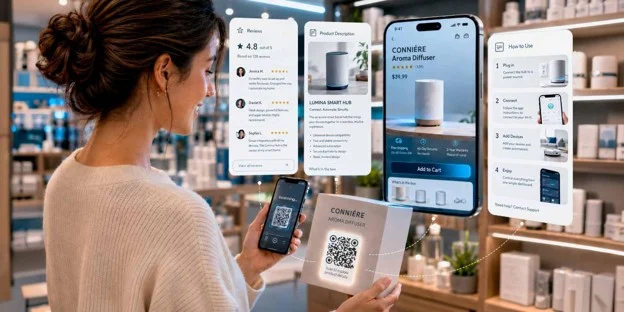
In the modern retail landscape, the chasm between a product that experiences explosive growth and one that quietly fades into obscurity is often defined by a single metric: product adoption. It is the critical transition period where a consumer moves from the initial point of discovery to the actual integration of a product into their daily routine. When a user immediately grasps a product’s value and experiences that utility firsthand, they evolve from a one-time buyer into a loyal brand advocate. Conversely, when that onboarding process is cluttered, confusing, or disconnected, the consumer simply moves on.
For decades, the physical packaging of a product served as the primary interface for this relationship. Today, however, that paradigm is shifting. As consumer expectations evolve, the "physical" and "digital" worlds are merging into a singular, cohesive experience—a phenomenon now widely referred to as "phygital." Leading the charge in this transformation is the global implementation of GS1-compliant QR codes, a sophisticated evolution of the traditional barcode that promises to bridge the gap between static packaging and dynamic digital ecosystems.
The Missing Link: Why Traditional Packaging is No Longer Enough
Historically, product packaging has functioned as a brand’s first—and often only—physical impression. It protected the contents, satisfied legal requirements, and provided rudimentary instructions. Yet, the modern consumer journey has become increasingly non-linear. Before committing to a purchase, today’s shoppers are "chronically online." They are searching for video tutorials, reading peer-to-peer reviews, comparing technical specifications, and seeking out community discussions.
The friction point arises when these two worlds remain siloed. A customer buys a physical item, yet the information they need to successfully adopt that item resides on a disparate website, a YouTube channel, or a niche forum. This disconnect is the primary culprit behind failed onboarding. When a user has to "hunt" for information after purchase, the perceived value of the product drops, and the likelihood of abandonment rises.
The Chronology of the 2D Code Evolution
The shift toward standardized 2D barcodes is not an overnight trend; it is a calculated, decade-long transition toward universal data transparency.
- 2010s: The rise of proprietary QR codes allowed brands to experiment with marketing links, but the lack of standardization led to a fragmented, often unreliable user experience.
- 2020: As the pandemic accelerated the need for touchless interactions and transparent supply chains, global demand for richer, more accessible data reached a breaking point.
- 2023: The "Sunrise 2027" initiative was solidified by GS1, the organization that governs barcode standards globally. This mandate set a clear goal: by 2027, the retail industry must move away from traditional linear barcodes toward 2D symbols that can carry significantly more information.
- 2024–2026: We are currently in the peak adoption phase. Retailers worldwide, particularly in the UK and Australia, are upgrading point-of-sale (POS) systems to handle 2D scanning, moving beyond simple pricing to item-level data verification.
Supporting Data: The Scale of the Phygital Shift
The transition to phygital is not merely a marketing gimmick; it is a massive capital-intensive movement. According to LETA Capital’s State of Phygital Report, global tech giants including Amazon, Apple, Meta, and Microsoft have collectively invested over $160 billion into initiatives that fuse digital information with physical presence.
The retail sector is responding in kind. Research from GS1 UK indicates that the momentum is reaching a tipping point:
- 11% of UK retailers have already fully integrated GS1-powered QR codes.
- 33% of retailers have concrete implementation plans for the next 12 months.
- Projections: Nearly half of the retail market is expected to be fully functional with 2D-scannable inventory by the end of 2026.
This data underscores a fundamental truth: the industry is moving toward a standard where a product without a digital link is essentially "invisible" to the modern, informed consumer.
Understanding GS1-Compliant QR Codes: The Technology
At the core of this shift is the GS1 Digital Link Standard. Unlike a standard URL QR code, which merely redirects a browser, a GS1-compliant code encodes the Global Trade Item Number (GTIN) in a website-friendly format.
This is more than a technical distinction—it is a functional one. A standard barcode is a "dumb" object; it identifies the product but offers no context. A GS1-compliant QR code is a "gateway." It allows companies to change the destination of the code dynamically without ever having to redesign or reprint the physical packaging.
When a consumer scans a code, the software can route them based on context:
- A new customer might see an onboarding video or "Getting Started" guide.
- An existing user might see a reorder link or advanced usage tips.
- A retailer might scan the same code to access expiry dates, batch numbers, and supply chain tracking data.
Official Perspectives: The "New Instruction Manual"
Industry leaders are viewing this transition as a fundamental change in how they interact with their user base. Carolin Duerkop, Technology Transformation Partner at SharkNinja, has famously described the QR code on a box as the "new instruction manual."
This perspective shift is crucial. By moving away from static, multi-lingual paper inserts that are often discarded, companies can provide a responsive, personalized, and interactive onboarding experience. This is an official pivot toward "customer-centric logistics," where the barcode is no longer just for the checkout counter, but a living resource for the product’s entire lifecycle.
Implications: Breaking the Barriers to Adoption
The adoption of GS1-compliant codes is effectively dismantling three major barriers that have historically hindered product success:
1. Complexity and Accessibility
As products become more sophisticated—think smart home devices or complex electronics—the "out-of-box" experience can be overwhelming. A 2025 study from the University of Washington highlighted that users who utilized QR-based tutorials for wireless earbuds completed setup 40% faster and reported significantly lower levels of frustration. This was particularly transformative for users with visual impairments or dexterity challenges, who benefited from the ability to control the pace of video-based setup guides rather than struggling with microscopic, paper-based manuals.
2. Trust and Transparency
In an era of rampant counterfeiting and supply chain skepticism, trust is a commodity. A GS1 UK survey revealed that 81% of shoppers desire more information than what is currently printed on packaging. GS1 QR codes provide a verifiable digital identity. For example, Woolworths in Australia has implemented 2D codes across their fresh food aisles. By encoding expiry dates into the POS data, they ensure that consumers are never sold expired goods, effectively automating safety and trust at the register.
3. Perceived Advantage
Even when a product works perfectly, customers need a reason to stay engaged. L’Oréal’s "Augmented Product Program" provides a masterclass in this. By implementing a digital twin system for their products, they allow users to scan an item to see personalized usage tips based on skin type, verify ingredient sourcing, and access exclusive loyalty content. This turns a one-time purchase into an ongoing relationship, effectively creating a "portal" that keeps the brand top-of-mind long after the initial transaction.
The Road Ahead: Weaving the Digital Thread
As we approach the 2027 global mandate, the "digital thread" is becoming the most important asset in a company’s portfolio. The question for manufacturers and retailers is no longer if they should adopt these standards, but how they will use them to craft better user experiences.
The transition from linear barcodes to GS1 matrix codes is not just a logistical upgrade; it is an invitation to redefine the product journey. By choosing the right QR code generator—one that fully adheres to GS1 standards—businesses can stop viewing their products as isolated physical objects. Instead, they can start seeing them as gateways to a richer, more transparent, and highly engaged consumer experience.
The future of commerce belongs to those who recognize that the "box" is no longer the end of the journey—it is the beginning.
About the Author