In the high-stakes environment of modern manufacturing, the difference between market leadership and obsolescence often lies in the invisible work performed on the plant floor. Maintenance is no longer merely a "fix-it" department; it is the strategic bedrock upon which safe, reliable, and productive operations are built. While the daily tasks of lubrication, inspection, and repair may go unnoticed when a facility is running at peak performance, the consequences of a failing maintenance culture are immediate, costly, and potentially dangerous.
As industrial facilities grapple with aging infrastructure, shifting production demands, and the integration of Industry 4.0, the mandate for plant managers, operations leaders, and safety professionals is clear: they must move beyond reactive firefighting and toward a dynamic, data-driven maintenance ecosystem.
Main Facts: The Pillars of Industrial Resilience
At its core, a robust maintenance strategy is a balancing act. It requires a sophisticated understanding of asset lifecycles, risk profiles, and the economic reality of the bottom line. The current industry standard is defined by four primary pillars that, when combined, create a resilient operation:
- Preventive Maintenance (PM): The traditional backbone of industry. Through scheduled tasks—such as calibration, cleaning, and parts replacement—plants establish a predictable rhythm that mitigates the risk of catastrophic failure.
- Predictive and Condition-Based Maintenance (PdM/CBM): The modern evolution. By leveraging sensors for vibration analysis, thermography, and oil degradation, teams can transition from time-based maintenance to condition-based interventions, catching degradation in its infancy.
- Strategic Corrective Maintenance: Acknowledging that not every component warrants the expense of high-level monitoring. "Run-to-failure" is a valid strategy for non-critical, low-cost assets, provided the decision is intentional rather than a result of negligence.
- Systemic Redundancy: A critical but often overlooked pillar. True reliability is not just about a primary machine; it is about the readiness of backup systems. A standby pump or emergency generator that hasn’t been tested is merely an illusion of safety.
Chronology: The Shift from Reactive to Predictive
The history of maintenance in manufacturing has been a long transition from "break-fix" to "future-proof."
- The Early 20th Century (The Era of Reactive Maintenance): Maintenance was primarily corrective. Equipment was run until it failed, and then repaired by specialized craftsmen. The cost of downtime was high, but the complexity of equipment remained manageable.
- The Mid-20th Century (The Rise of Preventive Maintenance): As processes became more automated, the industry adopted interval-based scheduling. Replacing parts based on "hours of operation" became the standard, helping to avoid common failure modes but often leading to unnecessary labor and waste.
- The Late 20th Century (The Advent of Condition Monitoring): With the introduction of portable vibration analysis and oil sampling, plants began to "listen" to their machines. This period saw the birth of Reliability Centered Maintenance (RCM), which focused on understanding how assets fail and how to prevent those specific failures.
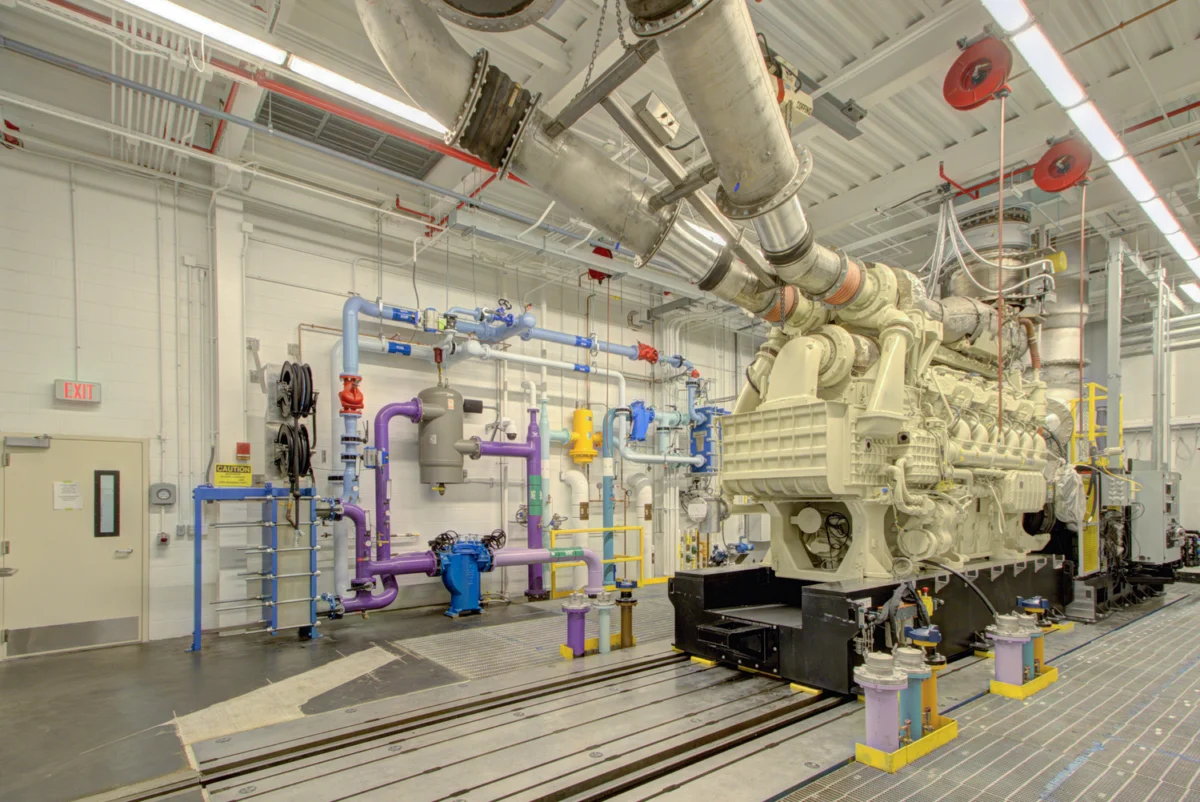
- The 21st Century (The AI and Data-Driven Frontier): We are currently in the era of integrated digital ecosystems. Connected sensors, cloud computing, and Artificial Intelligence now provide real-time diagnostics. Today, a future-proofed test cell—such as those utilizing advanced ACS (Advanced Consulting & Systems) methodologies—does not just monitor; it learns, adapts, and predicts, ensuring that the facility remains ahead of the curve.
Supporting Data and The Economic Case
The financial imperative for a modernized maintenance strategy is indisputable. While short-sighted budgetary cuts often target maintenance as a "discretionary expense," the data suggests that deferred maintenance acts as a hidden tax on the entire organization.
Research consistently demonstrates that for every dollar saved by deferring maintenance, a plant manager can expect to pay three to five dollars in "hidden" costs. These costs manifest in several ways:
- Unplanned Downtime: The most significant drain on productivity. The cost of emergency production halts can exceed thousands of dollars per minute in high-volume industries.
- Expedited Logistics: When a part fails unexpectedly, the cost of overnight shipping and emergency procurement can inflate parts costs by 300% or more.
- Safety Exposure: Unplanned failures are inherently more dangerous than planned maintenance. The risk of injury during an emergency repair is statistically significantly higher than during a controlled, scheduled procedure.
- Quality Loss: Machines that are "limping along" produce higher rates of scrap and rework, undermining the brand reputation and customer satisfaction.
Modern analytical tools have shifted the conversation from "what did it cost to fix this" to "what did it cost us to let this fail." By integrating AI into the maintenance loop, facilities are finding that they can extend the useful life of assets by 20% to 30%, delaying capital expenditure for new equipment.
Official Perspectives: The Role of Human Judgment
Industry leaders and reliability experts emphasize that technology is a force multiplier, not a replacement for human expertise. In discussions regarding the future of plant operations, there is a clear consensus: AI-enabled tools are most valuable when they support experienced professionals.
"We aren’t looking to remove the technician from the process," notes one industry veteran. "We are looking to provide the technician with better information so they can apply their judgment to the right problems at the right time."
The reliance on "clean data" is the prerequisite for this partnership. If sensors are poorly calibrated or data is siloed, AI tools can actually lead to "alert fatigue," where maintenance teams are overwhelmed by false positives. The official stance of top-tier manufacturing consultancies is to prioritize data integrity and technician training alongside the installation of smart hardware. This human-centric approach ensures that the maintenance strategy remains agile and responsive to the specific, nuanced challenges of a unique facility floor.
Implications: Building the Future-Proof Plant
The implications of these trends are far-reaching. For the plant of the future, maintenance is no longer a peripheral activity; it is a core business competency.
1. The Death of Static Schedules
The "calendar-based" model is becoming obsolete. As production demands fluctuate, maintenance schedules must become fluid. If a line is running at 110% capacity, the wear on the equipment accelerates; therefore, the maintenance interval must shrink accordingly. Conversely, during low-demand periods, unnecessary PMs should be deferred to save labor costs.
2. Organizational Silos are Collapsing
Maintenance is no longer solely the responsibility of the maintenance department. True reliability requires collaboration between procurement (for spare parts), production (for equipment availability), and engineering (for design-for-reliability). Companies that have successfully bridged these silos see a drastic reduction in total cost of ownership (TCO).
3. Sustainability and Environmental Compliance
Reliability is a major contributor to corporate sustainability goals. Well-maintained equipment is more energy-efficient, produces less waste, and is less likely to suffer from environmental leaks or emissions failures. In an era where ESG (Environmental, Social, and Governance) metrics are increasingly scrutinized by investors, a robust maintenance program is a critical component of a company’s sustainability report.
4. The Talent Challenge
As technology advances, the skills required for the modern maintenance technician are evolving. The future professional must be comfortable with data dashboards, diagnostic software, and complex machine-human interfaces. Attracting and retaining this talent requires a culture that views maintenance as a high-tech, high-value profession rather than a manual labor role.
Conclusion
The pursuit of industrial excellence is a continuous journey. There is no "final state" where a machine is perfectly maintained forever. Instead, managers must foster a culture of perpetual refinement. By combining the discipline of preventive maintenance, the precision of predictive diagnostics, and the strategic foresight of an intentional corrective plan, manufacturers can build a foundation of resilience.
A well-maintained plant is more than just a place of work; it is a competitive advantage. It is safer, more reliable, and—perhaps most importantly—better prepared for the unpredictable production demands of tomorrow. As we look ahead, the plants that will thrive are those that view their maintenance strategy not as a burden to be managed, but as a strategic asset to be leveraged.
About the Author