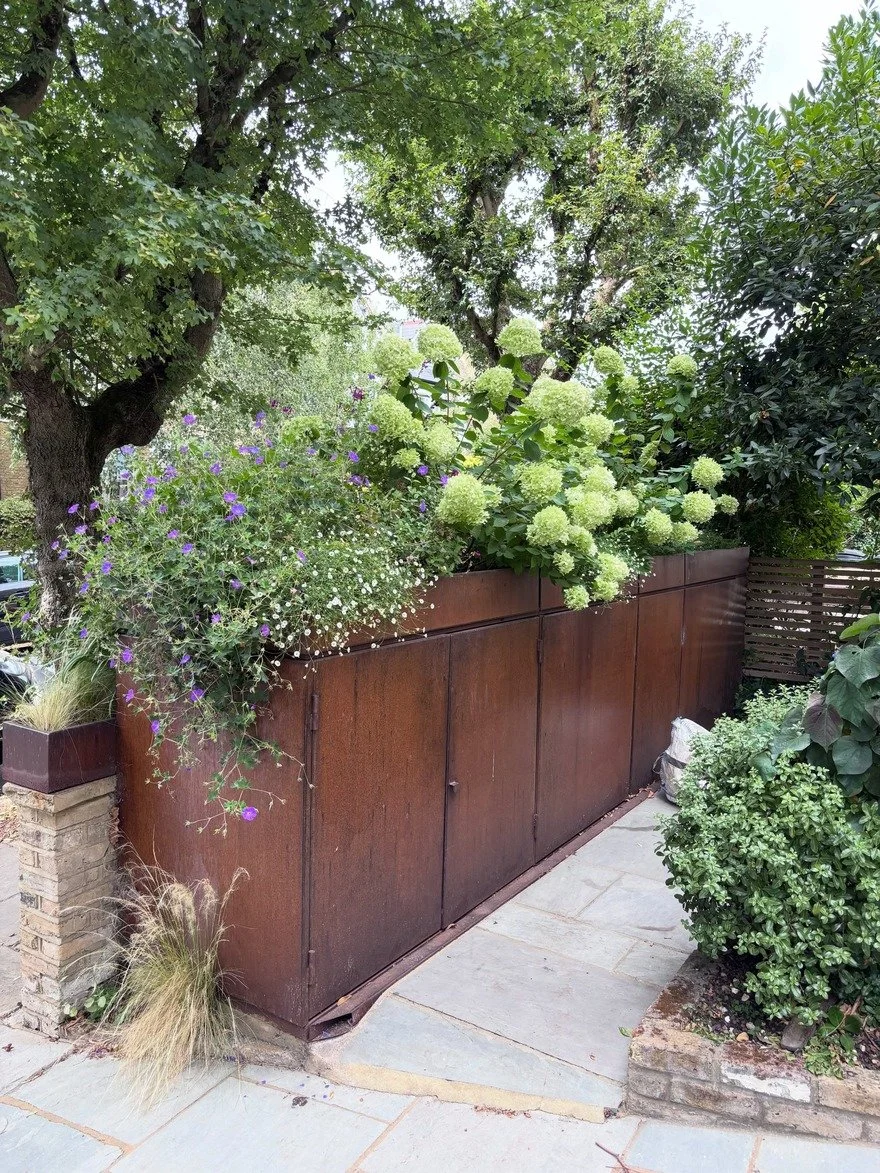
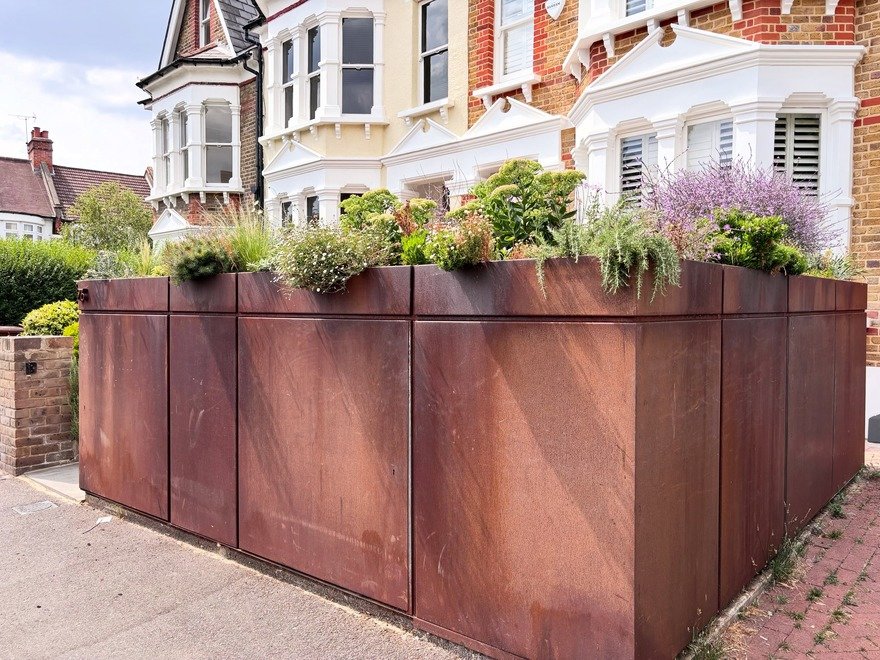
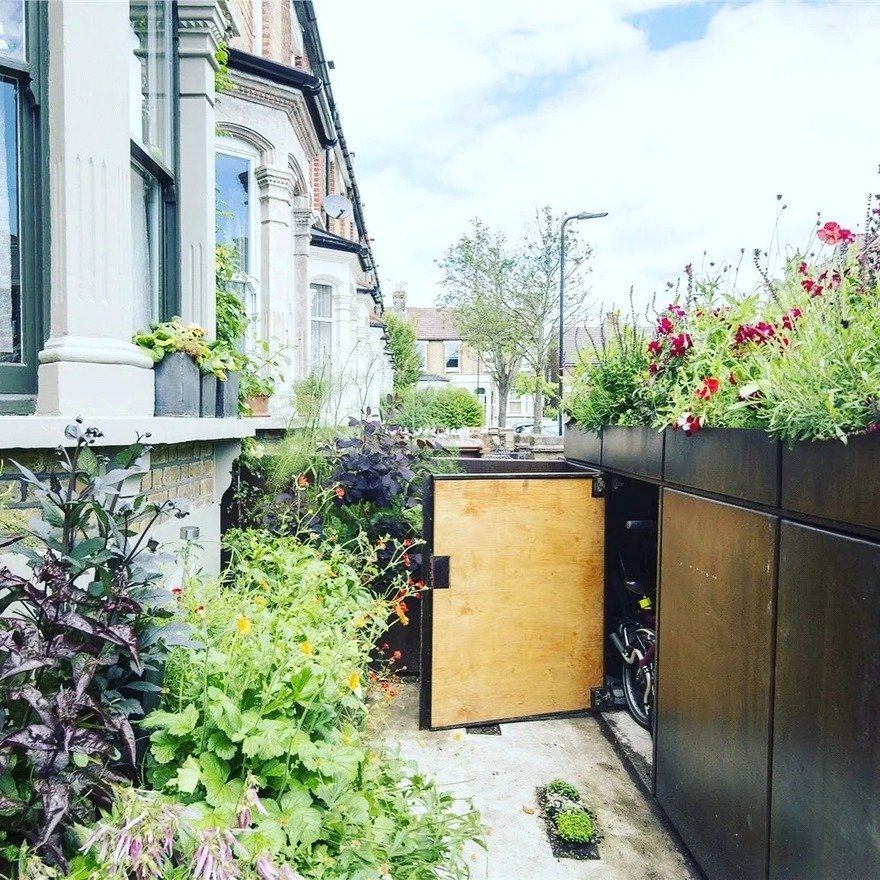
In the dense, historic streetscapes of London, where Victorian terrace homes are prized for their charm but notorious for their lack of storage, a clever design intervention is gaining traction. Enter the "BikeBox," an ingenious hybrid solution that transforms a mundane garden boundary wall into a secure, weather-resistant, and aesthetically pleasing sanctuary for bicycles and strollers. Developed by the London-based design and build firm Nomad Workshop, the project represents a masterclass in functional urban design, solving the perennial problem of the "cluttered entryway" through smart architectural integration.
The Core Concept: Merging Utility with Aesthetics
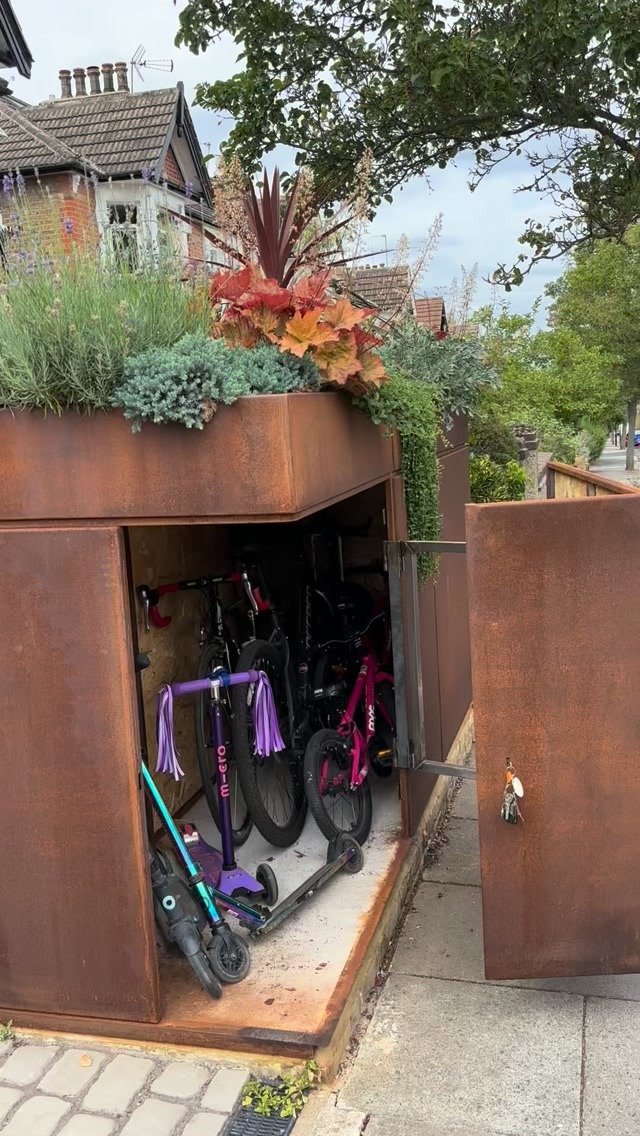
At its heart, the BikeBox is a high-capacity outdoor storage unit disguised as a sophisticated garden planter. Conceived by Nomad Workshop partners Lawrence Friesen and Tracey Bendrien, the product was born from the necessity of their own domestic challenges. Like many residents of London’s historic districts, the pair found themselves struggling to reconcile the limited square footage of their home with the storage requirements of their bicycles. Their entryway had become a bottleneck, perpetually clogged with wheels and frames. Simultaneously, the brick wall of their garden began to fail, presenting an opportunity for a structural overhaul.
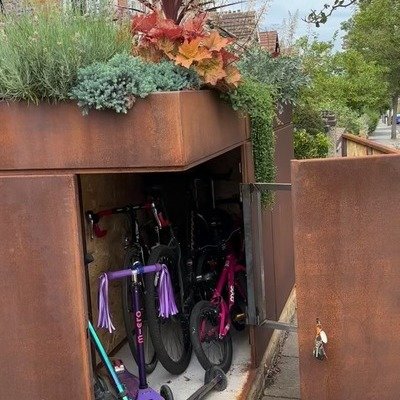
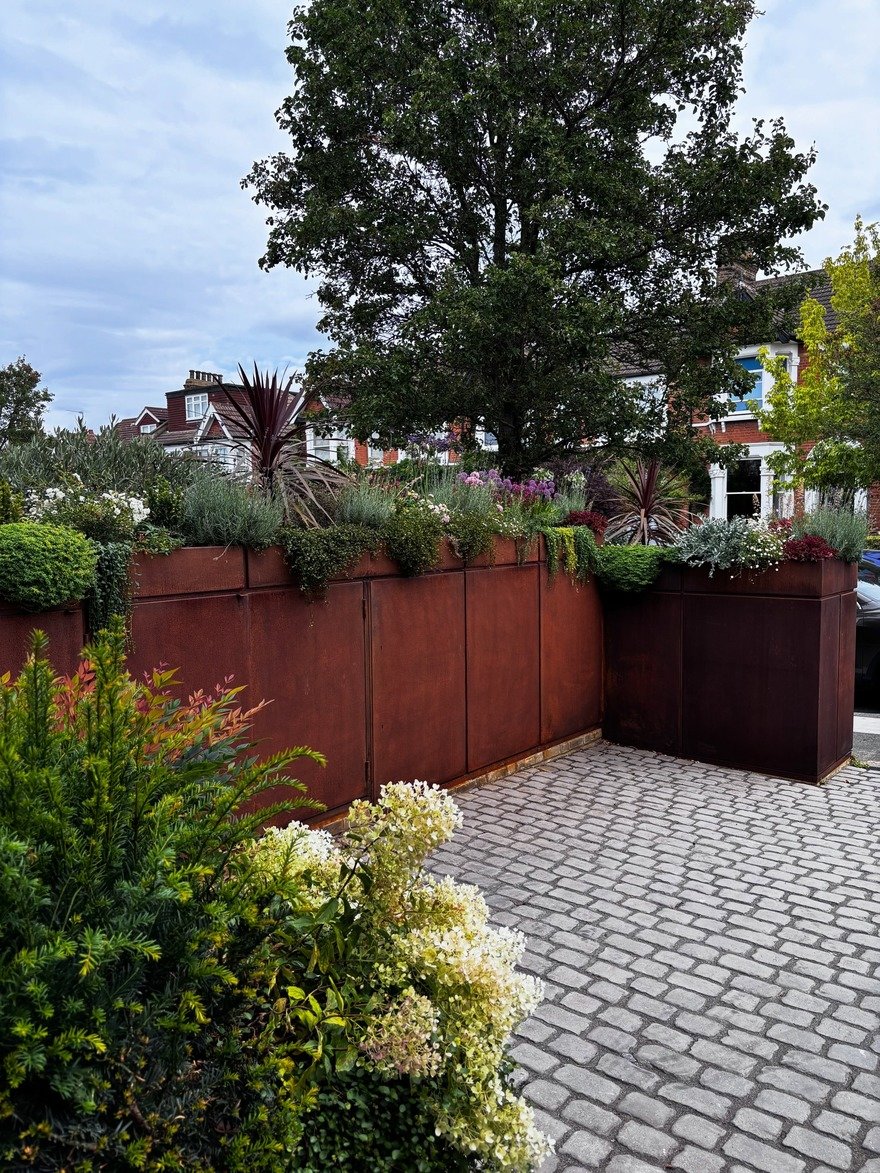
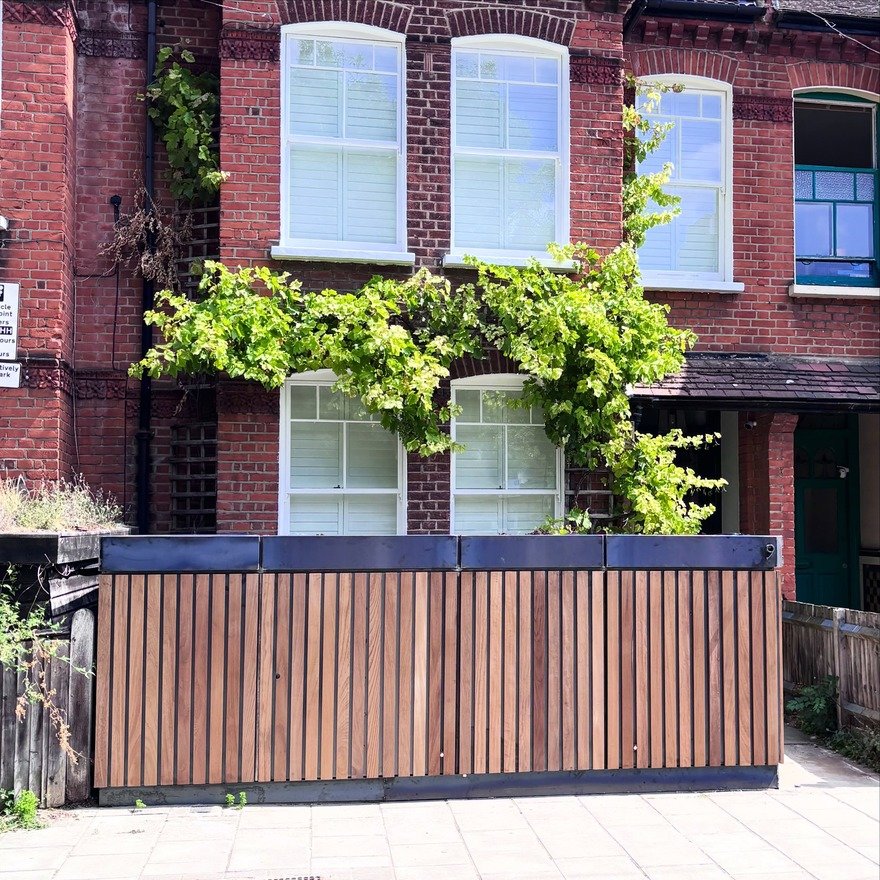
By merging the requirement for a new garden wall with the need for bike storage, Friesen and Bendrien created a dual-purpose structure that satisfies both the functional demands of modern living and the aesthetic sensibilities of traditional architecture. The BikeBox provides a secure, lockable enclosure that sits flush with a property’s frontage, effectively vanishing into the landscape.
Chronology of a Design Innovation
The evolution of the BikeBox from a personal fix to a commercial enterprise is a testament to the power of identifying a common urban pain point.
Phase 1: The Personal Solution (2010s)
The initial prototype was purely utilitarian. The partners sought to reclaim their hallway space while repairing their property boundary. The design had to be robust enough to survive the unpredictable British weather while appearing as a natural extension of the garden.
Phase 2: Refinement and Prototyping
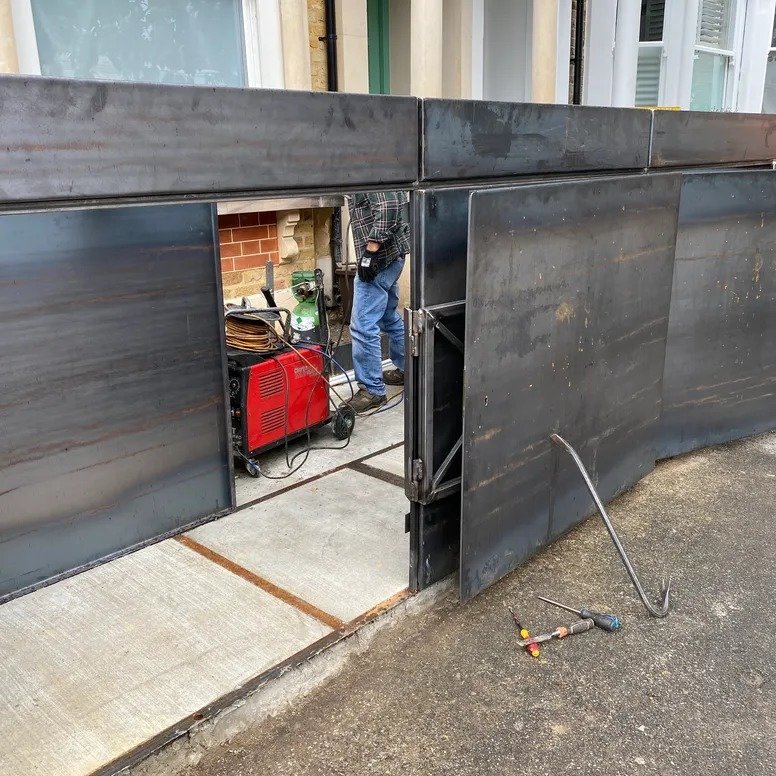
Moving beyond the DIY stage, Nomad Workshop spent significant time refining the mechanics of the box. Key design considerations included ease of access, weight distribution, and security. The lid had to be light enough for everyday use yet sturdy enough to resist forced entry. The internal capacity was meticulously measured to ensure it could accommodate various bike geometries, from road racers to mountain bikes.
Phase 3: The Market Launch
Once the design was finalized, the firm introduced the product to the local London market. Initial reception was positive, largely due to the product’s ability to solve the "bike-in-the-hallway" dilemma without requiring invasive home renovations.
Phase 4: Viral Expansion
With the advent of social media, images of the sleek, weathered-steel planters began circulating through design blogs and architectural forums. The "before and after" impact—showing a cluttered entrance transformed into a clean, green, and organized space—generated significant global interest, putting Nomad Workshop on the map as pioneers in micro-urban storage.
Technical Specifications and Material Science
Nomad Workshop’s commitment to quality is evident in their material selection. The firm offers two primary iterations to suit different architectural contexts.
The Industrial Aesthetic: Oxidized Mild Steel
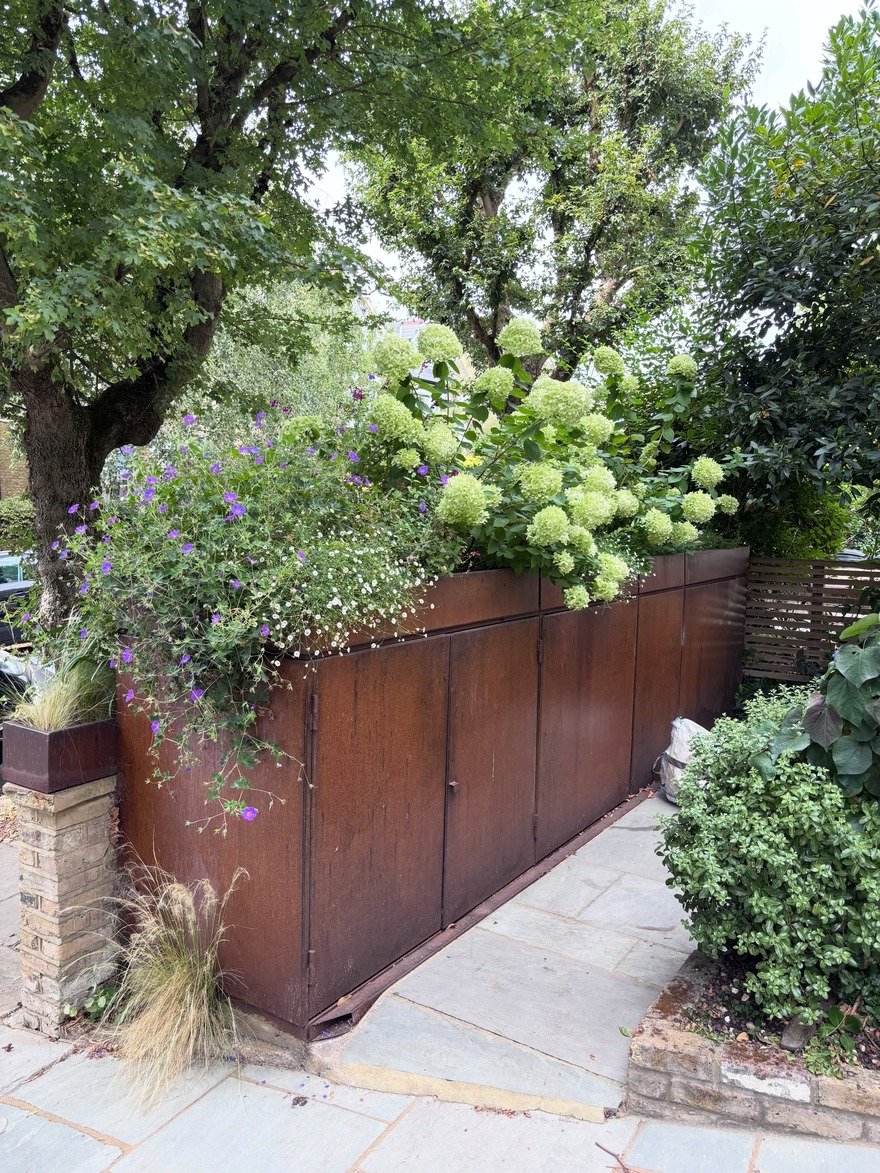
The signature look of the BikeBox features mild steel that has been allowed to develop a natural, rusted patina. This choice is not merely aesthetic; it reflects the industrial history of urban landscapes. The process of controlled oxidation creates a unique, earthy texture that complements the greenery planted atop the box. To ensure longevity, once the desired finish is achieved, the steel is treated with a protective coating to prevent deep-set corrosion, ensuring the structure remains sound for years.
The Traditional Choice: Timber Cladding
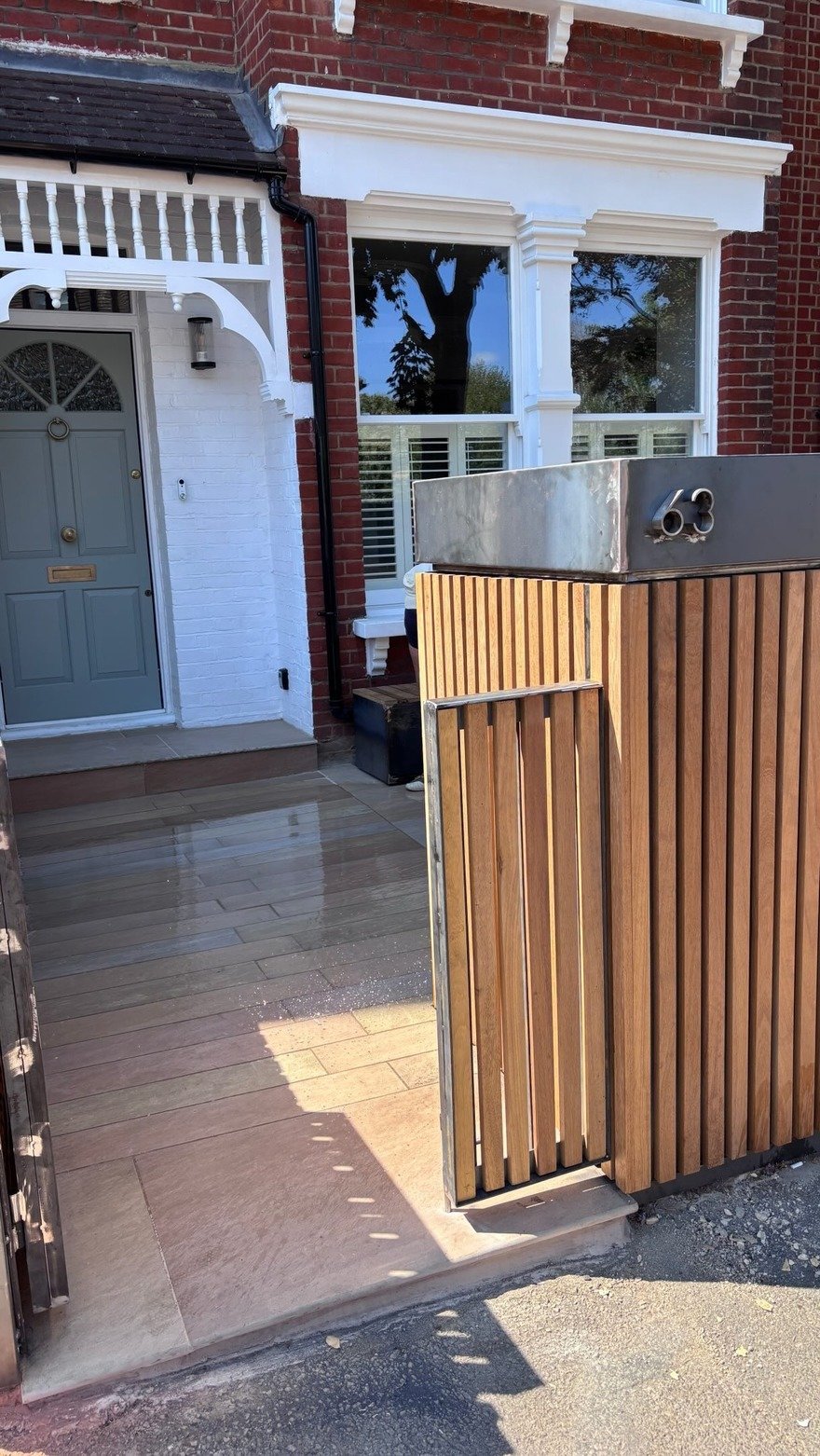
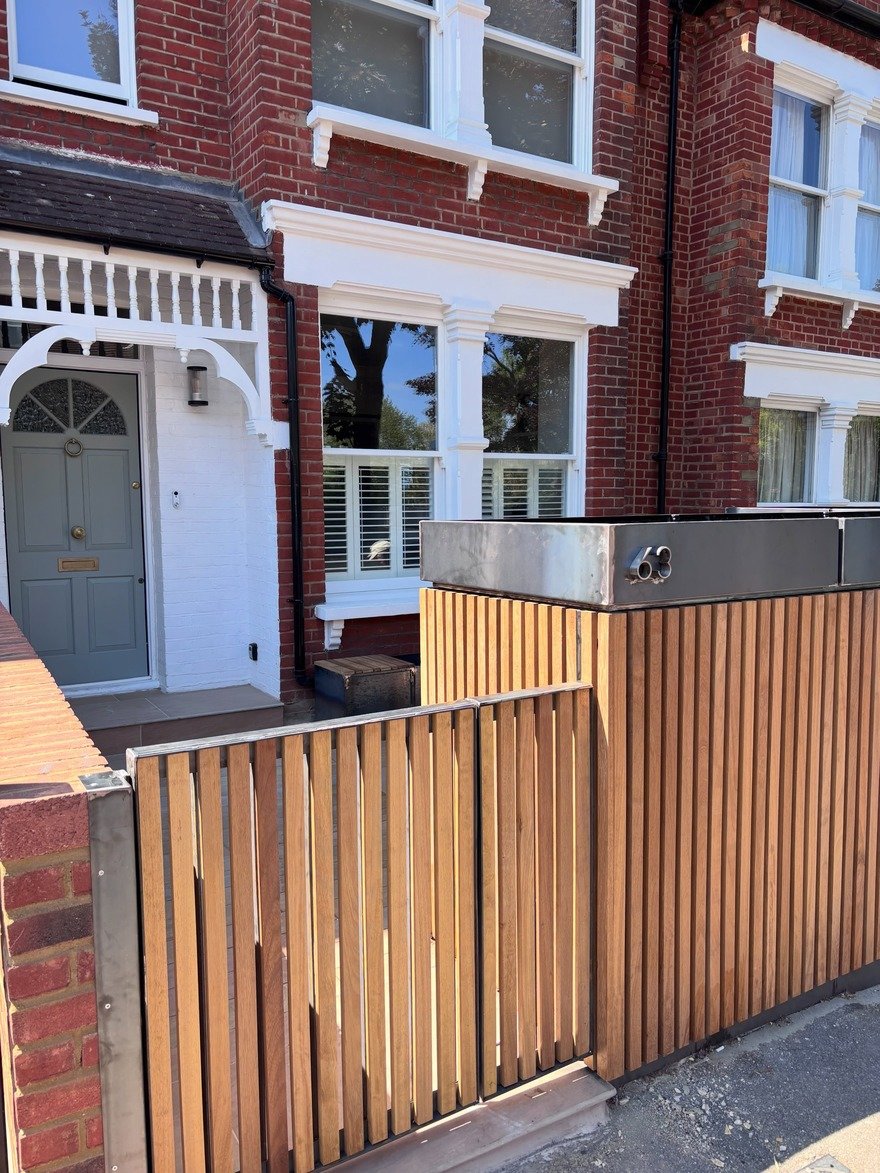
Recognizing that not all homeowners desire an industrial look, the firm also offers high-quality timber cladding. These versions allow the BikeBox to blend seamlessly with existing wooden fencing or deck elements, offering a warmer, more organic presence.
Structural Versatility
Beyond the material finish, the internal architecture of the unit is remarkably flexible. The planters are designed to support a variety of plant life, turning what would otherwise be a dead space—the top of a storage unit—into a vibrant, vertical garden that improves the street-level air quality and adds curb appeal to the home.
Supporting Data and The Urban Storage Crisis
The rise of the BikeBox arrives at a critical juncture in urban planning. As more cities move toward "cycling-first" transport policies, the infrastructure for storing these vehicles has failed to keep pace.
- The Density Problem: In cities like London, New York, and Amsterdam, the majority of the housing stock predates the modern bicycle boom. Victorian and Edwardian terraces were never designed to store two-wheeled transport, let alone the modern stroller.
- The Theft Factor: Bicycle theft is a major deterrent to urban cycling. Standard street-side parking is often insecure. The BikeBox provides an "off-street" security solution, keeping bikes out of sight and locked behind a structural barrier, significantly reducing the risk of theft.
- Space Optimization: Research into space-saving urban design suggests that off-loading storage requirements from the interior to the exterior (the "buffer zone" of the garden or entryway) increases the livable interior square footage of small homes by an average of 5–8%.
Official Responses and Industry Reception
The response from the design community has been overwhelmingly positive. Architects have lauded the BikeBox for its ability to address the "clutter problem" without resorting to plastic sheds or unsightly bike racks that can detract from the character of historic neighborhoods.
In discussions regarding the product, Nomad Workshop has emphasized their design philosophy: "We wanted to create something that adds value to the street, not something that subtracts from it." Local planning authorities in London have also viewed the installations favorably, as they are often seen as improvements to property boundaries rather than temporary, unsightly storage additions.
While the firm has received inquiries from as far afield as Japan, Australia, and North America, the founders remain cautious about scaling. For the moment, the BikeBox remains a UK-based craft, with the firm focusing on maintaining the high standard of fabrication that defines their brand.
Future Implications for Urban Living
The success of the BikeBox suggests a broader shift in how we conceive of "furniture" in the urban environment. It challenges the binary division between "garden features" and "storage units."
1. The Rise of "Active" Street Furniture
As cities become more densely populated, every square inch of space must be multi-functional. The BikeBox demonstrates that a boundary wall can be a planter, a security device, and a design statement all at once. Future urban developments may incorporate such integrated storage solutions as a standard requirement, moving away from the "clutter-shed" model.
2. Supporting Sustainable Transport
By making the storage of bicycles as easy and aesthetically pleasing as parking a car, design firms are indirectly encouraging the adoption of sustainable transit. If a homeowner knows their bike is safe, protected from the rain, and easily accessible, they are significantly more likely to choose it over an automobile for short urban commutes.
3. Preserving Historical Integrity
One of the most difficult challenges for homeowners in historic districts is the conflict between modernization and preservation. The BikeBox succeeds because it uses materials and forms that respect the character of the Victorian era. It proves that innovation does not have to come at the expense of heritage.
Conclusion
Nomad Workshop has done more than build a box; they have identified a modern urban necessity and elevated it to a craft. By looking at their own frustration with home storage and seeing an opportunity for beauty, Lawrence Friesen and Tracey Bendrien have provided a template for how we might rethink our city living spaces. While it currently remains a boutique London solution, the BikeBox serves as a prototype for a more organized, greener, and more bike-friendly future. As urban centers continue to tighten, the lessons learned from this small, clever project will undoubtedly influence the next generation of urban residential architecture.
About the Author