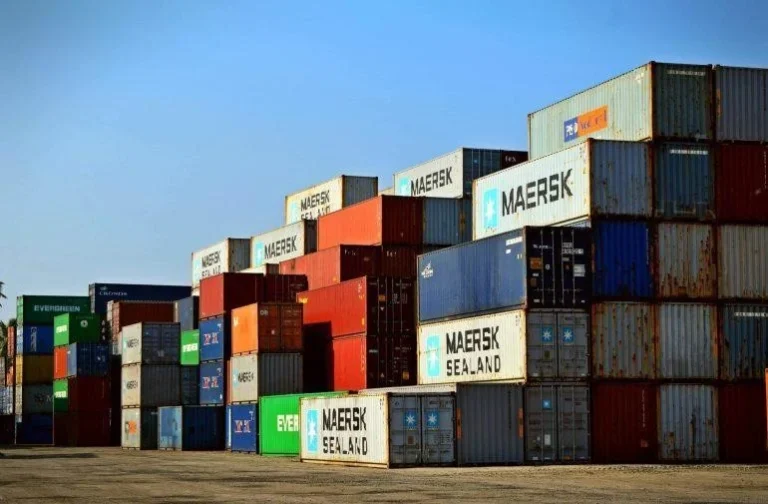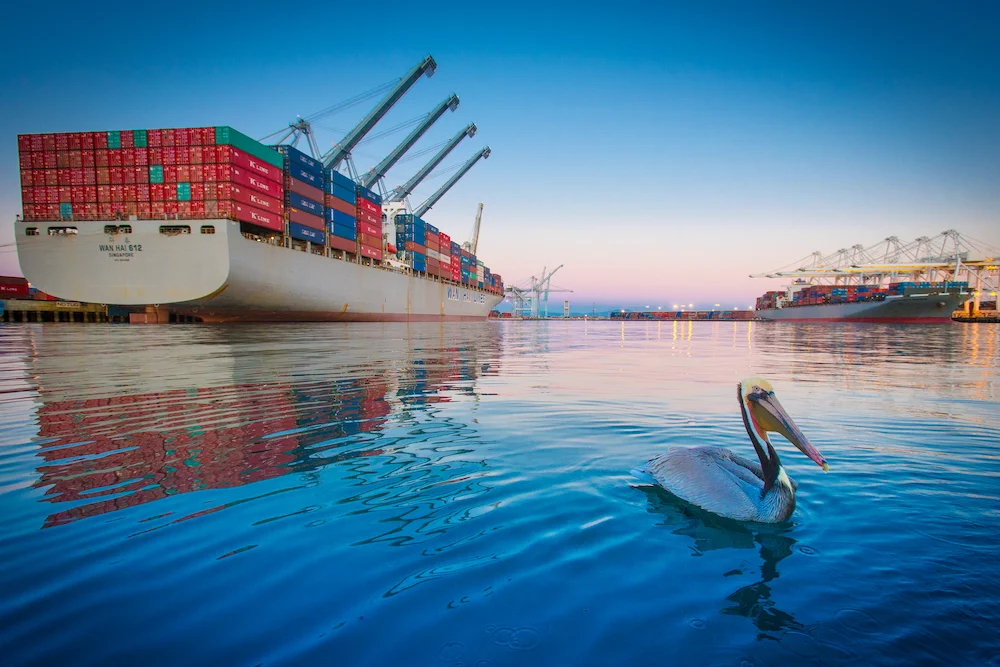
Ports are the unsung, industrial beating hearts of the global economy. While climate discourse frequently focuses on the dramatic imagery of melting ice caps or the promise of massive wind farms, the reality of the energy transition is far more terrestrial and logistical. Nearly 90% of global trade is moved by sea, and every ton of raw material, critical mineral, or finished renewable component must pass through the narrow, congested gateways of the world’s ports.
If the climate transition is a global engine, ports are the valves. When they are efficient, trade flows smoothly; when they are slow, carbon-intensive, or technologically stagnant, the entire supply chain—and by extension, the climate agenda—stutters. Despite their pivotal role, port infrastructure remains a "background" utility, often ignored until a crisis forces it into the spotlight.
The Hidden Emissions and the Ripple Effect
Shipping is notoriously difficult to decarbonize, accounting for approximately 2.9% of global greenhouse gas emissions. However, the emissions footprint of a port extends far beyond the vessels docked at its quays.
The Mechanics of Inefficiency
Ports amplify the environmental impact of shipping through a domino effect of operational inefficiencies. When port capacity is insufficient or management is outdated, ships are forced to anchor offshore, waiting for a berth. During this idle time, these massive vessels continue to burn fuel to maintain essential systems, pumping unnecessary CO2 into the atmosphere.
Furthermore, the "last mile" of port operations—involving diesel-guzzling cranes, heavy-duty drayage trucks, and rail logistics—often relies on outdated, carbon-intensive equipment. A 2023 study by AIDA underscores that this is not merely an environmental nuisance but a systemic failure. When cargo handling is sluggish, turnaround times balloon, driving up the carbon intensity per shipment.
The Economic Ripple
The repercussions of these inefficiencies do not stay confined to the waterfront. They ripple through the global economy with devastating predictability.
- Inventory Shocks: A delay at a terminal in Singapore or Long Beach can trigger a stock-out for a retailer in Europe or a production halt for an automotive factory in the Midwest.
- Cost Escalation: When supply chains are unpredictable, logistics teams are forced to pay premiums for air freight or emergency rerouting, costs that are ultimately passed down to the consumer.
- The Climate Bottleneck: As the world accelerates the shift toward electric vehicles and renewable energy, the demand for lithium, cobalt, and rare earth minerals is skyrocketing. If ports lack the modern infrastructure to handle the increased throughput of these critical materials, they will become the primary bottleneck for the global green energy transition.
Chronology of a Systemic Shift
The trajectory of port development has evolved from simple maritime transit points to complex, digitized, and decarbonized hubs.
- Pre-2020: The "Invisible" Era: Ports were managed largely as static, siloed entities. Investment focused on basic throughput capacity rather than environmental sustainability or digital integration.
- 2020-2022: The Pandemic Wake-up Call: The COVID-19 pandemic exposed the fragility of global trade. Widespread congestion and labor shortages revealed that port efficiency is a matter of national security and economic stability.
- 2023-Present: The Decarbonization Mandate: Global pressure—driven by the International Maritime Organization (IMO) and corporate ESG (Environmental, Social, and Governance) commitments—has pushed ports to the center of the climate conversation. Major hubs are now beginning to integrate shore power, electric crane systems, and AI-driven predictive logistics.
Supporting Data: The Case for Urgent Modernization
The scale of the challenge is backed by sobering data. According to the International Energy Agency (IEA), the transition to a net-zero future requires a quadrupling of the supply of critical minerals by 2040. Currently, the logistics infrastructure required to move this volume is woefully inadequate.
- Emissions: Maritime shipping is responsible for nearly 3% of global GHG emissions, a figure projected to climb as international trade volume expands.
- Digital Gaps: A significant percentage of global ports still rely on legacy paper-based or disjointed digital systems, which contribute to an estimated 15-20% loss in potential throughput efficiency due to administrative friction.
- Investment Needs: The World Bank estimates that hundreds of billions of dollars in infrastructure investment are required over the next decade to modernize port-side facilities for electrification and hydrogen bunkering.
Official Responses and Strategic Perspectives
Governments and global regulatory bodies are beginning to recognize the gravity of the situation. The World Bank’s Port Reform Toolkit has become a blueprint for nations looking to implement Public-Private Partnerships (PPPs) that de-risk the massive capital requirements of port upgrades.
Industry leaders, including those at the vanguard of maritime innovation, argue that the problem is not a lack of technology—the tools for electrification and automation are readily available—but a lack of "shared language" between investors and operators.
Eshaa Joshi, an advisor to Regeneration.VC, highlights that the most significant barrier is not technical, but institutional. "The capital exists, and the technology exists," Joshi notes. "What is missing is trust and a clear line of sight between a funder’s mandate and a port’s actual investment needs." Her work in facilitating closed-door roundtables between investors, regulators, and operators has revealed that successful modernization requires aligning the interests of disparate stakeholders who are often operating in different, siloed ecosystems.
Implications: The Path to a Greener Gateway
The transition of global ports is not merely an upgrade of machinery; it is a fundamental transformation of how global trade is governed and operated.
The Power of Co-Investment
Moving forward, success will be dictated by the ability to create hybrid financial models. Governments provide the regulatory framework and public oversight, while private operators bring the operational agility and capital. When these groups co-invest, they share the risk of long-term projects—such as building out grid capacity for shore power or developing cold-chain infrastructure—that are otherwise too expensive for a single entity.
Digitalization as the Enabler
Digitalization is the great equalizer. By implementing unified digital trade platforms, ports can allow for "just-in-time" arrivals, reducing the need for ships to idle at sea. When ports, customs, and shipping lines share data in real-time, the entire system becomes more responsive, less wasteful, and inherently more sustainable.
Strategic Priorities for the Coming Decade
To avoid becoming the anchor that slows the climate transition, the global port sector must prioritize:
- Electrification: Replacing fossil-fuel-powered handling equipment with electric alternatives, supported by dedicated, green-powered charging infrastructure.
- Regulatory Alignment: Standardizing port sustainability requirements across international borders to prevent "regulatory arbitrage" where ships favor less stringent ports.
- Supply Chain Visibility: Moving toward a data-driven model where manufacturers and retailers have visibility into port throughput in real-time, allowing them to adjust their own logistics strategies to minimize carbon waste.
Conclusion: The Quiet Revolution
The future of the climate transition will be decided in the unassuming concrete terminals and busy harbors of the world. We are currently at a crossroads: if ports remain static, they will continue to introduce friction that hampers economic growth and stalls our climate goals. If, however, they evolve into efficient, digitized, and electrified nodes, they can serve as the bedrock of a sustainable global economy.
The change is already happening behind the scenes, through quiet negotiations in boardrooms and complex engineering projects at the water’s edge. As these infrastructure systems modernize, they are not just moving goods; they are moving the world closer to its climate targets. The lesson for policymakers and investors is clear: you cannot solve the climate crisis without first solving the port problem. The transition is not just about what we generate; it is about how we move.
About the Author