In the modern industrial landscape, corrosion is often dismissed as an inevitable “cost of doing business”—an inconvenient, slow-moving tax on machinery and infrastructure. However, industry leaders are increasingly recognizing that this passive acceptance is a fiscal oversight. By shifting the corporate mindset from reactive repair to proactive, integrated corrosion mitigation, organizations can unlock massive hidden value, extend the lifecycle of critical assets, and drastically reduce unplanned downtime.
The Magnitude of the Challenge: Main Facts
Corrosion is not merely a maintenance issue; it is a profound threat to operational continuity and capital efficiency. According to data from the Association for Materials Protection and Performance (AMPP), the global annual cost of corrosion is estimated at a staggering $2.5 trillion. Perhaps more compelling for plant managers is the corollary: studies suggest that up to 30% of these losses are entirely avoidable through the implementation of established, best-practice corrosion control measures.
For the average facility, this represents a return on investment (ROI) of four to six dollars for every single dollar invested in prevention. Despite these figures, many maintenance departments continue to rely on antiquated, inefficient methods, viewing rust as a natural phenomenon rather than a manageable risk factor.
The Economic Chronology of Neglect
The lifecycle of an industrial asset—from procurement to decommissioning—is a timeline vulnerable to oxidative decay.

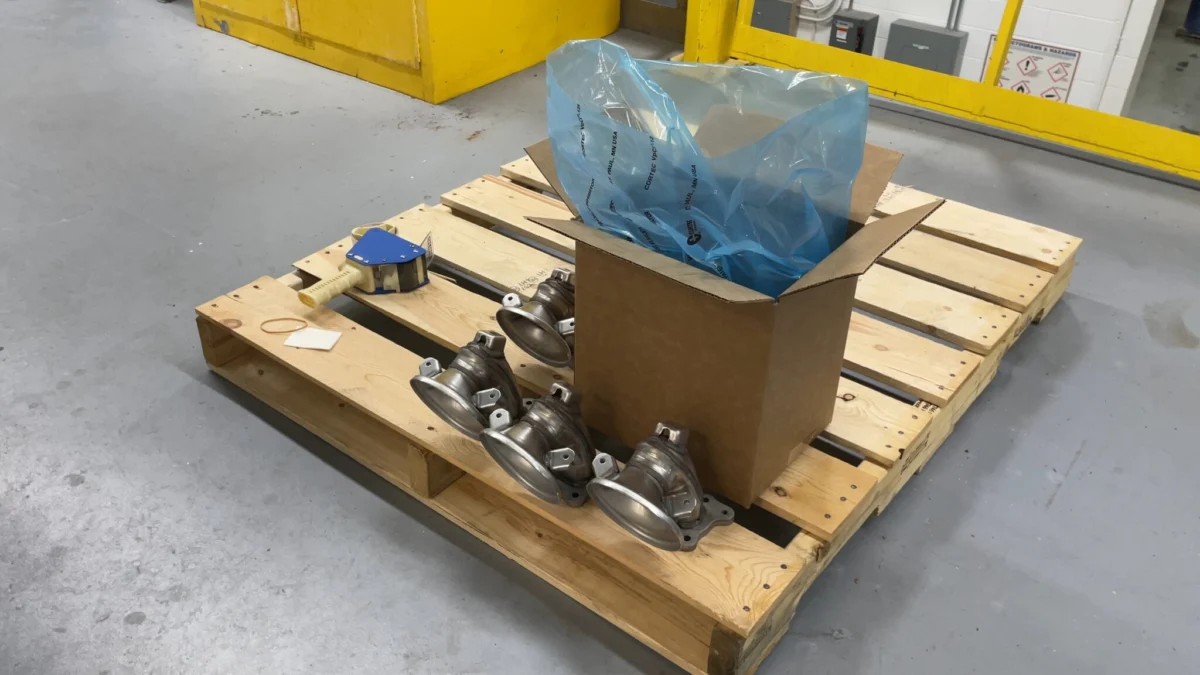
- The Procurement Phase: Often, the focus is on the purchase price of equipment, with little regard for the storage environment of critical spares (valves, pumps, motors).
- The Operational Phase: During active production, maintenance crews focus on output. Corrosion is often ignored until a failure occurs.
- The Layup Phase: This is the "danger zone." Whether it is seasonal cooling system shutdowns or long-term storage of idle machinery, the transition from active to dormant status is when most corrosion occurs.
- The Failure Phase: When a part fails due to hidden corrosion, the facility enters the "costly recovery" stage, marked by premium shipping for replacement parts, overtime labor, and, most devastatingly, lost production revenue.
Supporting Data: The Cost of Downtime
The financial implications of ignoring corrosion are magnified by the modern "just-in-time" supply chain. When a critical component fails, the downtime cost is rarely limited to the price of the part.
Data provided by Siemens illustrates the severity of this risk across diverse industrial sectors. In the Fast-Moving Consumer Goods (FMCG) industry, unplanned downtime can cost a facility upwards of $30,000 per hour. In the automotive sector, where production lines are highly synchronized, that figure balloons to more than $1 million per hour. On average, facilities across all sectors face potential losses exceeding $600,000 for a single major production line shutdown.
Furthermore, the "silent" loss occurs in the warehouse. Many facilities house tens of thousands of dollars in spares that, if not properly preserved, degrade on the shelf. When the time comes to pull these parts for an emergency repair, the items are often found to be non-functional, turning a routine replacement into a catastrophic failure.
Innovative Solutions: The Shift to VCI Technology
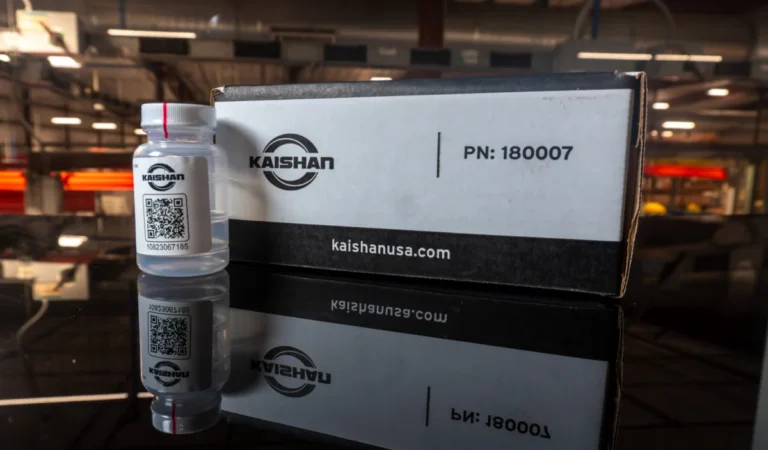
To combat these losses, asset managers are moving away from traditional, labor-intensive methods—such as heavy grease coatings or power-dependent dehumidification—toward Vapor Corrosion Inhibitor (VCI) technology.

VCIs represent a significant paradigm shift in asset protection. Unlike desiccant systems, which require power, or nitrogen purging, which is expensive and dangerous to maintain, VCI technology works by releasing molecules that form a protective, microscopic layer on metal surfaces.
Why VCI is Transforming Maintenance:
- Void Space Efficiency: VCI molecules migrate to hard-to-reach areas, such as the interior of electrical cabinets, piping, or complex machinery, providing uniform coverage.
- Operational Flexibility: Unlike sealed nitrogen systems, opening a VCI-protected cabinet for a quick inspection does not necessitate a full system purge or re-application.
- Power Independence: VCI does not rely on electricity, making it the ideal solution for remote locations or off-grid storage yards.
- Simplicity at Startup: In many cases, VCI-treated equipment can be brought online with little to no surface preparation, as the inhibitor molecules do not interfere with the functionality of the machinery.
Implications for Corporate Culture
The most effective corrosion mitigation plans are not just technical; they are cultural. A successful program requires buy-in from the shop floor to the executive suite.
Training and Empowerment
Maintenance managers are encouraged to implement "corrosion awareness" training. This involves teaching employees to identify the early warning signs of oxidation and equipping them with the knowledge to perform basic, high-value restoration. For instance, creating a three-stage cleaning station—using a biobased rust remover, a water rinse, and an alkaline neutralizer—can save thousands of dollars by reclaiming expensive components that would otherwise be discarded.
Integrating with CMMS
Computerized Maintenance Management Systems (CMMS) are the backbone of a proactive strategy. By integrating corrosion prevention into the CMMS schedule, managers can automate the "hidden" tasks that often slip through the cracks:

- Biannual replacement of VCI emitters in electrical switchgear.
- Annual inspection of warehouse-stored assets.
- Seasonal check-ins for boiler and cooling system layup procedures.
Strategic Recommendations
For facilities looking to optimize their asset management, the following steps are recommended:
- Risk Audit: Assess the facility’s geographical and operational risk. A plant in the Gulf Coast’s high-humidity environment or the Midwest’s “Rust Belt” requires a more aggressive strategy than a facility in an arid climate.
- Inventory Valuation: Conduct a comprehensive audit of spare parts. Determine the replacement value of these items and calculate the cost of potential loss. This data is essential for justifying the budget for anticorrosion materials.
- Explore Advanced Coatings and Inhibitors: Investigate the use of rust-converting primers for structural steel and VCI-based solutions for process heating and cooling equipment.
- Engage Service Providers: Challenge third-party water treatment or maintenance providers to incorporate VCI technology into their service contracts. If they are relying on outdated methods, it may be time to reassess the partnership.
Conclusion: Turning Corrosion into a Competitive Advantage
Corrosion is a persistent, silent adversary, but it is not an invincible one. By moving from a reactive "repair and replace" mentality to a structured, preventative approach, maintenance leaders can fundamentally improve the financial health of their operations.
The integration of VCI technology, supported by a rigorous CMMS-based maintenance schedule and a culture of awareness, transforms the cost of corrosion from a liability into an opportunity for savings. When a facility protects its assets, it is not just preventing rust; it is securing the reliability, uptime, and long-term viability of the entire organization. In an era where every hour of downtime carries a premium price tag, proactive corrosion control is no longer an option—it is a business imperative.
About the Author