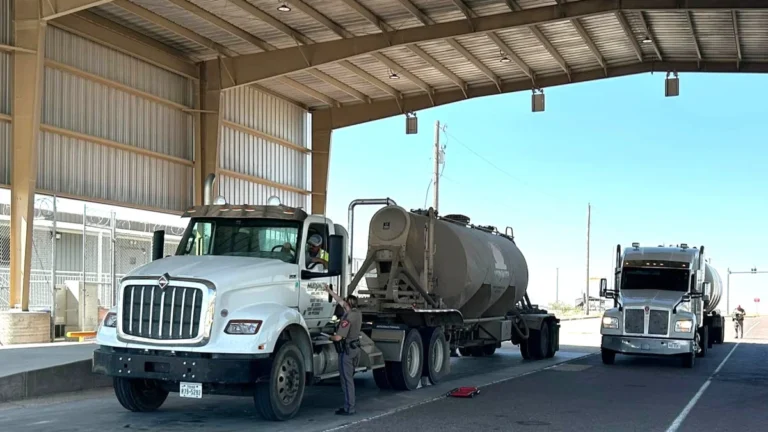
In a dramatic departure from the political inertia that has plagued New York City’s infrastructure policy for decades, Mayor Zohran Mamdani has officially unveiled a comprehensive plan to stabilize and rehabilitate the Brooklyn-Queens Expressway (BQE). The announcement, punctuated by a viral video of the Mayor booting a metal container to emphasize that the city is finished “kicking the can down the road,” signals a pivotal shift in how the administration intends to tackle the most structurally distressed segment of the city’s freight network.
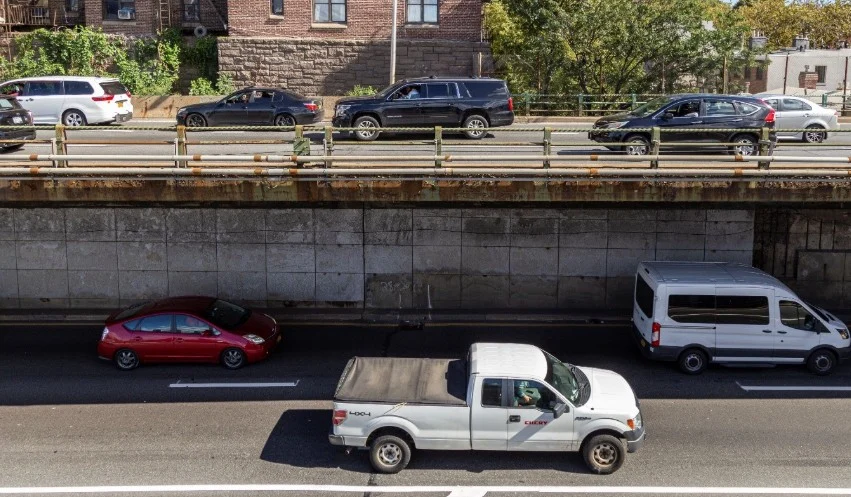
The project focuses on “BQE Central,” a 1.5-mile, city-owned stretch of highway that includes the notorious cantilevered section in Brooklyn Heights. By prioritizing structural integrity while maintaining traffic flow, the administration aims to extend the life of this vital artery by 40 years, effectively buying the city time to consider a long-term, holistic redesign of the corridor.
The Core Proposal: A Strategy for Continuity
At the heart of the Mamdani administration’s proposal is a pragmatic, if complex, engineering feat: the construction of temporary bypasses designed to keep 13,000 to 14,000 heavy-duty trucks—along with tens of thousands of passenger vehicles—moving throughout the construction period.
Unlike previous, failed proposals that suggested routing construction traffic through local residential streets or onto the beloved Brooklyn Heights Promenade, the current plan utilizes a multi-layered bypass system. The city plans to construct a temporary, two-level bypass over Furman Street, located just east of the BQE. According to Department of Transportation (DOT) specifications, the height of this temporary structure will not exceed the existing Queens-bound elevation of the highway, minimizing visual impact on the surrounding neighborhood.
The DOT has explicitly avoided the term "rebuild," opting instead for "rehabilitation." The project will focus on fixing deteriorated structural elements, including the highway deck, walls, joints, drainage systems, and modernized lighting and railings. Crucially, the plan maintains the current two-lane configuration and does not propose any changes to the existing interchanges, keeping the traffic footprint consistent with current usage patterns.
A Chronology of Stagnation and Shift
The BQE, originally designed by master builder Robert Moses, was completed in 1954. It was engineered to handle approximately 50,000 vehicles per day with a projected lifespan of 50 years. Seven decades later, the highway is buckling under the weight of 130,000 vehicles daily, including a massive contingent of heavy freight.
- 1954: The BQE Central opens to traffic.
- 2000s–2010s: Structural degradation becomes apparent, leading to stop-gap maintenance and weight-limit enforcement measures.
- 2010s (De Blasio Era): The city proposes using the Brooklyn Heights Promenade as a temporary highway during construction. The plan faces massive public outcry and is eventually scrapped.
- 2020s (Adams Era): Further delays and "kicking the can down the road" lead to a near-crisis point in structural stability.
- 2024: Mayor Mamdani announces the "Rehabilitation Plan," focusing on temporary bypasses over Furman Street.
- 2030: Projected groundbreaking for the 10-year construction project.
The path to this moment has been paved with political hesitation. Prior administrations, faced with the daunting cost of a total overhaul and the political impossibility of closing the highway for construction, repeatedly deferred action. Mayor Mamdani’s announcement serves as a realization that the status quo was no longer a viable option.
Supporting Data: The Cost of Inaction
The urgency of the project is supported by cold, hard arithmetic. Mayor Mamdani noted in his announcement that the city loses approximately $160 million annually in economic productivity and maintenance costs for every year the BQE continues to deteriorate without a substantive plan.
The BQE Central is more than just a local thoroughfare; it is a critical link in the regional supply chain. It connects traffic from the Verrazano-Narrows Bridge across Staten Island to key arteries serving Long Island, the Bronx, Upstate New York, and New England.
Key statistics regarding the corridor include:
- 130,000: Total daily vehicle count.
- 13,000–14,000: Daily heavy-duty truck volume.
- 40 years: The targeted life extension for the structure post-rehabilitation.
- 18–24 months: Estimated timeline for the mandatory City Environmental Quality Review (CEQR).
- 10 years: The estimated duration of the construction project starting in 2030.
The fiscal reality is that the city cannot afford to shut down this route. As the Mayor highlighted, the reliance on this corridor for freight and logistics makes it the backbone of the city’s movement of goods. Allowing the highway to fall into such a state of disrepair that trucks would be legally banned would cause a catastrophic disruption to New York’s commerce.
Official Responses and Industry Outlook
The proposal has received a rare and enthusiastic endorsement from the freight and logistics industry. Zach Miller, vice president for government affairs at the Trucking Association of New York (TANY), expressed strong support for the plan, noting that it represents a realistic approach to a desperate situation.
“We are very supportive of the administration’s announcement today,” Miller stated. He acknowledged that while the industry would be closely monitoring the environmental impact studies and the final draft of the construction plan, the administration’s commitment to action is a welcome change. “We have to live in reality, and I believe that is exactly what this administration is doing,” Miller added, noting that the threat of a total truck ban was a “situation we all wanted to avoid.”
Within the administration, the tone is one of decisive, if difficult, leadership. In his video, Mayor Mamdani invoked the legacy of Robert Moses, acknowledging that while Moses’ work was essential, it was often car-centric and damaging to the fabric of local neighborhoods. By focusing on rehabilitation rather than expansion, the Mamdani administration is attempting to thread the needle: keeping the city’s economy moving while respecting the urban landscape.
Implications: A New Era for Infrastructure?
The implications of the Mamdani plan are twofold. First, it effectively pauses the debate over a full-scale replacement of the BQE, opting instead for a pragmatic intervention that preserves the status quo for the next four decades. However, the city’s statement was careful to note that this project “(maintains) the option for future re-envisioning of the full BQE corridor.” This is a nod to urban planners and local activists who argue that the highway should eventually be buried or replaced with a more pedestrian-friendly configuration.
Second, the plan sets a precedent for how the city will manage its aging infrastructure moving forward. By choosing a 10-year, phased rehabilitation over the disruptive and politically toxic “Promenade bypass” model, the administration is prioritizing public consensus alongside engineering feasibility.
As the city moves into the 18-to-24-month environmental review period, public scrutiny will inevitably intensify. Critics may question the cost of the project, the long-term viability of the temporary structures, and the impact on the local community during the decade-long construction phase. Nevertheless, the administration has set the clock. After decades of paralysis, the BQE project is finally moving from the realm of abstract debate into the concrete reality of engineering and logistics.
“This won’t be easy, it won’t be quick,” Mayor Mamdani said in his address. “But we’re done waiting on one of the city’s most severe infrastructure issues. Let’s get to work.”
With the announcement, the city has signaled that the era of procrastination regarding its most critical piece of freight infrastructure is effectively over. The coming decade will determine whether this ambitious, multi-layered rehabilitation plan will succeed in securing the future of New York’s primary transportation artery.
About the Author