In a move that promises to redefine the landscape of home improvement retail, IKEA U.S. and Best Buy have officially announced a strategic partnership that will see the Swedish furniture giant establish a physical presence within the electronics retailer’s stores. This pilot program, launching this fall, marks a significant departure from IKEA’s traditional standalone warehouse model and represents the first time the company has integrated its brand and services directly into another U.S. retailer’s footprint.
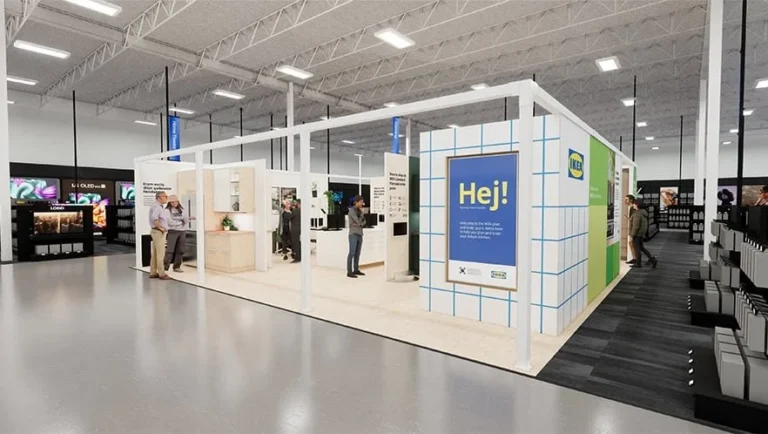
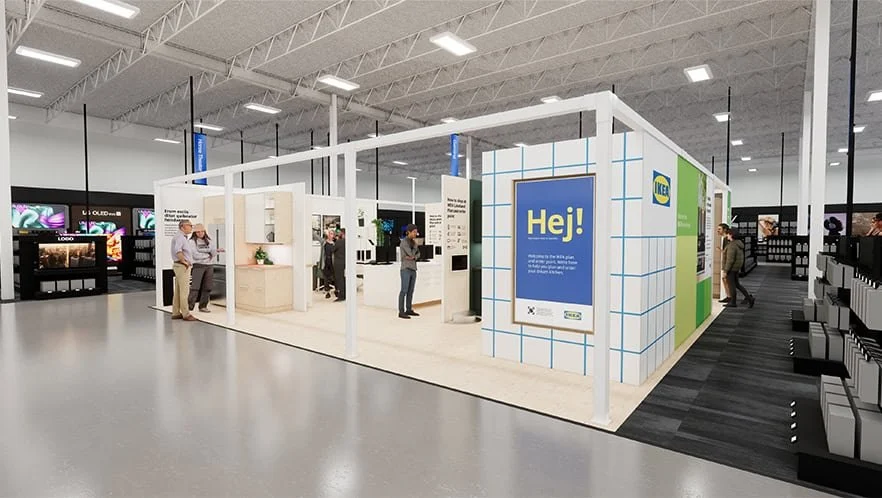
The initiative, which will roll out across 10 select locations in Florida and Texas, aims to bridge the gap between interior design and home technology. By creating 1,000-square-foot "shop-in-shop" experiences, the two retail titans are betting that consumers prefer a one-stop-shop approach when tackling complex home renovation projects, such as kitchen and laundry room remodels.
The Main Facts: A New Model for Home Integration
At the heart of this partnership is the integration of IKEA’s aesthetic expertise with Best Buy’s technical prowess. Each of the 10 designated Best Buy locations will feature a curated, branded space specifically dedicated to kitchen and laundry room layouts.
The physical space is designed to be highly functional, showcasing how IKEA’s cabinetry and storage systems can seamlessly house Best Buy’s high-end appliance lineup. Rather than forcing customers to visit a furniture store for a kitchen island and an electronics store for a smart refrigerator, the pilot allows shoppers to visualize the two elements working in tandem.
Crucially, the partnership is not merely a display of products; it is an exercise in service integration. Each location will be staffed by a hybrid team: IKEA co-workers will be on hand to provide design consultation and product planning, while Best Buy staff will provide specialized expertise regarding the technological specifications and installation requirements of the appliances on display.
Chronology of the Collaboration
The announcement follows months of quiet behind-the-scenes negotiations, reflecting a growing industry trend toward "retail cohabitation." While the official rollout is slated for later this year, the groundwork for this collaboration began as both companies analyzed the evolving habits of the post-pandemic consumer.
- Q1-Q2 2024: Market research conducted by both retailers identified a significant overlap in their customer demographics, particularly among homeowners looking for affordable yet stylish renovation solutions.
- Mid-2024: Strategic planning sessions focused on logistics, including the integration of IKEA’s supply chain with Best Buy’s existing footprint.
- Fall 2025 (Upcoming): The official launch of the 10-store pilot program across Florida and Texas.
- Post-Launch: A dedicated assessment phase will commence, during which executives will monitor sales performance, foot traffic, and customer feedback to determine the feasibility of a national expansion.
Supporting Data and Market Strategy
The selection of Florida and Texas for this pilot is no coincidence. Both states are experiencing significant population growth and robust housing markets, making them ideal testing grounds for home-improvement-centric retail.
The Pickup Point Advantage
Two of the participating locations—Lakeland, Florida, and Alamo Ranch, Texas—will serve a dual purpose. Beyond acting as a showroom for kitchen and laundry designs, these stores will double as official IKEA pickup locations. This is a massive logistical win for IKEA, which has historically faced challenges in delivering bulky items to remote or suburban locations. By utilizing Best Buy’s existing distribution and store infrastructure, IKEA can offer customers the ability to pick up most of their online orders free of charge, significantly reducing the "last mile" delivery costs that typically plague furniture retailers.
The "Category Expert" Synergy
The retail industry has been shifting away from big-box isolation toward category-focused hubs. Best Buy has spent the last decade positioning itself as a "total tech" provider, moving beyond simple electronics to home automation and energy-efficient appliances. IKEA, conversely, is the global leader in modular storage and kitchen cabinetry. The marriage of these two specialties creates a unique value proposition:
- IKEA: Provides the framework (cabinets, lighting, organization).
- Best Buy: Provides the engine (smart ovens, energy-efficient washers, connected home hubs).
Official Responses: Aligning the Vision
Both corporations have framed this partnership as a move toward consumer empowerment and accessibility.
"This partnership between IKEA and Best Buy is about making great design and functionality more accessible for the many," said Rob Olson, Chief Operating Officer for IKEA U.S. Olson emphasized that the goal is to lower the barrier to entry for homeowners who may feel intimidated by the process of coordinating between different vendors during a remodel.
Patrick McGinnis, Chief Merchandising Officer for Best Buy, highlighted the technological component of the collaboration. "The collaboration is aimed at showing ‘what’s truly possible’ in blending home design with technology," McGinnis stated. He noted that as kitchens become increasingly "smart," the need for a seamless physical integration between the cabinet and the appliance becomes paramount.
Implications for the Future of Retail
This pilot is emblematic of a broader shift in the American retail landscape. As e-commerce continues to dominate the commodity market, physical stores are being forced to reinvent themselves as "experience centers."
The End of the "Standalone" Era?
For decades, IKEA’s model was defined by its massive, standalone suburban warehouses that required a full day to navigate. By moving into smaller, 1,000-square-foot footprints inside existing retailers, IKEA is signaling that it no longer needs a sprawling warehouse to capture the modern consumer. This "small-format" strategy allows the company to reach suburban markets that were previously too far from a main store location.
Competitive Pressure
For competitors like Home Depot, Lowe’s, and Wayfair, this news serves as a warning shot. By combining the strengths of two market leaders, the IKEA-Best Buy alliance effectively creates a specialized "renovation hub" that is difficult for traditional hardware stores to replicate without significant investment.
Measuring Success
While neither company has confirmed a timeline for further expansion, the metrics for success are clear:
- Conversion Rates: Are shoppers buying appliances and cabinetry simultaneously?
- Pickup Volume: How many customers are utilizing the Best Buy locations to consolidate their shopping?
- Customer Satisfaction: Are the combined design-tech consultations resulting in higher net promoter scores than standalone visits?
If the pilot proves successful, it is highly likely that the partnership will expand to other high-growth markets. It could also set a precedent for future cross-brand partnerships where retailers share space to offer a more holistic "life-stage" shopping experience.
Conclusion: A Paradigm Shift in Home Improvement
The IKEA and Best Buy pilot is more than just a collaboration; it is a tactical response to the needs of the modern, time-pressed consumer. By synthesizing the aesthetic, modular world of IKEA with the high-tech, functional world of Best Buy, the two retailers are effectively removing the friction from the home improvement process.
As we look toward the launch this fall, the industry will be watching closely. If this model succeeds, it may mark the beginning of a new era where the "retail silo" is a thing of the past, replaced by collaborative, service-oriented environments that place the consumer’s lifestyle at the center of the retail experience. Whether this leads to a permanent shift in how we build and furnish our homes remains to be seen, but one thing is certain: the future of retail is collaborative, integrated, and increasingly convenient.
About the Author