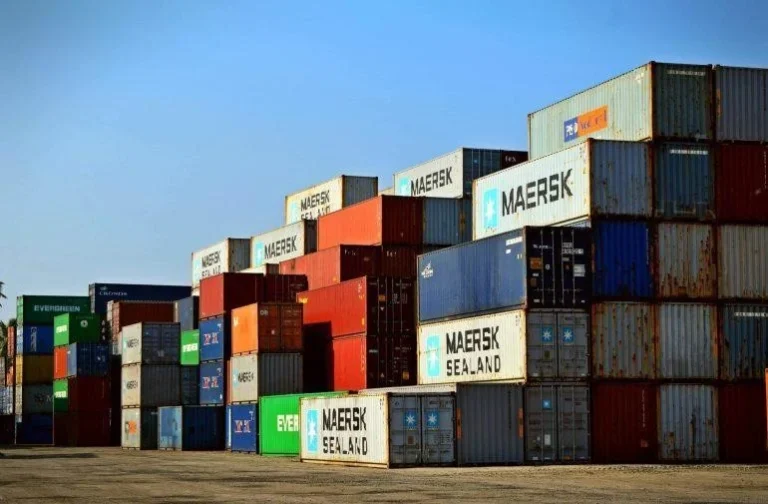
The maritime industry, long reliant on heavy fuel oils and transitioning toward Liquefied Natural Gas (LNG), stands at a historic crossroads. A significant signal recently emanated from the Port of Corpus Christi—one of the world’s most critical energy gateways—which has officially endorsed the integration of nuclear-powered shipping. This endorsement is not merely a local policy adjustment; it is a bellwether for a structural shift in global logistics, moving nuclear propulsion from the realm of naval secrecy and niche scientific exploration into the center of mainstream commercial investment strategy.
As global regulatory bodies tighten carbon intensity standards and geopolitical tensions threaten the security of traditional fuel supply chains, nuclear propulsion is emerging as the ultimate hedge against market volatility. According to recent market intelligence, this transition is being propelled by a convergence of environmental mandates, severe cyclical downturns in the LNG carrier market, and an urgent need for energy security.
The Convergence of Forces: Why Now?
The push toward nuclear-powered commercial vessels is being driven by three distinct but overlapping pressures that have fundamentally altered the investment landscape.
1. The Carbon Regulatory Tightening
The International Maritime Organization (IMO) has become increasingly aggressive in its efforts to decarbonize international shipping. While LNG was initially hailed as the "bridge fuel" to a greener future, it is now facing intense scrutiny due to "methane slip"—the leakage of unburned methane during the combustion process, which carries a far higher global warming potential than carbon dioxide. Small Modular Reactors (SMRs), by contrast, offer a zero-operational-carbon solution that bypasses the limitations of fossil fuels entirely, providing a permanent solution to the industry’s looming compliance crises.
2. The LNG Carrier Market Downturn
The economic case for nuclear propulsion has been solidified by a brutal correction in the LNG carrier market. Spot rates for FLEX LNG, a benchmark for the sector, have plummeted from $120,000 per round trip in Q3 2025 to approximately $30,000 by Q2 2026—a staggering 75% decline. This contraction is exacerbated by an massive supply glut: roughly 285 vessels are currently on order globally, representing 38% of the existing fleet. With deliveries peaking at nearly 100 ships between 2026 and 2027, the traditional fuel-heavy operational model is becoming untenable. Nuclear propulsion, by effectively eliminating fuel costs, is moving from a luxury upgrade to a competitive necessity for operators looking to survive the next decade.
3. Geopolitical Resilience
The volatility of global energy corridors has laid bare the fragility of modern shipping. Recent events, such as the disruption of the Strait of Hormuz and the temporary removal of 17% of Qatar’s LNG production capacity following regional conflict, have demonstrated that fossil-fuel-dependent vessels are vulnerable to geopolitical chokepoints. Nuclear-propelled vessels offer a level of endurance and autonomy that fossil-fuel ships cannot match, making them a strategic asset for nations seeking to secure their energy supply lines against external interference.
Chronology: A Roadmap to Nuclear Integration
The movement toward nuclear commercial shipping has evolved rapidly over the last several years, transitioning from conceptual white papers to concrete policy and corporate milestones.
- 2023–2024: Initial discussions regarding SMR deployment in port environments gain traction in policy circles, particularly in the United States, as a means to revitalize domestic manufacturing.
- May 2026: A critical milestone is reached when IMSR receives a formal Safety Evaluation Report from the U.S. Nuclear Regulatory Commission (NRC) regarding its Postulated Initiating Events Topical Report. This provides the necessary regulatory green light to advance commercial pipeline projects.
- August 2026: Market volatility hits a fever pitch as STDN secures a binding TRISO fuel supply agreement with Radiant Industries, signaling the maturation of the domestic fuel fabrication supply chain.
- Late 2026–2027: The anticipated final investment decision (FID) for the 2.5-gigawatt gas-and-nuclear facility in Victoria, Texas, represents the next major hurdle. This facility is slated to begin nuclear output by 2032.
- 2027–2030: This window is projected to be the era of "Infrastructure Parity," where early adopters of nuclear-propelled vessels begin to see preferential port access and reduced insurance premiums, forcing laggards to reconsider their capital expenditure plans.
The Corporate Landscape: Winners and Watchers
The report identifies three distinct "investment buckets" for those looking to capitalize on this transition.
The Enablers: SMR Technology Developers
GEV remains at the forefront, with its BWRX-300 reactor design currently under construction at Ontario Power Generation’s Darlington site. Their strategic partnership with Blue Energy in Texas is a clear indicator of the scale at which these technologies are being deployed. With a market price of $966.01, the company is positioned as a primary beneficiary of the transition toward modular nuclear power.
The Infrastructure Providers: Fuel and Fabrication
STDN is the only U.S. firm currently possessing industrial-scale TRISO fabrication capacity. Following their August 20, 2026, announcement of a binding fuel supply deal, the company saw an 8.35% surge in share price. As nuclear shipping grows, the demand for stable, advanced fuel supplies will make companies like STDN the "picks and shovels" of the new maritime era.
The Adapters: LNG Shipping Equities
The sector is currently undergoing a "structural bifurcation." Companies like Golar LNG are pivoting toward massive infrastructure projects, such as their $2.45 billion commitment to a fourth Floating LNG (FLNG) production vessel. Conversely, traditional carriers like FLEX LNG face a period of uncertainty. While FLEX LNG maintains a strong 51-year contract backlog and an impressive 9.7% yield, the medium-term risk of their fleet becoming "stranded assets"—unable to compete with more efficient, nuclear-powered alternatives—remains a significant concern for long-term investors.
Official Responses and Policy Tailwinds
The U.S. government has signaled its intent to lead this technological wave. President Trump’s National Security Presidential Memorandum on shipbuilding, which calls for the establishment of a fifth Naval shipyard, provides a dual-use blueprint. By leveraging the U.S. Navy’s eight decades of operational experience with nuclear propulsion, the administration aims to facilitate a technology transfer to the commercial sector.
This policy push is timely. China’s 15th Five-Year Plan explicitly targets 200 million tonnes per year of LNG receiving capacity by 2030. Should Beijing adopt policies that grant preferential port access to nuclear-propelled vessels—a logical step for a nation seeking to lower its import costs—the global carrier ordering cycle will likely undergo a violent, rapid repricing.
Implications: The Future of Global Logistics
The endorsement from the Port of Corpus Christi acts as a catalyst for a broader market re-evaluation. For the investor, the current pricing of these assets—where companies like IMSR trade at $5.27 post-NRC milestones—suggests that the market is still pricing in maximum regulatory pessimism. However, the alignment of policy tailwinds, the desperate need for operational efficiency in the LNG sector, and the proven safety record of modular nuclear reactors suggest that the "nuclear shipping" narrative is no longer speculative.
The implications for the maritime industry are profound:
- Stranded Assets: Conventional LNG carriers built between 2020 and 2025 may face significant depreciation if they cannot be retrofitted or if the industry shifts entirely to nuclear.
- Infrastructure Realignment: Ports that invest in nuclear-ready infrastructure will likely capture the majority of high-value, long-term shipping traffic.
- Energy Independence: Nations that successfully integrate nuclear-powered shipping will drastically reduce their reliance on volatile global fuel markets, creating a new form of maritime sovereignty.
In conclusion, while the transition to nuclear-powered shipping will face regulatory and technical hurdles, the economic and geopolitical imperatives are simply too strong to ignore. The shift from "niche concept" to "mainstream consideration" is complete. For stakeholders across the logistics, energy, and financial sectors, the era of the nuclear merchant marine has officially begun.
About the Author