H2: Main Facts: A New Lifeline for Time-Sensitive Cargo
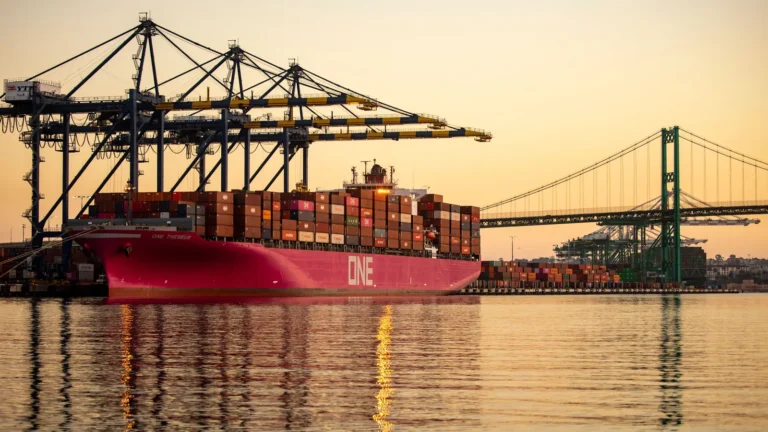
Jacksonville, Florida – August 25, 2026 – Crowley, a leading U.S.-based logistics, marine, and energy solutions company, has announced the launch of a pivotal new weekly direct shipping service connecting Central America to Port Houston, Texas. This strategic initiative, set to commence with the arrival of its inaugural vessel at Port Houston on September 10, 2026, is engineered to significantly bolster trade flows, particularly addressing the escalating demand for fresh produce, essential consumer goods, and other time-sensitive cargo traversing this vital maritime corridor.
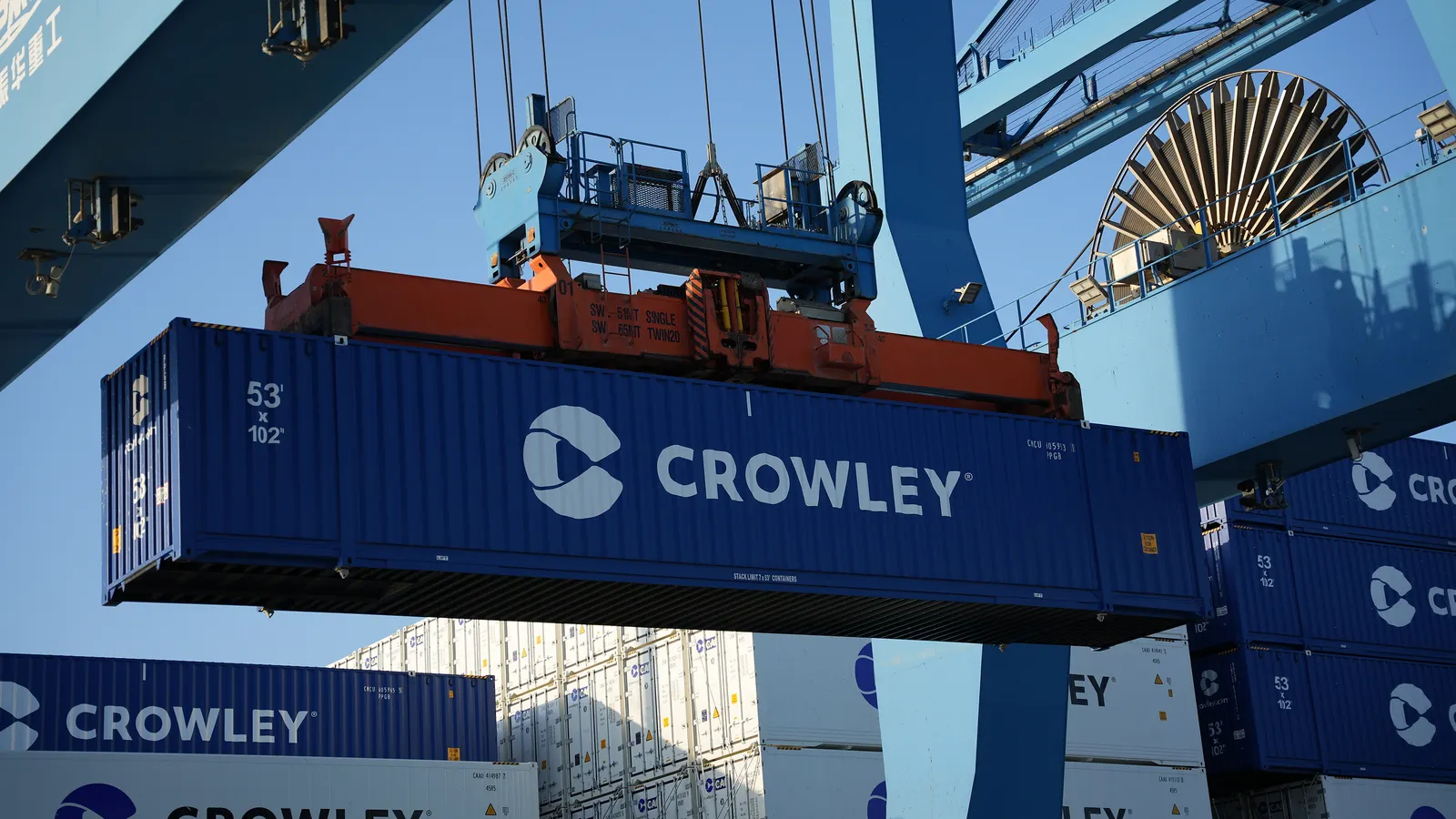
The newly introduced service establishes a direct link from key Central American ports in Guatemala and Honduras to the burgeoning U.S. Gulf Coast market via Port Houston. Departing weekly on Thursdays, the dedicated service is meticulously designed to provide shippers with an agile and dependable logistics solution. It will accommodate a diverse range of cargo, including both dry and refrigerated containers, ensuring the integrity and freshness of perishable goods critical to the food supply chain. A hallmark of this new offering is the availability of Crowley’s specialized 53-foot containers, a feature poised to enhance intermodal efficiency by facilitating seamless transitions between ocean, rail, and truck transportation within the U.S. interior. This investment underscores Crowley’s commitment to optimizing supply chain performance and providing innovative solutions that meet the evolving demands of its diverse customer base.
H2: Chronology: From Market Demand to Maritime Reality
The formal announcement on August 25, 2026, by Crowley marks the culmination of extensive market analysis and strategic planning. While the service is new, Crowley’s deep-rooted presence and operational expertise in the Central American market span decades, establishing the company as a venerable player in the region’s logistics landscape. This latest expansion is not merely an addition to their portfolio but a calculated enhancement, reflecting a proactive response to observable shifts in trade patterns and a burgeoning regional economy.
For years, Crowley has been an integral part of the supply chain infrastructure connecting Central America with the United States, cultivating robust relationships with local businesses and understanding the nuanced requirements of cross-border trade. Its existing broader ocean network strategy already identified Port Houston as a crucial nexus, recognizing its strategic geographic position and its capacity as a gateway for goods destined for the U.S. heartland. The decision to inaugurate a direct, weekly service is a natural progression of this long-term vision. It leverages Crowley’s established operational footprint and expertise to create a more streamlined and efficient route, bypassing potential transit delays associated with more circuitous shipping lanes or less frequent sailings. The impending arrival of the first vessel on September 10 is more than just a logistical milestone; it symbolizes a tangible commitment to strengthening trade ties and supporting economic growth across the Americas.
The strategic planning behind this new route involved a comprehensive assessment of current market demands, projections for future growth, and an evaluation of the optimal port infrastructure to support high-volume, time-sensitive cargo. Factors such as port efficiency, intermodal connectivity, and the ability to handle specialized equipment like 53-foot containers were paramount. Crowley’s long-standing operational history in both regions provided invaluable insights, allowing them to tailor a service that is not only responsive to immediate needs but also scalable for future market expansion. This methodical approach ensures that the new service is robust, reliable, and capable of delivering sustained value to shippers and consumers alike.
H2: Supporting Data: The Economic Pulse of a Growing Trade Lane
H3: Surging Central American Exports: Fueling the Demand
The impetus behind Crowley’s new direct service is firmly anchored in compelling economic data illustrating a robust and expanding trade relationship between Central America and the United States. According to a recent report by the Inter-American Development Bank (IDB), Central American exports to the U.S. experienced a significant 5.1% increase in value during the first quarter of 2026 compared to the same period in 2025. This impressive growth underscores a dynamic economic environment, largely propelled by a surging demand for fresh produce.
The fertile lands and favorable climates of Central American nations like Guatemala and Honduras have positioned them as vital agricultural powerhouses, supplying a diverse array of fresh fruits and vegetables to North American tables. This export basket includes, but is not limited to, bananas, pineapples, melons, berries, and avocados, all of which require meticulous handling and expedited transit to maintain peak freshness and market value. The growth is also reflective of increasing investments in agricultural technology, improved farming practices, and enhanced supply chain capabilities within Central American countries, making them more competitive on the global stage.
Beyond fresh produce, the growth extends to manufactured goods and other consumer products, driven by factors such as nearshoring trends, where U.S. companies seek to shorten supply chains and reduce lead times by sourcing closer to home. This strategic shift has amplified the need for reliable, fast, and efficient shipping options. The 5.1% increase is not merely a statistic; it represents tangible economic activity, supporting countless jobs in agriculture, manufacturing, and logistics across both regions, and ultimately benefiting consumers through greater product availability and competitive pricing. The IDB’s findings unequivocally signal a sustained upward trajectory in Central American exports, thereby validating the strategic timing and necessity of Crowley’s enhanced service offerings.
H3: Port Houston: A Gateway to Growth
Port Houston’s prominence as a critical gateway for Latin American trade cannot be overstated, and its inclusion as the U.S. terminus for Crowley’s new service highlights its strategic importance. As one of the busiest ports in the United States, Port Houston boasts world-class infrastructure, including deep-water channels, state-of-the-art container terminals, and extensive rail and road networks that provide unparalleled connectivity to major distribution hubs across the U.S. Midwest and Southwest. Its strategic location on the Gulf Coast offers a geographical advantage, reducing transit times for vessels arriving from Central and South America compared to East or West Coast ports.
The port’s continuous investment in capacity expansion, automation, and operational efficiency has solidified its reputation as a reliable and high-throughput facility. Its capability to handle a diverse range of cargo, from breakbulk to refrigerated containers, aligns perfectly with the varied demands of the Central American trade lane. Furthermore, Port Houston’s robust intermodal connections allow for rapid onward distribution of goods, a critical factor for time-sensitive cargo. Its proximity to major population centers and distribution networks within Texas and beyond positions it as an ideal entry point for consumer goods destined for the vast U.S. market. The port’s ecosystem of logistics providers, warehousing facilities, and customs services further enhances its attractiveness, offering a comprehensive solution for shippers looking for seamless supply chain integration.
H3: Intermodal Efficiency and Modern Logistics: The 53-Foot Advantage
A key differentiator of Crowley’s new service is the emphasis on intermodal efficiency, particularly through the deployment of its 53-foot containers. While 40-foot containers are standard for international ocean shipping, 53-foot containers are the norm for domestic U.S. over-the-road and rail transport. The ability to use 53-foot containers directly on the ocean leg of the journey significantly streamlines the intermodal process. This eliminates the need for transloading cargo from multiple 40-foot containers into larger domestic units upon arrival at the U.S. port, which is often a time-consuming and costly step.
The use of 53-foot containers offers several advantages:

- Increased Capacity: These larger containers can hold more cargo per unit, potentially reducing the number of containers required and, consequently, the overall shipping cost and environmental footprint.
- Reduced Handling: By minimizing transloading, the risk of damage to goods is reduced, and overall transit times are accelerated, particularly beneficial for perishable and time-sensitive cargo.
- Seamless Integration: The transition from sea to land is smoother, as the 53-foot containers are already optimized for immediate dispatch via truck or rail across the extensive U.S. intermodal network.
- Cold Chain Integrity: For refrigerated cargo, maintaining a consistent temperature is paramount. The use of specialized reefer 53-foot containers ensures that temperature-sensitive produce and goods remain in optimal condition from origin to final destination, crucial for preserving quality and extending shelf life.
This modern approach to containerization, coupled with Crowley’s robust cold chain logistics capabilities, provides shippers with a competitive edge, ensuring their products reach consumers faster, fresher, and more cost-effectively.
H2: Official Responses: Crowley’s Vision and Commitment
Speaking on the strategic rationale behind the new service, Bob Kattan, Crowley’s Senior Vice President of Logistics, articulated the company’s vision: “We designed this route to support current market demand while creating room for future growth. The Central America-to-Houston connection seeks to be a reliable and efficient logistics solution for shippers, and Port Houston is a major part of our broader ocean network strategy.” Kattan emphasized that Crowley has long served the market, and this new direct service is a natural evolution to meet the increasing sophistication and volume of trade.
Kattan further elaborated on the customer-centric approach: “As with any new service, we will continue to evaluate customer demand and market conditions and make decisions based on what delivers the greatest value for our customers.” This statement underscores Crowley’s commitment to flexibility and responsiveness, ensuring the service remains optimized and relevant in a dynamic market environment. The company’s strategy is not merely about moving cargo but about providing integrated solutions that enhance efficiency, reduce costs, and improve predictability for businesses reliant on these critical trade lanes.
Industry analysts have largely lauded Crowley’s move as a shrewd strategic decision. "Crowley’s expansion into a direct weekly service to Port Houston is a clear indication of the growing importance of the Central America-U.S. trade lane," commented Maria Rodriguez, a Senior Supply Chain Analyst at Global Trade Insights. "The data from the IDB firmly supports the demand, particularly for fresh produce. By offering 53-foot containers and a reliable schedule, Crowley is not just adding capacity; they are significantly upgrading the quality and efficiency of the logistics options available to shippers in this corridor. This proactive stance positions them well to capture market share and solidify their leadership."
Local authorities at Port Houston also expressed enthusiasm for the new service. "We are thrilled to welcome Crowley’s new direct weekly service from Central America," stated Roger Williams, Executive Director of Port Houston. "This partnership strengthens Port Houston’s role as a premier gateway for international trade and further enhances our connectivity with our neighbors to the south. The increased cargo volumes, especially of perishables and consumer goods, will undoubtedly contribute to regional economic vitality and provide more options for businesses and consumers across the nation." These collective responses highlight the multi-faceted benefits and strategic alignment that this new service brings to the entire trade ecosystem.
H2: Implications: Reshaping Regional Supply Chains
H3: Economic Impact and Market Access
The launch of Crowley’s new weekly direct service carries significant economic implications for both Central American exporters and U.S. consumers. For exporters in Guatemala and Honduras, the enhanced reliability and speed of this service translate directly into improved market access and competitiveness. Faster transit times and consistent cold chain integrity mean that fresh produce can reach U.S. markets with extended shelf life, reducing spoilage and increasing profitability. This reliability can empower Central American agricultural producers to expand their operations, create more jobs, and invest further in sustainable farming practices.

On the U.S. side, consumers will benefit from a more consistent and potentially more affordable supply of fresh fruits, vegetables, and other consumer goods. A more efficient supply chain can help stabilize prices and ensure product availability, especially for seasonal items. Furthermore, the economic activity generated by increased trade volumes at Port Houston – from stevedoring to warehousing and trucking – will create jobs and stimulate local economies in Texas and beyond, fostering a ripple effect of prosperity across the region.
H3: Enhancing Supply Chain Resilience
In an era defined by supply chain disruptions, the addition of a new, reliable direct service is a critical step towards enhancing regional supply chain resilience. By diversifying shipping options and offering a consistent, weekly schedule, Crowley is providing shippers with a robust alternative that mitigates risks associated with congestion at other ports or disruptions on less direct routes. The focus on intermodal efficiency, particularly with the 53-foot containers, further fortifies this resilience by creating a more seamless and less vulnerable journey for goods once they arrive in the U.S.
The ability to move time-sensitive cargo quickly and predictably reduces lead times and allows businesses to manage inventory more effectively, minimizing the need for costly buffer stocks. This enhanced reliability is especially crucial for industries dealing with perishable goods, where delays can result in significant financial losses. Ultimately, this service contributes to a more robust and adaptive supply chain network, better equipped to withstand unforeseen challenges and ensure the continuous flow of essential goods between Central America and the U.S.
H3: Competitive Landscape and Future Outlook
Crowley’s strategic investment in this new direct service is poised to significantly impact the competitive landscape of the Central America-U.S. trade lane. By offering a differentiated service with specialized equipment and a commitment to efficiency, Crowley is strengthening its position as a preferred logistics provider in the region. This move could prompt other carriers to re-evaluate their service offerings and potentially lead to increased competition, which could ultimately benefit shippers through more innovative solutions and competitive pricing.
Looking ahead, the long-term prospects for this service appear promising, especially given the ongoing trends in nearshoring and the sustained growth in Central American exports. As global supply chains continue to evolve, the emphasis on regional trade and shorter transit times is expected to intensify. Crowley’s proactive approach in establishing this dedicated route positions it favorably to capitalize on these future growth opportunities. The company’s stated intention to continually evaluate customer demand and market conditions indicates a flexible and adaptable strategy, ensuring the service can evolve to meet future needs, whether that means adjusting capacity, expanding port coverage, or introducing new value-added services. This forward-thinking approach underscores the enduring significance of this new maritime link in fostering continued economic integration and trade prosperity across the Americas.
In conclusion, Crowley’s new weekly direct service from Central America to Port Houston is more than just a logistical update; it represents a strategic investment in the future of regional trade. By addressing critical demands for efficiency, reliability, and specialized cargo handling, this service is set to reshape supply chains, drive economic growth, and strengthen the vital commercial ties between Central America and the United States for years to come.
About the Author