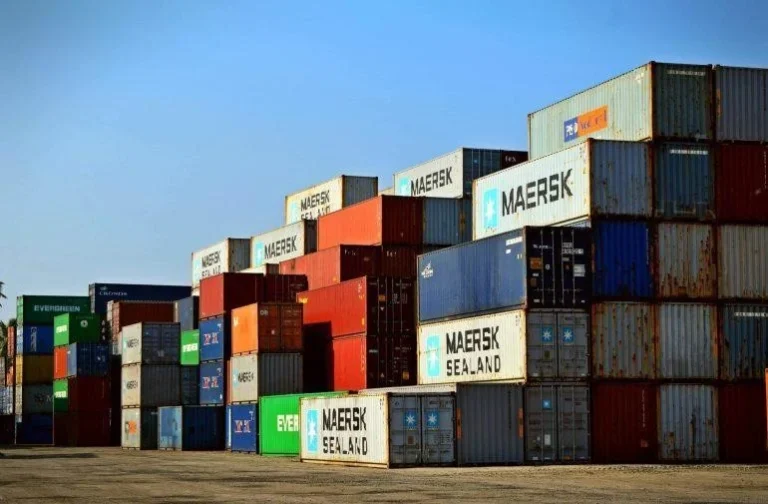
The South African freight and logistics sector stands at a critical juncture. While the industry acts as the lifeblood of the national economy—connecting domestic producers to global markets and keeping the supply chain in motion—it faces a persistent, systemic challenge: a profound gender imbalance in its workforce and leadership structures.
Despite a growing number of women entering the sector, the industry remains largely perceived through a traditional, narrow lens. Odette van Zyl, Financial Director and co-owner of the Cape Town-based JLOG International, suggests that the primary obstacle to female advancement is not a lack of aptitude or ambition, but a fundamental lack of visibility regarding the vast, diverse career pathways available within the logistics ecosystem.
Main Facts: The Current Landscape of Logistics
The statistics paint a clear picture of an industry in transition. Currently, women comprise approximately 28% of the total logistics workforce in South Africa. However, this figure masks a stark disparity at the top: female representation in senior executive roles remains stubbornly below 25%.
For many young professionals or those seeking career pivots, the word "logistics" conjures images of heavy-duty trucking, dusty warehouses, and manual loading docks. This monolithic perception acts as an unintended gatekeeper. Because the public-facing image of the industry is often dominated by physical, manual labor, potential female candidates frequently overlook the sector entirely, unaware that the modern supply chain is a sophisticated, digital-first, and highly technical discipline.
A Chronology of Perception and Progression
To understand how to move forward, one must look at how the industry has evolved. Decades ago, the logistics sector was undeniably male-dominated, characterized by rigid hierarchies and manual processes. However, as globalization increased the complexity of supply chains, the industry underwent a quiet revolution.
- The Early Era: Logistics was defined by port operations, road freight, and rudimentary warehousing. Careers were largely passed down through family networks or through vocational channels that favored men.
- The Transition Period: The digital transformation of the late 1990s and 2000s introduced complex software systems for tracking, compliance, and customs management. This opened the door for administrative and technical roles.
- The Modern Pivot: Today, logistics is a multi-disciplinary field requiring skills in data analytics, international law, financial risk management, and environmental sustainability.
Odette van Zyl’s own career path serves as a microcosm of this evolution. She did not enter the industry as a logistics specialist; rather, she started as a personal assistant at a small firm. Through sheer curiosity and a willingness to engage with the "back-end" of the business—accounting and freight finance—she gained a holistic view of how cargo moves from point A to point B. This trajectory highlights a crucial lesson: the industry rarely recruits for the breadth of talent it actually needs. By failing to highlight roles in compliance, vessel coordination, and supply chain architecture, companies have inadvertently narrowed their own talent pipelines.
Supporting Data: Why Representation Matters
The argument for gender diversity in logistics goes beyond social equity; it is an economic and operational imperative. As global supply chains face unprecedented volatility—driven by geopolitical instability, climate change, and post-pandemic shifts—the ability to problem-solve and adapt has become the industry’s most valuable currency.
Data suggests that companies with diverse leadership teams are 25% more likely to experience above-average profitability. In the context of South African logistics, where the ability to navigate regulatory hurdles and complex customs requirements is paramount, the unique skill sets brought by women—often characterized by high levels of attention to detail, collaborative communication styles, and crisis management proficiency—are invaluable.
Yet, as Van Zyl notes, the "leaky pipeline" remains a problem. Women enter at the entry-level but often find the path to the boardroom obstructed. This is not necessarily due to active exclusion, but rather a lack of mentorship, narrow job descriptions, and a failure to showcase the varied professional trajectories available to those starting in administrative or support roles.
Official Perspectives: Shifting the Paradigm
The consensus among industry leaders like Van Zyl is that recruitment must move away from gender-based quotas and toward a culture of meritocratic exposure.
The Role of Learnerships
Learnerships are often treated as a compliance exercise—a way to hit government-mandated targets—rather than a strategic talent acquisition tool. Van Zyl advocates for a radical shift in how these programs are structured. A successful learnership should be an immersive experience that allows a young recruit to rotate through various departments:
- Customs and Compliance: Understanding the legal intricacies of international trade.
- Vessel Coordination: Managing the logistical dance of maritime transport.
- Financial Operations: Mastering the movement of capital alongside cargo.
By rotating learners, companies help them discover their specific strengths. An employee who starts in accounts payable might discover a hidden talent for operational efficiency or supply chain planning. This internal mobility is the key to retaining top-tier female talent.
Stepping Out of the Comfort Zone
Van Zyl emphasizes that women should not shy away from the "boots on the ground" reality of the industry. Her own experience includes everything from high-level financial strategy to physically collecting cargo from an airport. By demystifying the operational side, she argues that women can build the necessary confidence to command respect in a boardroom. "You don’t just learn logistics from a spreadsheet," she notes. "You learn it by seeing the cargo move."
Implications for the Future of South African Industry
The consequences of failing to address the visibility gap are significant. As the South African economy seeks to integrate further into the African Continental Free Trade Area (AfCFTA), the demand for logistics professionals who can handle complexity will skyrocket. If the industry continues to operate with a limited view of who belongs in a logistics career, it will face a talent deficit that threatens its competitive edge.
Building Confidence Through Continuous Education
A recurring theme in Van Zyl’s professional life is the transformative power of education. Her journey—from a non-degree holder to a graduate of Unisa while managing a business—underscores that the industry rewards those who commit to lifelong learning.
"If you stop learning, you stagnate," Van Zyl says. For women in the sector, education acts as a multiplier. It provides the technical knowledge to challenge the status quo and the confidence to speak up in a room that has historically been dominated by men.
Moving Beyond the "Gender" Conversation
Perhaps the most refreshing aspect of the industry’s current discourse is the move toward talent-first recruitment. At JLOG International, the fact that over 50% of the staff are women is not the result of social engineering, but the result of hiring the best person for the job. This is the ultimate goal: creating an industry where a candidate’s gender is secondary to their ability to navigate the complex, fast-paced world of global trade.
Conclusion: A Call to Action
The path forward for South African logistics is clear. Industry leaders must:
- Rebrand the Industry: Showcase the diverse, technical, and high-level roles that exist beyond the warehouse floor.
- Optimize Learnerships: Use these programs as windows into the full spectrum of the business, not just as administrative check-boxes.
- Promote Internal Mobility: Encourage employees to move between departments to foster a holistic understanding of the supply chain.
- Invest in Education: Provide the necessary support and bursaries to ensure that the current workforce remains as intellectually agile as the supply chains they manage.
As the industry continues to grow, the inclusion of more women is not merely a "nice-to-have"—it is a strategic necessity. By making the opportunities more visible and the career paths more accessible, the South African logistics sector can ensure that it attracts the brightest minds, regardless of gender, to secure its place in the future of the global economy.
About the Author