For the American trucking and logistics sector, the pump price of diesel has become a barometer of operational survival. As on-road diesel prices stubbornly remain in the high $5.60s per gallon, fleet owners, independent owner-operators, and shippers are increasingly frustrated by the disconnect between crude oil prices—which have remained relatively stable in the $80 range—and the exorbitant costs at the fuel island.
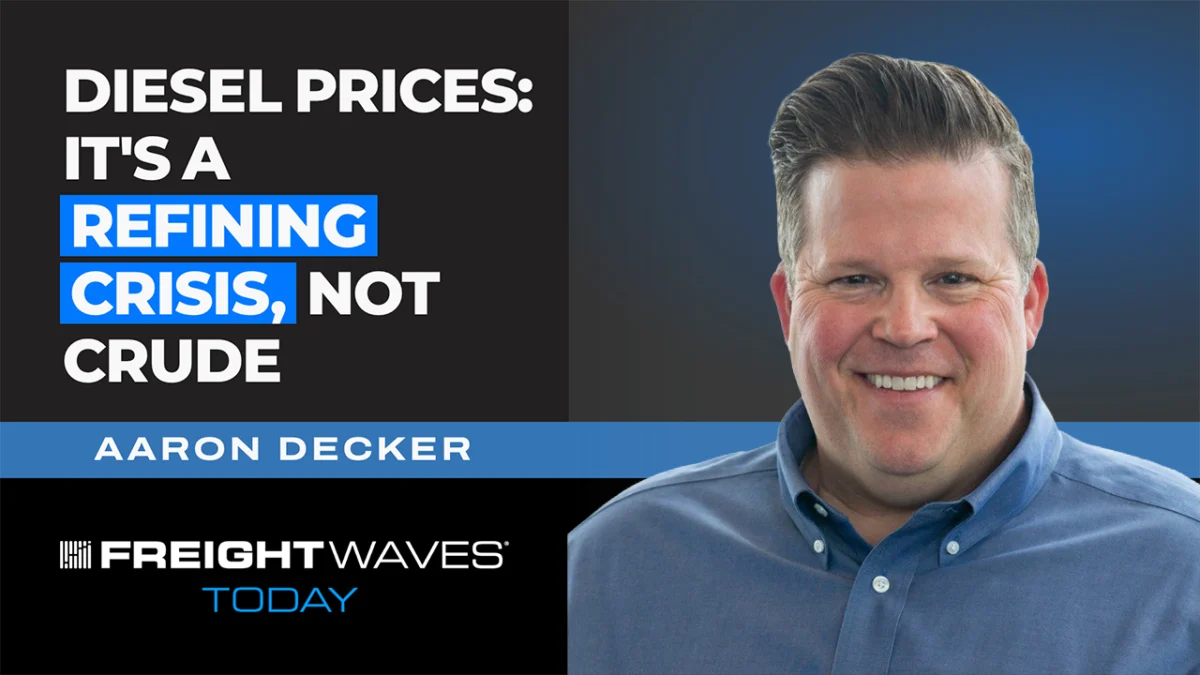
According to Aaron Decker, CEO and partner of Multi-Service Fuel Card, the industry is misdiagnosing the problem. The pain at the pump is not a symptom of a crude oil crisis, but rather a structural failure in global and domestic refining capacity.
The Core Problem: A Refining Bottleneck
While crude oil prices often dominate headlines, Decker argues that the true driver of current diesel costs is the "crack spread"—the difference between the price of crude oil and the price of the petroleum products (like diesel and gasoline) refined from it.
Typically, these spreads hover between $15 and $25 per barrel. Currently, however, they have surged past $100 per barrel. This massive inflation indicates that the cost of refining crude into usable fuel has skyrocketed, a direct result of ultra-low distillate inventories. According to industry data, these inventories have plummeted to levels not seen since the early 2000s, with some metrics dating the scarcity back to the late 1990s.
"It’s not necessarily a crude issue or a crude crisis," Decker explained in a recent interview. "We’re not in a crude crisis; we’re in a refining crisis."
A Chronology of the Fuel Squeeze
To understand the current volatility, one must look at the timeline of events that have systematically dismantled the global fuel supply chain.
The 2022 Inflection Point
The primary catalyst for the current volatility was the eruption of the Russia-Ukraine conflict in March 2022. This geopolitical earthquake fundamentally altered energy flows, forcing a reconfiguration of global supply lines. As sanctions and boycotts reshaped the movement of oil, the world lost access to significant volumes of Russian refined products that previously balanced the global market.
The Ongoing Geopolitical Ripple Effect
The impact of the conflict continues to evolve. Recent Ukrainian drone strikes on Russian refineries have further restricted the global output of diesel and heating oil. Because these refineries were essential in backfilling supply shortfalls, their diminished capacity has exacerbated the global deficit.
The Gulf Coast Export Surge
Domestically, the U.S. Gulf Coast has become the primary source of supply for international markets struggling with their own shortages. While these exports are profitable for U.S. refiners, they simultaneously tighten domestic supply. This "export pull" consumes critical refining capacity that would otherwise be dedicated to meeting the heavy demand of the North American trucking industry.
Supporting Data and Market Indicators
For stakeholders navigating the volatility of Q3 and Q4, Decker points to three specific indicators that serve as a dashboard for the health of the fuel market:
- Hormuz Tanker Traffic: The Strait of Hormuz remains a critical chokepoint for global oil transit. Monitoring tanker flow through this region provides early warnings of supply chain disruptions that could send crude prices—and subsequently, refined product prices—spiraling.
- Russian Refinery Runs: As the war persists, the operational capacity of Russian refineries acts as a bellwether for global supply levels. Any significant decrease in their output forces other global producers to ramp up, often leading to a price surge.
- U.S. Distillate Inventories: These are the most direct indicator of domestic fuel availability. As long as these inventories remain at historic lows, the risk of localized shortages and price spikes remains elevated.
The Hurricane Wildcard
Beyond geopolitical risks, the industry faces seasonal threats. With El Niño climate patterns potentially impacting weather systems, there is an increased risk of severe activity in the Gulf Coast—the heart of American refining infrastructure. A single major storm could force temporary facility shutdowns, further constricting supply and pushing crack spreads even higher.
Official Outlook and Projections
The consensus among industry experts, including the Energy Information Administration (EIA), is somber. The initial forecasts for the year have been consistently adjusted upward as the reality of the refining crunch sets in.
"I don’t anticipate this getting better in the very near future," Decker stated. "I anticipate, and I think the EIA agrees with that, that we’re north of $5 for the foreseeable future."
For carriers and shippers, this means that the "fuel surcharge" will remain a volatile and significant line item in every contract, with little room for price relief through the end of the calendar year.
Implications for Carriers and Logistics Providers
The financial impact on carriers is profound. Many fleets have historically relied on a "set-it-and-forget-it" approach to fuel purchasing, but in a high-cost environment, this passive strategy is no longer viable.
The Fraud Risk
As prices spike, the incidence of fuel card fraud increases proportionally. Fleet managers are being urged to tighten their oversight, implement stricter fraud-protection protocols, and audit their transactions regularly. The financial vulnerability created by lax security can be the difference between a profitable quarter and a liquidity crisis.
Unlocking Savings
Decker notes that while many carriers feel powerless against the market, there is still money being left on the table. He advises fleet managers to:
- Audit Invoices: Regularly review fuel invoices to ensure that discounts and negotiated rates are being applied correctly.
- Engage Account Managers: Proactively contact fuel account representatives to discuss volume-based savings or customized fuel programs.
- Move Beyond Retail: While the vast majority of carriers (roughly 90% to 98% according to industry estimates) are already utilizing commercial fuel programs rather than paying full retail, those who are not must transition immediately to avoid unsustainable costs.
The Role of Technology
The history of fuel management is rooted in innovation. Multi-Service Fuel Card, for instance, has been a pillar of the industry since 1978, having pioneered real-time transaction authorization. Today, the reliance on such technology is more critical than ever. As the company continues to evolve under new ownership, its focus remains on providing the data transparency necessary for carriers to survive in a high-price environment.
Conclusion: Preparing for a Long-Term Reality
The current fuel market is defined by a permanent structural shift in refining. With global demand remaining steady and supply capacity hindered by both geopolitics and a lack of infrastructure investment, the era of "cheap fuel" appears to be behind us.
For the trucking industry, the path forward requires a shift in mindset: from treating fuel as a fixed cost to treating it as a dynamic, manageable asset. By monitoring the indicators that truly matter—refinery output, distillate inventories, and geopolitical stability—fleets can move from a state of reactive panic to one of strategic preparedness. As we look toward the final quarter of the year, the message is clear: the refining crisis is the new reality, and those who adapt to this tighter, more expensive market will be the ones who remain in business.
About the Author