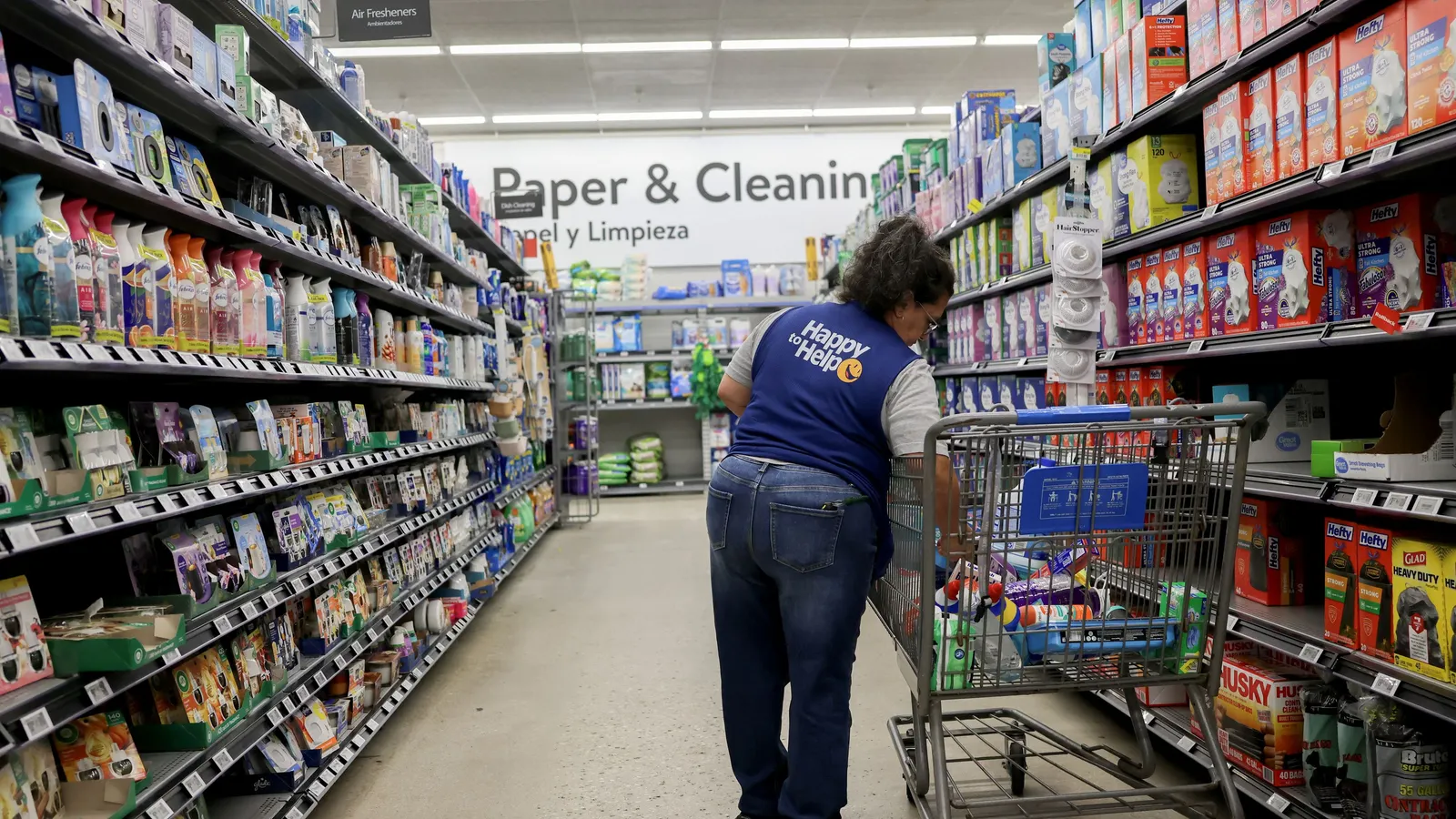
Washington D.C. & Bentonville, AR – [Current Date] – In a seismic shift reverberating through the American retail landscape, several of the nation’s largest big box retailers are recouping staggering sums in refunds for tariffs previously deemed defunct. These multi-billion-dollar windfalls, stemming from the invalidated International Emergency Economic Powers Act (IEEPA) tariffs imposed during the Trump administration, are now fueling diverse strategic maneuvers, from aggressive price reductions to bolstering internal cost structures. The sheer scale of these reimbursements, facilitated by a dedicated Customs and Border Protection (CBP) system, is poised to influence consumer spending, competitive dynamics, and future supply chain decisions across various sectors.
Walmart and Target, two titans of general merchandise, have reported some of the most substantial recoveries, with Walmart alone securing nearly $3 billion. Hot on their heels, home improvement giants The Home Depot and Lowe’s have also seen significant, albeit varied, returns, illustrating the widespread financial impact of these legal reversals. As these colossal sums flow back into corporate coffers, their deployment offers a fascinating insight into the differing priorities and market positions of America’s retail behemoths.
The Unraveling of Trade Policy: A Chronology of Tariffs and Refunds
The narrative of these unprecedented refunds begins with a complex chapter in U.S. trade policy, marked by the imposition of Section 301 tariffs on a vast array of goods imported from China.
The Genesis of the Tariffs: A Bold Stroke of Trade Policy
In 2018, under the administration of President Donald Trump, the United States initiated a series of tariffs on Chinese imports, citing Section 301 of the Trade Act of 1974. This move was predicated on findings by the U.S. Trade Representative (USTR) that China engaged in unfair trade practices, including intellectual property theft, forced technology transfer, and cyber intrusions. While initial tariffs were implemented under the direct authority of Section 301, subsequent escalations, specifically Lists 3 and 4A, were justified by the USTR through the International Emergency Economic Powers Act (IEEPA).
IEEPA grants the President broad powers to regulate international commerce during a national emergency. The Trump administration declared a national emergency regarding the threat posed by China’s economic practices, thus providing a legal framework for expanding the tariffs. These tariffs, ranging from 7.5% to 25% on hundreds of billions of dollars worth of Chinese goods, significantly increased the cost of imports for American businesses, including retailers who sourced a substantial portion of their inventory from China. Businesses either absorbed these costs, passed them on to consumers, or adjusted their supply chains, often at great expense and operational complexity.
The Legal Challenge and Judicial Invalidation
The use of IEEPA to escalate the Section 301 tariffs, particularly Lists 3 and 4A, faced immediate legal challenges from importers who argued that the administration had exceeded its statutory authority. They contended that Section 301 itself provided the scope of presidential power for such actions and that IEEPA could not be invoked to unilaterally expand these powers beyond the specific provisions of the Trade Act of 1974.
The legal battle culminated in a landmark decision by the U.S. Court of International Trade (CIT), which sided with the importers, ruling that the Trump administration had indeed exceeded its authority under Section 301 when implementing the List 3 and 4A tariffs. The CIT found that the USTR’s actions lacked a clear statutory basis for modification or escalation of the tariffs beyond the initial scope outlined in Section 301. This decision was subsequently affirmed by the U.S. Court of Appeals for the Federal Circuit. In a critical development earlier this year, the U.S. Supreme Court declined to hear the government’s appeal, effectively upholding the lower court rulings and cementing the invalidation of these specific tariffs. This refusal by the highest court paved the way for businesses to claim refunds for the duties they had paid on these invalidated imports.
CBP’s CAPE System: Facilitating the Flood of Funds
Responding to the judicial directives, U.S. Customs and Border Protection (CBP) launched a dedicated system in April to manage the unprecedented volume of tariff refunds. Known as the Consolidated Administration and Processing of Entries, or CAPE, this system was designed to streamline the complex process of identifying eligible entries, calculating refund amounts, and disbursing payments to affected companies.
The launch of CAPE marked a pivotal moment for businesses that had been awaiting clarity and restitution for years. Companies across various sectors, having meticulously tracked their tariff payments and filed claims, could now begin to recoup the substantial duties that had weighed on their balance sheets. As of August 21, CBP reported that the CAPE system had processed and paid out an astounding $106.6 billion in IEEPA tariff refunds, underscoring the colossal financial impact these duties had on American commerce and the significant relief now flowing back into the economy. This figure represents one of the largest, if not the largest, trade-related refund operations in U.S. history.
Supporting Data: A Multi-Billion-Dollar Windfall Across Industries
The $106.6 billion distributed via the CAPE system highlights the profound reach of the invalidated tariffs. While general merchandise and home improvement retailers lead the pack in terms of individual payouts, the refunds have touched nearly every sector of the U.S. economy that relies on imported goods.
Aggregate Payouts and Sectoral Impact
The colossal sum disbursed by CBP underscores the extensive financial burden these tariffs had placed on American businesses. This figure reflects payments to thousands of companies, large and small, that had paid duties on products ranging from consumer electronics and apparel to industrial components and raw materials. The broad scope of affected goods meant that companies in diverse sectors, including technology (e.g., Nintendo), e-commerce (e.g., Amazon), manufacturing (e.g., Caterpillar), and consumer goods (e.g., Kimberly-Clark), have all received some level of refund.
For many businesses, these tariffs represented a significant, often unbudgeted, operating cost that either eroded profit margins or was passed on to consumers through higher prices. The refunds, therefore, represent not just a financial recovery but also a potential opportunity for reinvestment, debt reduction, or strategic pricing adjustments.
Retail Giants: A Detailed Look at the Windfalls
Among the myriad beneficiaries, a handful of retail giants have captured the lion’s share of the refunds, demonstrating the immense volume of their import operations and their exposure to the invalidated tariffs.
- Walmart: The world’s largest retailer has secured a staggering $2.9 billion in IEEPA tariff refunds. This colossal sum represents "substantially all" of the tariffs it had paid, as confirmed by EVP and CFO John Rainey. Walmart’s immense global sourcing network and vast inventory of general merchandise made it particularly susceptible to the tariffs, and now a major beneficiary of their reversal.
- Target: Close behind its rival, Target has recouped just under $1 billion, specifically $994 million. EVP and CFO Jim Lee stated that this represents the "significant majority" of the refunds for which the company had applied. Target’s robust import volumes across its diverse product categories positioned it for a substantial return.
- The Home Depot: The leading home improvement retailer received $730 million in tariff refunds. According to EVP and CFO Richard McPhail, the majority of this amount was received near the end of June. Given Home Depot’s extensive inventory of tools, building materials, and home goods, many of which are sourced internationally, this refund provides significant financial flexibility.
- Lowe’s: While also a major player in home improvement, Lowe’s has reported a comparatively smaller initial refund of $80 million. EVP and CFO Brandon Sink clarified that this sum represents only "a smaller portion" of the IEEPA tariffs the company paid, indicating that Lowe’s is actively pursuing additional refunds and expects more funds to be disbursed in the future.
The disparity in refund amounts among retailers like Home Depot and Lowe’s can be attributed to several factors, including the specific categories of goods imported, the volume of those imports, the timing of their tariff payments, and the efficiency of their claims processing. Nevertheless, for all these retailers, these refunds are not merely accounting adjustments but substantial injections of capital.
Official Responses: Diverse Strategies for a Financial Windfall
The varied responses from these retail giants regarding the utilization of their tariff refunds highlight differing strategic priorities, market positions, and financial philosophies. While all welcome the influx of capital, their deployment strategies reveal much about their current competitive environment and long-term objectives.
Walmart: Prioritizing the Consumer Through Price Leadership
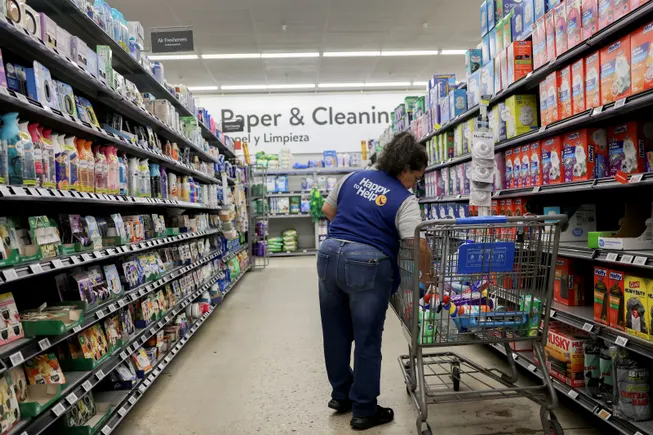
Walmart, having secured the largest reported refund, has been unequivocal in its strategy: invest directly back into the customer experience, primarily through lower prices. Even before the refunds materialized, the company had signaled its intention to use any reimbursements to enhance its "price leadership" strategy, a move echoed by other retailers like BJ’s Wholesale Club and E.l.f. Beauty.
EVP and CFO John Rainey reiterated this commitment during the company’s Q2 earnings call. With "substantially all" of the $2.9 billion in hand, Walmart has already begun channeling this capital into improving customer experience and reinforcing its competitive pricing edge. Rainey specifically noted a prioritization of investments in grocery and general merchandise—categories where price sensitivity is paramount and competition fierce. "Looking forward, our Q3 guidance reflects the continued impact of pricing actions taken in Q2 alongside continued prioritization of tariff refunds and the price investment," Rainey stated. This aggressive approach aims to attract and retain cost-conscious consumers, potentially widening the gap between Walmart and its rivals, especially in an inflationary environment where consumers are increasingly scrutinizing their budgets. For Walmart, the refunds are not just a profit boost but a strategic weapon to solidify its market dominance.
Target: Strategic Financial Management and Future Expectations
Target’s approach to its nearly $1 billion refund is characterized by a more financially conservative, yet strategically sound, method. EVP and CFO Jim Lee confirmed on the retailer’s Q2 earnings call that the company had recorded the $994 million as a direct reduction in its cost of sales. This accounting treatment immediately improves Target’s gross margins and, consequently, its profitability metrics.
While Target did not detail specific, immediate plans for the funds beyond this financial adjustment, Lee emphasized that the company anticipates receiving additional refunds in the future. Critically, Target’s management is keen to ensure that the underlying financial performance of the business is not conflated with these one-time windfalls. "The way I would look at the underlying performance is we are trying to focus on adjusted EPS, excluding the tariff refunds," Lee explained. "We think that’s a better measurement, just especially given the timing of how the refunds are coming through our P&L." This focus on "adjusted EPS" signals a commitment to transparency and a desire to provide investors with a clear picture of core operational health, separate from the temporary boost provided by the tariff refunds. It suggests a more measured integration of the funds into long-term financial planning rather than immediate, public-facing initiatives.
Home Depot: Offsetting Rising Costs and Maintaining Value
The Home Depot has strategically deployed its $730 million refund to counteract persistent inflationary pressures and operational cost increases. EVP and CFO Richard McPhail reported on a Q2 earnings call that the majority of the funds were recognized as a reduction in the cost of goods sold, similar to Target’s approach. The remaining $45 million is expected to impact the P&L as inventory turns over the rest of the year. McPhail indicated that any further refunds would be "immaterial," suggesting the company has largely finalized its recovery.
Crucially, Home Depot is utilizing these reimbursements to "fully offset unplanned cost pressure on fuel, energy and product inputs the rest of the year." This strategy reflects a focus on internal financial stability and margin protection rather than immediate price cuts. McPhail articulated this by noting, "If you think about it, tariff refunds are a market-borne benefit, they’re not unique to The Home Depot. And so you would expect when you see market-borne benefits or market-borne pressures, we are using those benefits to offset costs and the market is seeing that in the form of values that have been maintained through the quarter in the face of a pressured cost environment." This approach allows Home Depot to absorb rising operational expenses without having to raise prices, thereby maintaining competitive pricing and customer value indirectly, even if not through direct, advertised price reductions.
Lowe’s: Mitigating Cost Hikes While Pursuing Further Recovery
Lowe’s, with an initial refund of $80 million, finds itself at a different stage of its tariff recovery compared to its larger rival, Home Depot. EVP and CFO Brandon Sink clarified on a Q2 earnings call that this amount represents "a smaller portion" of the IEEPA tariffs paid, indicating an active pursuit of additional refunds.
In the immediate term, Lowe’s has utilized the funds secured thus far to offset fuel and transportation cost pressures. This mirrors Home Depot’s strategy of addressing internal operational costs. However, Lowe’s leadership has been explicit about not immediately matching competitors who have lowered prices or engaged in aggressive promotions. President and CEO Marvin Ellison stated, "We did not choose then to match some of those promotions because they were not in our financial plan nor did we think it was financially prudent to match them." This reflects a more cautious, deliberate approach, prioritizing the reinforcement of its "value proposition" through careful financial management and the absorption of cost increases, rather than engaging in a potentially unsustainable pricing war. The company anticipates reinvesting any future benefits from additional refunds into "customer-facing actions" that reinforce this value proposition, suggesting a longer-term strategic deployment once more funds are secured.
Implications: Reshaping the Retail Landscape and Beyond
The influx of billions in tariff refunds carries significant implications, not only for the individual retailers but for the broader economic and trade landscape.
Impact on the Retail Competitive Landscape
The immediate impact is most visible in the intensifying retail competition. Walmart’s aggressive strategy of funneling its $2.9 billion refund into price cuts could trigger a domino effect, forcing other retailers, particularly those in the grocery and general merchandise sectors, to reconsider their own pricing strategies. While Lowe’s has initially resisted matching promotions, the sustained pressure from Walmart and potentially Target could compel a shift. This could lead to a period of heightened price competition, ultimately benefiting consumers, at least in the short term. Retailers who are unable to absorb rising costs or pass them on to consumers, without the cushion of tariff refunds, may find themselves at a significant disadvantage.
Consumer Benefit and Inflationary Pressures
The ultimate impact on consumers remains a critical question. While Walmart explicitly aims to lower prices, the strategies of Target, Home Depot, and Lowe’s involve primarily offsetting internal costs or bolstering financial performance. This means that consumers might not always see direct, immediate price reductions across the board. Instead, the benefit could manifest as maintained prices in the face of rising operational costs, preventing further inflationary hikes. In a persistent inflationary environment, the ability of retailers to hold prices steady, even without lowering them, represents a form of consumer benefit by preserving purchasing power. However, the extent to which these benefits are genuinely passed on versus absorbed by corporate margins will be an ongoing point of analysis.
Supply Chain Resilience and Future Sourcing Decisions
For years, the IEEPA tariffs forced many retailers to re-evaluate and diversify their supply chains, often moving production out of China or absorbing increased costs. The invalidation of these tariffs and the subsequent refunds might prompt some reconsideration of sourcing strategies. While the geopolitical landscape and the desire for supply chain resilience will likely prevent a full reversal, the elimination of these tariff burdens removes a significant disincentive for sourcing from previously affected regions. Companies may now have more flexibility in optimizing their global supply networks, balancing cost, risk, and speed more effectively. The refunds themselves could also be reinvested into further strengthening and diversifying supply chains, making them more resilient to future disruptions.
Government Policy and the Precedent Set
The entire episode – from the imposition of tariffs under IEEPA to their eventual judicial invalidation and the massive refunds – sets a crucial precedent regarding the limits of executive power in trade policy. It underscores the importance of statutory authority and judicial review, particularly when emergency powers are invoked to impact international commerce. Future administrations will likely face increased scrutiny when considering similar unilateral trade actions, potentially leading to more deliberate and legally sound policy formulations. The legal clarity gained from this saga could shape the framework for U.S. trade relations for years to come.
Investor Sentiment and Financial Reporting
For investors, the tariff refunds are a mixed blessing. While they represent a significant cash infusion and an immediate boost to profitability metrics (especially for those recording them as cost reductions), they are also a one-time event. Companies like Target, which emphasize "adjusted EPS" excluding the refunds, are attempting to guide investors toward understanding the underlying, sustainable performance of the business. Investors will be closely watching how these funds are ultimately deployed – whether they lead to sustainable competitive advantages, improved long-term profitability, or merely paper over temporary financial challenges. The transparency in reporting these extraordinary items will be crucial for maintaining investor confidence.
In conclusion, the multi-billion-dollar tariff refunds represent a momentous financial event for American retail. While the immediate impact is a welcome boost to corporate balance sheets, the long-term implications will hinge on how these giants strategically deploy their newfound capital. From driving down consumer prices to fortifying operational resilience, these decisions will undoubtedly shape the future of competition, consumer value, and trade policy in the dynamic U.S. market.
About the Author