If you have found yourself bewildered by Dell’s recent laptop branding strategy, you are certainly not alone. The landscape of the company’s consumer and enterprise hardware has been a shifting sea of nomenclature over the past eighteen months. Last year, in a move that caught many industry analysts off-guard, the company executed a radical overhaul of its portfolio. This included the abrupt retirement of the venerable XPS branding—a name synonymous with high-end Windows computing—in favor of a simplified, perhaps overly clinical, tiering system: Dell, Dell Plus, and Dell Pro.
Now, the pendulum has swung once more. The XPS brand has returned with a roar, signaling a pivot back to premium heritage. Simultaneously, the “Dell Plus” moniker has been quietly euthanized. Replacing it is a new duo: the Dell 14S and the Dell 16S. We have spent the last week putting the latter—the 16S—through its paces to determine if this new mid-range productivity workhorse can carve out a meaningful space in a crowded market.
Main Facts: The Evolution of the 16S
The Dell 16S positions itself as a mid-range, productivity-centric device. It is designed to be a reliable everyday workhorse that avoids the astronomical price points of flagship machines while retaining a "premium essence" that appeals to office workers and students alike.
Priced at approximately £1,500, the 16S finds itself in a precarious middle ground. It is significantly more affordable than the XPS 16, which often retails for nearly double the price, yet it is expensive enough to invite scrutiny regarding its build quality and performance. At its heart, our review unit features the latest Intel 300 Series processor, 16GB of LPDDR5X RAM, and a 512GB SSD. While it aims to capture the hearts of the budget-conscious professional, its success will depend on whether it provides a cohesive experience that justifies the four-figure investment.
A Chronology of Dell’s Branding Turmoil
To understand the 16S, one must look at the recent, chaotic history of Dell’s product lines.
- Early 2023: Dell initiates a "simplification" strategy, consolidating its diverse sub-brands into the generic "Dell" hierarchy, effectively killing off the long-standing XPS, Inspiron, and Latitude consumer messaging in favor of "Dell," "Dell Plus," and "Dell Pro."
- Late 2023: Market feedback suggests that customers felt alienated by the loss of legacy brand identity, particularly the prestige associated with the XPS line.
- Early 2024: Dell partially reverses course, reinstating the XPS brand as its ultra-premium flagship tier.
- Mid-2024: The company finalizes its current strategy by introducing the "S" series (14S and 16S) to fill the void left by the scrapped "Plus" line, aiming to provide a bridge between basic home laptops and professional-grade workstations.
This constant shifting has created a "branding fatigue" among consumers, making it difficult for IT procurement managers to track performance tiers accurately. The 16S represents an attempt to stabilize this, providing a clear, if somewhat uninspired, naming convention.
Design and Display: A Tale of Two Aesthetics
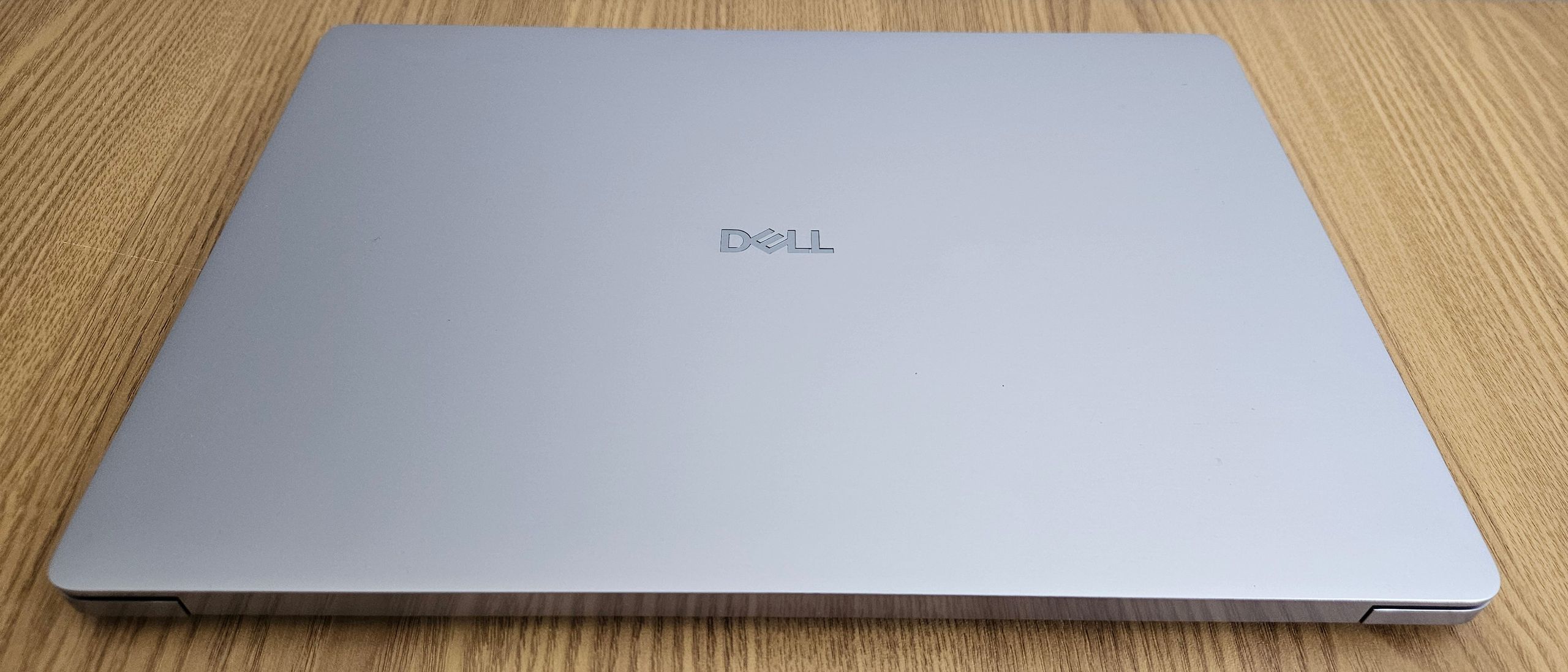
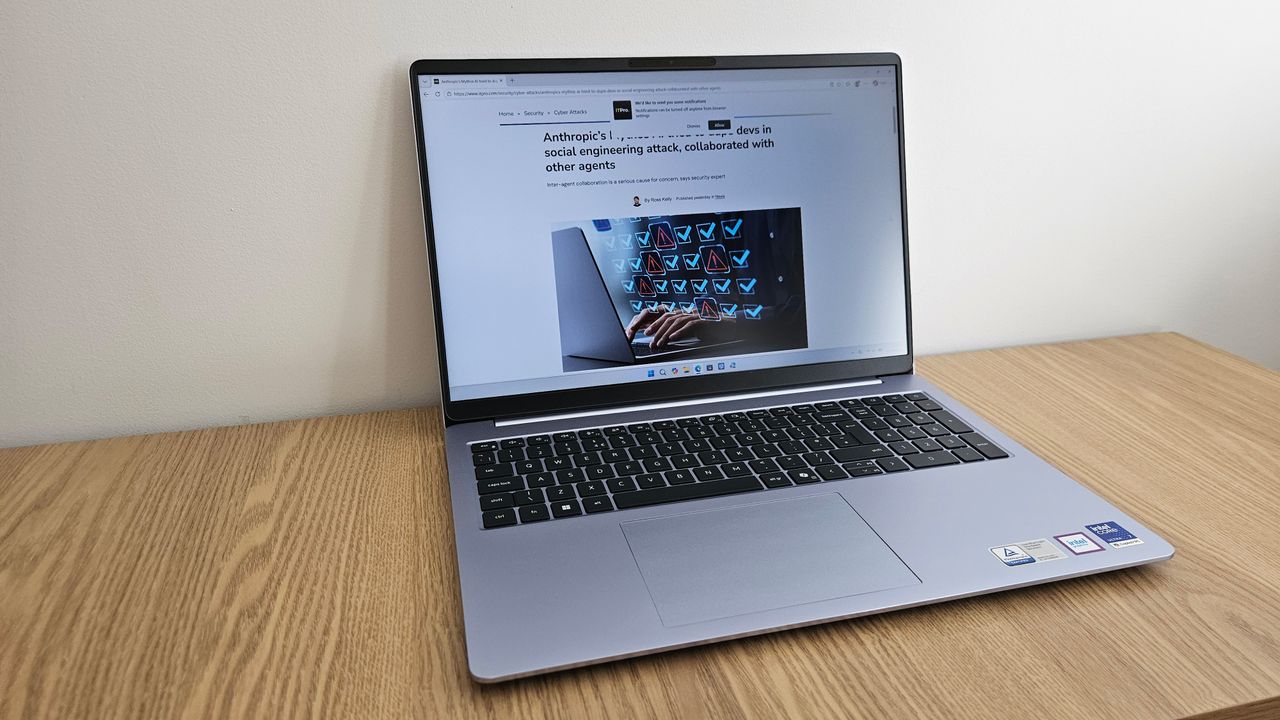
Dell has opted for a "Frost Blue" chassis, which is a departure from the stark, professional greys of previous iterations. It is a cleaner, more approachable look that targets a general audience. However, if that proves too playful for your office aesthetic, a standard grey option remains available.
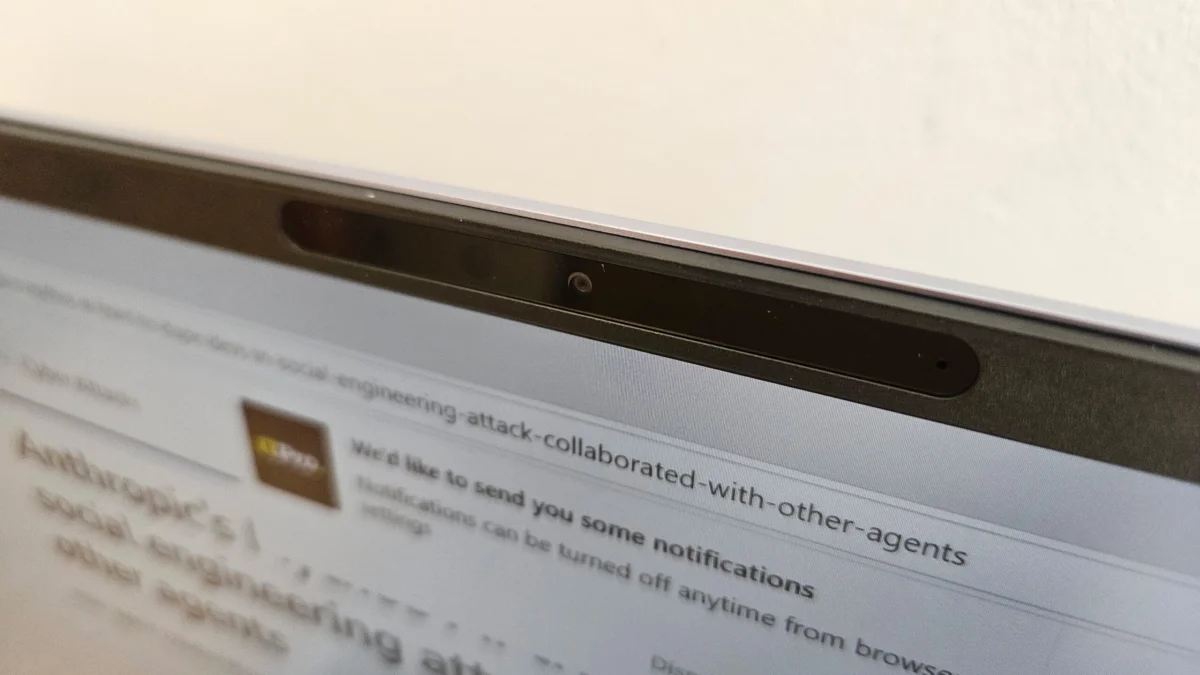
The chassis is constructed from CNC-machined recycled aluminum. It feels robust, with a two-tone finish that adds a touch of character. The contrast between the matte finish on the lid and the reflective metallic lining along the edges is a highlight. However, the machine is not without its design flaws. The keyboard’s charcoal-toned keycaps look somewhat jarring against the lighter blue chassis, and the plastic display bezel—a stark departure from the edge-to-edge glass found on higher-end machines—undermines the "premium" feel.
The display itself is a 16-inch, 2,560 x 1,600-pixel IPS panel with a 120Hz refresh rate. While it is bright enough for indoor office work, registering 352cd/m2 in our testing, its color accuracy is underwhelming. Achieving only 89.1% of the sRGB spectrum and even lower coverage for Adobe RGB and DCI P3, this screen is ill-suited for creative professionals. For spreadsheets and word processing, it is perfectly adequate, but it is among the weakest displays we have seen in this price bracket this year.
Performance and Battery Life: Solid, Not Spectacular
Our configuration, equipped with the Intel Core Ultra 7 355, 16GB of RAM, and Intel Graphics, offers a performance profile that can be best described as "solid."
In Geekbench 6, the machine scored 2,683 (single-core) and 11,052 (multi-core). When compared to the Dell 16 Premium, which utilizes the Intel Core Ultra 7 255H and scores upwards of 16,000 in multi-core tests, the 16S feels somewhat restrained. It is clearly optimized for power efficiency rather than raw, sustained performance.
The most concerning finding during our testing was the SSD write speed. While read speeds were excellent, the write speed bottomed out at 255MB/s—a figure that is, quite frankly, alarming for a machine at this price point. We suspect this may be a component-specific issue, but it is a significant red flag.
On the brighter side, the battery life is a strong selling point. The 16S lasted 12 hours and 57 minutes in our standard video playback loop, outperforming many competitors in the 16-inch category, including several premium models from Lenovo and even earlier iterations of Dell’s own lineup.
Official Responses and Market Positioning
Dell’s official stance on the 16S is that it represents "the essential professional experience." When reached for comment regarding the naming changes and the performance-to-price ratio, a spokesperson noted that the company is "continuously refining its portfolio to meet the evolving needs of the modern, hybrid workforce," emphasizing the integration of the 49TOPS NPU (Neural Processing Unit) to handle upcoming Windows 11 AI features.
The company is banking on the inclusion of an NPU as a "future-proofing" mechanism. While the current implementation of AI in Windows 11 is modest, the hardware capability is there. Whether that is enough to justify a £1,500 price tag when competitors like Acer offer OLED screens and higher-tier processors for only a marginal increase in price is a question the market will likely answer with its wallet.
Implications: Is the 16S for You?
The implications of the Dell 16S release are clear: the company is attempting to capture the middle market through brand reliability rather than cutting-edge specifications.
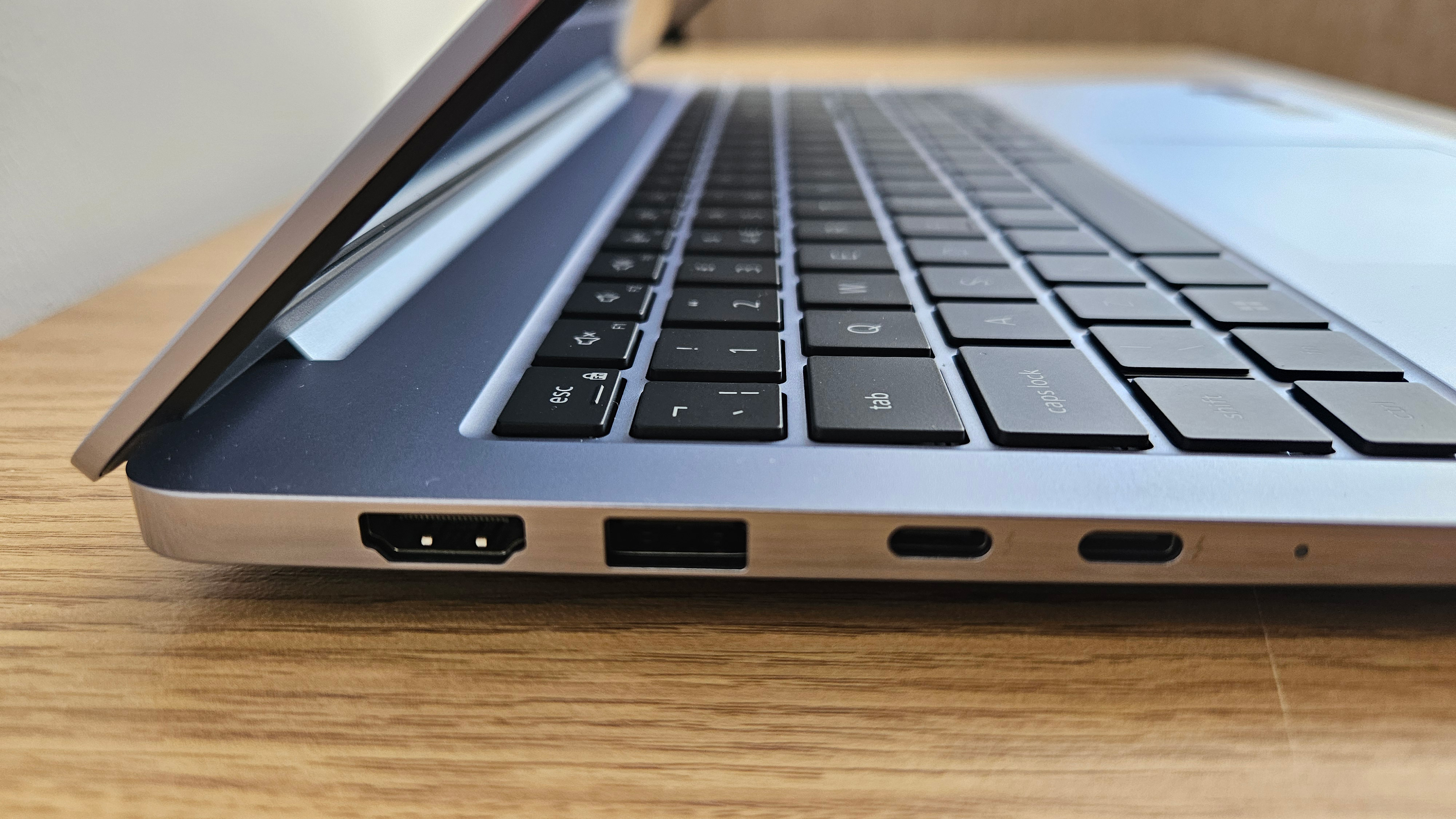
If you are an IT manager looking for a fleet of devices that are physically durable, offer long battery life, and have the necessary port selection (USB-C, HDMI 2.1, and USB-A), the 16S is a viable candidate. The keyboard is comfortable for long-form typing, and the inclusion of Wi-Fi 7 and Bluetooth 6.0 ensures the machine will stay relevant from a connectivity standpoint for several years.
However, for the individual user who expects their laptop to be a "do-it-all" device—covering everything from casual gaming to photo editing—the 16S falls short. The lack of an SD card reader, the underwhelming color accuracy of the screen, and the sluggish SSD write speeds make it difficult to recommend as a primary machine for power users.
Conclusion: The Middle-Ground Trap
The Dell 16S is a laptop caught in the middle of an identity crisis. It is too expensive to be a "budget" device, yet it lacks the display fidelity and raw processing power required to compete with true "pro" machines. Its existence is a direct result of Dell’s attempt to simplify a portfolio that, in its attempt to be simple, became confusing.
Ultimately, the 16S is a perfectly functional, albeit unremarkable, piece of hardware. It boasts a sophisticated chassis and a reliable battery, but it fails to "dazzle." In a market where competitors are pushing the boundaries of what is possible at the £1,500 price point, the Dell 16S feels like a safe, slightly dated choice. It will find a home in corporate environments where Dell’s support infrastructure and physical build quality are the primary concerns, but it is unlikely to turn heads or win awards for innovation. If you require a workhorse, the 16S is up to the task; if you require an experience, you may want to look elsewhere.
About the Author