In the high-stakes world of industrial engineering, the “greenfield” project represents the ultimate professional blank canvas. It is a rare opportunity to build from the ground up, unencumbered by the legacy constraints of aging infrastructure. However, this same freedom brings an extraordinary level of complexity. A greenfield project is a massive, multi-disciplinary orchestration where engineering firms, technology vendors, client stakeholders, and construction teams must converge to manifest a functional, safe, and efficient facility.
At the heart of this convergence lies system integration—the unseen, critical thread that ensures disparate automation systems, networking architectures, vendor packages, and operator interfaces function as a unified organism. While often viewed as a final technical milestone, industry leaders and seasoned project managers increasingly agree: system integration is not a finishing touch. It is a foundational requirement that, when neglected, becomes the primary catalyst for project delays, budget overruns, and operational instability.
The Core Problem: Integration as a Late-Stage Bottleneck
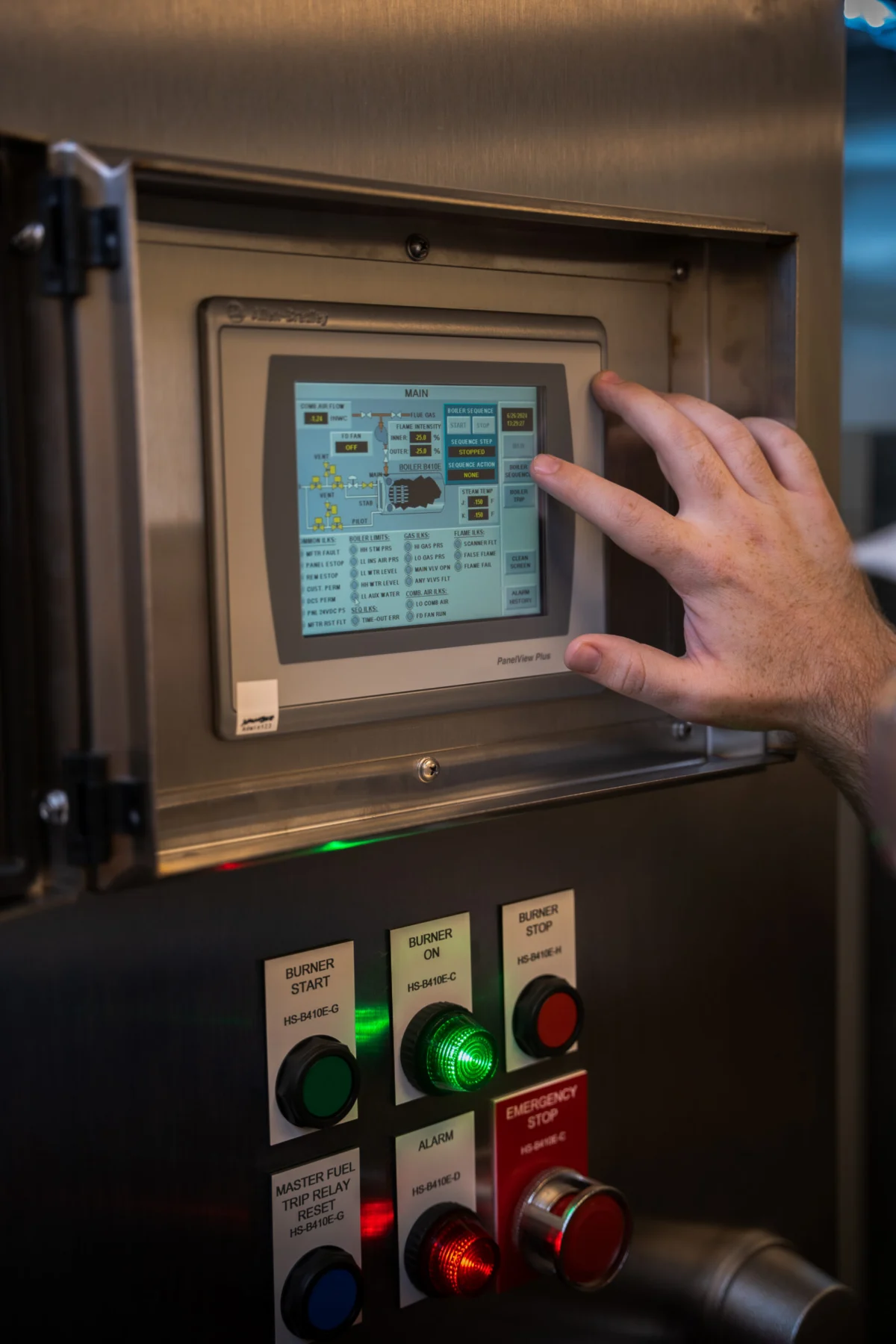
On most industrial projects, the visibility of integration problems is inversely proportional to the time remaining in the schedule. By the time a project reaches the commissioning and startup phase, the process design is locked, equipment is bolted down, and factory acceptance testing (FAT) is a memory. At this late stage, the system integrator is tasked with checking loops, proving interlocks, and bringing graphics to life.
If the integration plan was treated as an afterthought, this is precisely when the “ghosts” of early project phases begin to haunt the site. A communication protocol mismatch between a third-party boiler package and the distributed control system (DCS), a loosely defined data architecture, or a lack of consensus on naming conventions—these are not merely technical glitches; they are fundamental design failures that manifest only when the clock is ticking and the budget is hemorrhaging.
Chronology of an Integration Strategy
To understand why early integration is vital, one must map out the lifecycle of a greenfield project through the lens of systems engineering.
Phase 1: Conceptualization and Definition
During the initial design phase, the focus is on process flow and equipment sizing. This is the window of opportunity. The integration team must engage with process engineers to understand the “why” behind the design. By defining the control philosophy, alarm management strategies, and data visibility requirements now, the team builds a framework that supports future expansion rather than hindering it.
Phase 2: Procurement and Vendor Engagement
As the project moves into the procurement stage, the integration team must act as the bridge between technical specifications and vendor capabilities. Every vendor package—whether a compressor, a water treatment skid, or a cooling system—must be evaluated not just on its mechanical performance, but on its interoperability. Will the local HMI talk to the plant-wide DCS? Does the safety instrumentation system (SIS) share a common data structure? If these questions remain unanswered until the equipment arrives on-site, the resulting rework can be catastrophic to the schedule.
Phase 3: Detailed Design and Configuration
This is the heavy lifting phase. As control narratives are finalized and PLC logic is written, the “operational memory” of the plant is being built. Documentation here is the difference between a project that finishes on time and one that drifts into endless troubleshooting. If a logic change is made in a design review but not captured in the control narrative, that disconnect will inevitably resurface as a critical error during commissioning.
Phase 4: Commissioning and Startup
The final phase is the litmus test. With the commissioning specialists integrated into the planning from the start, the team can move from “fixing things” to “verifying performance.” This is the phase where the effort invested in the first three stages pays dividends.
Supporting Data: The Cost of Disconnected Systems
While project-specific data is often proprietary, industry analysis consistently shows that rework accounts for between 5% and 15% of total project costs in large-scale industrial construction. A significant portion of this rework is directly traceable to “interface gaps”—the spaces between what the process engineer designed, what the vendor provided, and what the control system expects.
For a mid-to-large-scale facility, a delay in startup can cost hundreds of thousands of dollars per day in lost production, not to mention the reputational damage and the loss of stakeholder confidence. Case studies from firms like Hargrove Controls & Automation demonstrate that when integration expertise is brought into the fold during the bid evaluation process, the frequency of site-based integration “surprises” drops by nearly 40%.

The Multi-Dimensional Scope of Integration
Modern industrial facilities are not merely collections of hardware; they are vast, interconnected data networks. The definition of “system integration” has expanded far beyond PLC programming to encompass:
- OT Cybersecurity: Ensuring that the integration of business networks and operational technology (OT) does not create backdoors for threats.
- Data Architecture: Defining how information flows from field sensors to the historian and, ultimately, to the boardroom, ensuring that data is not just collected, but actionable.
- Alarm Management: A critical safety component that dictates how operators interact with the system during process upsets.
- Enterprise Asset Management (EAM): Ensuring that the control system can communicate with maintenance software to trigger predictive work orders.
When these systems are treated as silos, they collide. For instance, an attempt to move process data to a business network via a simple USB drive may be convenient, but it represents a catastrophic failure of security policy. Conversely, integrating cybersecurity at the design level ensures that network segmentation, user access policies, and data flow remain secure without sacrificing operational agility.
Insights from the Field: The Importance of Operational Memory
Documentation is the operational memory of a plant. In long-term greenfield projects—which can span three to five years—the original design team often turns over. If the design basis is not meticulously documented, the “tribal knowledge” of why certain control loops were tuned a certain way or why specific interlocks were included vanishes.
Clear, traceable documentation ensures that when an operator asks, “Why does the system behave this way?” there is a definitive, agreed-upon design basis to reference. This is not just administrative; it is a critical safety and operational requirement.
Implications for Future Engineering Teams
The implications for engineers are clear: the era of the “siloed” specialist is ending. To succeed in the modern greenfield environment, the following priorities must be adopted:
1. Structure for Cross-Discipline Communication
Integration is a team sport. Establish clear, formal communication channels between the process, electrical, instrumentation, IT, and automation teams. Integration considerations must be standing agenda items in all design reviews.
2. Protect Continuity
The turnover of key personnel is a silent killer of integration. Where possible, maintain continuity in key roles. The knowledge of how a specific vendor’s hardware behaves under load is an asset that cannot be replaced by a manual or a schematic.
3. Design for Day One
Always ask the question: How will this function on the first day of production? This means involving startup and commissioning experts in the design phase. They bring a pragmatic, “boots-on-the-ground” perspective that can identify design flaws that look perfect on paper but are impossible to operate in reality.
Conclusion: Orchestrating the Startup
Ultimately, the goal of a greenfield project is a seamless, safe transition to operational status. When integration planning begins at the inception of the project, it transforms from a series of stressful, late-night fire drills during commissioning into a methodical, predictable execution.
By prioritizing early communication, robust documentation, and a holistic view of the plant’s data and security architecture, project teams can ensure that the facility is not just built, but truly integrated. When the start button is finally pushed, the result should not be a scramble to fix errors, but the smooth, confident operation of a system designed to perform. In the final analysis, the success of a greenfield facility is determined long before the first piece of hardware is installed—it is determined by the planning that happens when the project is still nothing more than a vision on a whiteboard.
About the Author