In an era where sophisticated cargo theft syndicates operate with near-military precision, the ability of local law enforcement to pivot and coordinate across jurisdictions has become the most effective weapon against freight crime. A recent operation in Arizona serves as a textbook example of this necessity, resulting in the recovery of approximately $400,000 in stolen merchandise through a high-stakes, multi-agency effort that spanned two major interstate corridors.
The operation, which began as a routine investigation into a single stolen shipment in northern Arizona, quickly evolved into a dual-pronged strike involving the Coconino County Sheriff’s Office and the Phoenix Police Department. By leveraging real-time data and cross-departmental communication, investigators successfully dismantled a coordinated theft attempt before the assets could vanish into the black market.
The Genesis of the Operation: A Single Alert
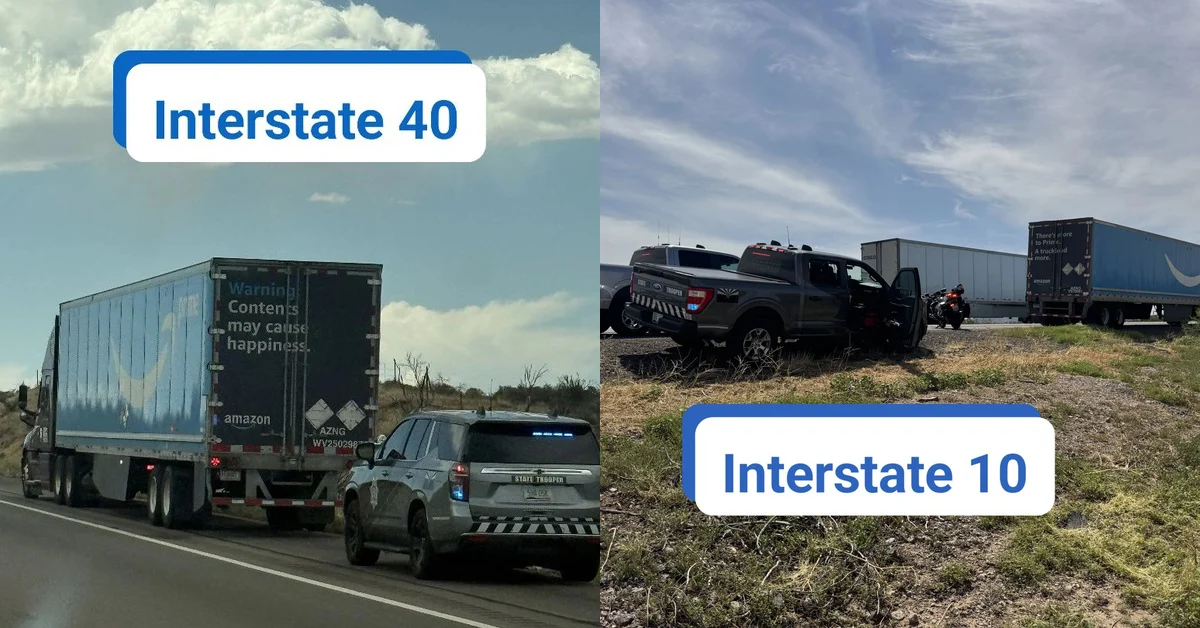
The incident began when Detective Curtis Peery of the Coconino County Sheriff’s Office received an urgent alert regarding a stolen cargo shipment currently in transit through the northern region of the state. Utilizing his tactical training and local intelligence, Peery focused his efforts on Interstate 40, one of the primary arteries for commercial freight in the United States.
Within a short window of time, Peery successfully identified a vehicle matching the description of the stolen trailer. Rather than acting impulsively, Peery engaged in standard investigative due diligence, transmitting identifying information back to the cargo owner to confirm that the trailer was indeed the one reported missing. This confirmation was the critical "force multiplier" that the investigation required.
Once the company confirmed the trailer was stolen, they provided an additional, startling piece of intelligence: another stolen load was currently being tracked near the Phoenix metropolitan area, traveling along the Interstate 10 corridor. This information immediately transformed a localized recovery mission into a complex, multi-highway interdiction operation.
Chronology of a Coordinated Strike
With two stolen trailers moving simultaneously along different routes, the margin for error was razor-thin. Peery, while managing the logistical requirements for his team in northern Arizona, recognized that he could not effectively oversee an interception near Phoenix without compromising the security of the primary target.
He reached out to Sgt. Jeffrey Gordon of the Phoenix Police Department, providing him with specific telemetry and identifying markers for the second truck. The coordination between Peery and Gordon proved to be the linchpin of the operation. While Peery readied his team to intercept the I-40 vehicle, Gordon immediately mobilized Arizona state troopers to track and secure the I-10 target.
The sequence of events unfolded with remarkable synchronization:
- Initial Contact: Phoenix-based units, acting on information relayed by Peery and coordinated by Gordon, initiated a stop on the Interstate 10 vehicle near Phoenix.
- The Northern Maneuver: Roughly 20 minutes after the first truck was secured, Detective Peery and his team successfully intercepted the original target on Interstate 40.
- Consolidation: With both trucks safely off the road, authorities moved to secure the cargo and detain the suspects involved in the transport of the stolen goods.
The Value of Industry-Specific Training
A notable aspect of this operation was the professional background of Sgt. Jeffrey Gordon. Gordon is a graduate of the FreightWaves Certified Fraud Compliance Officer (CFCO) course—a specialized program designed to bridge the gap between traditional law enforcement and the nuances of the supply chain industry.
In a post-operation reflection shared on LinkedIn, Gordon highlighted that his CFCO training was instrumental in how he handled the investigation. "This works for cops too," Gordon remarked, noting that the training provided him with the necessary vocabulary and industry context to ask the right questions of the freight company’s dispatchers and loss-prevention teams.
By understanding the "language" of logistics—including bill-of-lading protocols, freight brokerage chains, and common fraud indicators—Gordon was able to streamline communication between the Phoenix Police Department and the investigators on the ground. This highlights a growing trend in modern policing: as criminal enterprises become more tech-savvy and industry-specialized, law enforcement agencies are increasingly seeking out specialized certifications to better serve the commercial sector.
Broader Implications for the Freight Industry
The $400,000 recovery is a significant win, but the implications of this case extend far beyond the dollar value of the goods. Cargo theft is a growing epidemic that plagues shippers, carriers, and insurers alike. When cargo moves across jurisdictions, it often enters a "blind spot" where tracking becomes difficult and inter-agency cooperation can lag.
This Arizona case demonstrates that when communication is prioritized, those blind spots can be closed. By acting as a central hub for information, Detective Peery and Sgt. Gordon proved that modern crime fighting requires an ecosystem approach. The speed with which the information traveled from a private company to a detective in the north, and then to a sergeant in the south, highlights how digital transparency can be weaponized against criminal syndicates.
Furthermore, this incident underscores the importance of the "Certified Fraud Compliance Officer" model. As cargo theft becomes more sophisticated—often involving identity theft, double brokering, and high-tech tracking—law enforcement officers who understand the underlying mechanics of the freight market are far more likely to achieve successful outcomes.
Challenges and Future Outlook
Despite the success of this operation, significant questions remain. As of the time of reporting, authorities have not released the specific identities of the suspects, nor have they detailed the specific commodities found within the trailers. These details are often withheld during the early stages of an ongoing investigation to protect the integrity of the case and ensure that all members of the theft ring can be identified.
Additionally, while the trailers were recovered, the investigation into the origins of the thefts continues. Investigators are working to determine if these thefts were isolated incidents or part of a larger, organized crime network operating in the Southwest. The ease with which these trucks were moved suggests a level of planning that is characteristic of organized crime.
FreightWaves continues to monitor the situation, as the recovery of $400,000 in assets is only the first step in a long legal process that will likely involve federal cooperation and deep-dive forensic accounting to trace the money and the organizers behind the drivers.
Conclusion: Lessons for Law Enforcement and Shippers
The recovery of two separate loads of stolen freight in under 20 minutes is not a coincidence; it is the result of deliberate, proactive cooperation. For law enforcement agencies, the takeaway is clear: the ability to communicate across county and city lines, bolstered by industry-specific knowledge, is the most effective defense against modern cargo theft.
For the freight industry, this case serves as a reminder of the value of proactive loss prevention. Companies that maintain accurate, real-time tracking data and have clear protocols for contacting local law enforcement are far better positioned to recover their assets. When the private sector and public law enforcement agencies work in tandem—as they did in Arizona—the "cost of doing business" for cargo thieves increases exponentially, potentially serving as a deterrent for future attempts.
As the industry looks toward upcoming events like the Brokerage Compliance Symposium in Chattanooga, the focus remains on equipping professionals—both in the private sector and in law enforcement—with the tools to prevent, track, and recover stolen freight. In the fight against cargo theft, information remains the most valuable currency of all.
About the Author