As the global race toward net-zero emissions intensifies, Microsoft has positioned itself not merely as a participant, but as the primary architect of the emerging carbon dioxide removal (CDR) industry. While many corporations have leaned on traditional—and often criticized—carbon offsets to balance their ledgers, the Redmond-based tech giant has pivoted toward a high-stakes, high-quality investment strategy. According to recent data from CDR.fyi, Microsoft’s appetite for carbon removal now dwarfs that of any other corporation on earth, having purchased five times more removal credits than the next ten largest buyers combined.
However, this aggressive procurement strategy faces a formidable opponent: the company’s own growth. The rapid expansion of artificial intelligence (AI) and cloud computing has triggered a surge in energy demand and infrastructure construction, leading to a 25% increase in Microsoft’s total emissions over the past year. This paradox—investing billions to remove carbon while simultaneously increasing its footprint—raises critical questions about the feasibility of Microsoft’s goal to be carbon negative by 2030.
Main Facts: A Market-Dominating Portfolio
Microsoft’s approach to carbon management is defined by three pillars: unprecedented scale, technological rigor, and radical transparency. Unlike traditional offsets, which often pay to prevent emissions (such as protecting a forest that might have been cut down), CDR focuses on removing carbon that is already in the atmosphere and sequestering it for long periods.
Unrivaled Scale
Microsoft’s dominance in the CDR market is absolute. By contracting for millions of tons of removal, the company provides the "demand signal" necessary for startups to secure financing and scale their operations. In its latest sustainability update, the company revealed it had contracted for a staggering 45 million tons of removals to be delivered over the coming years. This includes massive deals in direct air capture (DAC), bioenergy with carbon capture and storage (BECCS), and nature-based solutions.
The Quality Pivot
The company has recently highlighted four key projects totaling 6 million credits that exemplify its new "quality first" philosophy. These projects span various methodologies:
- Mombak (Brazil): Large-scale reforestation in the Amazon using dynamic baselines and drone monitoring.
- Indigo Carbon (USA): Soil carbon sequestration through regenerative agriculture.
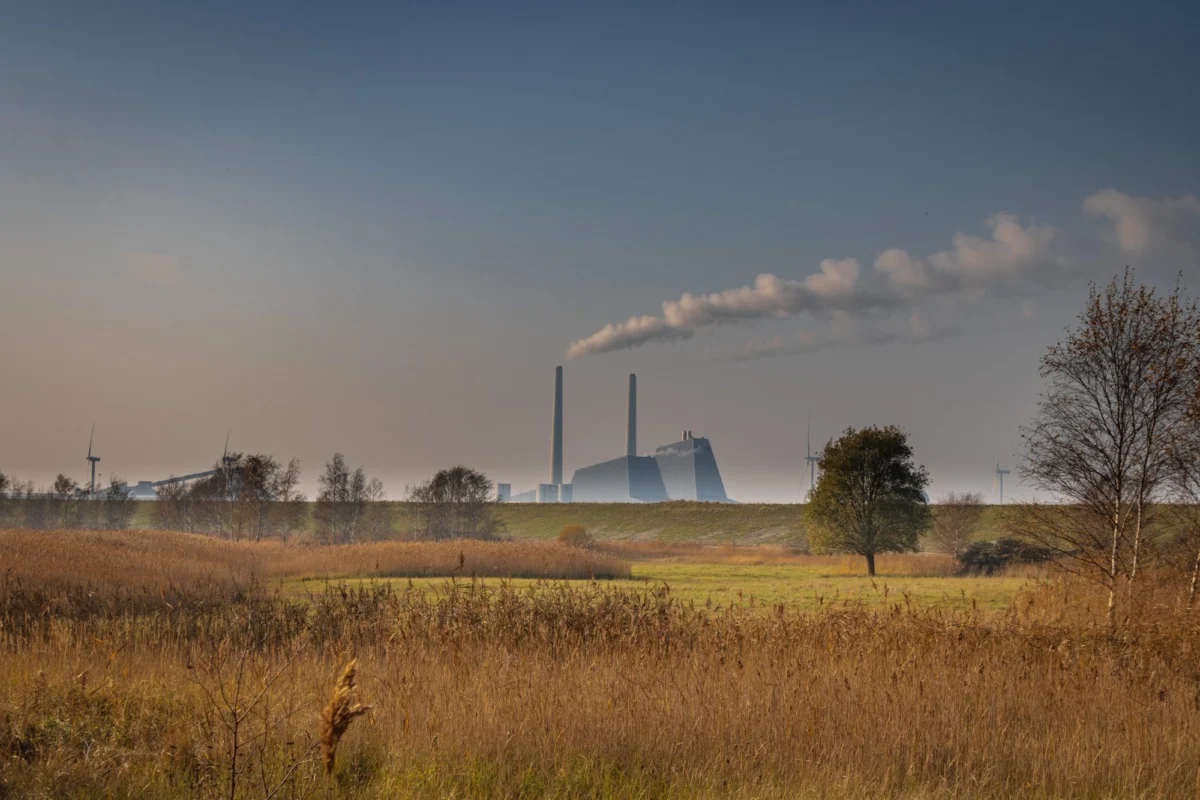
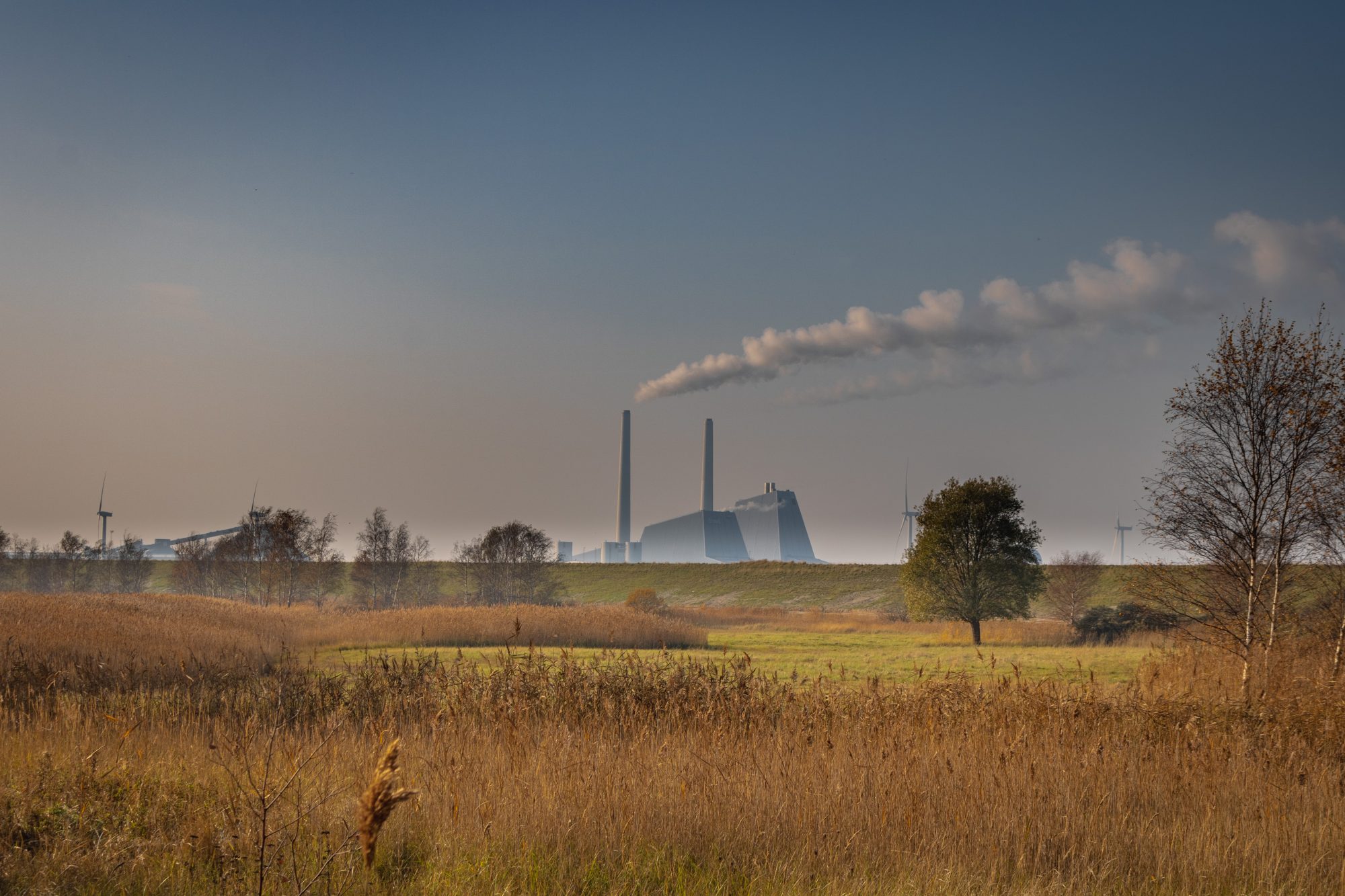
- Ørsted (Denmark): Industrial carbon capture at the Avedøre Power Station.
- Sustainable Timber: Managed forests that utilize market-based tracking to ensure carbon remains stored in long-lived wood products.
Transparency as a Tool
Microsoft has taken the unusual step of open-sourcing its procurement criteria and project evaluations. By sharing the "why" behind their investments, they are effectively drafting the rulebook for a nascent market that has been plagued by greenwashing scandals and lack of standardization.
Chronology: The Path to 45 Million Tons
Microsoft’s journey from a standard corporate emitter to a carbon removal pioneer has been marked by several pivotal moments.
- January 2020: The Moonshot Announcement. Microsoft CEO Satya Nadella announced the company’s goal to become carbon negative by 2030. More ambitiously, the company pledged to remove all of its historical emissions—dating back to its founding in 1975—by 2050.
- 2021-2022: The Learning Phase. The company began issuing RFPs (Requests for Proposals) for carbon removal. During this period, Microsoft leadership admitted that the global supply of high-quality CDR was nearly non-existent, leading them to invest in early-stage technologies.
- May 2024: The Carbon Direct Partnership. Microsoft collaborated with the carbon management firm Carbon Direct to publish rigorous guidelines for agricultural biomass sourcing. This was a response to growing concerns that bioenergy projects could inadvertently lead to deforestation.
- July 2024: The Sustainability Conflict. Microsoft released its 2024 Environmental Sustainability Report. While it celebrated contracting for 45 million tons of CDR, it also admitted to a 25% jump in emissions since 2020, primarily due to the construction of data centers to support the AI boom.
- Late 2024: Contractual Milestones. The company finalized major contracts, including a 2.9 million credit deal with Indigo Carbon and a 1 million ton agreement with Ørsted in Denmark, signaling a shift from experimental pilots to industrial-scale procurement.
Supporting Data: Measuring the "AI Tax"
The data surrounding Microsoft’s carbon journey reveals a complex tug-of-war between environmental ambition and industrial reality.
The Removal Leaderboard
Data from CDR.fyi illustrates Microsoft’s market-making role. While other tech peers like Google and Meta are active, Microsoft’s volume is an order of magnitude higher. This concentration of buying power means that Microsoft’s internal standards for "what counts" as a credit are becoming the de facto global standards.
The Emissions Spike
The most startling data point in Microsoft’s 2024 report was the 25% increase in total emissions. This is largely attributed to "Scope 3" emissions—the indirect emissions that occur in a company’s value chain. For Microsoft, this means the carbon-intensive steel, concrete, and silicon required to build the massive data centers housing Nvidia GPUs.
The 2030 Math
Originally, Microsoft estimated it would need to retire approximately 6 million carbon removal credits in the year 2030 to achieve its carbon-negative goal. However, with the 25% increase in the baseline, analysts now suggest that number will likely need to double or triple. If emissions continue to climb alongside AI demand, the volume of CDR required may exceed the total global capacity of the industry.
Official Responses: Strategy and Standards
Microsoft’s leadership has been vocal about the challenges they face, framing their failures as "learnings" for the rest of the industry.
On Market Standards:
In its recent disclosures, Microsoft emphasized the shift toward "Dynamic Baselines." Traditional projects used static estimates of what would happen if a project didn’t exist. "If baselines are unrealistically low, projects can issue more credits than they should," the company noted. By using control areas and real-time monitoring (such as drones and satellite imagery), Microsoft claims its newer nature-based projects are far more accurate than the "phantom credits" of the past.
On Biomass Risks:
Regarding the Ørsted project in Denmark, Microsoft addressed the "extractive risk" of bioenergy. Critics argue that burning biomass can lead to forest clearing. Microsoft responded by stating that the Danish regulations covering the Avedøre project are strictly aligned with the sustainable sourcing guidelines they co-developed with Carbon Direct, ensuring only crop residues—not primary forests—are used.
On the AI Challenge:
Microsoft President Brad Smith has acknowledged that the AI revolution has "moved the goalposts" for the 2030 target. The company maintains that while the challenge is greater, the solution remains the same: accelerating the transition to carbon-free energy for data centers and scaling the CDR market to handle the remaining emissions.
Implications: A High-Wire Act for the Tech Sector
The implications of Microsoft’s strategy extend far beyond its own balance sheet. As the world’s largest buyer of carbon removals, Microsoft is essentially underwriting the birth of a new sector of the global economy.
1. Setting the Price Floor
By signing long-term "offtake" agreements, Microsoft is providing the price certainty that CDR startups need to get bank loans. This is crucial for "Hard-Tech" removals like Direct Air Capture, which currently cost hundreds of dollars per ton. Microsoft’s volume helps drive these costs down the "experience curve," making the technology affordable for smaller companies in the future.
2. The Verification Revolution
Microsoft’s move toward "measure and model" approaches—combining physical soil samples with AI-driven modeling—is setting a new bar for MRV (Monitoring, Reporting, and Verification). If Microsoft can prove that these methods prevent fraud, it could restore confidence in a carbon market that has been battered by investigative reports and plummeting prices for low-quality credits.
3. The "Additionality" Debate
The biggest risk remains "additionality"—the proof that the carbon removal wouldn’t have happened without Microsoft’s money. As the company moves into sustainable timber and agriculture, the lines become blurred. Is Microsoft paying for a change in behavior, or simply subsidizing existing sustainable practices? The company’s focus on "dynamic baselines" is an attempt to solve this, but skeptics remain.
4. The 2030 Credibility Gap
Ultimately, Microsoft’s reputation is on the line. If the company fails to hit its 2030 goal due to the AI-driven emissions spike, it will be a signal to the rest of the corporate world that even with unlimited resources and the best intentions, "decoupling" growth from emissions remains an unsolved puzzle.
Microsoft’s journey highlights the central tension of the 21st-century economy: the drive for technological transcendence via AI versus the physical limits of a warming planet. By purchasing 45 million tons of carbon removal, Microsoft is betting that human ingenuity can clean up the mess created by its own expansion. Whether that bet pays off will be the defining story of corporate sustainability in this decade.
About the Author