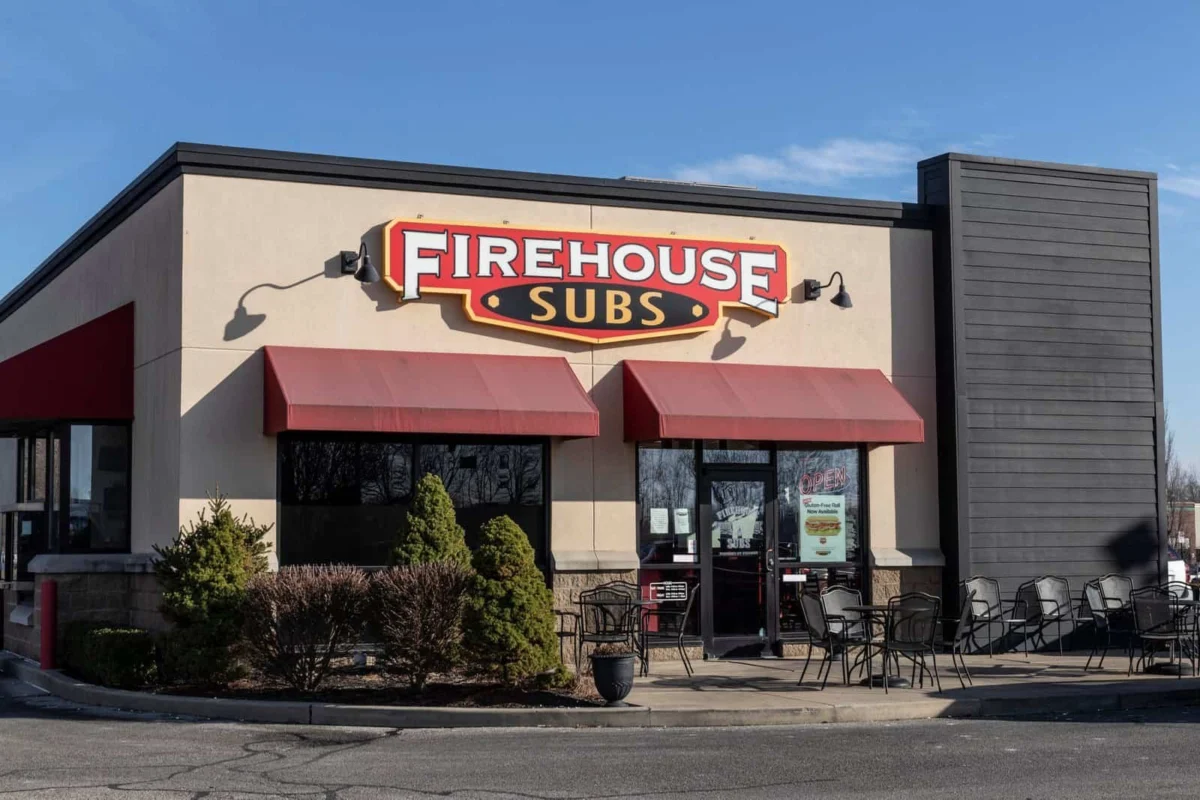
In a move that signals a strategic pivot toward accelerated growth and modernized consumer engagement, Firehouse Subs has officially appointed Carolina Berti as its new Chief Marketing Officer (CMO) for its U.S. and Canadian operations. The appointment, announced this week, positions Berti at the helm of the brand’s marketing, menu innovation, and loyalty strategy at a critical juncture in the company’s history as it seeks to scale its footprint within the competitive quick-service restaurant (QSR) sector.
Berti, a seasoned veteran of the food and beverage industry, joins Firehouse Subs following a nearly decade-long tenure at Tim Hortons—a sister brand under the Restaurant Brands International (RBI) corporate umbrella. Her arrival is viewed by industry analysts as a deliberate "talent rotation" strategy by RBI, designed to infuse the sandwich chain with the high-velocity product innovation and digital engagement tactics that fueled Tim Hortons’ sustained success.
The Architect of Growth: A Proven Track Record
Carolina Berti’s transition to Firehouse Subs is not merely a change in title; it is a transfer of a high-performing playbook. During her time at Tim Hortons, Berti served in various senior capacities, most recently as the Vice President of Marketing and Innovation. Her tenure was marked by a period of remarkable stability and growth, characterized by 17 consecutive quarters of positive sales—an outlier performance in the volatile post-pandemic landscape.
Berti’s methodology at Tim Hortons centered on a rigorous approach to product development. She oversaw the launch of more than 100 products, balancing core menu staples with experimental limited-time offers (LTOs) that drove traffic and increased frequency among the brand’s core demographic. By bridging the gap between creative culinary development and data-driven market insights, she helped Tim Hortons navigate shifting consumer preferences, including the move toward premium coffee and healthier, portable snack options.
At Firehouse Subs, the mandate is clear: translate that same discipline into the sandwich category. As the brand looks to differentiate itself from massive incumbents like Subway and specialized competitors like Jersey Mike’s and Jimmy John’s, Berti’s expertise in "menu engineering" will be the primary lever for growth.
Chronology of a Challenger Brand
Founded in 1994 by brothers and former firefighters Chris and Robin Sorensen in Jacksonville, Florida, Firehouse Subs was built on the ethos of quality ingredients—specifically their signature steamed meats—and a commitment to community service through the Firehouse Subs Public Safety Foundation.
- 1994–2010: The brand undergoes a period of steady regional expansion, building a loyal following in the Southeast United States.
- 2011–2020: Firehouse Subs gains national recognition, scaling to over 1,000 locations. The brand invests heavily in its proprietary loyalty app and digital ordering infrastructure.
- 2021: A watershed moment occurs when Restaurant Brands International (RBI) acquires Firehouse Subs for approximately $1 billion in an all-cash transaction. This move brings the brand into a portfolio that includes Burger King, Popeyes, and Tim Hortons.
- 2022–2023: Under RBI’s ownership, Firehouse Subs initiates a global development strategy, targeting key markets in Latin America and Europe.
- 2024: The appointment of Carolina Berti marks the beginning of a "Phase Two" growth strategy, focusing on operational synergy and aggressive international footprint expansion.
Supporting Data: The Competitive Landscape
The current sandwich market in North America is characterized by extreme fragmentation. While Subway remains the dominant force by volume with over 20,000 U.S. locations, its market share has faced pressure from "better-for-you" and premium deli-style chains.
Firehouse Subs currently operates just over 1,200 units. While this puts it in a challenger position, the brand benefits from high per-unit volumes compared to many of its peers. RBI’s broader corporate goal is to reach a total of 40,000 restaurants across all its brands by the end of the decade. For Firehouse to contribute meaningfully to this goal, it must scale its operations without diluting the brand identity that has historically driven customer loyalty.
Furthermore, the QSR sector is currently locked in an "arms race" regarding loyalty programs. According to recent industry reports, customers are increasingly prioritizing digital convenience and personalized rewards. Berti’s background in high-frequency coffee and snack markets—where loyalty apps are the primary engine of customer retention—will be essential as Firehouse looks to increase the lifetime value of its guest base.
Official Responses and Corporate Strategy
Mike Hancock, President of Firehouse Subs, emphasized that the decision to hire Berti was driven by a need to synthesize business rigor with brand storytelling. "Carolina brings a unique blend of creativity and sharp business acumen that is essential for writing the next chapter of our brand," Hancock noted in a press release. "Her leadership will be instrumental as we continue to innovate our menu and deepen our connection with guests through our digital channels."
The appointment also highlights a broader shift within RBI’s internal culture. By moving senior leaders between its portfolio brands, RBI is creating a "cross-pollination" effect. The strategy is to apply the lessons learned from the high-frequency coffee business—specifically speed of service, breakfast daypart expansion, and mobile-first loyalty—to the sandwich segment.
For Berti, the challenge lies in maintaining the emotional resonance of the Firehouse brand while adopting a more systematic, data-heavy approach to marketing. "I am thrilled to join the Firehouse Subs team," Berti said in a statement. "The brand has a powerful legacy and a clear mission, and I look forward to working with our franchisees to deliver the kind of menu innovation and guest experience that will drive our next phase of growth."
The Modern CMO: A Triple-Threat Role
The role of the CMO has undergone a radical transformation in the last five years. No longer relegated to "communications and creative," the modern CMO is effectively a Chief Growth Officer. At Firehouse Subs, Berti’s portfolio encompasses three critical pillars:
- Menu Development: Moving beyond traditional recipes to incorporate modern trends, such as plant-based alternatives and regional flavor profiles, while maintaining operational efficiency.
- Digital Guest Engagement: Optimizing the mobile app, managing the loyalty program, and leveraging first-party data to personalize marketing offers.
- Brand Positioning: Ensuring that the "Firefighter" heritage and community-service aspect of the brand remains front-and-center, even as the company scales to thousands of international locations.
This integration is vital. In a market where labor costs are rising and food costs remain volatile, marketing can no longer be a standalone expense. Every campaign and every new menu item must be mathematically optimized to improve store-level profitability for franchisees.
Implications for the Future: What to Watch
As Firehouse Subs moves into this expansion phase, several key indicators will determine the success of this leadership transition:
- Franchisee Relations: With new incentive packages in place, the brand must ensure that its growth targets do not overwhelm its operators. How Berti communicates the value of new marketing initiatives to the franchise base will be critical.
- International Performance: The target of 500 locations in Brazil and 100 in Mexico represents a significant cultural test for the brand. Can the Firehouse value proposition translate effectively in international markets?
- Loyalty Conversion: Look for shifts in how Firehouse utilizes its digital platform. Increased frequency through personalized, AI-driven offers would be a clear sign that Berti’s influence is taking hold.
The appointment of Carolina Berti is more than a routine executive shuffle; it is a clear statement of intent from Restaurant Brands International. By placing a seasoned, high-performing leader at the helm, Firehouse Subs is signaling that it is no longer satisfied with being a regional favorite. The brand is preparing for a period of hyper-growth, and it is betting that the alignment of product, loyalty, and brand narrative under one strategic umbrella will be the differentiator that secures its future in the crowded, high-stakes world of quick-service dining.
About the Author