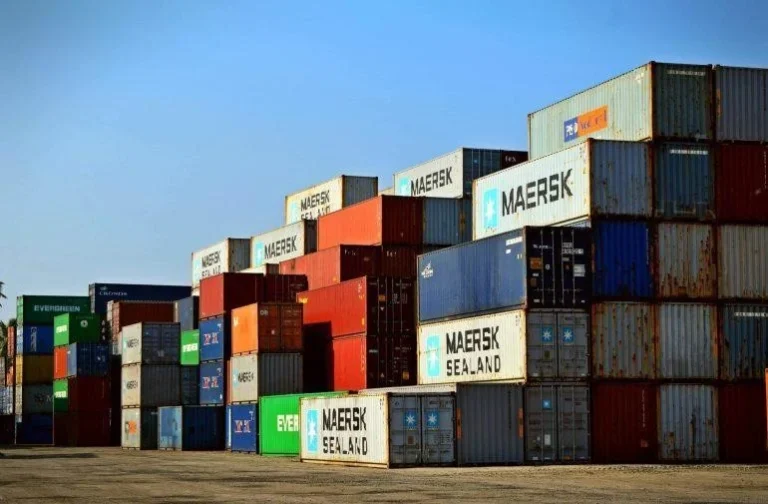
The global maritime logistics sector is currently grappling with a "perfect storm" of logistical bottlenecks, weather-induced delays, and geopolitical friction. Container freight charges from East Asia to the United States have crept upward this week, settling at price points not witnessed since the mid-2022 pandemic-era peak. As port congestion ripples through the global supply chain, the industry is witnessing a paradoxical scenario: while fleet capacity is expanding, the effective availability of that capacity is being strangled by inefficient vessel turnover and unprecedented queuing.
The State of Play: Record Queues and Stranded Capacity
According to data released by shipping analytics firm Linerlytica, the global logistics network is currently under immense strain. Over 4.3 million twenty-foot equivalent units (TEU) are presently trapped in queues at global container ports. This figure, while stark, represents more than just a bottleneck; it signifies a systemic failure to keep pace with the velocity of modern trade.
This volume of idle capacity has officially eclipsed the previous record of 4.0 million TEU, set during the height of the COVID-19 pandemic in 2022. To put this in perspective, this stranded capacity accounts for 12.6% of the global fleet, which now totals 34.4 million TEU. While this percentage is numerically lower than the 15.7% peak seen in 2022, the sheer scale of the current fleet—having grown significantly since then—means the absolute volume of disrupted cargo is higher than ever.
The primary catalyst for this current congestion is a series of severe weather events in East Asia, which have disrupted vessel schedules, creating a "domino effect" that is being felt across transpacific trade lanes.
Chronology of the Disruption
The current volatility is not an isolated event but the culmination of several months of escalating pressure.
- Mid-2024: Geopolitical tensions, particularly regarding the conflict in the Middle East, began to force rerouting of vessels, adding significant transit time and costs.
- Late Summer 2024: Severe storms in East Asia hit major manufacturing hubs, forcing port closures and vessel delays. This was compounded by the ongoing water-level issues at the Panama Canal, which have necessitated further transit slot reductions.
- September 2024: The Shanghai Containerized Freight Index (SCFI) began its fifth consecutive weekly rise, marking a distinct reversal from a three-week decline earlier in the summer.
- Current Week: Freight rates to the U.S. West Coast have stabilized between $6,300 and $7,500 per forty-foot equivalent unit (FEU), while East Coast routes remain significantly higher, ranging from $8,200 to $10,500 per FEU.
Supporting Data: Dissecting the Freight Indices
The divergence in reports from industry analysts highlights the complexity of the current market.
Freightos, an online logistics platform, reported a 1% increase in rates to the West Coast and a 2% rise to the East Coast. Judah Levine, head of research at Freightos, attributes this persistent strength to a combination of solid consumer demand and aggressive capacity management by carriers. By proactively cutting capacity—through "blank sailings"—carriers have successfully propped up rates even when demand signals appear mixed.
Conversely, the consultancy firm Drewry paints a slightly more nuanced picture. While they noted a dip of 2% in rates to New York, they observed that the number of blank sailings scheduled for the coming week is dropping from seven to four. This suggests a potential easing of the supply crunch, provided that port congestion does not worsen.
The SCFI, a bellwether for the industry, currently stands 156% higher than it was at the start of the conflict in the Middle East, underscoring how geopolitical risk has become a permanent premium on freight pricing.
Official Responses and Strategic Adjustments
The Panama Canal Conundrum
The Panama Canal Authority (PCA) remains a critical bottleneck. Ongoing low water levels have necessitated strict daily transit restrictions. While pre-booked vessels face minimal delays, the uncertainty surrounding slot availability has forced many carriers to consider alternative routes, further straining the already busy intermodal networks in the U.S.
Carrier Capacity Management
Carriers are operating under a "lean" philosophy. By adjusting capacity in real-time, they have managed to keep utilization rates high. However, this strategy is reaching a limit. As Linerlytica notes, the current vessel shortage is not necessarily a lack of ships, but a lack of productive ships—those that are not stuck in port queues or delayed by weather.
Implications for the Chemical Industry
The container shipping crisis holds profound implications for the chemical sector. While the industry relies heavily on liquid tankers for the bulk of its trade, container vessels are vital for the transport of polymers such as polyethylene (PE) and polypropylene (PP) in pellet form, as well as high-demand titanium dioxide (TiO2).
For manufacturers, the surge in freight rates represents an added cost burden that is difficult to pass on to consumers in a cooling economic environment.
The Liquid Tanker Market: A Study in Stability
In contrast to the volatility of the container market, the U.S. chemical liquid tanker market remains relatively steady. According to ICIS assessments, rates from the U.S. Gulf (USG) to Europe have remained unchanged. However, the market is defined by "tight" availability for prompt shipments, particularly for cargoes requiring specialized stainless-steel vessels.
Market participants are currently shifting their focus to second-half September loadings. Demand in this sector is currently being led by ethanol and caustic soda.
Regional Lane Outlooks:
- USG to Asia: Tonnage remains tight, keeping rates stable. While contract of affreightment (COA) nominations for September have eased—potentially creating more space—the Panama Canal restrictions continue to act as a floor for rates, keeping them from dropping significantly.
- USG to Brazil: This route appears balanced. Spot space for smaller parcels is available, and the market is largely in a "wait-and-see" mode as players monitor developments in the Middle East.
- USG to India: Despite geopolitical uncertainty, there is sustained interest in glycols and acetic acid. Rates remain unchanged, supported by a healthy balance between demand and available tonnage.
Looking Ahead: The Future of Global Logistics
As we look toward the final quarter of 2024, the outlook for freight rates remains cautious. The interplay between consumer demand, carrier capacity, and environmental factors will likely dictate the next phase of the shipping cycle.
The primary risk factor remains geopolitical. Any further escalation in the Middle East or additional trade restrictions could rapidly accelerate the current upward trend in freight costs. Furthermore, the reliance on the Panama Canal for U.S.-bound goods ensures that water-level management will remain a top-tier concern for logistics planners.
For now, the shipping industry is in a state of high-alert, characterized by "sticky" rates and significant operational friction. While there are signs that carriers are attempting to normalize capacity, the sheer volume of stranded cargo suggests that relief will not be immediate. Global supply chains, having been tested repeatedly over the last four years, are once again demonstrating their vulnerability to the convergence of natural disasters, geopolitical instability, and logistical bottlenecks.
Businesses that rely on these transit lanes should prepare for sustained volatility, prioritizing inventory buffer stocks and flexible logistics contracts to mitigate the impact of the ongoing shipping crunch. As bunker fuel prices show slight signs of weakening due to broader energy market trends, there may be some relief on the fuel-surcharge front, but the fundamental cost of space on a vessel—driven by the current capacity and congestion crisis—is unlikely to see significant correction in the near term.
About the Author