In an era where artificial intelligence has transcended the laboratory to become the central pillar of national economic strategy, Silicon Valley’s most powerful figures are no longer content with merely building the software. They are now aggressively shaping the physical and political infrastructure required to sustain it.
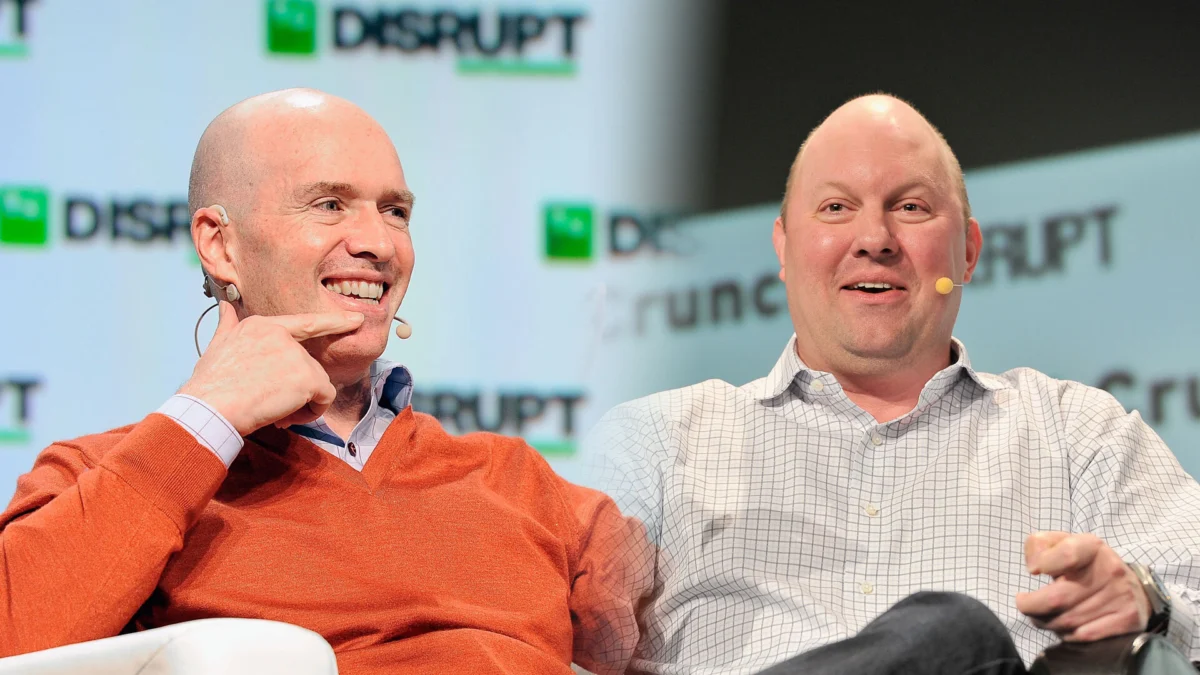
A newly formed advocacy group, "Build American AI," has launched a multimillion-dollar advertising blitz targeting battleground states, aiming to reframe the public perception of massive data centers. The group is the latest manifestation of a burgeoning political influence machine tied to "Leading the Future" (LTF), a well-funded super PAC backed by venture capital giants Marc Andreessen and Ben Horowitz, as well as OpenAI President Greg Brockman.
As the battle over the physical footprint of the AI revolution intensifies, the intersection of big-tech money and local infrastructure politics has set the stage for a high-stakes clash in the American heartland.
The Strategic Pivot: From Software to Infrastructure
The launch of Build American AI represents a tactical shift in how the tech industry engages with the public. Historically, Big Tech’s political spending focused on deregulation and tax incentives for software development. However, as the demand for energy and physical space to house AI server farms grows, the industry is hitting a wall of local resistance.
Data centers are increasingly controversial. Critics cite massive water consumption, strain on local power grids, and noise pollution as significant drawbacks for host communities. Build American AI is designed to counter these localized concerns. By pouring millions of dollars into Kansas, Ohio, and Wisconsin—states where data center siting has become a volatile campaign issue—the group seeks to convince voters that the massive facilities are economic boons rather than neighborhood nuisances.
The Financial Engine
The influence of this new group is bolstered by the staggering financial resources of its parent organization, LTF. Launched with an initial $50 million war chest, LTF has positioned itself as the primary political vehicle for pro-AI interests. Its mandate is dual-pronged: provide robust financial support to politicians who favor aggressive AI expansion and systematically oppose those who advocate for restrictive oversight.
Chronology of Influence: Building the PAC
The emergence of these groups did not happen in a vacuum. It is the culmination of a multi-year effort by Silicon Valley venture capitalists to exert direct control over the legislative environment.
- Mid-2024: Marc Andreessen and Ben Horowitz signal a major pivot, with their firm, Andreessen Horowitz (a16z), becoming the largest single donor to federal election cycles, outpacing traditional political heavyweights like Elon Musk and George Soros.
- Early 2026: Leading the Future (LTF) is formally established, attracting high-profile board members and donors, including Greg Brockman of OpenAI.
- June 2026: Following public backlash over the PAC’s aggressive lobbying tactics and allegations of "astroturfing"—the practice of masking corporate-backed campaigns as organic grassroots support—OpenAI issues a formal statement distancing itself from LTF.
- August 2026: Build American AI is unveiled, shifting the strategy toward direct voter engagement in key swing states.
The speed at which these entities have mobilized reflects a "get-it-done" culture common in startups, but one that is increasingly colliding with the slow, deliberative nature of local municipal governance and federal election cycles.
Supporting Data: The Cost of Tech Dominance
The scale of political investment from the tech sector is unprecedented. According to data analyzed by The New York Times, Andreessen Horowitz has directed more than $115 million toward federal contributions in the current cycle alone. This spending is not limited to AI; it forms a broader ecosystem of influence that includes crypto-focused PACs like Fairshake.
Comparative Spending
While LTF and Build American AI represent the "pro-expansion" wing of the industry, they are not operating in a vacuum. Other industry players are pursuing different strategies. For instance, Anthropic has committed $20 million to "Public First Action," a group that explicitly supports AI regulation. This divergence highlights a split within the industry: those who want an unfettered, "move fast and break things" environment, and those who believe that a regulated, safer framework is the only way to ensure long-term public trust and industry stability.
Official Responses and The "Astroturfing" Controversy
The rise of LTF has been met with significant skepticism, even from within the corridors of the companies it purports to support. OpenAI’s June statement serves as a rare public rebuke of a political entity by the company whose leadership is financially linked to it.
"There have been questions around Leading the Future (LTF), which has received support from our President and co-founder, Greg Brockman, and his wife Anna," the company noted in a blog post. "OpenAI does not direct the activities of LTF, or have visibility into their operations."
Most crucially, OpenAI condemned the very tactics that Build American AI is currently employing. The company’s policy team explicitly stated: "Groups that are advocating on AI should be clear about their policy views, be honest about whom they represent, and not use tactics like astroturfing that obscure the real choices facing policymakers and the public."
This tension creates a complex narrative for the public: Is this the voice of the local community, or the voice of a billionaire-funded marketing machine?
Implications: The Future of Political Advocacy
The implications of this trend extend far beyond the immediate electoral cycle. We are witnessing the birth of a new model of "Corporate Citizen Advocacy."
1. The Erosion of Grassroots Legitimacy
When a multi-million dollar super PAC uses sophisticated data analytics to target voters in Ohio or Wisconsin with ads supporting data centers, it threatens the legitimacy of actual grassroots movements. If residents cannot distinguish between a genuine neighborly concern and a paid, tech-funded advertisement, the democratic process suffers from a "signal-to-noise" problem that favors those with the deepest pockets.
2. The Infrastructure Bottleneck
The focus on data centers is not merely political; it is an existential requirement for the AI industry. Without massive physical infrastructure, the computational power required to scale large language models cannot be realized. If these super PACs succeed in winning over battleground states, they will effectively clear the regulatory path for massive infrastructure build-outs across the U.S.
3. The Tech-Politics Convergence
The involvement of Andreessen, Horowitz, and Brockman suggests that tech leaders have moved past "lobbying" in the traditional sense. They are now actively building their own political infrastructure to ensure that the legislative landscape is tailored to their technological roadmaps. This signifies a permanent shift in how the tech industry interacts with government: they are no longer asking for a seat at the table; they are building the table themselves.
4. Regulatory Risk
The aggressive nature of these groups could trigger a backlash. By positioning themselves as the "pro-AI" force, they risk making AI a partisan issue. If AI becomes associated with the specific political interests of Silicon Valley elites, it could lead to reactionary legislation that treats all AI development with deep suspicion, potentially harming the very industry these groups are trying to protect.
Conclusion
As we move toward the final stages of the midterm elections, the battle for the American heartland is increasingly being fought in the cloud and on the ground. Build American AI, backed by the immense resources of Silicon Valley’s venture capital elite, represents the new face of political influence—one that is highly digitized, extremely well-funded, and unapologetically focused on ensuring that the physical reality of the AI age matches the aspirations of its creators.
Whether this campaign will succeed in turning the tide of public opinion remains to be seen. However, one thing is certain: the era of tech companies operating on the sidelines of politics is over. The industry has entered the arena, and the stakes—for both the future of the American power grid and the health of the democratic process—have never been higher.
As the advertisements continue to roll out in Kansas, Ohio, and Wisconsin, voters are left to navigate a new landscape where the messages in their living rooms are directly powered by the same algorithms that are reshaping the physical world outside their windows.
About the Author